 CryptoChain Blog
Introduction to 2026 Blockchain Energy Trading
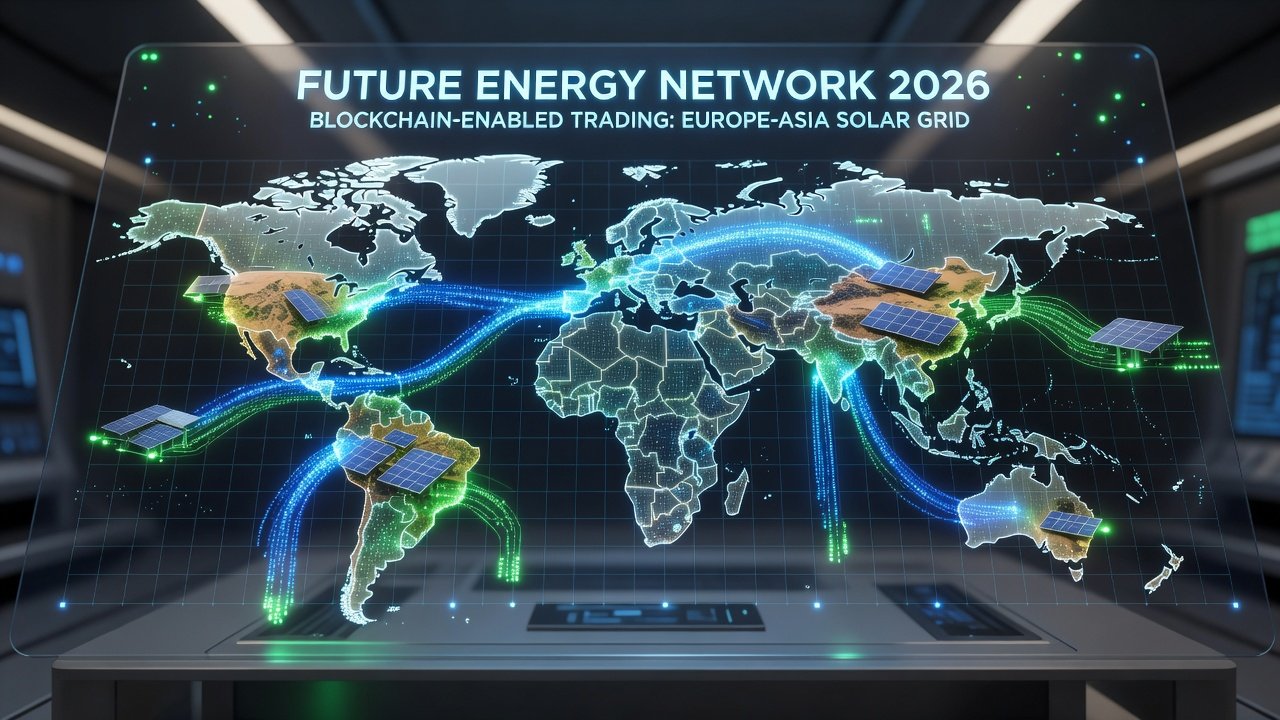
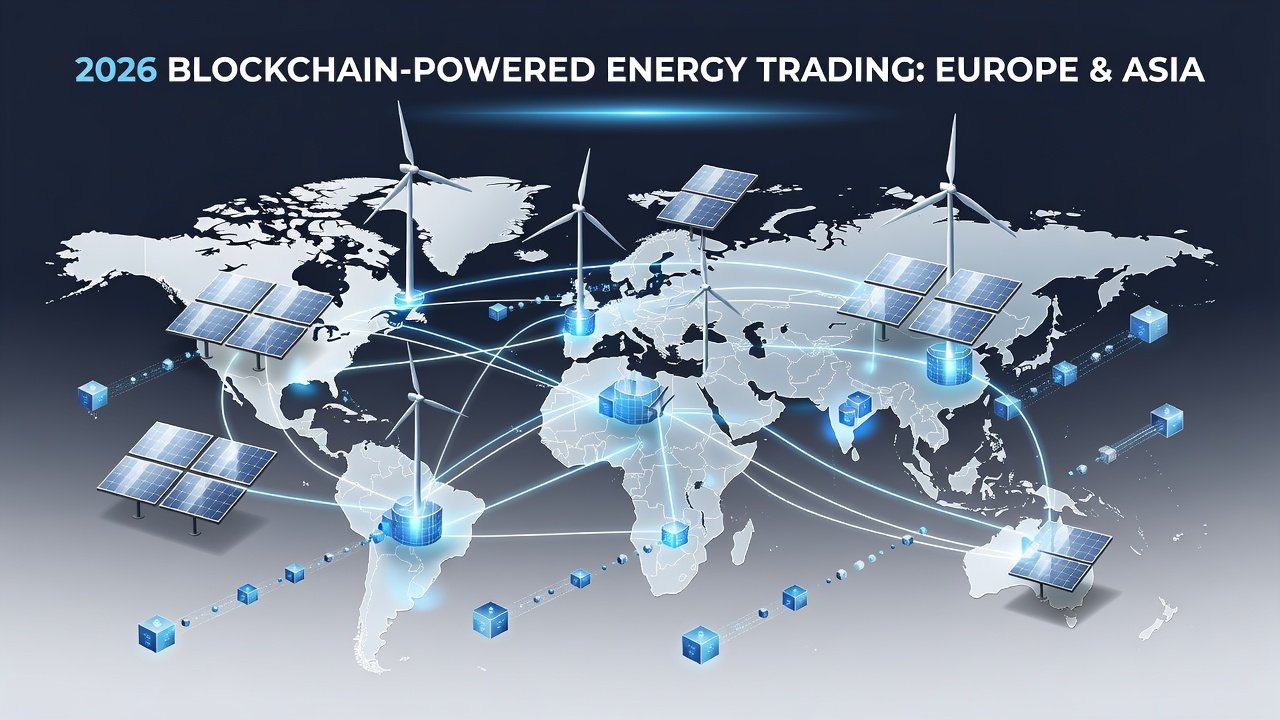
Blockchain technology continues to reshape energy markets in 2026 by enabling decentralized peer-to-peer (P2P) trading. Pilots in Europe and Asia demonstrate how distributed ledger systems facilitate direct transactions between producers and consumers, bypassing traditional utilities. This article examines fresh case studies, market mechanics, incentive structures, and regulatory shifts to deliver actionable insights for developers and stakeholders. The focus remains on practical implementations rather than theoretical overviews, highlighting how these systems address real-world challenges like grid congestion and renewable intermittency.
P2P Market Mechanics Explained
P2P energy trading on blockchain uses smart contracts to match supply and demand in real time. Participants trade excess solar or wind power directly, with transactions recorded immutably. Key components include metering integration, automated settlement, and grid balancing protocols that maintain stability during high-volume trades. For example, in a typical transaction flow, a household with rooftop solar generates surplus during midday; the smart contract detects this via IoT meters, matches it with a nearby buyer, executes the trade, and settles payment instantly using tokenized energy credits. Developers must account for latency in consensus mechanisms to avoid delays that could affect grid frequency. Real-world pilots show that integrating with existing SCADA systems requires custom oracles to feed accurate data without compromising security.
Token Incentive Models in Energy Markets
Token models reward participants for contributing renewable energy or flexibility services. Utility tokens facilitate micropayments while governance tokens allow community voting on network upgrades. These systems create economic loops that encourage adoption without relying solely on fiat subsidies. In one European pilot, participants earned tokens proportional to the amount of green energy injected during peak demand hours, which could then be redeemed for bill credits or traded on secondary markets. Tokenomics must incorporate mechanisms like halving schedules or staking requirements to prevent inflation. Developers should model token velocity carefully, as high circulation can dilute value and reduce long-term participation incentives.
Regulatory Updates Across Regions
Europe has advanced frameworks through the European Commission that clarify data privacy and grid access for blockchain pilots. In Asia, several jurisdictions updated rules in mid-2026 to support cross-border renewable certificates on distributed ledgers, fostering international collaboration. These updates emphasize consumer protection and cybersecurity standards, requiring platforms to implement multi-signature wallets and regular third-party audits. Compliance teams now focus on aligning with GDPR equivalents in Asia and emerging carbon accounting rules that treat blockchain records as verifiable proof of origin.
Europe 2026 Case Studies
Utility-scale pilots in Germany and the Netherlands achieved notable grid integration results, with blockchain platforms handling thousands of daily trades. Outcomes showed improved renewable utilization rates and reduced curtailment during peak production periods. In Germany, a consortium involving local utilities tested a platform that connected over 500 prosumers across rural microgrids, resulting in a 15% increase in local renewable consumption compared to traditional feed-in tariffs. The Netherlands pilot emphasized urban settings, where apartment buildings shared excess energy from shared solar arrays, demonstrating how blockchain can simplify billing among multiple owners without central intermediaries.
Asia 2026 Case Studies
Projects in Singapore and South Korea focused on urban microgrids, demonstrating seamless integration with existing infrastructure. Results highlighted enhanced resilience during demand spikes and transparent tracking of carbon attributes. Singapore’s pilot integrated blockchain with national grid operators to enable real-time trading among commercial buildings, achieving faster settlement times than legacy systems. In South Korea, a government-backed initiative linked industrial parks with renewable farms, using tokenized incentives to shift consumption patterns and lower peak loads by coordinating EV charging schedules through the ledger.
Side-by-Side Platform Comparison
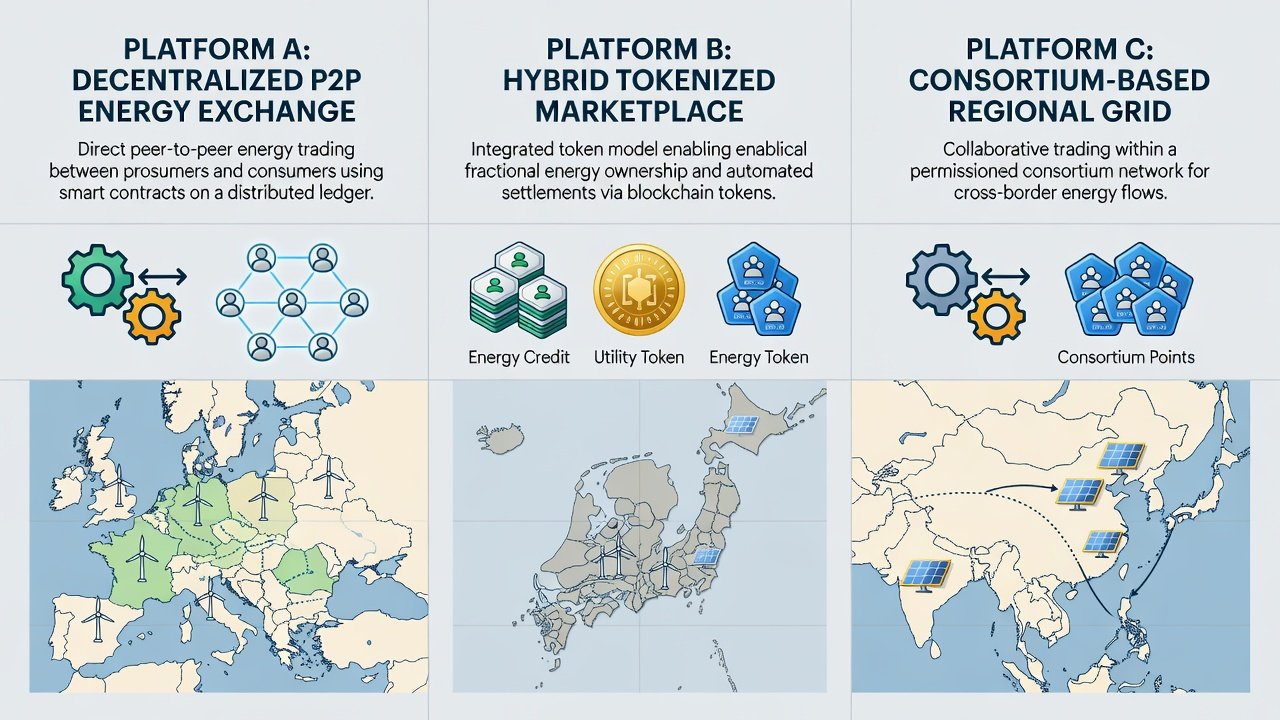
Three leading platforms stand out: one emphasizing open-source smart contracts for European grids, another optimized for Asian high-density trading, and a hybrid solution supporting both regions. Developers should evaluate transaction throughput, interoperability with legacy meters, and tokenomics sustainability when selecting a base layer. The first platform excels in permissioned networks suitable for regulated environments, offering modular plugins for different consensus algorithms. The second prioritizes high throughput for dense urban deployments with support for mobile wallets tailored to emerging markets. The hybrid option provides cross-chain bridges for international certificate trading but requires more complex security reviews. When comparing, teams should run benchmark tests on latency under simulated grid failure scenarios and assess community governance models for long-term adaptability.
Practical Lessons for Developers
Start with modular architecture that separates consensus from application logic. Test incentive models in sandbox environments before mainnet deployment. Monitor regulatory sandboxes closely to align compliance features early. Focus on user-friendly wallet integrations to lower onboarding friction for non-technical energy producers. Additional steps include conducting thorough threat modeling for oracle dependencies, implementing role-based access controls for grid operators, and planning for data portability to allow participants to switch platforms without losing historical records. Common pitfalls involve underestimating energy consumption of the blockchain itself and failing to design fallback mechanisms when the network experiences congestion. Successful projects allocate resources for ongoing education of local communities to build trust in the technology.
Challenges, Solutions, and Future Scalability
Integration challenges often stem from legacy infrastructure incompatibility and varying data standards across utilities. Solutions involve standardized APIs and middleware layers that translate between blockchain events and traditional protocols. For scalability, pilots are exploring layer-2 solutions and sharding to handle millions of micro-transactions daily. Future projections indicate that by 2027, widespread adoption could depend on harmonized international standards for tokenized energy assets. Developers are advised to participate in open-source working groups to influence these standards proactively.
Short FAQ on Integration Challenges
- How do platforms handle grid stability? Through automated curtailment signals embedded in smart contracts that respond to real-time frequency data from IoT sensors.
- What scalability limits exist today? Current pilots process up to several thousand transactions per minute; layer-2 solutions are being tested for future growth to support city-wide deployments.
- Are cross-border trades feasible? Regulatory harmonization efforts via bodies like the International Energy Agency are progressing, though legal recognition of foreign tokens remains a hurdle requiring bilateral agreements.
- What security measures are essential? Multi-factor authentication, regular penetration testing, and immutable audit logs are standard to protect against tampering and cyber threats.
Conclusion and Future Outlook
2026 pilots confirm blockchain’s viability for energy trading while exposing areas needing refinement, such as standardization and security audits. Developers who apply these lessons can position projects for broader adoption as regulations mature. Continued collaboration between technologists and policymakers will determine the pace of scalable deployment, ultimately contributing to more resilient and sustainable energy systems worldwide.

No comments yet. Be the first!