 CryptoChain Blog
Introduction to Blockchain in 2026 Energy Trading
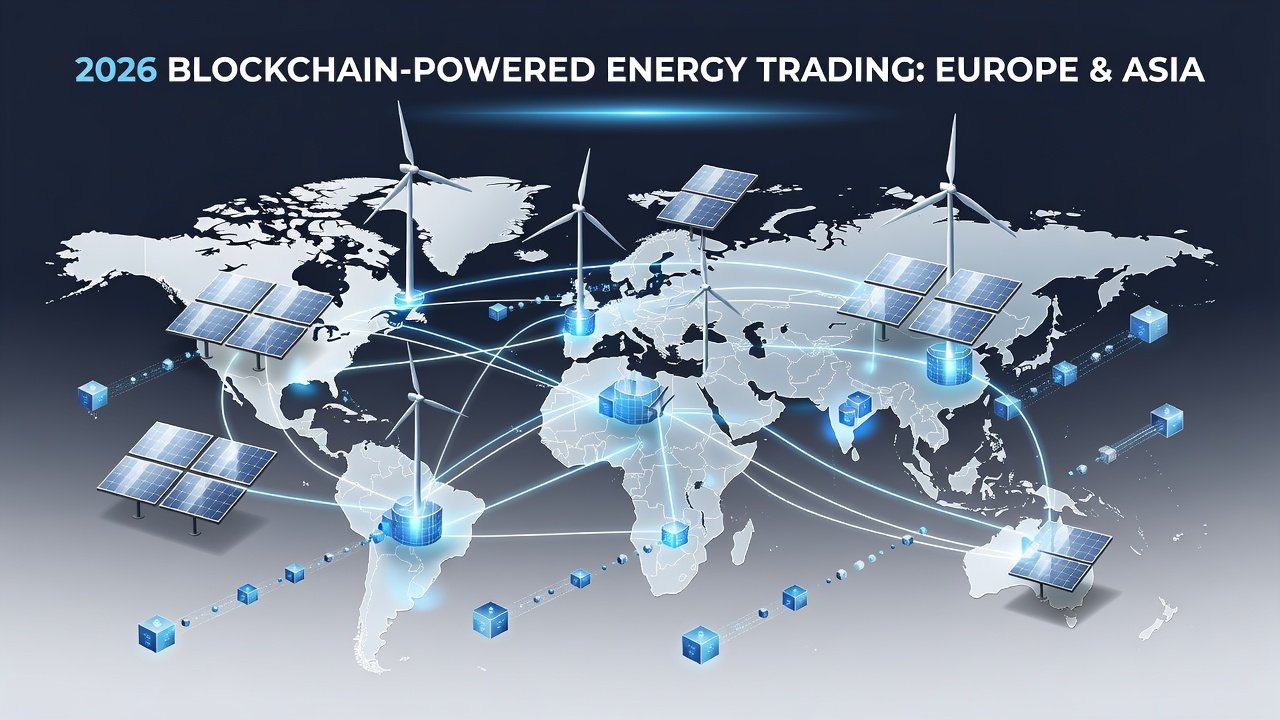
Blockchain technology has transformed energy trading by enabling transparent, decentralized transactions that bypass traditional intermediaries. In 2026, real-world deployments across Europe and Asia demonstrate measurable gains in efficiency, cost reduction, and grid reliability. This comprehensive guide examines detailed case studies from Germany and Singapore, explores peer-to-peer market mechanics, token incentive structures, regulatory adaptations, and quantifiable pilot outcomes such as reduced operational expenses and improved energy distribution. Readers will also find platform comparisons, adoption barriers, step-by-step integration advice for utilities, expert perspectives on scalability, and future forecasts. The discussion draws on authoritative sources to provide actionable insights for energy firms considering blockchain adoption.
Understanding the Core Mechanics of Blockchain-Enabled Energy Trading
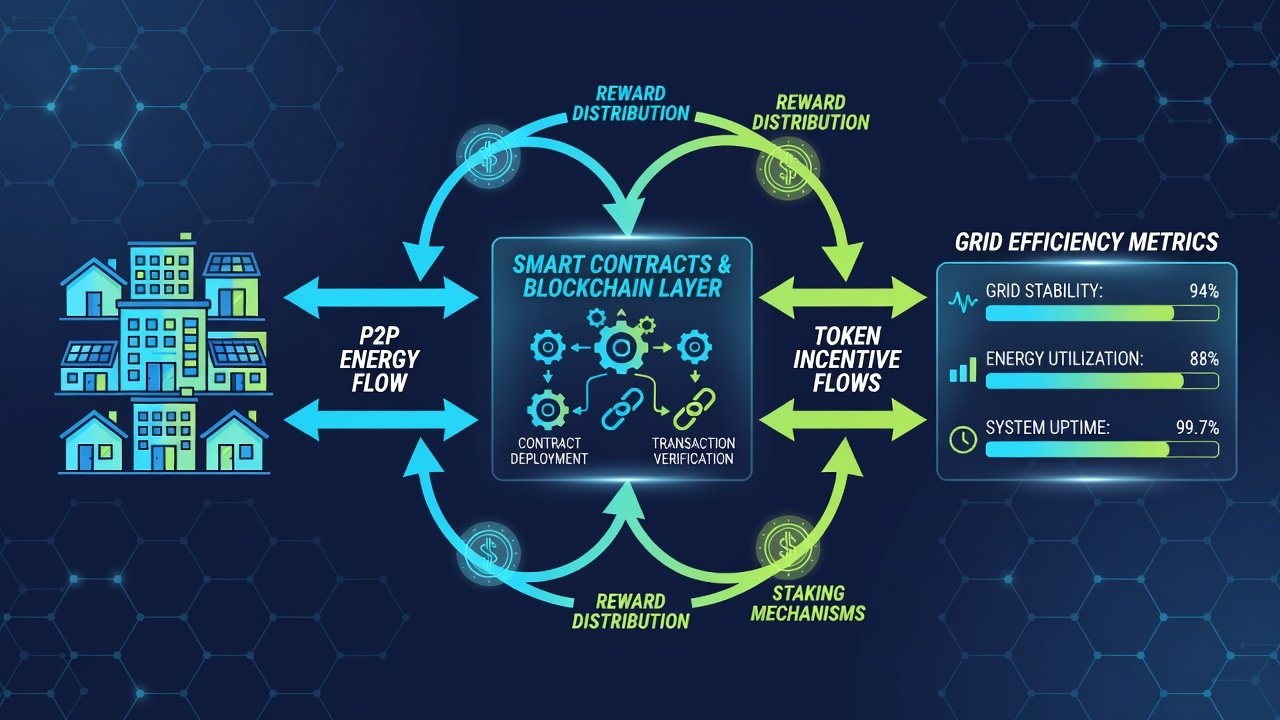
At its foundation, blockchain creates immutable ledgers that record every energy transaction in real time. This allows producers of renewable energy, such as rooftop solar owners, to sell surplus power directly to neighbors without relying solely on centralized utilities. Smart contracts automatically execute trades when predefined conditions are met, ensuring trust and reducing administrative overhead. In practice, these systems integrate with existing smart meters and IoT devices to capture generation and consumption data instantly. The result is a more dynamic market where prices fluctuate based on immediate supply and demand rather than fixed tariffs.
Europe Case Study: P2P Market Mechanics in Germany
German pilot projects have led the way in implementing peer-to-peer energy trading on blockchain platforms. Participants in residential neighborhoods connect solar installations and battery storage units through a decentralized network. When a household generates excess electricity, the system automatically offers it to nearby consumers via tokenized bids. Token incentive models reward consistent contributors with digital assets that can be redeemed for future energy credits or traded on secondary markets. Regulatory adaptations by German authorities have included sandbox programs that permit these experiments while enforcing consumer protection rules. Measurable outcomes from 2025-2026 pilots show transmission losses dropping by up to 15 percent due to localized trading and overall grid efficiency rising through better demand response. Utilities involved report smoother integration with national balancing markets.
Asia Case Study: Token Models and Regulatory Shifts in Singapore
Singapore has focused on tokenizing renewable energy certificates and enabling high-volume trading among commercial buildings. Local platforms issue tokens representing verified clean energy production, which participants can buy, sell, or retire to meet sustainability targets. Incentive structures distribute additional tokens for peak shaving and grid support services, encouraging behavioral changes among large consumers. Regulatory bodies have updated frameworks to accept blockchain-based records as compliant audit trails, reducing verification times from weeks to hours. Pilot programs completed in early 2026 delivered faster settlement cycles and greater transparency in certificate tracking. These initiatives highlight how tokenomics can accelerate the shift toward decentralized energy systems in dense urban environments.
Platform Comparisons of Leading Blockchain Energy Solutions
Several platforms dominate the 2026 landscape. European-focused solutions emphasize regulatory compliance and interoperability with existing grid operators, often using permissioned chains for controlled access. Asian deployments prioritize transaction speed and scalability to handle thousands of trades per minute. Key differences appear in consensus mechanisms, with some relying on proof-of-stake variants to minimize energy use while others explore layer-two scaling solutions. Utilities evaluating options should compare factors such as security certifications, ease of API integration with legacy SCADA systems, and support for multi-currency token settlements.
Adoption Barriers and How to Overcome Them
Despite clear benefits, widespread adoption faces hurdles including legacy infrastructure incompatibility, concerns over data privacy under GDPR and similar laws, and the upfront investment required for hardware upgrades. Cybersecurity risks associated with connected devices also require careful mitigation through encryption and regular audits. Many firms hesitate due to uncertain long-term regulatory clarity across borders. Addressing these issues typically begins with phased pilots that limit exposure while generating proof-of-concept data.
Practical Integration Steps for Utilities
Utilities can follow a structured roadmap to incorporate blockchain into their operations. First, conduct a thorough assessment of current grid infrastructure to identify compatible smart meter deployments and data management systems. Next, partner with established technology providers to design small-scale pilots focused on specific use cases such as local P2P trading. Early engagement with regulators helps align projects with evolving compliance requirements and secures necessary approvals. Staff training programs should cover token lifecycle management, smart contract monitoring, and interpretation of on-chain analytics. Finally, establish clear performance metrics around cost savings, grid stability improvements, and participant engagement to evaluate success and guide scaling decisions.
- Map existing data flows and identify integration points for blockchain nodes.
- Define clear success criteria including percentage reductions in settlement time.
- Implement robust identity verification to maintain market integrity.
- Develop contingency plans for network outages or smart contract failures.
Expert Insights on Scalability Challenges
Industry specialists emphasize that scalability remains a primary concern, particularly the energy footprint of certain consensus protocols and the need for standardized cross-border data formats. Solutions under development include hybrid architectures combining public transparency with private transaction channels. IEA publications offer valuable benchmarks on global energy system evolution that inform these technical discussions.
Future Forecasts for Blockchain in Energy Markets
Analysts project continued growth through 2027 as more jurisdictions finalize supportive regulations. Hybrid models are expected to become standard, allowing seamless interaction between centralized grids and decentralized trading layers. European Commission energy portals provide ongoing updates on policy developments that will shape implementation timelines. Firms investing now in pilot infrastructure position themselves to capture early mover advantages in efficiency and new revenue streams.
Conclusion
Blockchain technology delivers tangible wins in energy trading, as evidenced by successful 2026 deployments. By understanding detailed mechanics, comparing platforms, and following methodical integration steps, utilities can realize cost savings and operational improvements while addressing regulatory and technical challenges.
FAQ
How do energy firms ensure ongoing compliance when using blockchain platforms?
Compliance requires continuous alignment with regional data protection regulations and obtaining third-party certifications for smart contracts. Transparent, immutable ledgers simplify audit processes and reduce the risk of disputes over transaction records.
What typical ROI timelines do utilities observe in blockchain energy pilots?
Return on investment often materializes within 18 to 24 months through lowered administrative costs and incremental revenue from tokenized services. Additional qualitative gains include improved customer retention via green energy offerings.
Are there specific data security standards recommended for these systems?
Experts recommend adherence to established frameworks such as ISO 27001 combined with regular penetration testing of connected devices and nodes to protect against evolving cyber threats.
How do token incentive models affect participant behavior in P2P markets?
Well-designed token rewards encourage consistent generation and consumption shifting, leading to more predictable grid loads and higher overall renewable utilization rates across pilot communities.

No comments yet. Be the first!