 CryptoChain Blog

Introduction: Blockchain's Growing Role in 2026 Travel
As 2026 unfolds, blockchain technology continues to disrupt traditional tourism booking systems by introducing transparency, security, and efficiency. Travelers and industry players are increasingly turning to crypto-powered solutions for hotel reservations, loyalty programs, and payment processing. This shift addresses long-standing pain points like high fees, intermediaries, and fraud risks in the travel sector. Forward-looking applications focus on tokenization and decentralization, enabling seamless experiences without overlapping into unrelated areas like supply chain logistics. The global tourism industry, recovering strongly post-pandemic, sees blockchain as a key enabler for digital transformation, with adoption stories emerging from both established hotel groups and innovative startups. Readers searching for 2026 crypto news will find that these developments offer tangible benefits, including faster transactions and enhanced trust between parties.
Blockchain's distributed ledger technology records every booking and payment immutably, reducing disputes and building confidence among users who previously relied on centralized databases prone to errors or breaches. In this comprehensive overview, we examine how these tools are evolving and provide actionable insights for travelers and businesses alike.
The Rise of Hotel Loyalty Tokenization
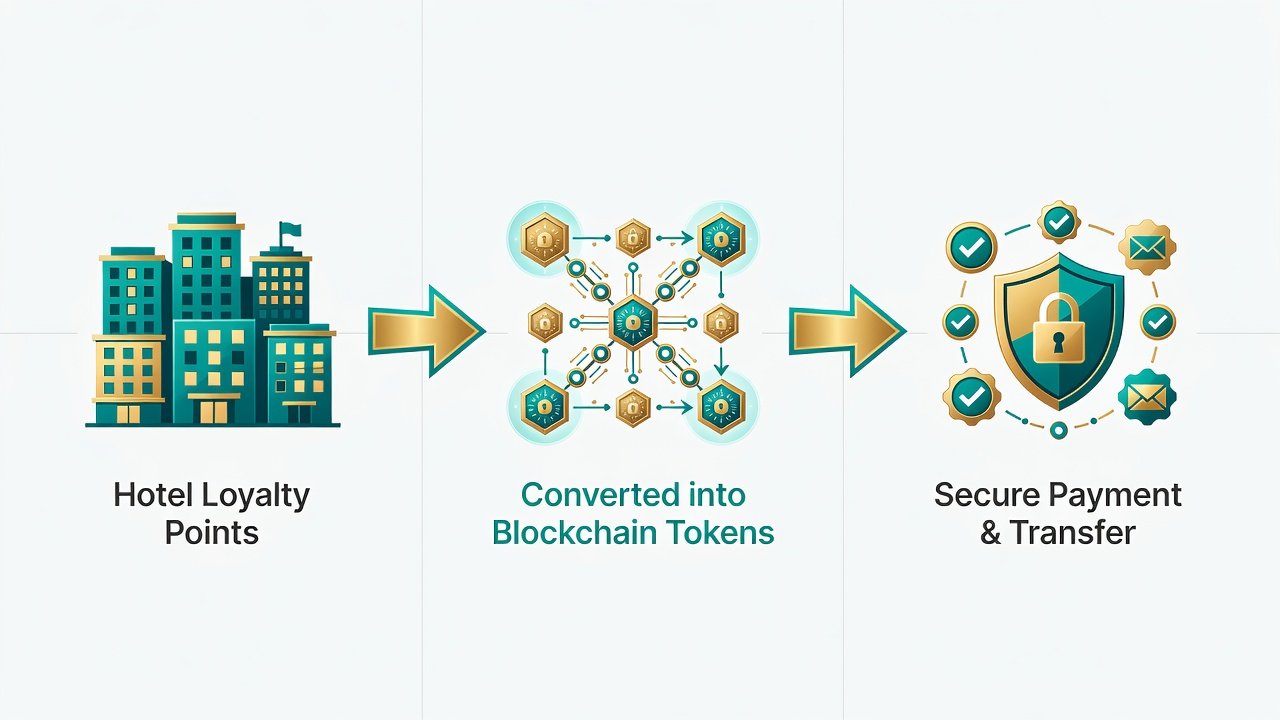
Hotel chains are tokenizing loyalty points on blockchains, converting traditional rewards into tradable digital assets. This allows guests to earn, trade, or redeem tokens across partner networks with greater flexibility. In 2026, this trend is accelerating as major players integrate smart contracts to automate redemptions and prevent point expiration issues common in legacy systems. Tokenization also enhances interoperability, letting travelers use rewards from one hotel brand at affiliated properties or even exchange them for other services such as flights or experiences. For example, a guest earning tokens at a beach resort can seamlessly transfer them to an urban property within the same ecosystem, unlocking new levels of personalization and value retention.
Beyond convenience, tokenized loyalty programs foster community engagement through decentralized governance models where token holders vote on reward structures. This represents a significant departure from rigid corporate-controlled systems, empowering users while creating new revenue streams for chains via token utility and secondary markets.
Decentralized Booking Platforms
Decentralized platforms eliminate middlemen by connecting travelers directly with providers via peer-to-peer networks. These systems leverage blockchain for immutable booking records and smart contract-based confirmations, reducing disputes and streamlining cancellations. Compared to centralized sites, these platforms offer lower fees and greater user control over personal data. Users maintain ownership of their booking information, sharing only what is necessary through encrypted channels, which aligns with growing demands for privacy in the digital age.
Practical implementations include platforms that support multi-currency settlements using cryptocurrencies, allowing international travelers to bypass currency conversion hassles. Smart contracts automatically enforce terms, releasing funds only upon verified check-in or service completion, thereby minimizing no-show penalties and enhancing reliability for both hosts and guests.
Reducing Fraud in Travel Payments
Blockchain's immutable ledger significantly cuts fraud in travel payments by verifying transactions in real time and preventing double-spending or chargeback abuse. Cryptographic security ensures that payment details remain protected throughout the booking process. This is particularly valuable for international bookings where currency conversion and cross-border issues often invite scams. By using zero-knowledge proofs and other advanced cryptographic techniques, platforms can confirm payment validity without exposing sensitive financial data.
Travelers benefit from audit trails that document every step of a transaction, providing recourse in rare cases of discrepancies while deterring malicious actors who thrive on opaque legacy payment rails.
Real-World Case Studies
Major hotel chains like Marriott and Hilton have piloted blockchain loyalty programs, while startups such as Winding Tree and Sandblock demonstrate decentralized booking successes. These examples highlight adoption rates and user satisfaction improvements in 2026. Marriott's initiative, for instance, allows members to convert points into blockchain tokens usable across a growing partner network, resulting in higher engagement metrics. Meanwhile, Winding Tree's decentralized infrastructure has facilitated direct hotel bookings in Europe and Asia, cutting processing times dramatically and building a robust ecosystem of travel providers.
Additional case studies from emerging players show how smaller boutique hotels leverage these tools to compete with larger chains, gaining visibility through tokenized incentives that attract crypto-savvy millennials and Gen Z travelers. These real-world applications underscore the scalability of blockchain solutions beyond theoretical discussions.
Speed and Cost Comparisons Versus Legacy Systems
Blockchain solutions process bookings faster, often completing verifications in seconds rather than minutes or hours required by traditional systems. Cost savings arise from reduced intermediary fees, though exact savings vary by platform scale and transaction volume. Travelers benefit from near-instant confirmations and lower overall expenses on high-volume bookings. Legacy systems typically involve multiple layers of processors, banks, and booking aggregators, each adding latency and overhead. In contrast, blockchain networks operate 24/7 with consensus mechanisms that finalize transactions efficiently, especially on layer-2 solutions optimized for speed.
Comparative analyses in 2026 reveal that decentralized platforms can handle peak travel seasons without the bottlenecks seen in centralized servers, ensuring consistent performance during holidays or major events. This reliability translates into better customer experiences and operational resilience for providers.
Practical Steps for Travelers to Use These Tools
Adopting blockchain-based tourism tools requires a straightforward approach that anyone can follow. Here is a detailed step-by-step guide:
- Download a compatible crypto wallet supporting travel tokens from reputable app stores and enable two-factor authentication for security.
- Research decentralized platforms with strong security audits published by independent firms to ensure they meet industry standards for user protection.
- Convert fiat to stablecoins for stable payment values during bookings, shielding against market fluctuations while enjoying the benefits of blockchain speed.
- Monitor token balances via blockchain explorers for transparency, allowing real-time tracking of loyalty rewards and transaction history.
- Start with small test bookings to familiarize with the interface, building confidence before committing to larger trips or complex itineraries.
- Join community forums and official documentation resources to stay updated on new features and best practices shared by early adopters.
These steps empower travelers to navigate the ecosystem safely and maximize the advantages of decentralized tourism solutions.
Future Trends in Blockchain Tourism
Looking ahead, integration with AI for personalized recommendations and expanded NFT-based travel experiences will further evolve the space. Regulatory clarity in key markets is expected to boost mainstream adoption, paving the way for hybrid models that blend traditional hospitality with Web3 innovations. Experts anticipate greater emphasis on sustainable tourism through blockchain-verified carbon offset programs tied directly to bookings.
FAQ
How does volatility affect crypto bookings?
Many platforms use stablecoins to minimize volatility risks, locking in values at booking time and providing predictable pricing for users concerned about market swings.
What about data privacy on decentralized systems?
Blockchain enhances privacy through encryption and user-controlled data sharing, unlike centralized databases prone to breaches, giving travelers greater sovereignty over their information.
Are these platforms accessible to non-tech users?
Yes, intuitive interfaces and wallet integrations are making them increasingly user-friendly in 2026, with guided tutorials and customer support reducing the learning curve significantly.
Can blockchain bookings integrate with existing travel apps?
Many solutions offer API compatibility, allowing seamless connections with popular travel management tools for a unified experience across devices and services.
Conclusion
Blockchain is set to redefine tourism bookings in 2026 with practical benefits for efficiency and security. By adopting these innovations, travelers gain more control and value from their journeys. For authoritative insights on global travel tech, visit UNWTO and explore blockchain fundamentals at Ethereum.org.


No comments yet. Be the first!