 CryptoChain Blog

Introduction
Staying ahead in the fast-evolving world of cryptocurrency requires more than reading headlines. In 2026, blockchain updates arrive at an unprecedented pace, making professional-level analysis essential for crypto enthusiasts and investors alike. This comprehensive guide provides actionable strategies to process blockchain news effectively, from selecting trustworthy data sources to interpreting complex regulatory signals with precision. Whether you are tracking Bitcoin halvings, Ethereum upgrades, or emerging Layer-2 solutions, mastering these techniques allows you to spot emerging trends early, compare network metrics accurately, and make informed decisions that align with market realities.
By the end of this article, you will have access to step-by-step workflows, practical checklists, detailed tool comparisons, and real-world 2026 examples that demonstrate how professionals sift through noise. We also address common pitfalls and include an expanded FAQ section to cover beginner-to-intermediate questions. Consistent application of these methods transforms information overload into a strategic advantage in the dynamic crypto landscape.
Selecting Reliable Data Sources
The foundation of solid analysis lies in choosing credible information channels over sensationalist commentary. Prioritize primary sources such as official project blogs, developer repositories, and regulatory announcements. Secondary outlets can supplement but should never replace direct verification. Key categories include official network documentation from projects like Ethereum and Bitcoin, established news platforms with transparent sourcing, and government regulatory websites for policy developments.
Cross-reference multiple outlets to verify claims before acting on them. For instance, when a major upgrade is announced, check the project's GitHub repository and official channels alongside reports from Ethereum Foundation resources. Additional reliable anchors include Bitcoin.org documentation for protocol-level details. This multi-source approach reduces misinformation risk and builds a robust foundation for deeper analysis throughout 2026.
Using On-Chain Analytics Tools
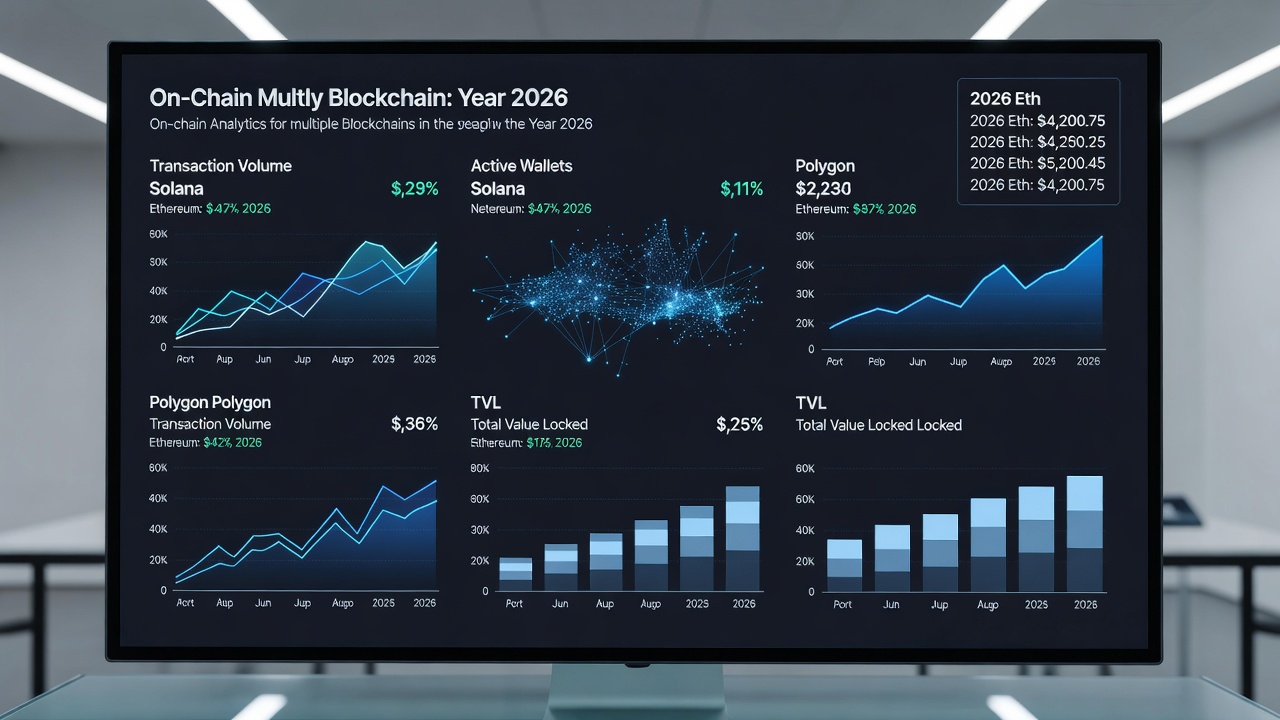
On-chain analytics reveal the true health of blockchain networks beyond media narratives. Tools like Dune Analytics, Glassnode, and Nansen allow you to track metrics such as active addresses, transaction volumes, token flows, and smart contract interactions in real time. Begin with free tiers to build familiarity with dashboards and query builders, then progress to premium features for historical depth and alerts.
A notable 2026 example involves monitoring Layer-2 scaling solutions where daily active users surged following protocol optimizations on networks like Arbitrum and Optimism. These tools help quantify adoption beyond price action. Integrate data exports into personal spreadsheets for longitudinal tracking. Professionals often combine multiple platforms: one for raw metrics and another for wallet labeling to uncover institutional movements.
Tool Comparison
Compare platforms based on data depth, user interface, customization, and integration options. Glassnode excels in Bitcoin-specific metrics such as realized price and holder distribution, while Dune Analytics offers fully customizable SQL queries ideal for Ethereum and EVM-compatible chains. Nansen provides advanced wallet labeling for DeFi activity tracking and alpha signals. Evaluate each tool against your portfolio focus rather than adopting a single solution universally. Free tiers from Dune Analytics serve as an excellent starting point for most enthusiasts.
Interpreting Regulatory Signals with 2026 Examples
Regulatory developments can dramatically impact markets and should be analyzed with careful attention to language and timing. In early 2026, several jurisdictions introduced clearer frameworks for stablecoins and decentralized finance, leading to measurable increases in institutional participation on compliant platforms. Monitor announcements from bodies like the U.S. Securities and Exchange Commission and international organizations for clues about enforcement priorities.
Analyze proposal wording for signals: collaborative language and regulatory sandboxes often precede positive market reactions, whereas restrictive tones may foreshadow tighter controls. Cross-reference with SEC.gov filings and official statements. In one 2026 case, a proposed stablecoin bill triggered immediate on-chain inflows to audited protocols within 48 hours of publication, demonstrating how timely interpretation creates actionable edges.
Step-by-Step Workflow for Spotting Trends
Develop a repeatable daily and weekly process to maintain consistency. Follow this expanded workflow:
- Scan primary sources and official channels first thing each morning for announcements or governance proposals.
- Verify claims using on-chain data within 24 hours, pulling transaction and address metrics to confirm reported activity levels.
- Compare metrics across at least three comparable networks to identify relative strength or weakness.
- Assess regulatory context and potential implementation timelines by reviewing government calendars and comment periods.
- Document findings in a personal dashboard or note system to recognize patterns over 30- to 90-day periods.
- Review social sentiment last, treating it as a secondary indicator rather than a primary driver.
This structured approach prevents reactive decisions and highlights sustainable developments amid hype cycles.
Comparing Metrics Across Networks
Effective comparison requires standardized, apples-to-apples metrics. Focus on throughput measured in transactions per second, total value locked in DeFi protocols, developer activity via GitHub commit frequency, and average transaction fees. In 2026, networks demonstrating consistent growth across these indicators outperformed peers during periods of market volatility.
Use spreadsheets or visualization tools to track changes over rolling windows. For example, plotting 30-day moving averages of active addresses alongside TVL reveals whether user growth is organic or incentive-driven. Avoid isolated snapshots; instead, contextualize data against network age, consensus mechanism, and ecosystem maturity for meaningful insights.
Avoiding Common Analysis Pitfalls
Common mistakes include over-reliance on social media sentiment, ignoring context around large transactions, failing to account for network-specific characteristics, and neglecting data lag in reporting. Always validate whale movements against broader activity levels and volume distribution to distinguish accumulation from distribution.
Maintain a personal checklist to ensure balanced analysis: confirm source credibility, review at least three months of historical data, consider alternative interpretations, and document assumptions. Professionals also set alerts for unusual metric spikes to investigate promptly rather than assuming positive implications.
Practical Checklist for Daily Analysis
- Review official project channels and governance forums first.
- Pull latest on-chain data for key assets using at least two tools.
- Check regulatory news feeds and government calendars.
- Update personal trend tracker with new observations.
- Note any discrepancies or anomalies for further investigation.
- Review weekly summaries to identify longer-term shifts.
Real-World 2026 Case Studies
Applying these methods in practice yields tangible results. Consider the March 2026 Ethereum Dencun follow-up optimizations, where on-chain analysis of blob transaction fees revealed rapid adoption by rollups weeks before mainstream coverage. Analysts who compared fee trends across competing Layer-2s positioned themselves early for related token movements. Another example involved stablecoin regulatory clarity in Singapore, where cross-referencing official statements with reserve attestations on-chain helped identify protocols best positioned for inflows.
FAQ
How often should I check blockchain news?
Daily reviews of primary sources combined with weekly deep dives into on-chain metrics and regulatory updates work well for most enthusiasts seeking professional-grade awareness without burnout.
What are the best free on-chain tools?
Start with public dashboards from Dune Analytics, basic explorers like Etherscan or Blockchain.com, and free tiers of Glassnode for foundational metrics before considering paid upgrades.
How do regulatory signals affect prices?
Clear, supportive regulations typically boost confidence and capital inflows, while uncertainty or restrictive proposals can increase short-term volatility until clarity emerges.
Can beginners apply these advanced techniques?
Yes, by starting with free tools and the provided checklists, beginners can gradually build expertise while focusing on one network at a time to avoid overwhelm.
Conclusion
Analyzing 2026 crypto news like a professional demands disciplined processes, reliable tools, and continuous refinement. By following the expanded workflows, detailed comparisons, real-world case studies, and checklists outlined above, you will develop sharper insights and systematically avoid common analytical traps. Consistent practice turns the flood of blockchain updates into a reliable source of strategic advantage, positioning you ahead of market movements throughout the year and beyond.


No comments yet. Be the first!