 CryptoChain Blog

2026 Crypto News: Sustainable Blockchain Practices Explained
The crypto industry in 2026 continues its rapid evolution, with sustainability emerging as a dominant theme across global news cycles. Environmental concerns, once secondary to price speculation and technological breakthroughs, now drive investment decisions, regulatory frameworks, and developer priorities. This in-depth article explores the rise of eco-friendly blockchain solutions, offering comparisons between energy-intensive legacy systems and modern alternatives, detailed real-world examples, regulatory insights, and practical guidance for implementing low-impact protocols. Readers will gain actionable knowledge suitable for both beginners seeking foundational understanding and experts looking for implementation strategies.
Understanding Traditional Consensus Mechanisms and Their Environmental Toll
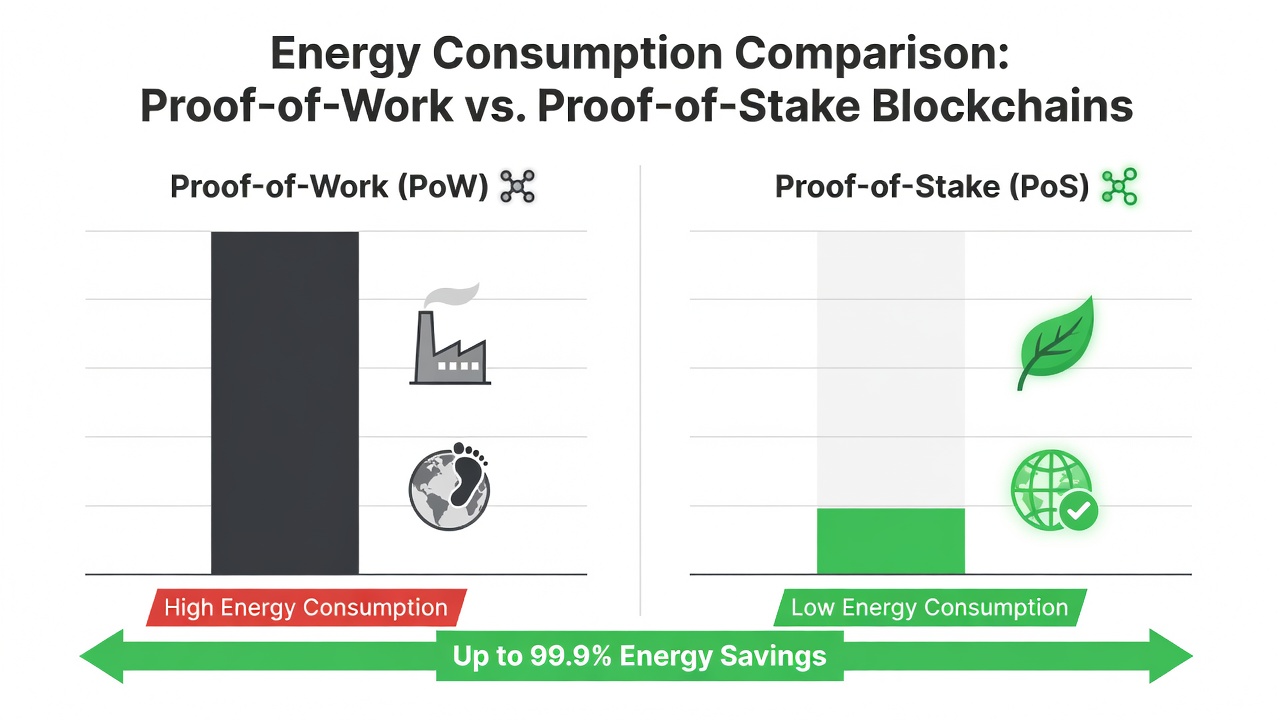
Proof-of-Work (PoW) remains the foundational consensus model for networks like Bitcoin, where miners compete to solve complex cryptographic puzzles using specialized hardware. This process demands enormous electricity consumption, often comparable to the annual usage of small countries. Studies from energy analysts highlight how PoW operations contribute significantly to carbon emissions when powered by fossil fuels. In contrast, Proof-of-Stake (PoS) eliminates energy-heavy mining by selecting validators based on the amount of cryptocurrency they hold and are willing to stake as collateral. Other efficient alternatives include Proof-of-Authority, which relies on pre-approved validators, and Directed Acyclic Graph (DAG) structures that enable parallel transaction processing with minimal energy overhead.
The shift from PoW to PoS brings measurable benefits beyond energy savings, including faster transaction finality and reduced hardware requirements. However, critics note potential centralization risks if large stakeholders dominate. Hybrid models combining elements of both approaches are gaining traction in 2026 as projects seek balanced solutions. Ethereum serves as a prominent case, having transitioned years earlier and achieving substantial efficiency gains that continue to influence new chain designs.
Comparing Energy Efficiency Across Leading Mechanisms
When evaluating mechanisms side by side, energy consumption per transaction reveals stark differences. PoW networks may require hundreds of kilowatt-hours for a single confirmation, while optimized PoS systems operate on fractions of that amount. Additional factors include network security, scalability, and ease of participation. Developers must weigh these trade-offs during architecture planning. For instance, layer-2 solutions built atop efficient base layers further reduce on-chain load by handling computations off the main chain before settling final states.
Real metrics from 2026 deployments show PoS networks achieving 95-99% lower energy use without compromising decentralization or security guarantees. These comparisons help investors and users identify projects aligned with environmental goals.
Real-World Examples of Projects Reducing Carbon Footprints
Leading blockchain initiatives demonstrate practical sustainability in action. Cardano incorporates peer-reviewed research into its PoS implementation, emphasizing energy-conscious upgrades through community governance. Algorand has pursued carbon-negative operations by integrating verified offset programs directly into protocol incentives. Tezos leverages on-chain voting to prioritize low-energy enhancements, allowing rapid adaptation to emerging green technologies.
Additional projects explore renewable integration, such as validator nodes powered exclusively by solar installations or wind farms. These examples illustrate how technical choices intersect with operational decisions to deliver tangible environmental improvements while maintaining high throughput and user accessibility.
Regulatory Incentives and Policy Support for Green Crypto in 2026
Governments and international bodies are actively shaping the landscape through targeted policies. The European Union's Markets in Crypto-Assets (MiCA) framework mandates sustainability disclosures, creating compliance advantages for low-impact projects. In North America, proposed legislation offers tax benefits for verifiable emission reductions. Asian markets are piloting green certification programs that attract institutional capital to sustainable chains. These incentives accelerate adoption by aligning financial rewards with environmental performance, encouraging broader industry participation.
Developers and projects that proactively adopt reporting standards position themselves favorably for future funding and partnerships. Monitoring evolving regulations remains essential for long-term viability.
Case Studies of Carbon-Negative Blockchain Networks
Examining specific successes provides deeper insight. One prominent PoS network achieved carbon-negative status by combining efficient consensus with large-scale reforestation partnerships and renewable energy credits allocated to validators. Another initiative utilized zero-knowledge proofs to compress transaction data, cutting energy requirements per operation dramatically while preserving privacy and security. A third example involves a layer-1 chain that incentivizes validators to source power from certified green providers through dynamic reward multipliers. These case studies underscore the importance of combining protocol-level efficiency with strategic ecosystem initiatives.
Practical Steps for Developers to Build Low-Impact Protocols
Implementing sustainable practices requires deliberate planning across multiple stages:
- Conduct early-stage audits of consensus options, prioritizing PoS or DAG architectures and documenting expected energy profiles before coding begins.
- Incorporate real-time carbon tracking tools via established APIs to monitor validator emissions and generate transparent reports for stakeholders.
- Optimize smart contract logic to minimize storage and computational demands, reducing overall network load and associated energy costs.
- Establish partnerships with renewable energy suppliers for validator infrastructure, including contractual commitments to green power sources.
- Integrate layer-2 scaling from the outset for high-volume use cases, offloading transactions to efficient side systems while preserving base-layer integrity.
- Educate team members through workshops on sustainable design patterns and participate in open-source green blockchain communities for shared best practices.
Beginners can experiment safely on public testnets using established PoS frameworks, gradually scaling to production environments. Advanced developers may customize governance modules that tie staking rewards to verified sustainability metrics, fostering continuous improvement.
Debunking Persistent Myths Surrounding Sustainable Crypto
Several misconceptions persist despite growing evidence. One common claim suggests green blockchains sacrifice security for efficiency; however, modern cryptographic techniques and economic slashing mechanisms provide robust protections comparable to legacy systems. Another myth asserts that sustainability initiatives impose unsustainable costs, yet operational savings from reduced energy often recoup investments rapidly. Finally, the notion that all cryptocurrencies share identical environmental impacts ignores the wide variance between chains, with many newer projects operating at minimal fractions of traditional consumption levels.
FAQs on Long-Term Viability and Participation
Are sustainable blockchains viable over the next decade?
Yes, projections indicate continued growth as renewable energy costs decline and efficiency innovations compound. Major networks are already demonstrating scalable, low-impact models that support mass adoption.
How can individuals measure a project's environmental impact?
Public dashboards from chains like those using PoS often publish energy-per-transaction data. Third-party auditors and regulatory filings provide additional verification layers.
What resources exist for developers new to green protocols?
Open documentation from established projects, community forums, and academic papers on efficient consensus offer starting points. Experimentation on test environments builds practical skills quickly.
Emerging Trends and Concluding Insights
Looking ahead, artificial intelligence integration for dynamic energy optimization in validator networks and standardized environmental, social, and governance reporting frameworks are expected to mature rapidly. International Energy Agency insights on global electricity trends further contextualize why efficiency matters. Sustainable practices have transitioned from niche considerations to core competitive advantages. By embracing these approaches, the crypto sector can address environmental critiques while unlocking new opportunities for innovation and trust. Whether evaluating investments, developing protocols, or simply participating as a user, prioritizing low-impact solutions contributes to a more resilient and responsible ecosystem for years to come.


No comments yet. Be the first!