 CryptoChain Blog
Introduction to Blockchain Energy Trading in 2026
Blockchain technology is transforming energy markets by enabling peer-to-peer (P2P) trading of renewable power. In 2026, crypto investors and energy professionals are increasingly exploring these decentralized systems to buy, sell, and tokenize electricity. This comprehensive guide provides actionable steps for joining these markets while addressing platforms, incentives, regulations, security considerations, and risks in depth. The convergence of distributed ledger technology with renewable energy infrastructure opens new avenues for efficiency, transparency, and financial inclusion across global grids.
Traditional energy trading relies on centralized utilities and lengthy settlement processes. Blockchain removes intermediaries by recording transactions on immutable ledgers, allowing real-time verification and settlement. Investors benefit from fractional ownership of energy assets, while professionals gain tools to optimize grid balancing and reduce waste. Understanding these fundamentals is essential before diving into specific platforms or protocols.
Understanding P2P Trading Platforms
P2P energy trading platforms use blockchain to connect producers and consumers directly. Participants trade solar or wind energy credits without traditional utilities as intermediaries. Real-world examples include pilots in Australia and Germany where households sell excess rooftop solar power via tokenized transactions. These systems integrate smart contracts that automatically execute trades when predefined conditions such as price thresholds or supply availability are met.
Platforms often connect with IoT-enabled smart meters that feed live production and consumption data onto the chain. This creates transparent audit trails and minimizes disputes. Liquidity pools formed by token holders further support continuous trading even during low-activity periods. New entrants should evaluate platform user interfaces, supported energy types, and geographic coverage to match their operational needs.
Token Incentives and Their Role
Many networks issue utility tokens that grant governance rights or fee discounts. Participants earn rewards for staking assets or providing data on energy production. This model aligns incentives between energy producers and crypto holders seeking yield. Token economics typically include mechanisms like burning fees or redistributing rewards to long-term holders, which can stabilize value over time.
Utility-scale pilots, such as those involving microgrids in Southeast Asia, demonstrate how tokens can represent fractional ownership of solar farms, allowing smaller investors to participate. Rewards may also come from carbon credit tokenization, adding another revenue stream. However, participants must monitor inflation risks and vesting schedules that affect long-term holdings.
Regulatory Differences: Europe vs Asia
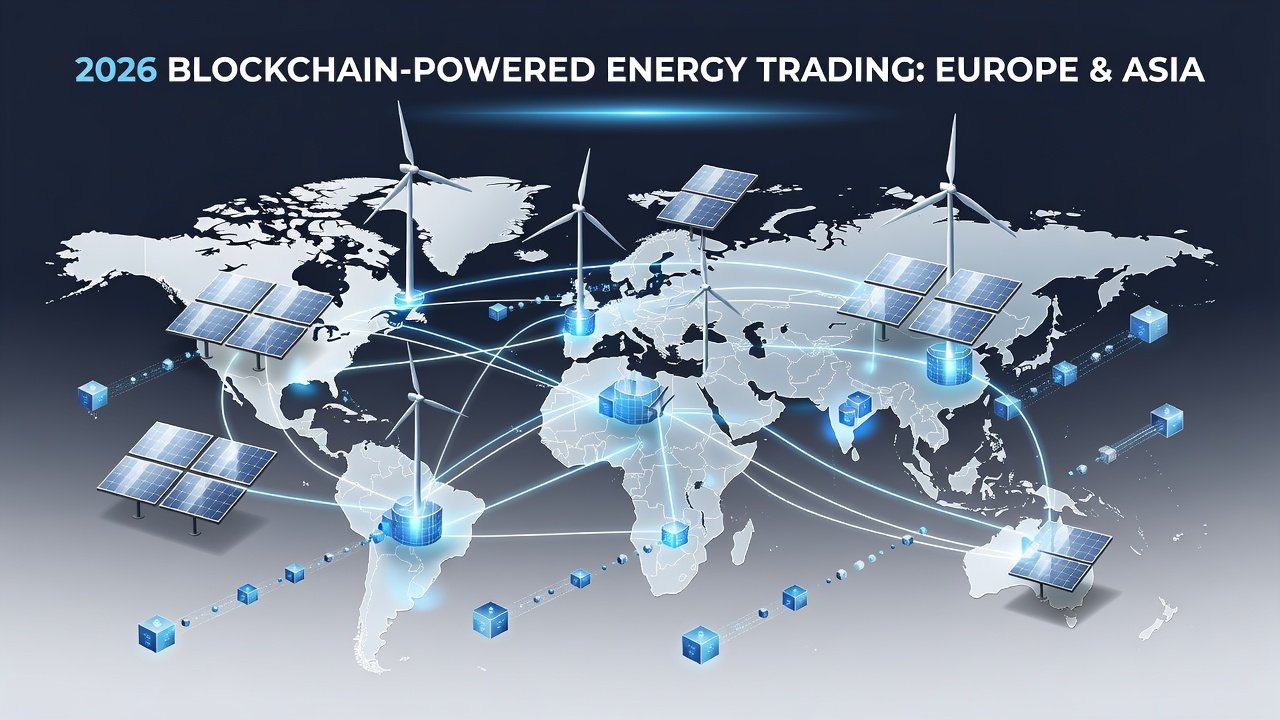
Europe maintains strict frameworks under the EU's Markets in Crypto-Assets regulation, emphasizing consumer protection and grid stability. European Commission energy policies require licensing for large-scale trading and emphasize interoperability with existing transmission systems. National variations exist; Germany focuses on renewable integration while France prioritizes nuclear compatibility with blockchain pilots.
In contrast, parts of Asia, including Singapore and South Korea, offer sandbox environments that accelerate innovation with lighter initial oversight. Singapore's regulatory approach encourages cross-border energy token experiments, whereas South Korea emphasizes data privacy in trading apps. Professionals must review local rules before entry, as compliance affects platform availability and tax treatment of tokenized energy assets. Consulting regional legal experts helps avoid costly missteps.
Utility-Scale Pilots and Real Examples
Several large projects highlight practical adoption. One European microgrid pilot uses blockchain for balancing supply from offshore wind farms, achieving faster dispute resolution through transparent ledgers. In Asia, a Singapore-based consortium tokenizes excess industrial energy for trading across borders, demonstrating reduced transaction costs and faster settlements compared to legacy systems.
Additional examples include Australian community solar projects that reward participants with tokens redeemable for grid credits. These cases illustrate scalability challenges such as handling peak loads and integrating with legacy SCADA systems. Readers should examine project whitepapers for details on scalability, integration with existing grids, and measured outcomes from live deployments.
5-Step Evaluation Checklist for Protocols
Before committing funds or energy assets, follow this repeatable checklist that incorporates security audits and liquidity analysis:
- Assess protocol security through independent audits from firms like Certik or Quantstamp. Review audit reports for vulnerabilities in smart contracts and ensure remediation has occurred.
- Evaluate liquidity by reviewing on-chain trading volumes and depth on decentralized exchanges. Low liquidity increases slippage risks during large trades.
- Review tokenomics for sustainable incentive structures that avoid excessive inflation. Analyze emission schedules and utility within the energy ecosystem.
- Check regulatory alignment in your target jurisdictions, including licensing requirements and reporting obligations.
- Test the platform with small transactions to verify user experience, settlement speed, and customer support responsiveness.
Applying this checklist repeatedly across different protocols helps identify robust opportunities while flagging potential pitfalls early.
Comparisons of Top Networks
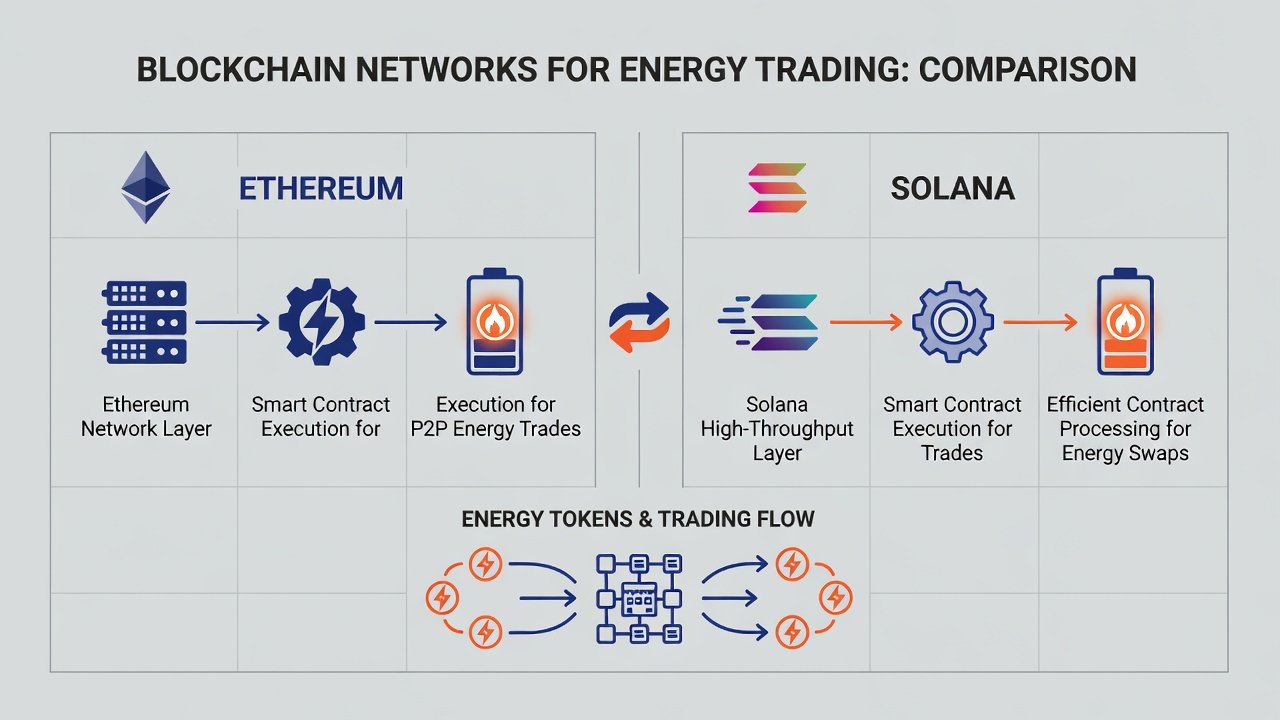
Ethereum remains popular for its robust smart contract ecosystem but faces higher fees during congestion. Layer-2 solutions improve accessibility for energy trades by reducing costs and increasing throughput. Solana offers faster throughput suitable for high-frequency micro-transactions in P2P setups, making it attractive for real-time household trading. Emerging networks focused on energy-specific chains prioritize low energy consumption for proof-of-stake validation and include built-in oracle integrations for accurate meter data.
Compare these based on your needs: speed for real-time trading versus security for larger holdings. Factors such as developer activity, ecosystem partnerships with utilities, and historical uptime should influence selection. Cross-chain bridges may be necessary when assets span multiple networks.
Practical Steps to Get Started
Begin by selecting a compliant wallet that supports the chosen network and enables secure key management. Acquire the necessary tokens via reputable exchanges after completing required verification. Connect to a verified P2P platform, complete KYC where mandated, and link your smart meter or energy data source. Monitor positions using on-chain analytics tools and adjust based on energy market signals such as weather forecasts or demand spikes. Regularly review security settings and participate in governance votes when tokens grant voting rights.
Mistakes to Avoid
Common errors include ignoring liquidity risks, which can trap capital during market stress, and skipping security audits that expose contract flaws. Overlooking regional tax rules often leads to compliance issues later. Diversify across a few vetted platforms rather than concentrating exposure in a single pilot project.
FAQ Section
How do I set up a wallet for energy trading?
Choose a non-custodial wallet compatible with your network, back up the seed phrase securely offline, and fund it with the base cryptocurrency for gas fees. Test small transfers first to confirm functionality.
What are typical fees involved?
Fees vary by network congestion and platform; expect variable transaction costs plus any protocol-specific charges for trading or staking. Always review current fee schedules on the platform dashboard.
How are taxes handled on energy token trades?
Tax implications depend on jurisdiction. Generally, gains from token sales are treated as capital gains. Consult local tax authorities or advisors, as rules evolve with blockchain adoption. International Energy Agency reports provide context on policy trends.
What security measures protect my energy assets?
Use hardware wallets for larger holdings, enable multi-signature approvals, and verify all smart contract interactions through official channels. Enable two-factor authentication on connected accounts.
Conclusion
Blockchain energy trading in 2026 presents opportunities for diversified portfolios and sustainable practices. By following the outlined steps, checklist, regulatory considerations, and network comparisons, participants can navigate these markets responsibly. Continuous learning through pilot updates and community governance ensures long-term success while managing associated risks effectively.
No comments yet. Be the first!