 CryptoChain Blog
Introduction to Energy Token Trading in 2026
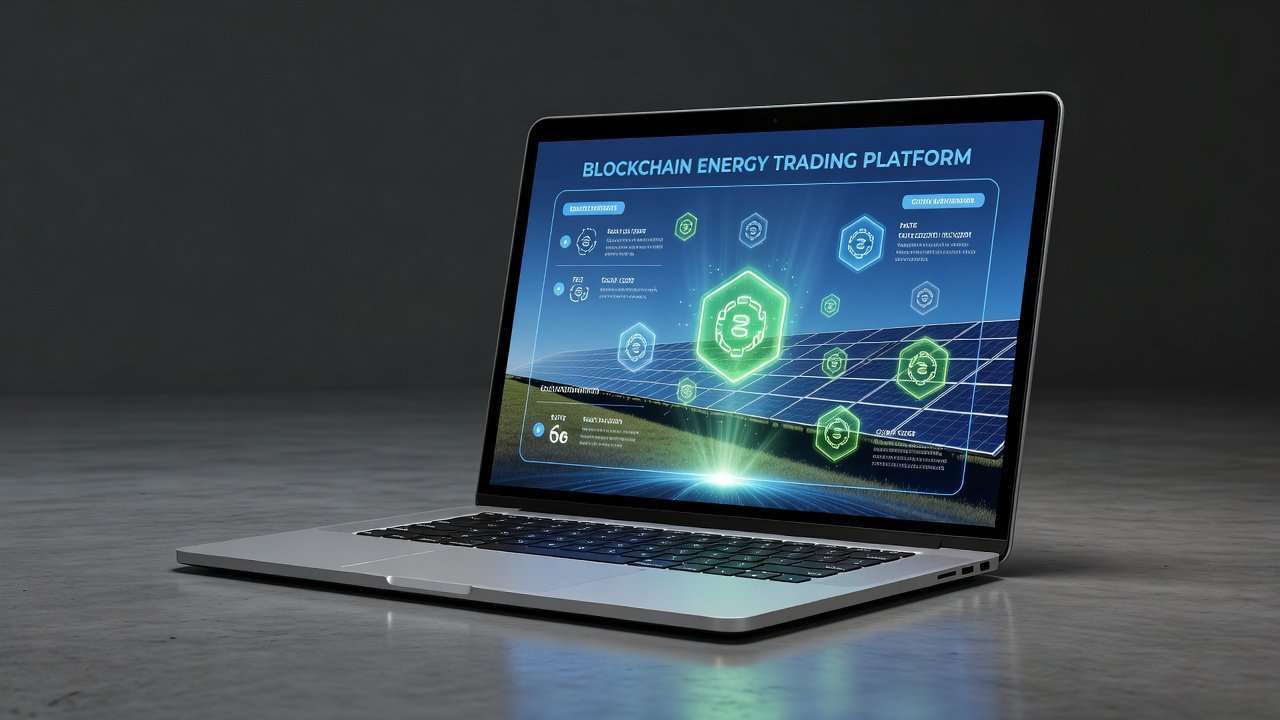
Energy tokens represent a growing intersection of blockchain technology and renewable energy markets. In 2026, crypto investors are increasingly turning to these digital assets to participate in peer-to-peer (P2P) energy trading. This comprehensive guide provides actionable steps for onboarding, wallet setup, staking mechanics, and risk management, drawing on real pilot projects in Europe and Asia. Energy tokens typically represent units of electricity or renewable energy certificates tokenized on blockchain networks. They enable direct trading without traditional intermediaries, aligning with broader 2026 crypto news trends around decentralized finance and sustainability. Investors benefit from transparent pricing, faster settlements, and the ability to support green energy initiatives directly through token ownership.
As blockchain adoption accelerates, energy token markets are projected to expand significantly. Participants can trade excess solar or wind power in real time, creating new revenue streams for producers and cost savings for consumers. This article covers everything from basic wallet configuration to advanced regulatory compliance, ensuring readers have the tools needed for successful entry into this sector.
Setting Up Your Wallet for Energy Token Transactions
Begin with a secure, non-custodial wallet that supports the relevant blockchain. Popular choices include MetaMask for Ethereum-based tokens or specialized wallets like those compatible with Energy Web Chain. Create a new wallet by following the provider's secure setup process. Enable two-factor authentication and hardware wallet integration where possible. Back up your seed phrase offline in multiple secure locations. Test with a small transaction before scaling up to larger amounts. Always verify contract addresses and avoid sharing private keys. For energy-specific tokens, ensure compatibility with oracles that feed real-world energy data into the blockchain. This foundational step prevents common errors that could lead to lost funds or failed trades.
Step-by-Step Onboarding to P2P Energy Trading Platforms
1. Research and select a regulated P2P platform that lists energy tokens. Verify licensing and user reviews from independent sources.
2. Complete KYC verification using government-issued ID and proof of address.
3. Deposit funds via supported cryptocurrencies or fiat on-ramps, starting with minimal amounts.
4. Browse available energy token listings from European solar pilots or Asian wind farm projects, comparing prices and volumes.
5. Execute trades using smart contracts for atomic settlement, confirming all details before finalizing.
6. Monitor your portfolio through platform dashboards and set alerts for market movements.
European examples include pilots in Germany and the Netherlands where households trade excess solar power directly. In Asia, Singapore and Japan have launched blockchain-based energy marketplaces connecting producers and consumers directly, often integrating with national grids for seamless token-to-energy conversion. These real-world cases demonstrate how tokenization reduces friction in traditional energy markets.
Understanding Token Staking Mechanics
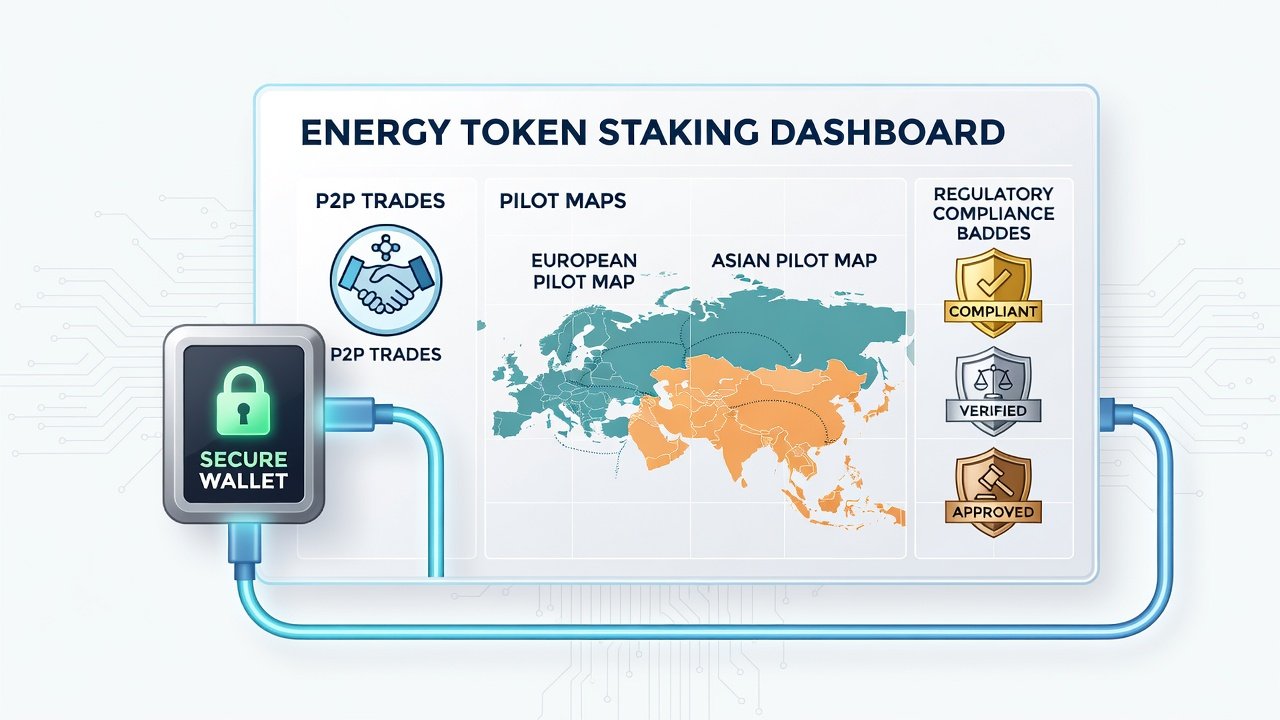
Staking energy tokens allows holders to earn rewards by securing the network or providing liquidity. Lock tokens in a staking contract for a defined period, typically 30 to 90 days. Rewards are distributed proportionally based on network performance and energy production data. Always review the annual percentage yield and lock-up terms before committing. Advanced users can explore delegated staking or liquidity pools that combine energy tokens with stablecoins for balanced risk. Performance depends on factors like grid demand and token velocity, making ongoing monitoring essential.
Regulatory Checkpoints: EU and Asian Updates
Stay compliant with evolving rules. In the EU, the Markets in Crypto-Assets (MiCA) framework requires platforms to register and disclose risks. Check the latest guidance from the European Commission. Asian regulators in Singapore and South Korea emphasize anti-money laundering controls and investor protection. Review updates from local financial authorities before trading. Additional resources include the Monetary Authority of Singapore for licensing details and compliance checklists. Failure to follow these checkpoints can result in account restrictions or legal penalties, so integrate regulatory reviews into your regular trading routine.
Risk Management Tactics for Energy Token Traders
Energy token markets can be volatile due to weather dependencies and regulatory shifts. Use these tactics to protect your investments:
- Diversify across multiple tokens and regions to reduce exposure to localized events.
- Set stop-loss orders on exchanges and use limit orders for entries.
- Monitor real-time energy production data feeds integrated via oracles.
- Allocate only a small portfolio percentage to this asset class initially.
- Rebalance quarterly based on performance benchmarks from live networks.
- Maintain detailed records of all transactions for tax and audit purposes.
- Educate yourself continuously through official documentation and community forums.
Comparison of Top Energy Token Protocols
Key protocols differ in consensus mechanisms, energy focus, and scalability. Compare factors such as transaction speed, staking yields, and integration with renewable sources. Leading options often prioritize proof-of-stake variants tailored for energy data oracles. For instance, some protocols excel in European grid integrations while others focus on Asian microgrid applications. Evaluate transaction fees, security audits, and community governance models before choosing a protocol. A side-by-side analysis reveals trade-offs between speed and decentralization that directly impact trading efficiency.
Practical Checklists for Energy Token Traders
To boost completion rates and avoid pitfalls, follow these checklists: Pre-trade checklist includes wallet security verification, platform licensing confirmation, and small test transactions. Post-trade checklist covers reward claiming, portfolio rebalancing, and regulatory reporting. Monthly review checklist involves analyzing network benchmarks, updating risk parameters, and exploring new pilot projects in emerging markets.
Performance Benchmarks from Live Networks
Recent pilots demonstrate settlement times under 10 seconds with high uptime across multiple continents. Benchmarks vary by network load and energy source type, with solar-focused tokens often showing stronger performance during peak daylight hours. Track these metrics through public dashboards to inform your trading decisions and adjust strategies accordingly.
FAQ: Common Pitfalls and Performance Benchmarks
What are the most common onboarding mistakes? Skipping KYC or using unverified platforms leads to account freezes. Always start with small test trades and double-check contract addresses.
How do live network benchmarks look? Recent pilots show settlement times under 10 seconds with high uptime, though exact yields fluctuate with market conditions and should be monitored continuously.
Are there tax implications? Yes, consult local rules as energy token trades may trigger capital gains reporting in both EU and Asian jurisdictions. Maintain accurate records from day one.
How can beginners avoid liquidity issues? Stick to established platforms with high trading volumes and avoid niche tokens until you gain experience.
Conclusion
Trading energy tokens offers crypto investors a practical way to engage with sustainable blockchain applications in 2026. Follow the checklists and steps above to navigate platforms confidently while managing risks effectively. Continuous education and disciplined execution will help maximize opportunities in this evolving market.
No comments yet. Be the first!