 CryptoChain Blog
Introduction to Blockchain Energy Trading Evaluation in 2026
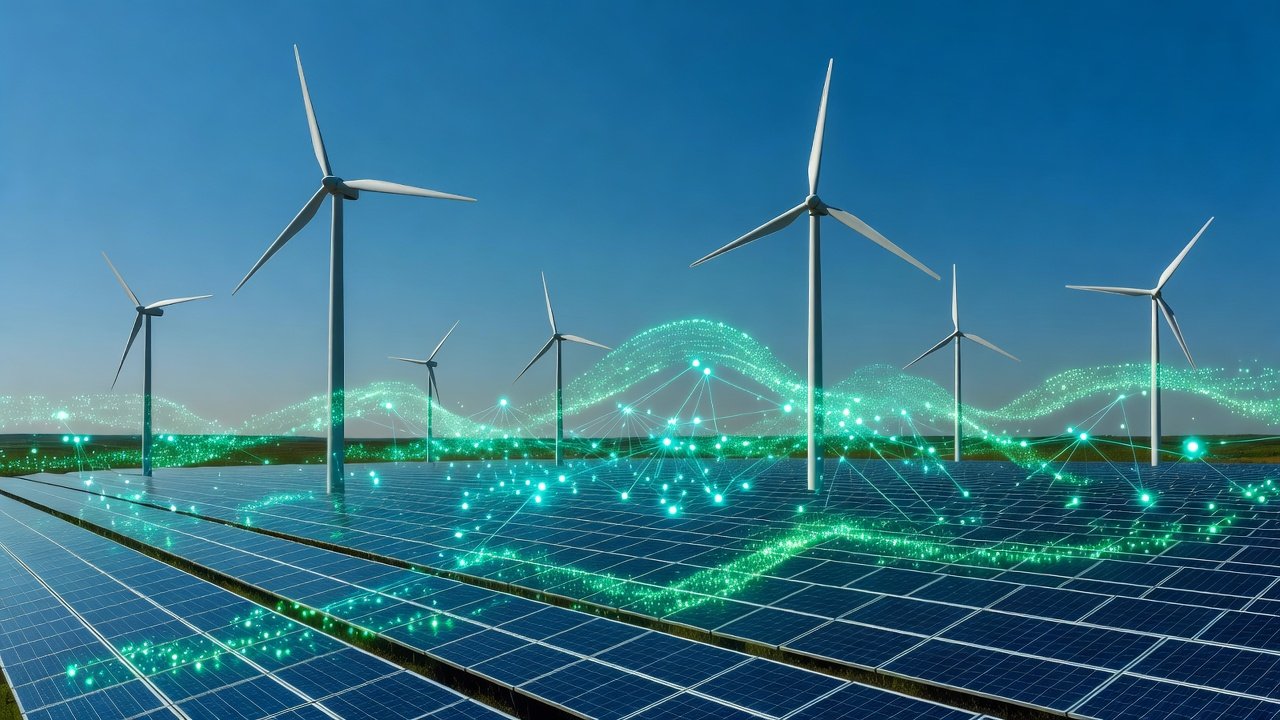
Blockchain technology is transforming peer-to-peer (P2P) energy trading by enabling direct transactions between producers and consumers without traditional intermediaries. As 2026 unfolds, investors need a structured approach to evaluate new projects focused on P2P markets and token incentives. This guide provides a comprehensive framework that emphasizes tokenomics, regulatory alignment, audit transparency, and real-world adoption signals. The global push toward decentralized energy systems has accelerated, with blockchain platforms now handling millions of micro-transactions daily across renewable sources. Investors who understand the nuances of these systems can identify projects with lasting utility rather than short-term hype.
Successful projects integrate renewable sources like solar and wind into decentralized grids, using tokens to incentivize participation. However, not all initiatives deliver sustainable value. Investors must scrutinize underlying mechanics to avoid pitfalls in scalability and grid integration. In 2026, the landscape includes both established pilots scaling up and new entrants promising advanced features such as AI-optimized trading and cross-border settlements.
Understanding P2P Markets and Token Incentives
P2P energy trading platforms allow households with solar panels to sell excess power directly to neighbors. Blockchain ensures transparent, immutable records of these trades. Token incentives reward users for contributing energy, maintaining the network, or providing liquidity. These incentives often take the form of governance tokens or energy-backed credits that can be redeemed for discounts on utility bills or future trades.
In 2026, effective token models balance supply and demand while aligning with energy market dynamics. Projects that tie token value to actual energy volumes traded tend to show stronger utility. For example, a platform might issue tokens proportional to kilowatt-hours exchanged, creating a direct link between network activity and token demand. This approach reduces speculation and encourages genuine participation from prosumers who both produce and consume energy.
Core Evaluation Criteria
Tokenomics Analysis
Examine token supply, distribution, and utility. Strong projects feature clear vesting schedules for team tokens and mechanisms that prevent inflation. Assess whether tokens grant governance rights or direct access to energy credits. Poor tokenomics often lead to volatility unrelated to energy performance. Key metrics include circulating supply versus total supply, token burn rates tied to transaction fees, and the percentage allocated to liquidity pools versus community rewards. Investors should model different scenarios, such as increased adoption during peak summer months when solar generation spikes, to test token stability.
Regulatory Alignment in Europe and Asia
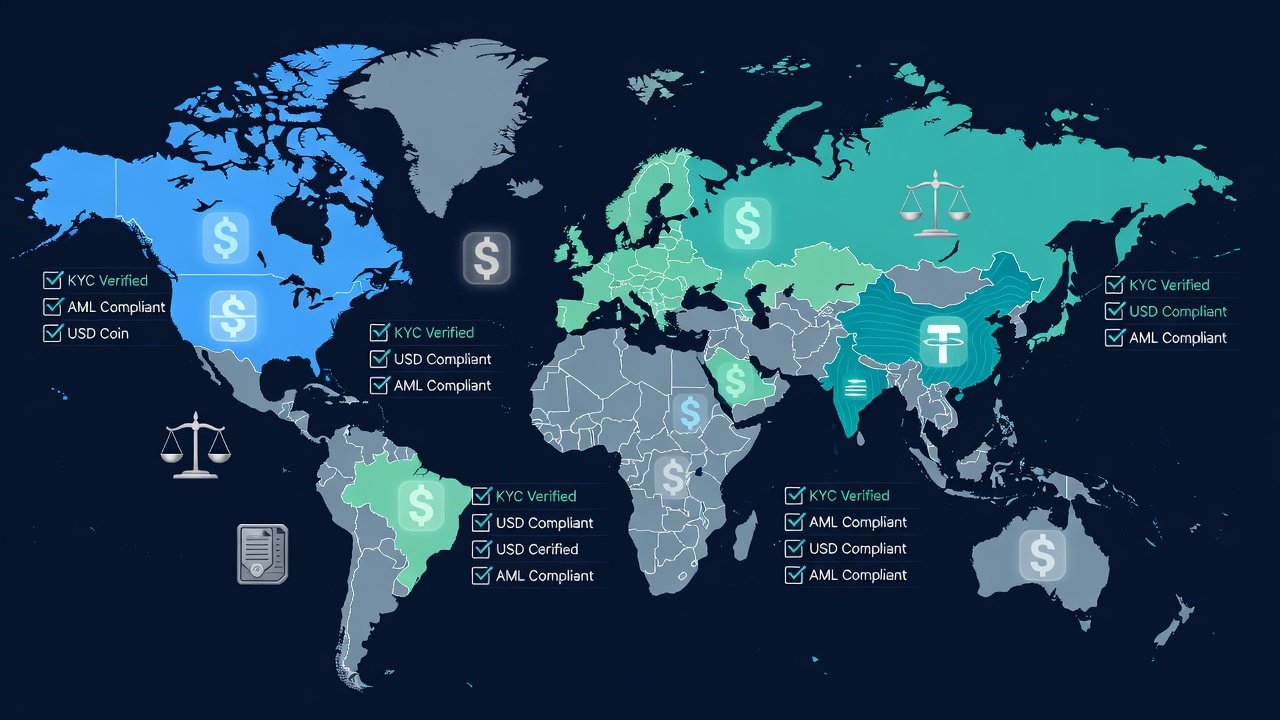
Europe maintains strict frameworks under the EU's Clean Energy Package. Projects must comply with data privacy rules and grid operator standards. European Commission energy policies emphasize consumer protection and renewable integration. In Asia, regulations vary: Singapore and Japan promote sandbox testing, while China focuses on state-controlled pilots. Alignment with local laws reduces legal risks significantly. Additional considerations include compliance with the EU's MiCA regulation for crypto assets and Asia's emerging carbon credit frameworks. Projects operating across borders must demonstrate clear jurisdictional strategies to avoid enforcement actions.
Audit Transparency
Independent audits of smart contracts and token economics are essential. Look for reports from reputable firms published publicly. Regular third-party reviews of energy metering accuracy build investor confidence. Beyond initial audits, ongoing monitoring through bug bounty programs and quarterly security assessments signals maturity. Investors should verify that audit findings have been addressed with code updates and that results are accessible via project dashboards.
Pilot Adoption Signals
Real utility appears in active pilots. Metrics include number of participating households, transaction volume, and integration with existing utilities. Projects with measurable energy savings or increased renewable uptake demonstrate viability. For instance, a successful European pilot might report a 25 percent reduction in transmission losses due to localized trading, while an Asian counterpart could highlight rapid onboarding of urban apartment complexes through mobile apps.
Side-by-Side Platform Comparisons
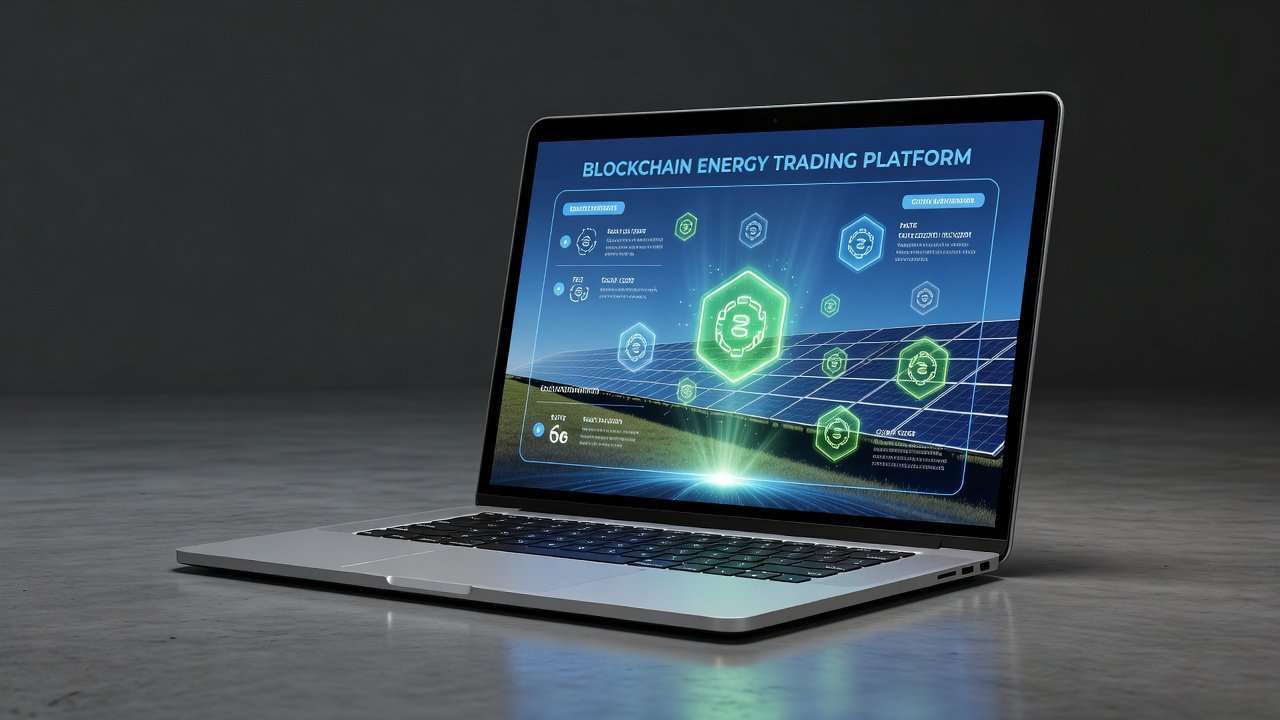
Consider established players alongside emerging 2026 entrants. One platform excels in European microgrids with strong regulatory compliance, while another focuses on Asian urban P2P networks emphasizing rapid token rewards. Real utility examples show one project achieving 15 percent higher participation rates through gamified incentives compared to competitors. Another initiative demonstrates seamless grid integration by partnering with national operators, reducing curtailment issues common in decentralized setups. When comparing platforms, evaluate user interfaces for ease of onboarding, supported payment rails, and the ability to handle variable renewable output. A third platform might offer superior cross-border capabilities but lag in local grid interoperability.

Key Risks: Scalability and Grid Integration Challenges
Scalability remains a concern as transaction volumes grow. Blockchain networks must handle high-frequency trades without congestion. Grid integration requires compatibility with legacy infrastructure, often involving complex APIs and forecasting tools. Projects ignoring these challenges face operational failures during peak demand. Investors should review technical roadmaps and stress-test results. Mitigation strategies include layer-2 scaling solutions and hybrid models that combine on-chain settlement with off-chain energy balancing. Grid operators increasingly demand real-time data sharing, so projects with proven API integrations to national control centers hold an advantage. Common pitfalls include underestimating peak load during extreme weather events or failing to account for regulatory changes in feed-in tariffs.
Practical Steps and Downloadable Checklist
Follow these steps when evaluating projects:
- Review whitepapers for token utility details and simulate token flows under various adoption scenarios.
- Verify regulatory filings in target regions through official government portals.
- Check audit histories on project websites and cross-reference with independent repositories.
- Analyze pilot data for adoption trends, focusing on retention rates beyond the initial signup period.
- Assess risk mitigation strategies for scalability, including partnerships with established energy firms.
- Engage with community forums to gauge sentiment and identify red flags such as delayed roadmap items.
A downloadable checklist covering these points helps systematize due diligence. Beginners should start with small test transactions on live platforms and gradually increase exposure while monitoring performance metrics.
Conclusion
Evaluating 2026 blockchain energy trading projects demands attention to tokenomics, regulations, transparency, and adoption. By applying this framework, investors can identify initiatives with genuine P2P utility while navigating risks effectively. Continuous monitoring and adaptation to evolving market conditions remain essential for long-term success.
FAQ: Common Evaluation Mistakes and Next Steps
What is the biggest mistake beginners make?
Overlooking regulatory differences between Europe and Asia often leads to compliance surprises and potential project shutdowns.
How do I start as a beginner?
Begin by studying public pilot reports and joining community discussions on verified platforms before committing capital.
Are token incentives always reliable?
Not always; focus on models backed by real energy transactions rather than speculative rewards that may collapse without underlying demand.
How important is grid operator partnership?
Extremely important, as seamless integration prevents curtailment and ensures consistent trading opportunities during variable renewable generation.
What tools help with ongoing monitoring?
Use on-chain analytics dashboards and regulatory news aggregators to track project health and policy shifts in real time.
No comments yet. Be the first!