 CryptoChain Blog
Introduction: Latin America's Rising Role in Global Crypto Adoption
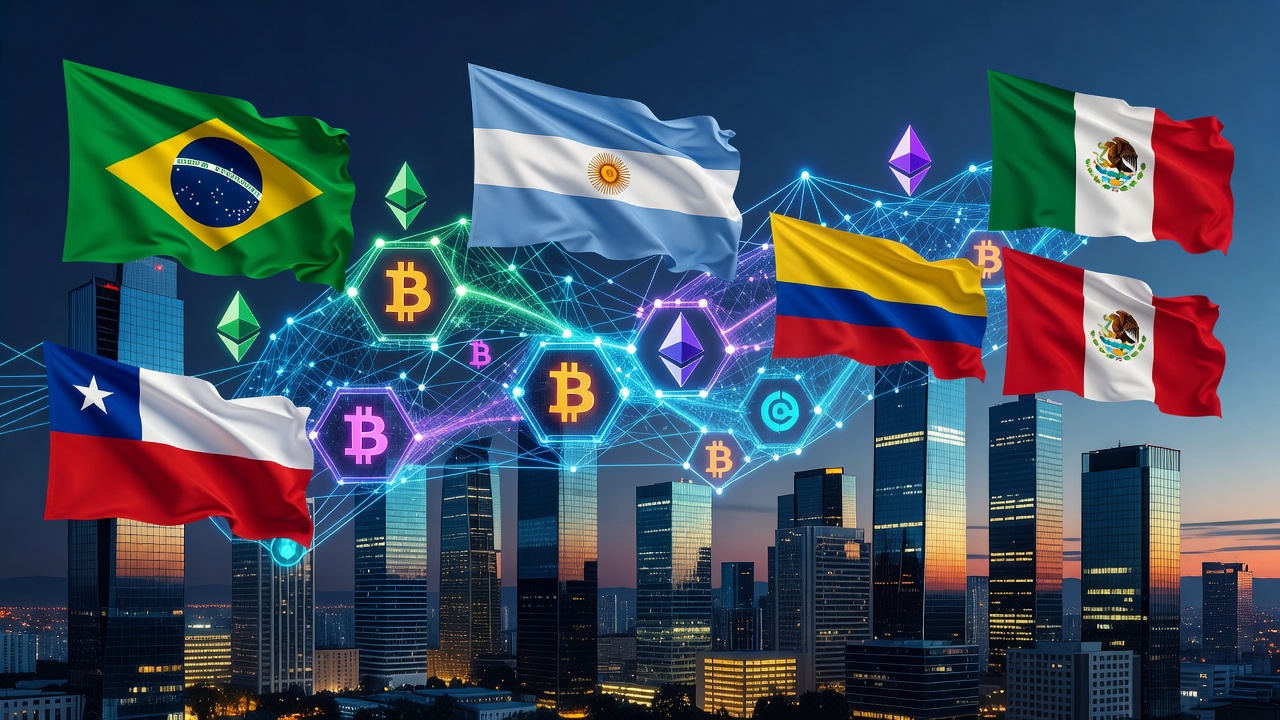
As 2026 unfolds, Latin America continues to demonstrate remarkable momentum in blockchain and cryptocurrency adoption. Countries across the region are leveraging digital assets to address economic challenges, enhance financial inclusion, and foster innovation. This surge aligns with broader search intent for emerging market updates and regulatory developments, offering forward-looking insights for enthusiasts and investors alike. The region's unique economic landscape, marked by inflation pressures and limited traditional banking access in some areas, has accelerated interest in decentralized solutions. Government policies, local startups, and major exchanges are playing pivotal roles in shaping this narrative, creating a dynamic ecosystem that attracts both retail users and institutional players.
Blockchain technology offers transparent, efficient alternatives to legacy systems, particularly in nations where remittances form a critical part of the economy. In 2026, adoption is no longer fringe but increasingly mainstream, supported by mobile-first strategies and improved internet penetration. This article examines the key drivers, real-world applications, and actionable insights for those seeking to understand or participate in this growth.
Government Initiatives Driving Blockchain in Brazil and Argentina
Brazil has positioned itself as a leader through progressive regulatory frameworks. The Central Bank of Brazil has advanced its digital real pilot, integrating blockchain technology to modernize payment systems. These efforts aim to streamline cross-border transactions and support local innovation hubs in São Paulo and beyond. Policymakers have also introduced tax incentives for blockchain companies, encouraging foreign investment while ensuring compliance with anti-money laundering standards.
Argentina, facing persistent economic volatility, has embraced crypto as a hedge. Recent policies encourage blockchain-based remittances and DeFi platforms, with the government exploring stablecoin integrations for public services. The administration has launched educational programs to promote digital literacy, helping citizens understand wallet security and transaction verification. Such initiatives reflect a shift toward digital infrastructure that bypasses traditional financial bottlenecks, allowing faster value transfer during periods of currency instability.
Expanding Adoption Across Mexico, Colombia, and Beyond
Beyond the headline countries, Mexico has seen strong uptake through regulatory sandboxes that allow fintech firms to test blockchain solutions. The government collaborates with private entities to develop supply-chain tracking systems using distributed ledgers, improving transparency in agriculture and manufacturing exports. Colombia follows a similar path, with initiatives focused on land registry digitization to reduce fraud and disputes in rural areas.
These national programs often intersect with regional trade agreements, creating opportunities for interoperable blockchain networks across borders. The result is a more connected Latin American digital economy that can compete globally while addressing local pain points such as high remittance fees and slow settlement times.
Local DeFi Growth Metrics and TradFi Integration
Decentralized finance in Latin America has seen organic expansion, with platforms enabling peer-to-peer lending and yield farming tailored to regional needs. Metrics indicate heightened activity in countries like Colombia and Mexico, where DeFi protocols facilitate access to credit for underserved populations. Total value locked in Latin American DeFi projects has grown substantially, driven by stablecoin usage for everyday transactions and savings.
Integration with traditional finance is accelerating as banks partner with blockchain firms. This hybrid model allows seamless on-ramps, blending fiat stability with crypto efficiency. Real-world examples include collaborations involving Binance and local exchanges like Mercado Bitcoin in Brazil, which offer compliant trading environments and custody solutions. Several commercial banks now provide crypto custody services alongside conventional accounts, signaling deeper convergence between legacy institutions and decentralized networks.
Real-World Examples from Exchanges and Startups
Major platforms such as Coinbase have expanded operations in the region, providing localized services and educational resources. Startups like Ripio in Argentina exemplify how blockchain solutions address remittance challenges, enabling faster and cheaper transfers across the continent. Lemon Cash combines crypto wallets with everyday spending tools, allowing users to pay for groceries or transport directly from digital asset balances while earning rewards.
Another standout is Bitso, which has grown into one of the largest exchanges serving multiple Latin American countries. Its focus on regulatory compliance and user-friendly interfaces has helped onboard millions of new participants. These examples highlight how innovation meets user demands in dynamic markets, often outpacing slower-moving traditional financial players.
Comparisons of Adoption Rates Versus North America
While North America leads in institutional investment and regulatory clarity in some aspects, Latin America's grassroots adoption often outpaces in terms of user growth per capita. Factors such as mobile penetration and distrust in legacy systems contribute to higher engagement rates in emerging economies. Retail participation in peer-to-peer trading and stablecoin usage is notably higher across much of Latin America compared with institutional dominance seen in the United States and Canada.
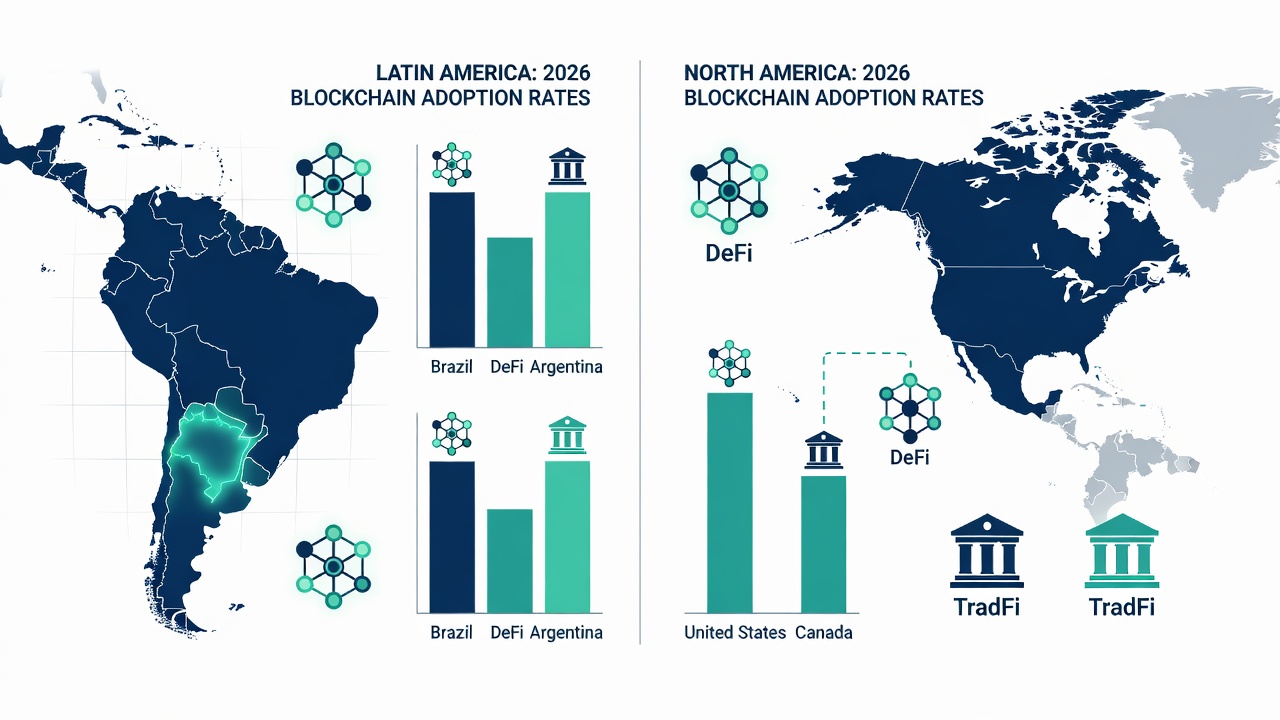
North American markets emphasize security tokens and enterprise blockchain, whereas Latin American trends favor accessible DeFi tools and remittance solutions. This divergence creates complementary opportunities for global investors monitoring cross-regional developments, as each region offers distinct strengths and risk profiles.
Practical Steps for Investors Monitoring Developments
Investors should begin by establishing reliable information channels and diversifying across compliant platforms. Key steps include:
- Tracking official regulatory announcements from bodies like Brazil's CVM and Argentina's CNV to anticipate policy changes.
- Using on-chain analytics tools to monitor transaction volumes, wallet growth, and stablecoin flows in key markets.
- Participating in community forums focused on Latin American projects while verifying sources through multiple independent channels.
- Considering partnerships with established exchanges for secure entry points and understanding local tax obligations before committing capital.
- Setting up alerts for funding rounds and partnership announcements from regional startups to identify early-stage opportunities.
These actions help navigate volatility and capitalize on emerging trends responsibly while maintaining a long-term perspective.
Addressing Risks, Opportunities, and Reliable News Sources
What are the primary risks in Latin American crypto markets?
Regulatory shifts and currency fluctuations pose challenges, yet many view them as catalysts for innovation. Diversification and due diligence remain essential to mitigate exposure to sudden policy reversals or macroeconomic events.
How can opportunities be identified?
Focus on sectors like remittances, supply chain, and decentralized identity where blockchain delivers tangible value. Monitoring startup funding rounds and pilot program announcements provides early signals of scalable projects.
Where to find reliable blockchain news sources?
Reputable outlets and institutional reports from organizations such as the World Bank, IMF, and Bank for International Settlements offer data-driven perspectives. Cross-reference with primary government releases and verified on-chain data for the most accurate picture.
Conclusion
Latin America's blockchain surge in 2026 underscores the region's potential to influence global crypto dynamics. By understanding government actions, DeFi expansions, and comparative advantages, stakeholders can make informed decisions. Continued vigilance and engagement with credible sources will be key to harnessing these developments effectively and responsibly.


No comments yet. Be the first!