 CryptoChain Blog
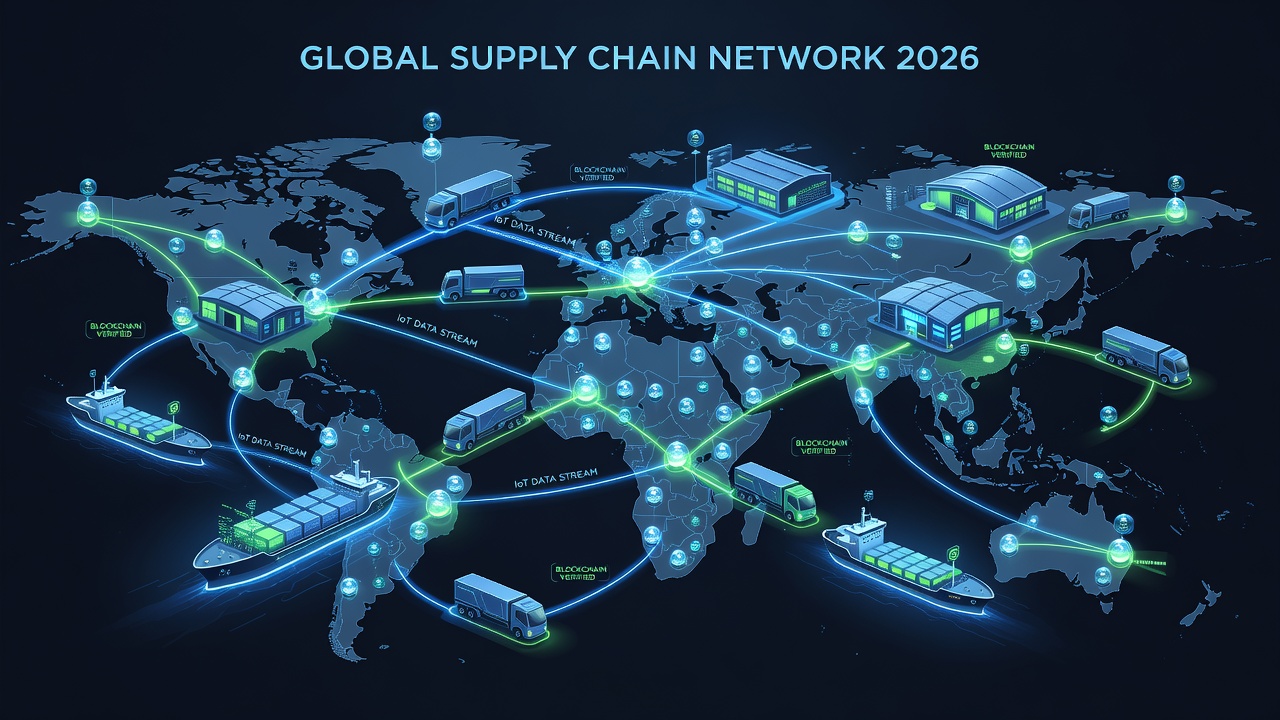
Introduction to 2026 Blockchain Supply Chain Innovations
In 2026, blockchain technology continues to drive transformative changes in global supply chains, offering professionals in logistics and crypto news seekers deeper transparency and efficiency. This evolution builds on distributed ledger principles to address longstanding issues in traceability and coordination across international borders. Companies now leverage these systems to create verifiable records that span from raw material sourcing to final delivery, reducing fraud and improving accountability at every stage. Business leaders are turning to blockchain not just for technological novelty but for its ability to integrate with emerging digital infrastructures that support sustainable practices and rapid adaptation to geopolitical shifts or climate-related disruptions.
The demand for such solutions stems from increasing consumer expectations around ethical sourcing and corporate responsibility. As supply chains grow more complex with multi-tier suppliers across continents, blockchain provides a decentralized framework that fosters collaboration without compromising data integrity. This article explores the key advancements, practical applications, and implementation considerations that make these innovations essential for forward-thinking organizations.
Enhanced Transparency via Real-Time Tracking
Blockchain enables immutable records of every transaction and movement within the supply chain. Stakeholders can access verified data instantly, reducing disputes and enhancing trust among partners. Real-time tracking minimizes delays by providing alerts on shipment status without relying on centralized databases prone to errors. For example, a manufacturer can monitor raw material shipments from mining sites in Africa to assembly plants in Asia, with each handoff timestamped and validated by network consensus. This level of visibility supports compliance with international standards and helps companies respond swiftly to market shifts or recalls, ultimately strengthening brand reputation through demonstrated reliability.
Furthermore, the transparency extends to environmental impact metrics, allowing firms to track carbon footprints associated with logistics routes and make data-driven adjustments. By embedding audit trails directly into the ledger, businesses avoid the common pitfalls of fragmented reporting that plague conventional methods.
Seamless Integration with IoT Devices
Internet of Things sensors paired with blockchain create automated data flows from physical assets to digital ledgers. Temperature monitors on perishable goods, for instance, record conditions directly onto the chain, ensuring authenticity and preventing tampering. Logistics firms benefit from predictive maintenance triggered by IoT-blockchain combinations, optimizing routes and reducing waste through precise environmental controls. In practice, this means a fleet of refrigerated trucks can transmit live location and climate data that triggers smart contracts to reroute shipments if thresholds are breached, all without human intervention.
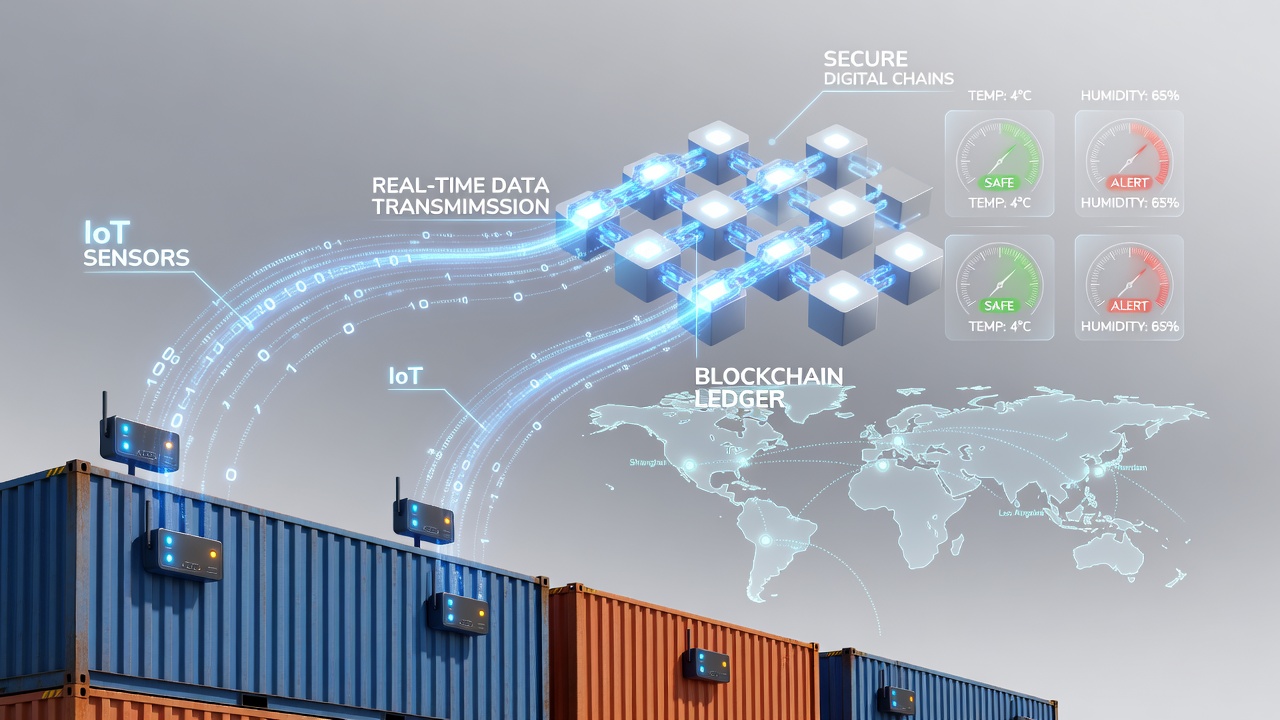
The synergy also supports advanced analytics, where aggregated IoT data on the blockchain reveals patterns in supply chain performance, enabling proactive inventory management and supplier evaluations. This integration reduces manual data entry errors and accelerates decision-making across global networks.
Comparing Blockchain to Legacy Systems
Traditional supply chain management often relies on siloed databases and manual reconciliations that lead to inefficiencies. Blockchain contrasts by offering a shared, tamper-proof source of truth that eliminates intermediaries and accelerates settlements. Legacy systems frequently suffer from version control issues and delayed information sharing, resulting in overstocking or stockouts during peak seasons. In contrast, blockchain facilitates permissioned access for authorized parties, streamlining workflows while maintaining security through cryptographic protocols.
While legacy setups may suffice for small operations, blockchain scales better for complex, multi-party networks involving suppliers, carriers, and regulators worldwide. Organizations transitioning often start with hybrid approaches that gradually migrate data layers to achieve full interoperability and long-term cost reductions in administration.
Case Studies from Leading Logistics Companies
Prominent players like those in shipping have piloted blockchain platforms to track container movements end-to-end. These initiatives demonstrate faster customs clearances and reduced paperwork through digitized documentation. For instance, major carriers have implemented distributed ledgers to share bill of lading information securely among ports, customs agencies, and freight forwarders, cutting processing times dramatically. Retail giants have similarly used the technology to verify product origins, strengthening consumer confidence in sourcing claims from farm to shelf, with examples including traceability for coffee beans and pharmaceuticals that meet stringent regulatory audits.
Another notable application involves automotive supply chains, where blockchain verifies the provenance of critical components like batteries for electric vehicles, ensuring compliance with material sourcing regulations and supporting circular economy initiatives through end-of-life tracking.
Navigating Regulatory Hurdles in Cross-Border Trade
Cross-border implementations face varying data privacy laws and digital asset classifications. Companies must align with frameworks from bodies like the World Bank to ensure interoperability. Additional considerations include aligning with standards promoted by organizations such as the World Economic Forum, which provide guidelines on digital trade facilitation. Proactive engagement with policymakers helps mitigate risks, fostering environments where blockchain solutions can expand without legal friction. Businesses are advised to conduct jurisdiction-specific legal reviews early in the planning phase to address issues like data residency requirements and electronic signature validity.
Scalability Solutions for Enterprise Adoption
Layer-two protocols and sharding techniques address throughput limitations, allowing networks to handle high-volume transactions efficiently. Hybrid models combining public and private chains further enhance performance for supply chain demands. These advancements make blockchain viable for large-scale deployments without compromising security or speed. Enterprises can also explore sidechain integrations that offload routine tracking tasks while preserving main chain immutability for critical records, enabling seamless handling of millions of daily events in high-velocity industries like e-commerce fulfillment.
Practical testing in controlled environments reveals that such solutions maintain low latency even under simulated peak loads, providing confidence for full rollout across extensive supplier ecosystems.
Practical Examples of Cost Savings
Organizations report streamlined processes that cut administrative overhead and inventory holding costs. By automating verification steps, teams redirect resources toward core activities, yielding sustainable efficiencies over time. In one documented logistics pilot, the elimination of duplicate paperwork and intermediary fees allowed for reinvestment in fleet modernization. Another example from the food distribution sector shows how blockchain-enabled recalls reduced waste by identifying affected batches more precisely, preserving margins and minimizing losses from broad-scale pullbacks.
Mistakes to Avoid in Implementation
Common errors include underestimating the need for stakeholder buy-in across the entire supply chain network. Rushing into full deployment without pilot testing can expose vulnerabilities in data governance. Additionally, overlooking ongoing maintenance of smart contracts or failing to train staff on new interfaces often leads to underutilization of the technology's potential. Companies succeed when they prioritize modular rollouts and establish clear governance frameworks from the outset.
Frequently Asked Questions on Implementation
- How long does initial setup take? Timelines vary but typically involve phased rollouts starting with pilot programs that can span three to six months before broader integration.
- What skills are needed for teams? Familiarity with distributed systems and basic cryptography supports smoother transitions, often supplemented by vendor training programs.
- Are there integration challenges with existing ERP software? API-based connectors often resolve compatibility issues effectively, though custom middleware may be required for legacy platforms.
- How does blockchain affect data privacy compliance? Permissioned networks allow granular control over visibility, aligning with regulations through selective disclosure mechanisms.
- What ongoing costs should businesses anticipate? Maintenance focuses on network fees and updates rather than hardware overhauls, with efficiencies offsetting initial investments.
Conclusion
Blockchain innovations in supply chains for 2026 present compelling opportunities for enhanced operations and resilience. Professionals exploring crypto news can leverage these developments to drive strategic advantages in their organizations through informed adoption strategies.


No comments yet. Be the first!