 CryptoChain Blog
Introduction to DePIN Energy Nodes in 2026
Decentralized Physical Infrastructure Networks (DePIN) continue to transform how energy is produced, distributed, and monetized. In 2026, energy-focused nodes allow participants to earn tokens by contributing real-world resources such as solar generation, battery storage, and smart-grid connectivity. This guide delivers actionable steps for crypto investors and energy professionals entering these networks. DePIN projects combine blockchain incentives with physical infrastructure, creating opportunities for individuals and businesses to monetize excess energy while supporting grid stability. As adoption grows, understanding the full lifecycle from hardware selection to ongoing compliance becomes critical for sustainable participation.
Hardware Requirements for Energy Nodes
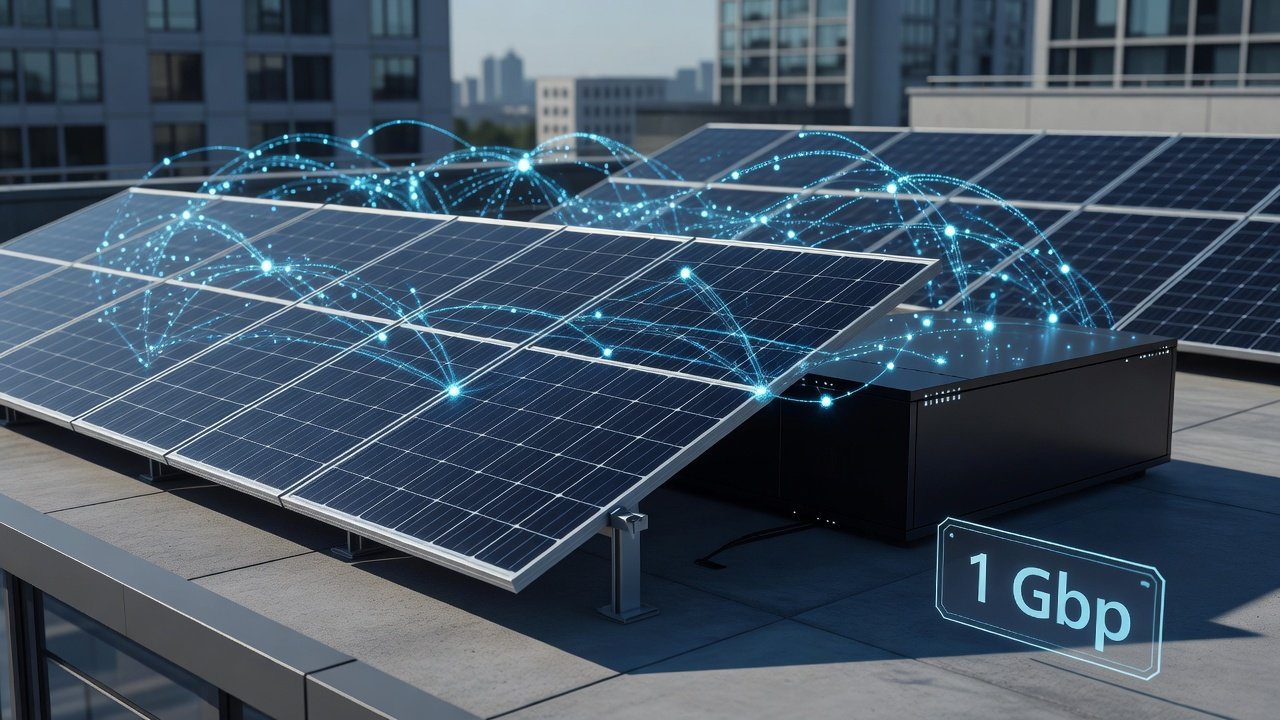
Successful deployment starts with reliable hardware. Typical setups combine solar inverters, lithium-ion batteries, and edge-computing devices with secure enclave chips. Minimum specifications include 5 kW solar capacity, 10 kWh storage, and a 1 Gbps internet connection for real-time telemetry. Nodes must support open protocols such as MQTT and LoRaWAN for wireless-energy hybrids. Additional considerations include weatherproof enclosures for outdoor components, redundant power supplies to maintain uptime during outages, and compatible smart meters that provide granular data on energy flows. Operators should also evaluate cooling systems for electronics in high-temperature climates and backup communication modules using cellular networks when primary internet fails. Choosing certified equipment from established manufacturers reduces compatibility issues and improves long-term reliability.
Tokenomics of Leading Protocols
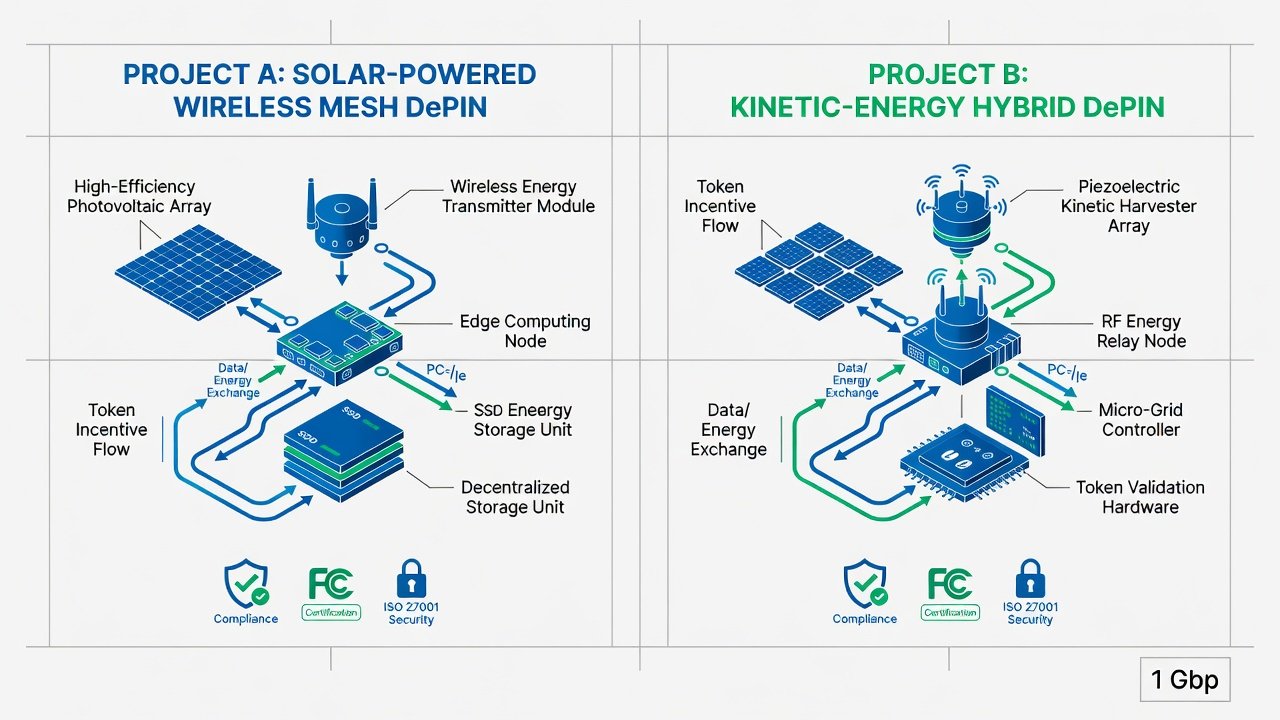
Major protocols reward node operators with native tokens for uptime and energy contribution. Emission schedules often follow halving cycles similar to Bitcoin, while governance tokens enable staking for network decisions. Participants should review whitepapers for inflation rates and utility mechanisms before committing hardware. Some networks allocate a portion of rewards to early adopters through liquidity mining programs, while others tie payouts directly to verified energy exported to the grid. Understanding vesting periods, slashing conditions for poor performance, and secondary market liquidity helps operators plan cash flow. Hybrid projects that integrate wireless data transmission alongside energy delivery often feature dual-token models where one token handles energy credits and another governs network upgrades.
US and EU Compliance Steps
Regulatory adherence is essential. In the United States, operators must register with the U.S. Department of Energy for interconnection standards and comply with FERC rules on distributed energy resources. State-level public utility commissions may require additional net-metering agreements. In the European Union, the European Commission directives on renewable energy and data privacy (GDPR) apply. Licensing, metering accuracy, and tax reporting on token rewards are mandatory in both regions. Practical steps include obtaining building permits for solar installations, completing environmental impact assessments where required, and filing annual reports on energy production. Operators should also maintain detailed records of token transactions for tax authorities, as rewards are typically classified as taxable income upon receipt.
Security Best Practices
Protect nodes with hardware security modules, regular firmware updates, and multi-factor authentication on all dashboards. Use VPNs for remote access and monitor for anomalous energy flow patterns that may indicate tampering. Regular audits of smart contracts governing rewards reduce smart-contract risk. Additional layers include physical security such as locked enclosures, intrusion detection sensors, and encrypted data transmission between the node and protocol servers. Operators are advised to implement role-based access controls so that family members or staff have limited permissions. Periodic penetration testing and participation in bug bounty programs offered by protocols can identify vulnerabilities before they are exploited.
Projected ROI Examples and Side-by-Side Comparisons
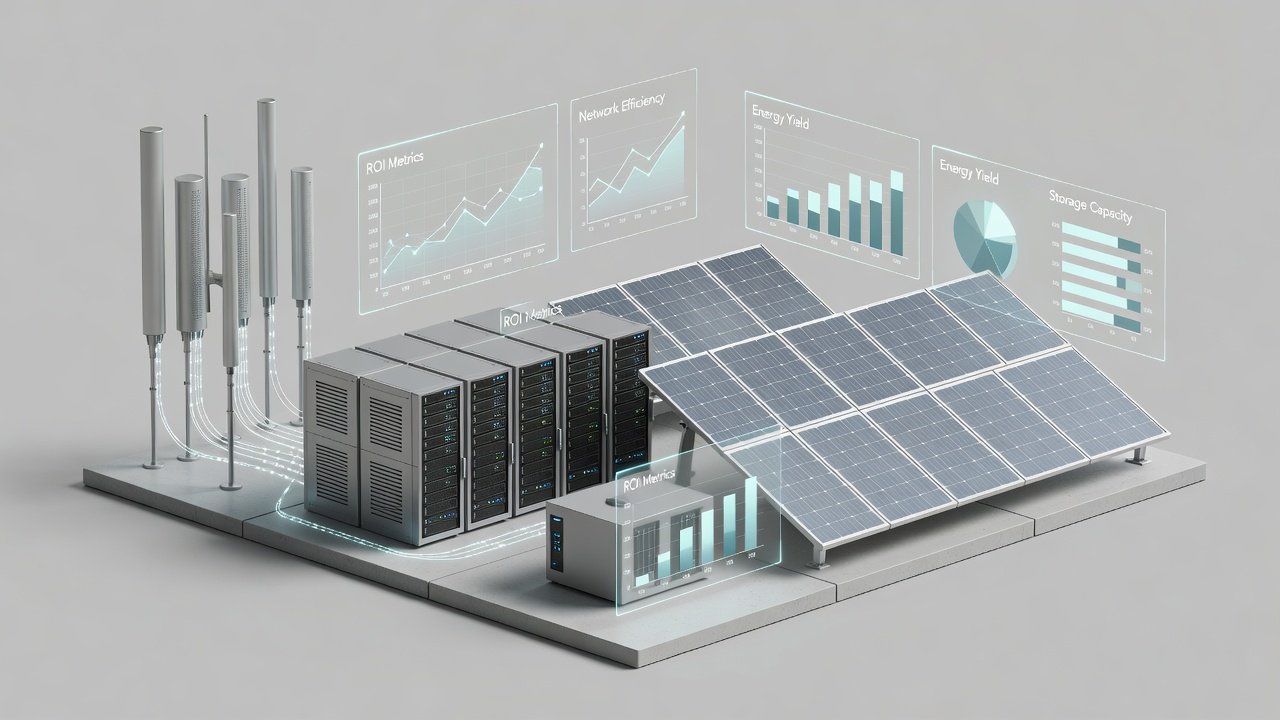
Wireless-energy hybrid projects differ in hardware cost, token velocity, and regulatory friction. Operators evaluating options should compare uptime guarantees, penalty structures, and integration ease with existing solar installations. Practical examples demonstrate payback periods varying by local electricity rates and token price stability. One protocol may emphasize rapid token distribution for quick liquidity, while another prioritizes long-term staking rewards with lower volatility. Side-by-side analysis reveals that projects focused on residential solar often require lower upfront capital but face stricter residential zoning rules, whereas commercial-scale deployments benefit from economies of scale yet encounter more complex permitting. Reviewing historical performance data from network explorers and community forums provides realistic expectations for returns based on current market conditions.
Step-by-Step Deployment Guide
Begin by conducting a site assessment to confirm solar exposure and grid connection feasibility. Next, procure and install hardware while ensuring all components meet local electrical codes. Configure the edge device with the chosen protocol’s software client, then register the node on the network dashboard using a dedicated wallet address. Test telemetry transmission for at least 72 hours before enabling reward claims. Finally, document all installation details for compliance records and schedule recurring maintenance checks.
Beginner Checklist
- Verify local zoning and interconnection permits
- Calculate total hardware and installation costs
- Review protocol token vesting and reward schedules
- Install monitoring software and set alerts
- Establish a dedicated wallet for rewards
- Schedule quarterly compliance reviews
- Confirm insurance coverage for equipment and liability
- Establish relationships with local electricians for ongoing support
Practical Troubleshooting Tips
Common issues include telemetry dropouts, inverter compatibility errors, and delayed reward claims. Start by checking network connectivity and firmware versions. If token rewards stall, confirm the node meets minimum uptime thresholds listed in the protocol dashboard. For regulatory queries, contact local energy authorities directly. Additional tips involve resetting the edge device during firmware conflicts, verifying smart meter calibration when production data appears inaccurate, and using protocol support channels for wallet synchronization problems. Keeping spare components such as fuses and communication modules on hand minimizes downtime during hardware failures.
FAQ: Common Regulatory Pitfalls
Q: Do I need a business license to operate an energy node?
A: Most jurisdictions require at least a home-business permit when selling energy or earning crypto rewards.
Q: How are token rewards taxed in the US and EU?
A: Rewards are typically treated as ordinary income at fair market value on receipt; consult a tax professional familiar with digital assets.
Q: Can I deploy nodes across multiple countries?
A: Cross-border setups demand separate compliance in each market and may trigger additional data-transfer rules under GDPR.
Q: What happens if my node goes offline for extended periods?
A: Most protocols apply penalties or reduced rewards; review the specific slashing policy before deployment.
Q: Are there restrictions on battery storage systems?
A: Certain regions limit battery capacity or require fire safety certifications; always check local building codes.
Conclusion
Deploying a DePIN energy node in 2026 offers tangible rewards when hardware, compliance, and security are addressed methodically. By following the steps above, participants can position themselves for sustainable participation in emerging decentralized energy markets while contributing to a more resilient global energy infrastructure.

No comments yet. Be the first!