 CryptoChain Blog

Introduction to DePIN Node Rewards in 2026
Decentralized Physical Infrastructure Networks (DePIN) allow individuals to earn cryptocurrency by operating nodes that support real-world infrastructure like wireless coverage, data storage, and energy distribution. In 2026, this model continues to attract crypto beginners seeking passive income streams beyond traditional staking or trading. This guide provides step-by-step instructions for launching nodes on leading projects, covering hardware needs, tokenomics, and practical benchmarks for sustainable earnings.
DePIN projects reward participants with native tokens for contributing bandwidth, storage capacity, or compute power. Success depends on choosing the right protocol, maintaining uptime, and following local regulations. Readers will find checklists, a protocol comparison, security practices, and answers to common questions about taxes and growth. The ecosystem has matured with improved dashboards and community tools that make onboarding smoother than in prior years.
Understanding Key DePIN Projects
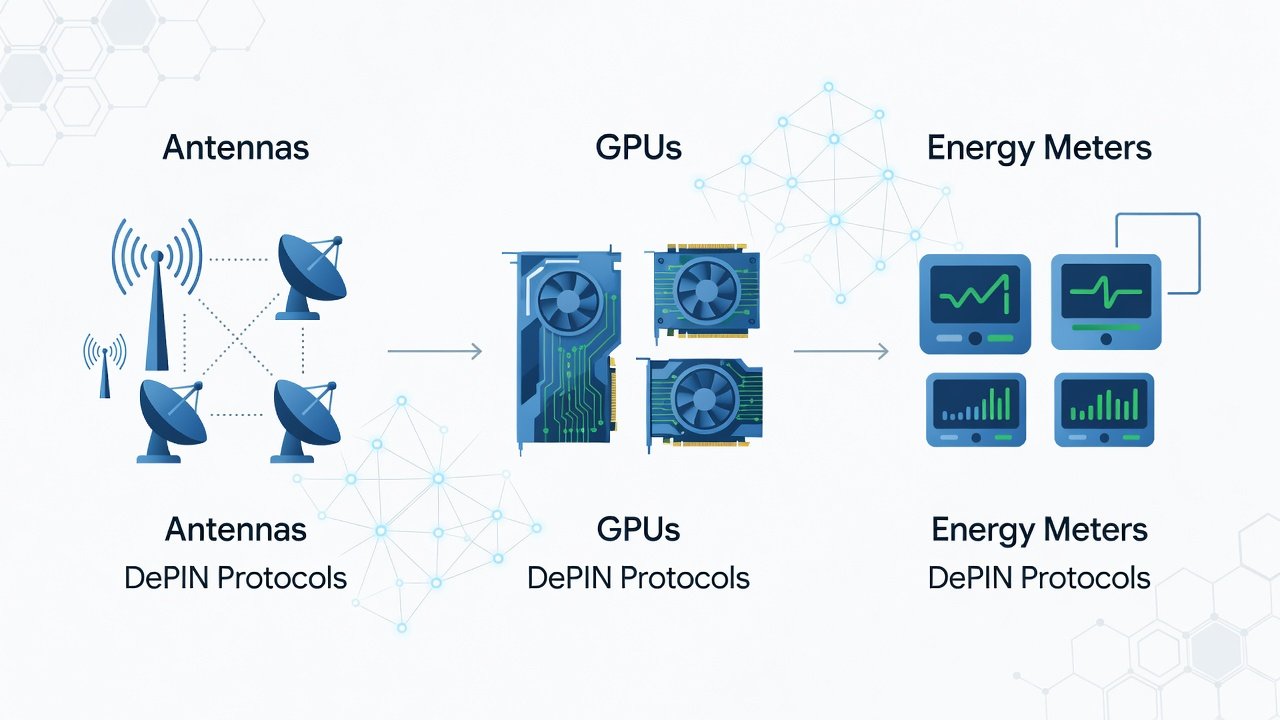
Wireless networks like Helium focus on IoT device connectivity through low-power wide-area networks. Storage and rendering projects such as Render provide decentralized GPU resources for AI training, 3D rendering, and graphics workloads. Energy-focused DePINs enable peer-to-peer power trading and grid balancing using smart meters and renewable sources. Each uses token incentives to bootstrap supply and demand while creating verifiable utility.
Helium Wireless Nodes
Helium operates the largest LoRaWAN network for low-power devices used in smart cities, agriculture sensors, and asset tracking. Node operators deploy hotspots that provide coverage and relay data packets. Tokenomics revolve around HNT rewards distributed based on coverage quality and data transfer activity. Beginners should start with an approved hotspot model that meets current network standards and verify signal propagation in their area before committing.
Render Network for Storage and Compute
Render connects GPU owners with creators needing rendering power for films, architecture visualizations, and machine learning tasks. Operators run nodes that process jobs in exchange for RNDR tokens. The system emphasizes reliable uptime and performance metrics to maximize allocation of work. Integration with popular creative software has expanded the job pipeline significantly.
Hardware Requirements and Setup Checklists
Successful node operation begins with proper equipment selection and configuration. Always verify compatibility with the latest firmware before purchase to avoid compatibility issues that delay rewards.
- Research approved device lists on official project sites and cross-reference user forums for real performance data.
- Ensure stable internet with at least 100 Mbps upload speed and low latency connections.
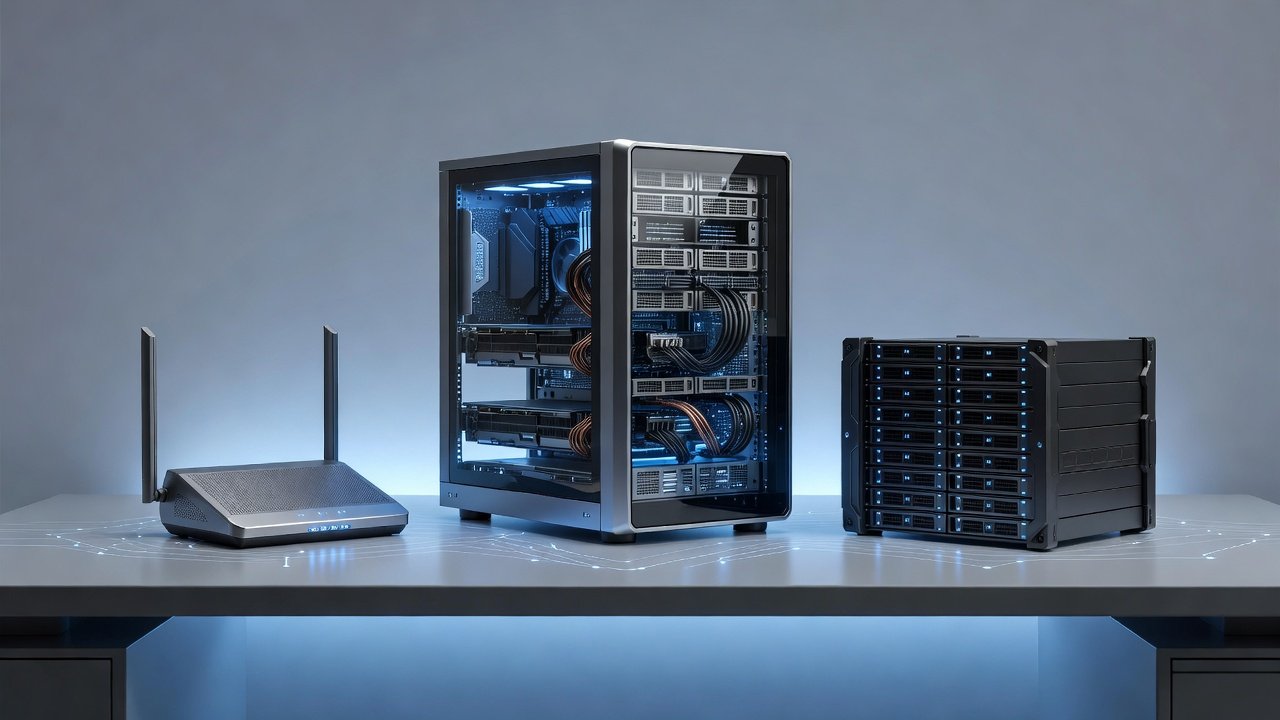
- Position antennas or GPUs for optimal performance, proper ventilation, and minimal interference from other electronics.
- Install required software wallets and node applications following official guides, then run initial synchronization tests.
- Test connectivity and monitor initial reward accrual over the first two weeks while adjusting placement if needed.
- Prepare backup power solutions such as UPS units to handle brief outages without dropping offline status.
After initial setup, create a monitoring routine that includes daily checks of node status via mobile apps or web dashboards. Document any hardware serial numbers and firmware versions for warranty or support purposes.
Tokenomics and Realistic ROI Expectations
Each protocol distributes rewards according to supply-and-demand mechanics that evolve with network growth. Helium emphasizes proof-of-coverage while Render prioritizes job completion rates and GPU utilization scores. Earnings depend on network utilization, geographic location, hardware efficiency, and overall token velocity. Track performance through project dashboards rather than expecting fixed returns. Many operators combine multiple node types to smooth income variability across market cycles.
US and EU Regulatory Compliance Tips
Operators must understand local rules around cryptocurrency income and device deployment. In the US, consult official resources for reporting requirements on digital asset transactions and maintain detailed logs of reward receipts. EU participants should review data protection standards when handling network traffic and ensure devices comply with radio frequency regulations in their member state. Maintain clear records of hardware costs and token receipts for transparency during any audits. Early consultation with a local advisor familiar with blockchain taxation helps avoid common filing errors.
IRS official guidance offers foundational information on digital asset taxation. Similarly, SEC resources provide regulatory context for emerging crypto infrastructure projects. For European operators, reviewing national communications authority websites ensures radio equipment meets spectrum rules.Security Best Practices
Protect your node and earnings with layered defenses that reduce exposure to common threats. Use hardware wallets for token storage instead of exchange accounts. Enable two-factor authentication on all related services and email accounts. Regularly update firmware and node software to patch vulnerabilities discovered by the community. Monitor for unusual activity through project explorer tools and set alerts for reward anomalies. Avoid sharing private keys or seed phrases in any online channel. Consider running nodes behind a VPN for additional privacy when connecting to public networks.
Common Pitfalls to Avoid
New operators often overlook location quality or underestimate ongoing electricity and internet costs that erode net returns. Another frequent mistake is failing to diversify across multiple protocols or neglecting firmware updates that improve reward multipliers. Always start small, verify network demand in your area through coverage maps, and maintain consistent uptime logs. Poor antenna placement or ignoring local interference sources can drastically reduce wireless node performance over time.
Comparison of Leading DePIN Protocols
| Protocol | Focus Area | Primary Token | Key Reward Driver | Typical Hardware |
|---|---|---|---|---|
| Helium | Wireless Coverage | HNT | Proof of Coverage | LoRaWAN Hotspots |
| Render | GPU Rendering | RNDR | Job Completion | High-End GPUs |
| Energy DePINs | Power Distribution | Varies | Energy Volume Traded | Smart Meters |
Real-World Monthly Earnings Examples
Individual results vary widely based on hardware quality, geographic demand, and network growth rates. Some operators report meaningful supplemental income after several months of consistent operation in high-demand urban zones, while others see modest returns during early ramp-up periods in rural settings. Focus on long-term participation and incremental improvements such as better cooling or additional nodes rather than short-term spikes. Community case studies often highlight the value of starting with one reliable node before scaling.
FAQ Section
How are DePIN earnings taxed?
Treat rewards as taxable income in most jurisdictions. Track fair market value at receipt time and consult a tax professional familiar with digital assets for jurisdiction-specific strategies.
Can nodes scale profitably?
Yes, many operators run multiple nodes across protocols once the first setup proves stable. Scalability improves with automation tools, remote monitoring, and strong local demand that supports higher utilization.
What happens if my node goes offline?
Most protocols reduce or pause rewards during downtime. Maintain redundant power and internet connections to minimize interruptions and preserve your reputation score within the network.
How do I choose between wireless and compute nodes?
Evaluate your available space, electricity costs, and technical comfort level. Wireless nodes require good outdoor or elevated placement while compute nodes benefit from stable indoor environments with strong cooling.
Conclusion
Launching a DePIN node in 2026 offers beginners a tangible way to participate in decentralized infrastructure while earning crypto rewards. By following the checklists, prioritizing security, and staying informed on regulations, readers can position themselves for sustainable returns. Begin with one project, monitor performance closely, and expand methodically as confidence and data accumulate.
No comments yet. Be the first!