 CryptoChain Blog

Introduction to DePIN Node Setup in 2026
Decentralized Physical Infrastructure Networks (DePIN) continue to grow as a major sector in Web3, allowing individuals to earn crypto rewards by contributing real-world hardware resources. In 2026, setting up nodes for wireless connectivity, decentralized storage, or energy sharing has become more accessible yet requires careful planning around hardware, software, compliance, and security. This guide provides detailed, step-by-step instructions for beginners and intermediate users alike, covering everything from initial project selection to ongoing maintenance and optimization strategies that support long-term participation.
DePIN projects reward participants with tokens for operating nodes that power networks like wireless hotspots or storage clusters. Readers will find practical comparisons, checklists, and regulatory insights focused on US and EU markets to maximize long-term earnings while staying compliant. The ecosystem has matured significantly, with improved tools and clearer pathways for new operators entering the space.
Understanding Key DePIN Sectors
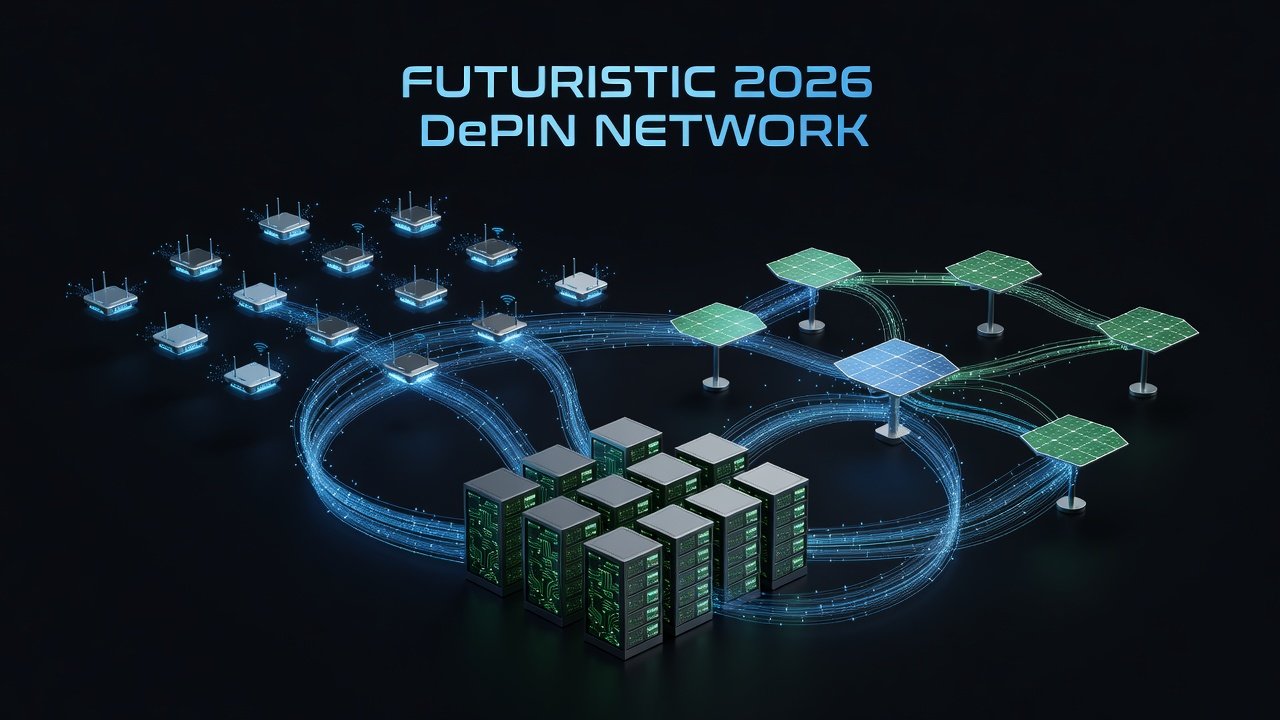
Wireless projects focus on expanding coverage through radio frequency hardware that supports IoT devices and mobile connectivity. These networks rely on widespread node distribution to create reliable signal reach in both urban and rural environments. Storage networks distribute data across user-run servers for resilient, censorship-resistant systems that compete with centralized cloud providers. Energy projects enable peer-to-peer electricity trading via smart meters and solar integrations, allowing excess power to flow between participants efficiently. Each sector has unique setup requirements but shares core principles of reliable uptime and token incentives that reward consistent contributions.
Operators often start with one sector before expanding, as the skills learned in wireless deployment transfer well to storage configurations. Understanding demand patterns in your location helps determine which sector offers the strongest fit for available resources and space constraints.
Comparing Protocols: Helium and Akash
Helium specializes in wireless networks, using LoRaWAN and 5G hardware for IoT and mobile coverage. Its tokenomics reward consistent coverage and data transfer, making it ideal for participants who can position equipment outdoors or on rooftops. Akash operates a decentralized cloud marketplace where users lease compute and storage, with providers earning AKT tokens based on utilization rates. Helium suits those with outdoor space for antennas, while Akash appeals to users with spare server capacity in home or small business environments. Other notable projects include Render for GPU rendering and Filecoin for storage, but Helium and Akash offer the most established beginner entry points with active communities and documentation.
When comparing the two, consider your technical comfort level and physical setup. Helium requires more focus on signal optimization and location strategy, whereas Akash emphasizes reliable uptime and competitive pricing for compute resources. Many operators run nodes on both networks to diversify their reward streams.
Hardware Requirements and Selection
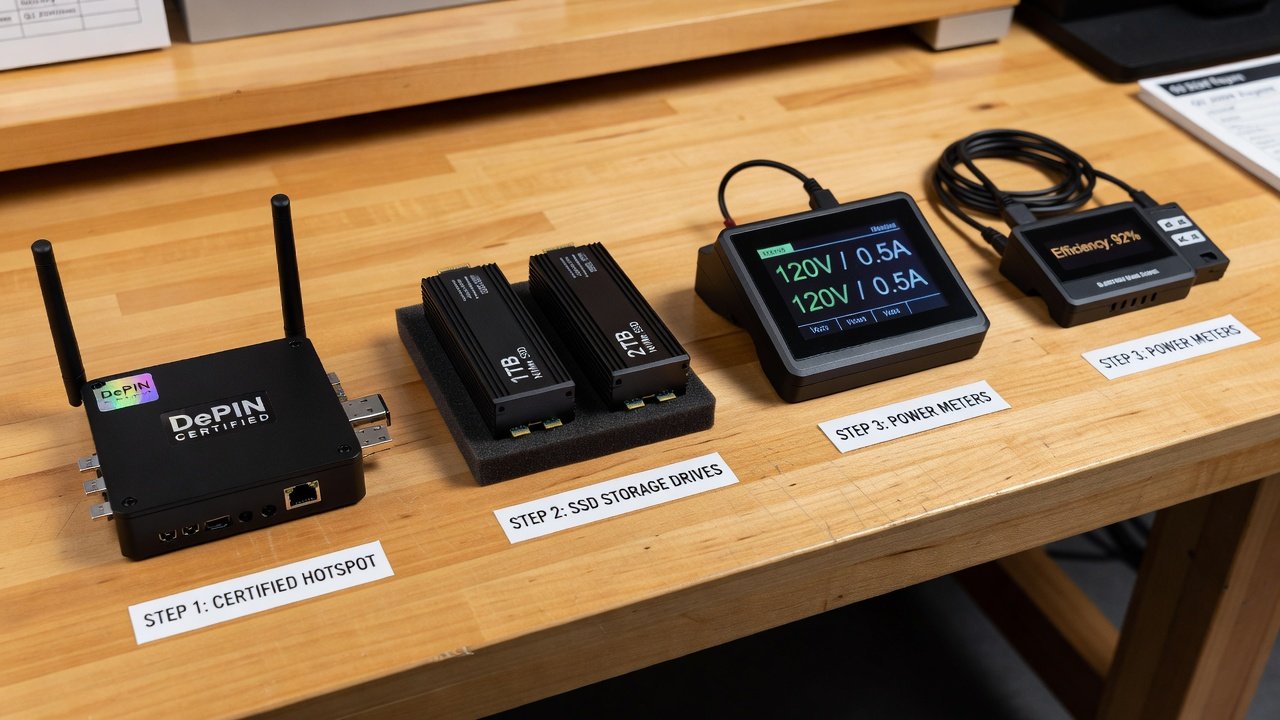
Choosing compatible hardware is critical for reliable operation and optimal rewards. For wireless nodes like Helium, select certified hotspots with appropriate antennas and power supplies that match local frequency regulations. Storage setups require SSDs or HDD arrays with high uptime and redundant power solutions to prevent data loss during outages. Energy nodes need compatible inverters and metering equipment that integrates with existing electrical systems. Always verify manufacturer specifications against current network requirements to avoid compatibility issues that could delay activation or reduce earnings potential.
Investing in quality components upfront often leads to fewer maintenance interruptions. Research user forums and official documentation for recommended models that have proven reliable in real deployments across different climates and usage scenarios.
Step-by-Step Software Installation
Begin by registering a wallet compatible with the chosen network and securing your seed phrase in multiple safe locations. Install the official node software from project repositories, configure firewall rules for required ports, and sync with the blockchain using stable internet connections. Test connectivity using built-in diagnostics before activating rewards mode to confirm all components communicate correctly. Regular updates ensure compatibility with protocol changes and new features released throughout the year.
Many projects now offer containerized installation options that simplify updates and reduce configuration errors. Document each step during initial setup so future troubleshooting becomes faster and more effective.
Tokenomics and Potential Earnings
Most DePIN networks use inflationary or usage-based models where rewards scale with contribution quality and network demand. Factors like location, uptime, and competition influence payouts, with operators who maintain high availability often seeing steadier returns. Monitor dashboards for real-time metrics and diversify across multiple projects to balance risk while building a portfolio of income streams.
Understanding the emission schedules and staking requirements helps set realistic expectations. Successful operators frequently reinvest a portion of rewards into hardware upgrades that improve efficiency over time.
US and EU Regulatory Considerations
In the US, operators must comply with FCC spectrum rules and report income from crypto rewards through appropriate tax channels. FCC guidelines provide clear frameworks for wireless equipment usage that operators should review before deployment. EU participants follow GDPR for data-handling nodes and MiCA framework requirements for crypto activities, with additional attention to consumer protection standards. Consulting local legal resources helps maintain compliance and avoids penalties that could reduce net rewards or lead to operational restrictions.
Staying informed about policy updates is essential, as regulatory environments continue to evolve alongside the technology. Many projects maintain compliance resources to assist operators in meeting these obligations.
Security Best Practices
- Use hardware wallets for reward storage and never share private keys
- Enable two-factor authentication on all accounts and node dashboards
- Keep firmware and software updated to patch known vulnerabilities
- Isolate nodes on dedicated networks with strong passwords
- Monitor for unusual activity with automated alerts and logs
- Perform regular backups of configuration files and wallet data
- Avoid public Wi-Fi for administrative access to nodes
ROI Benchmarks from Active Networks
Established wireless and storage networks have demonstrated sustainable returns for operators who maintain high availability. Benchmarks vary by region and hardware quality, with top performers often achieving consistent monthly yields through optimized setups and strategic placement. Tracking performance over several months provides better insight than short-term snapshots.
Beginner-Friendly Checklist
- Research project tokenomics and hardware compatibility thoroughly
- Acquire certified equipment and prepare the installation site
- Install and configure software with secure wallet integration
- Verify network connectivity and run initial diagnostic tests
- Enable monitoring tools and implement layered security protocols
- Track performance metrics and adjust configuration for efficiency
- Review compliance requirements for your jurisdiction
Real Project Examples
Operators in urban areas have successfully deployed Helium hotspots to fill coverage gaps, often collaborating with local businesses for optimal mounting locations. Rural users leverage Akash for affordable compute leasing that supports AI workloads and web hosting. Energy-focused DePIN examples include solar-integrated nodes that trade excess power during peak demand periods, creating additional revenue layers beyond base token rewards. These cases highlight the importance of adapting setups to local conditions and available infrastructure.
Common Mistakes to Avoid
New operators sometimes overlook signal interference in wireless setups or underestimate power consumption in storage clusters. Failing to diversify across projects or neglecting regular maintenance can lead to reduced rewards over time. Always test configurations thoroughly before full activation and maintain detailed records of hardware performance.
FAQ on Common Setup Issues
Why is my node not syncing?
Check internet stability, firewall settings, and ensure the latest software version is installed. Restarting the node after confirming network access often resolves temporary sync problems.
How do I handle hardware failures?
Maintain spare parts where possible and use monitoring tools to detect issues early. Many networks allow quick node migration to replacement hardware with minimal downtime.
Are there geographic restrictions?
Some projects limit rewards in saturated areas, so review coverage maps and density reports before deployment to identify underserved locations with higher potential.
What maintenance is required after setup?
Regular software updates, hardware cleaning, and performance reviews help sustain rewards. Scheduling monthly checks prevents small issues from escalating.
Conclusion
Setting up a DePIN node in 2026 offers a tangible way to participate in decentralized infrastructure while earning crypto rewards. By following structured steps, prioritizing security, and respecting regional regulations, operators can build sustainable setups across wireless, storage, and energy sectors. Start with one project, refine your approach based on real performance data, and scale based on proven results for long-term success in this evolving ecosystem.

No comments yet. Be the first!