 CryptoChain Blog
Introduction to DePIN Node Investments in 2026
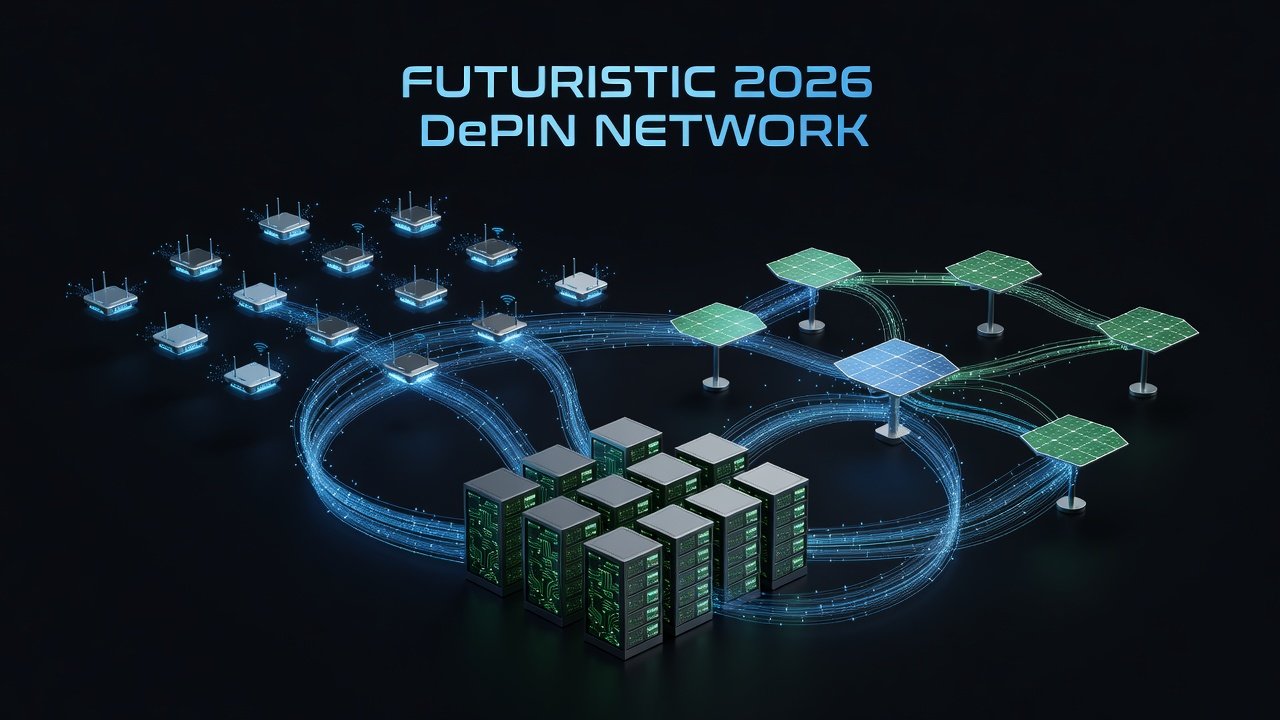
Decentralized Physical Infrastructure Networks (DePIN) have matured into a significant segment of the Web3 ecosystem by 2026. These networks incentivize individuals and small operators to deploy physical hardware that supports real-world services such as connectivity, data storage, and energy distribution. Unlike traditional centralized infrastructure, DePIN projects distribute ownership and rewards across participants, creating potential passive income streams. This guide provides a detailed comparison of returns across wireless, storage, and energy node types, drawing on protocol examples like Helium for wireless coverage, Filecoin for decentralized storage, and emerging energy networks focused on renewable integration. Readers will find step-by-step hardware and software instructions, tokenomics breakdowns, a practical ROI calculator framework, security recommendations, common pitfalls to avoid, and regulatory considerations tailored for operators in the US and EU. The goal is to equip beginners and intermediate users with actionable knowledge to evaluate and launch a node operation effectively.
Wireless DePIN Nodes: Helium and Emerging Competitors
Wireless DePIN projects enable community-powered networks for IoT devices and mobile connectivity. Helium remains the leading example, allowing hotspot operators to earn tokens by providing coverage and facilitating data transfers. In 2026, operators also explore newer entrants that focus on 5G offloading or specialized sensor networks. Returns typically stem from coverage proofs and data usage fees, with performance heavily influenced by location density and hardware quality. Tokenomics models reward consistent uptime and network utility, often incorporating staking mechanisms to align long-term incentives.
Detailed Hardware and Software Setup for Wireless Nodes
- Research certified devices compatible with the target frequency bands in your region, ensuring they meet local transmission regulations.
- Acquire an outdoor-rated antenna and mounting hardware to maximize signal propagation and minimize interference from buildings or terrain.
- Connect the hotspot to a stable internet backhaul, preferably with backup power options like UPS units for reliability during outages.
- Download the official mobile or desktop application from the protocol site, create an account, and complete identity verification processes required for reward claims.
- Install the device in an elevated position, run initial diagnostics through the app, and monitor signal strength metrics over the first week to optimize placement.
- Regularly apply firmware updates and review network dashboards to track coverage contributions and adjust configurations as needed.
Practical examples show that urban operators with multiple hotspots can achieve broader coverage footprints, while rural deployments often benefit from longer-range antennas but face higher installation challenges due to terrain.
Decentralized Storage Nodes: Filecoin and Market Dynamics
Storage-focused DePIN protocols like Filecoin allow participants to offer disk space for decentralized file hosting and retrieval. Operators earn rewards by completing storage deals and maintaining high retrieval success rates. Tokenomics emphasize deal duration and data redundancy, with penalties for downtime or data loss. In 2026, demand continues to grow from Web3 applications, AI training datasets, and archival needs, making storage nodes attractive for operators with existing server infrastructure.
Comprehensive Node Deployment Steps
- Evaluate server hardware requirements, including sufficient RAM, CPU cores, and high-capacity NVMe drives for efficient sector sealing and proving.
- Set up a dedicated Linux environment, install the chosen client software such as Lotus or Forest, and configure network parameters for mainnet participation.
- Generate wallet addresses, fund them with the native token for gas fees, and begin sealing storage sectors while joining the storage market.
- Monitor deal proposals through the node interface, accept competitive bids, and ensure continuous online status to fulfill retrieval requests promptly.
- Implement automated backup systems and performance logging to maintain service level agreements and maximize reward eligibility.
Operators often combine storage nodes with existing home labs or small data centers to reduce marginal costs and improve overall efficiency.
Energy DePIN Networks: Emerging Opportunities in Renewables
Energy DePIN projects reward contributions of solar panels, battery storage, or grid-balancing capacity. These networks focus on verifiable energy production and distribution data, often integrating with smart meters and blockchain oracles. While still maturing compared to wireless or storage sectors, they appeal to operators interested in sustainability and local energy resilience. Token incentives typically tie to verified output and grid services provided during peak demand periods.
Building and Using an ROI Calculator Framework
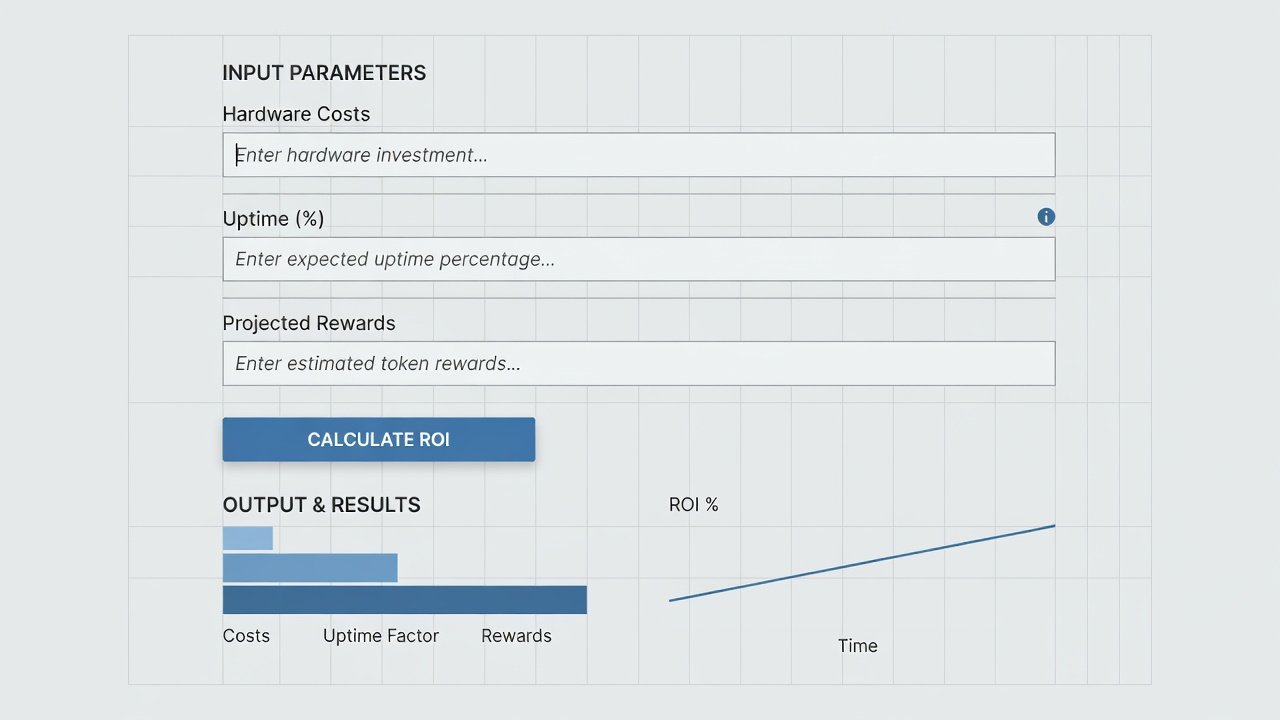
A simple yet effective ROI framework starts with identifying fixed and variable costs such as equipment acquisition, electricity consumption, internet fees, and maintenance time. Next, estimate gross rewards based on historical network data, projected token utility, and personal uptime rates. Subtract operational expenses and factor in token price fluctuations using conservative scenarios. Include variables for network growth, competition levels, and regulatory changes. Test multiple configurations, such as single versus multi-node setups, and update the model quarterly with fresh protocol metrics. This approach helps operators identify viable projects and avoid overcommitment in volatile markets.
Security Best Practices and Common Pitfalls
Implement multi-signature wallets for reward management and enable hardware security keys wherever possible. Isolate node software on dedicated machines or virtual environments to limit exposure. Regularly audit access logs and use VPNs for remote management. Common pitfalls include underestimating electricity costs in high-rate areas, failing to diversify across protocols, neglecting local permit requirements, and chasing hype without verifying token utility. Another frequent error is poor initial site surveys leading to suboptimal performance and lower rewards over time.
US and EU Regulatory Notes for Operators
In the United States, operators must navigate tax reporting for token rewards through IRS guidelines and monitor evolving SEC positions on infrastructure tokens. State-level rules on equipment placement and spectrum use also apply. European Union participants operate under the Markets in Crypto-Assets (MiCA) regulation and must ensure compliance with data protection standards when handling user information. Consulting official resources such as SEC resources and EU council documentation provides current clarity. Additional references include protocol sites like Helium and Filecoin for operator-specific legal notes.
Conclusion and Decision Framework
Choosing the right DePIN node type depends on available capital, technical expertise, location advantages, and risk appetite. Wireless options provide relatively accessible entry with location-dependent rewards, storage nodes suit operators with spare compute resources, and energy projects align with green technology interests. A balanced portfolio across categories can mitigate single-protocol risks. By following structured setup processes, applying the ROI framework consistently, and adhering to security and regulatory guidelines, operators position themselves for sustainable participation in the 2026 DePIN landscape.
FAQ
What factors most influence wireless node performance?
Location density, antenna quality, consistent power supply, and network adoption rates play the largest roles in determining coverage rewards and data transfer earnings.
How do storage node operators handle data security?
They rely on protocol-level encryption, redundancy requirements, and regular proofs of storage to protect user data while maintaining eligibility for rewards.
Are energy DePIN projects suitable for residential setups?
Yes, many support home-scale solar and battery installations, though grid interconnection approvals and metering accuracy remain critical prerequisites.
How frequently should operators review their node configurations?
Monthly reviews of performance dashboards combined with quarterly hardware inspections help maintain optimal reward generation and address emerging issues promptly.
What diversification strategies work best for new operators?
Starting with one node per category allows learning without excessive capital outlay while spreading exposure across wireless, storage, and energy incentives.


No comments yet. Be the first!