 CryptoChain Blog
Introduction to DePIN Node Setup in 2026
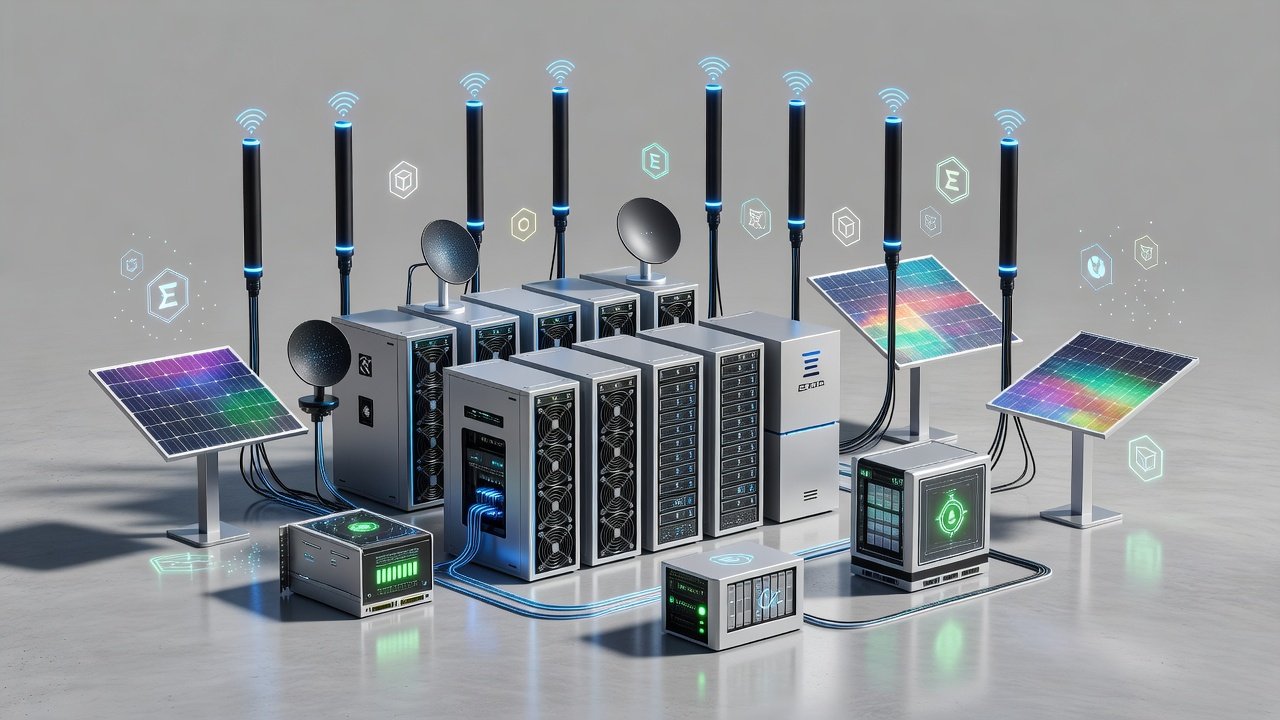
Decentralized Physical Infrastructure Networks (DePIN) allow individuals to earn crypto by operating nodes that power real-world services like wireless coverage, data storage, and energy distribution. For crypto beginners, setting up a node in 2026 represents an actionable entry point into Web3 infrastructure without needing advanced technical skills. This guide covers practical deployment for popular projects, including hardware needs, tokenomics, regulatory considerations, and strategies to avoid common mistakes. DePIN projects reward operators with native tokens for contributing resources. Beginners should start with established protocols to minimize risks while learning the ecosystem. The space has matured significantly by 2026, with improved user interfaces and better integration tools that lower the barrier for newcomers interested in passive income streams tied to physical infrastructure.
Why DePIN Matters in 2026
DePIN combines blockchain incentives with tangible utility, creating networks that compete with traditional centralized providers. Wireless projects expand connectivity in underserved areas, storage networks offer cost-effective alternatives to big tech clouds, and energy DePIN supports the transition to renewable grids. As adoption grows, operators benefit from network effects where more participants increase overall value and rewards. This model empowers individuals rather than corporations, aligning with core crypto principles of decentralization and community ownership.
Wireless DePIN: Helium Network Setup
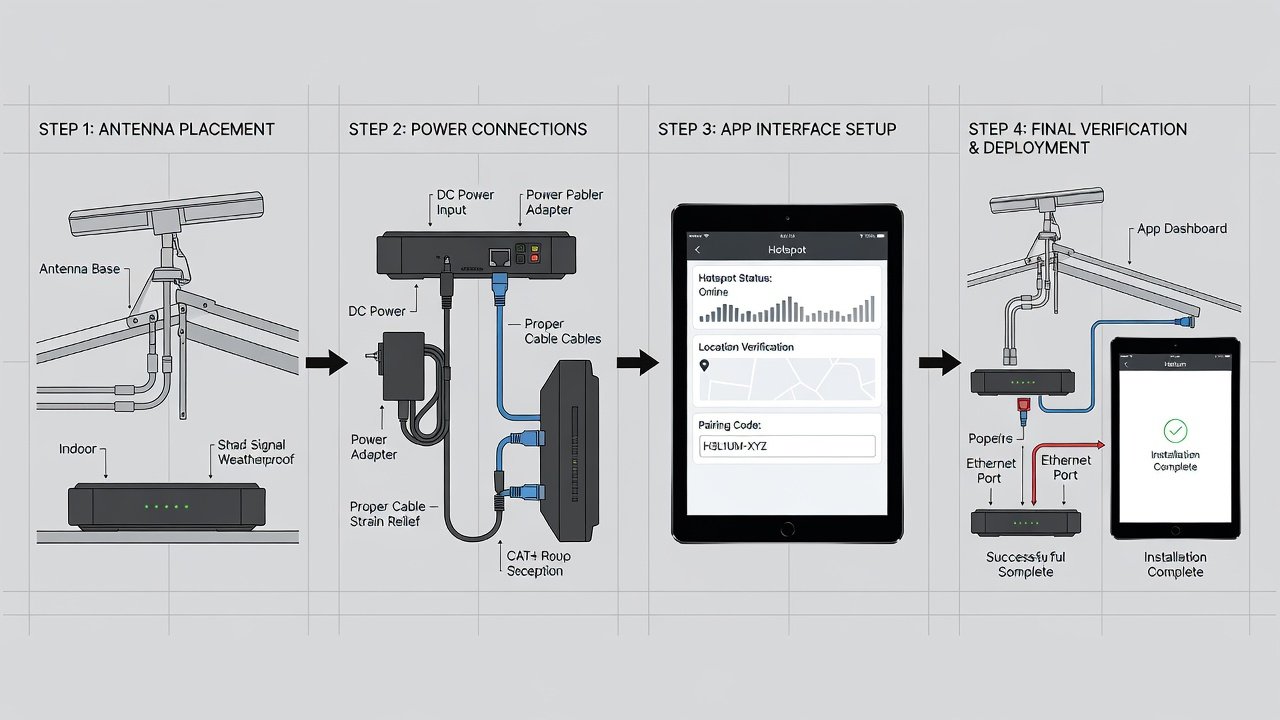
Helium remains a leading wireless DePIN example. Operators deploy hotspots to extend LoRaWAN coverage for IoT devices. Begin by verifying local demand using the official Helium explorer. Purchase compatible hardware such as a Helium-compatible miner with an antenna rated for your frequency band. Step-by-step: 1. Acquire hardware from authorized vendors. 2. Install the hotspot in an elevated outdoor location with clear line-of-sight. 3. Connect to power and Ethernet or use 5G backhaul. 4. Assert the location on-chain via the Helium app. 5. Monitor performance through the dashboard for optimal rewards. Real-world examples show operators in urban areas earning consistent returns through data transfer proofs, while rural setups focus on coverage density bonuses. Visit the official Helium site for latest firmware updates and community forums where beginners share installation tips.
Storage DePIN: Render Network Deployment
Render focuses on decentralized GPU rendering for 3D graphics and AI workloads. Node operators contribute computing power. Hardware requirements include a modern GPU with at least 8GB VRAM, stable internet, and sufficient cooling. Setup steps: Download the Render client software. Create a wallet and stake RNDR tokens. Configure your GPU for rendering jobs through the dashboard. Accept tasks and earn based on completed renders. Regular maintenance includes updating drivers and monitoring temperatures. Beginners can start with a single high-performance PC before scaling to dedicated rigs. The network handles complex jobs like movie rendering and machine learning training, providing real utility that drives token demand. Check Render's official documentation for integration guides and job examples.
Energy DePIN Projects Overview
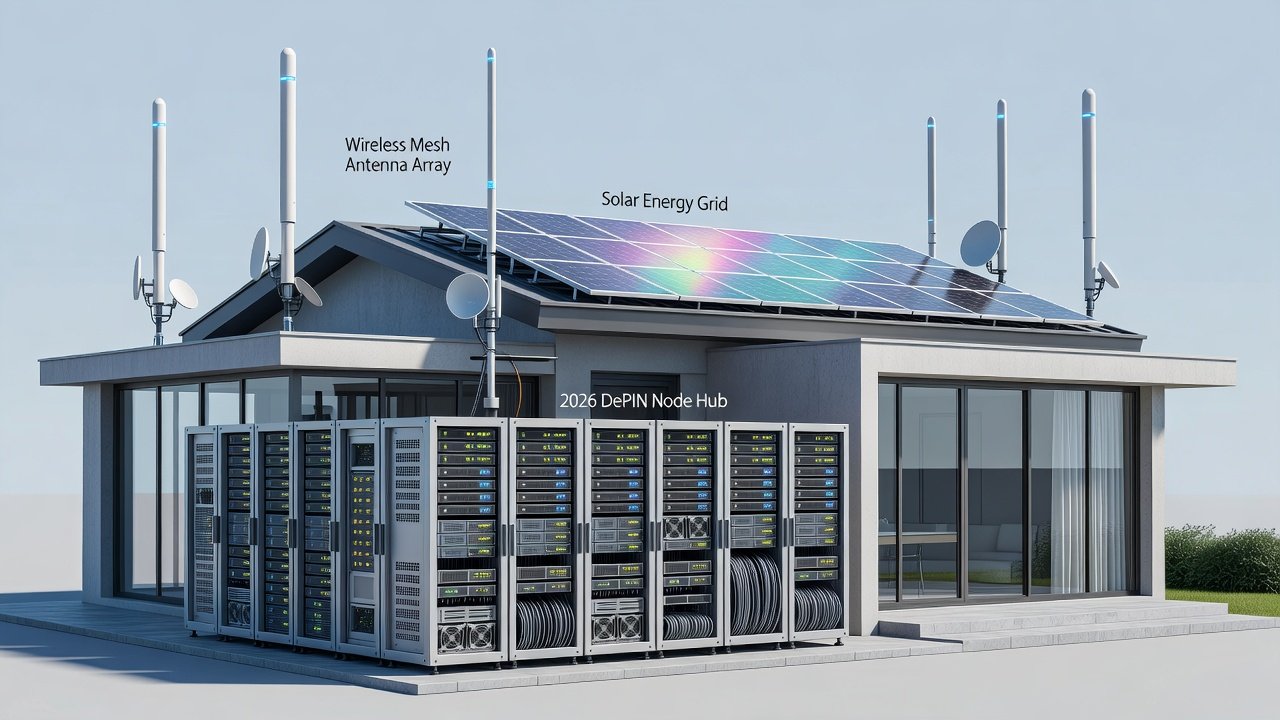
Energy-focused DePIN protocols connect solar panels or battery systems to a blockchain grid. Beginners need smart inverters and metering hardware compliant with local utility standards. Setup involves registering the device, proving energy production, and receiving tokens for excess power shared on the network. Common hardware includes compatible solar kits paired with blockchain-enabled meters. Always consult local regulations before connecting to the grid. Projects in this category often partner with utilities to ensure seamless integration and verifiable production data.
Hardware Requirements Comparison
- Wireless: Hotspot device, antenna, stable power source, and optional weatherproof enclosure for outdoor durability.
- Storage: GPU workstation with strong cooling, high-speed SSD storage, reliable broadband connection exceeding 100 Mbps, and UPS backup for uptime.
- Energy: Solar panels or wind turbines, smart inverter, certified metering hardware, and secure mounting solutions that meet building codes.
Tokenomics Breakdown for Beginners
Most DePIN tokens use inflationary models early on that transition to usage-based rewards. Operators earn by providing verifiable service. Staking requirements vary—some protocols mandate locking tokens to activate nodes, while others reward solely on performance metrics. Track earnings via on-chain analytics tools to understand ROI timelines. Token utility often includes governance rights, allowing operators to vote on network upgrades and fee structures that directly impact future earnings potential.
Regulatory Notes for Node Operators
Node operators must comply with local zoning for wireless equipment and energy grid rules. Data privacy laws apply to storage nodes handling user files. Tax implications exist for crypto rewards in most jurisdictions—maintain records of earnings and hardware costs. Consult a local legal expert before large-scale deployment. International operators should also review cross-border data transfer regulations when running storage nodes that may serve global users.
Rewards vs Risks Comparison
| Aspect | Rewards | Risks |
|---|---|---|
| Wireless | Passive coverage earnings, network growth bonuses, and potential for expansion into 5G sub-networks | Hardware failure, signal interference, token volatility, and competition from new entrants |
| Storage | High-demand rendering jobs, steady token accrual, and recurring revenue from active workloads | GPU wear, electricity costs, competition from larger operators, and fluctuating job availability |
| Energy | Grid incentives, sustainability credits, and long-term contracts with utilities | Regulatory changes, weather dependency, high initial capital, and grid connection delays |
Common Pitfalls to Avoid
Beginners often overlook location verification, leading to zero rewards. Poor internet stability causes node downtime. Ignoring firmware updates exposes security vulnerabilities. Overcommitting capital without testing small first increases financial risk. Always start with one node and scale after proving profitability. Another frequent mistake is neglecting community resources, where experienced operators share troubleshooting advice and optimization strategies.
Choosing Your First DePIN Project
Evaluate based on your location, available capital, and technical comfort level. Urban dwellers with good internet may prefer storage nodes, while those with outdoor space and interest in connectivity should consider wireless. Energy setups suit homeowners with existing solar infrastructure. Research network activity levels and token distribution fairness before committing hardware.
FAQs on Profitability and Security
How do I calculate node profitability?
Track daily token emissions against electricity and hardware depreciation. Use community calculators that factor current token prices and network difficulty. Factor in staking yields separately from operational rewards. Review historical performance data from similar nodes in your region to set realistic expectations.
What security best practices apply?
Use hardware wallets for token custody. Enable two-factor authentication on all dashboards. Keep firmware updated and isolate nodes on dedicated networks. Regularly audit connected devices for unauthorized access. Consider running nodes behind VPNs for additional protection against targeted attacks.
Can I run multiple node types simultaneously?
Yes, many operators diversify across categories to balance risk, but ensure your hardware and internet can handle the combined load without performance degradation.
Are there insurance options for DePIN hardware?
Some community providers offer specialized coverage for theft or damage, though standard home insurance may already apply depending on your policy terms.
Conclusion
2026 offers accessible entry points for crypto beginners into DePIN through structured node setups. By following hardware guidelines, understanding tokenomics, and mitigating risks, operators can build sustainable income streams while supporting decentralized infrastructure. Start small, stay informed on regulations, and leverage community resources for ongoing success. The combination of real-world utility and crypto incentives makes DePIN a compelling long-term play for those willing to invest time in proper setup and maintenance.
No comments yet. Be the first!