 CryptoChain Blog
Introduction to DePIN Nodes in 2026
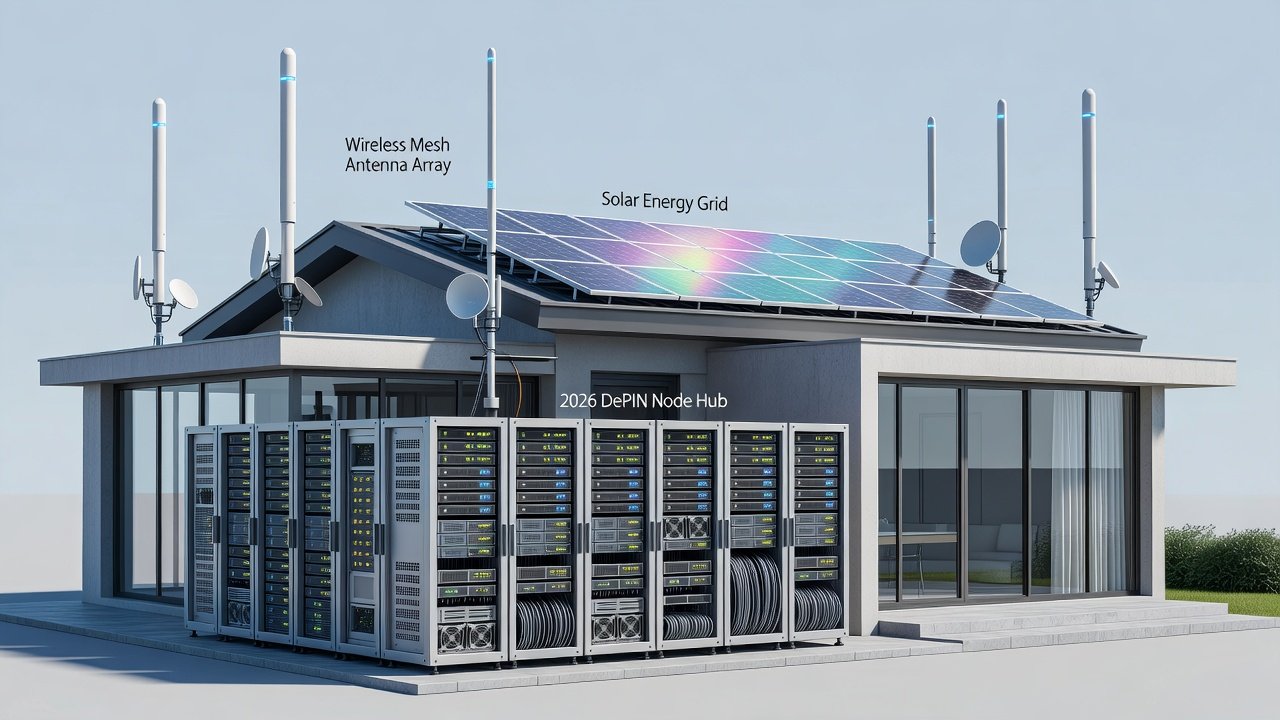
Decentralized Physical Infrastructure Networks (DePIN) continue to reshape how individuals participate in wireless connectivity, data storage, and energy distribution. Setting up a node in 2026 offers crypto enthusiasts a path to earn tokens while supporting real-world infrastructure. This guide walks beginners through practical steps while addressing intermediate considerations like compliance and risk management. DePIN projects leverage blockchain incentives to crowdsource physical resources, creating resilient alternatives to centralized providers. Operators benefit from passive income opportunities alongside contributing to global networks that power everything from IoT devices to AI computations. Understanding the ecosystem requires examining not only technical setups but also economic models and legal landscapes that influence long-term viability.
Understanding Key DePIN Categories
Wireless projects focus on expanding coverage through community hotspots that relay data for mobile and IoT applications. These networks thrive in urban and rural areas alike by filling connectivity gaps left by traditional carriers. Storage networks reward participants for providing decentralized disk space, enabling secure file hosting and retrieval without reliance on single corporations. Energy initiatives enable peer-to-peer power sharing via smart meters and renewable sources, allowing households to trade excess electricity on blockchain platforms. Each category requires tailored hardware and ongoing maintenance to maximize uptime. Wireless nodes prioritize signal strength and low latency, storage solutions emphasize redundancy and speed, while energy nodes demand integration with grid systems and real-time metering accuracy.
Hardware Requirements for Reliable Operation
Start by selecting compatible devices suited to your chosen project type. Wireless nodes typically need outdoor antennas with PoE support and stable internet connections capable of handling continuous data traffic. Storage setups demand enterprise-grade SSDs or HDDs with RAID configurations for redundancy and fast read-write speeds. Energy nodes integrate solar inverters, battery storage systems, and advanced metering hardware that interfaces with local utilities. Always verify compatibility with the specific protocol before purchase to avoid compatibility issues that could delay launch. Additional considerations include environmental protections such as weatherproof enclosures for outdoor equipment and adequate cooling systems for indoor racks to prevent overheating during extended operation.
Step-by-Step Setup Guides for Major Categories
Begin with wireless deployment by mounting the antenna in an elevated location with clear line-of-sight to surrounding areas, then connect it to the gateway device via Ethernet and configure the software wallet for reward collection. Test connectivity using built-in diagnostic tools before registering the node on the protocol dashboard. For storage projects, install the operating system on your server hardware, format drives in the recommended array, and install the node software client. Verify upload and download speeds through benchmark tests and stake the required tokens to activate participation. Energy node setup involves wiring the smart meter to your electrical panel, pairing it with the blockchain interface module, and calibrating the system to report generation and consumption data accurately. Each step includes verification checkpoints to ensure the node appears online and begins contributing immediately.
Tokenomics and Incentive Structures
Most DePIN protocols distribute rewards based on contribution metrics such as data relayed, storage uptime, or energy shared. Participants should review emission schedules and staking requirements to understand long-term earning potential. Diversifying across multiple projects can mitigate volatility while building a balanced portfolio of incentives. Token utility often extends beyond rewards to governance voting and access to premium network features. Operators benefit from monitoring on-chain analytics dashboards that reveal network health and reward distribution trends. Successful participants frequently reinvest a portion of earnings into hardware upgrades that improve contribution quality and overall returns.
Regulatory Checkpoints in the US and EU
US operators must monitor SEC guidelines on token classification and report income accurately through appropriate tax forms. State-level utility regulations may apply to energy nodes, requiring permits before connecting to local grids. Federal communications rules govern wireless spectrum usage, making it essential to confirm that equipment operates within approved bands. In the EU, the European Commission frameworks on data privacy and digital infrastructure require GDPR compliance for storage projects handling personal information. Energy initiatives must align with renewable energy directives and national grid codes. Conducting due diligence on local permitting helps prevent operational disruptions and potential fines. Regular consultations with legal professionals familiar with crypto assets ensure ongoing adherence as rules evolve.
Security Best Practices
Protect nodes with strong encryption, regular firmware updates, and multi-factor authentication on associated wallets. Use hardware security modules for key storage and monitor network traffic for anomalies using intrusion detection software. Implement air-gapped backups for critical configuration files to reduce exposure to online threats. Segment your home or office network to isolate node devices from personal computers. Conduct periodic security audits and maintain detailed logs of all access attempts. Educate yourself on common attack vectors such as phishing attempts targeting node operators and avoid sharing sensitive configuration details in public forums.
Comparing Helium and Render Protocols
Helium excels in wireless coverage with proven global scale and a mature ecosystem of compatible devices. Render focuses on GPU rendering for storage-adjacent compute tasks, attracting participants with specialized graphics hardware. Benchmark data from recent operator reports highlight Helium's higher average uptime in dense urban areas compared to Render's variable performance tied to demand spikes. ROI calculations favor protocols with consistent token utility and lower entry barriers for new nodes. Operators often evaluate both options by reviewing community forums and testnet results before committing hardware resources. Hybrid approaches that run complementary protocols on separate machines can optimize overall portfolio performance.
Real Node Operator Case Studies
One operator in Texas expanded a Helium deployment across three sites, achieving steady rewards through optimized antenna placement and regular maintenance schedules. A European storage node runner emphasized rigorous compliance checks that enabled seamless scaling without regulatory delays. Another case involved an energy project participant in California who integrated solar panels with a DePIN meter, resulting in consistent contributions during peak demand periods. These examples underscore the value of iterative testing and active engagement with community support forums where operators share troubleshooting tips and hardware recommendations.
Common Mistakes to Avoid
- Neglecting location research before installing wireless equipment, leading to poor signal coverage and minimal rewards.
- Skipping firmware updates that leave nodes vulnerable to exploits or performance degradation.
- Overlooking local zoning laws that could force sudden shutdowns of energy or wireless installations.
- Failing to diversify hardware investments across protocols, increasing exposure to single-project risks.
- Ignoring community governance proposals that may alter reward structures or technical requirements.
Troubleshooting FAQ
- Why is my node offline? Check internet connectivity, power supply, and protocol dashboard alerts first before contacting support.
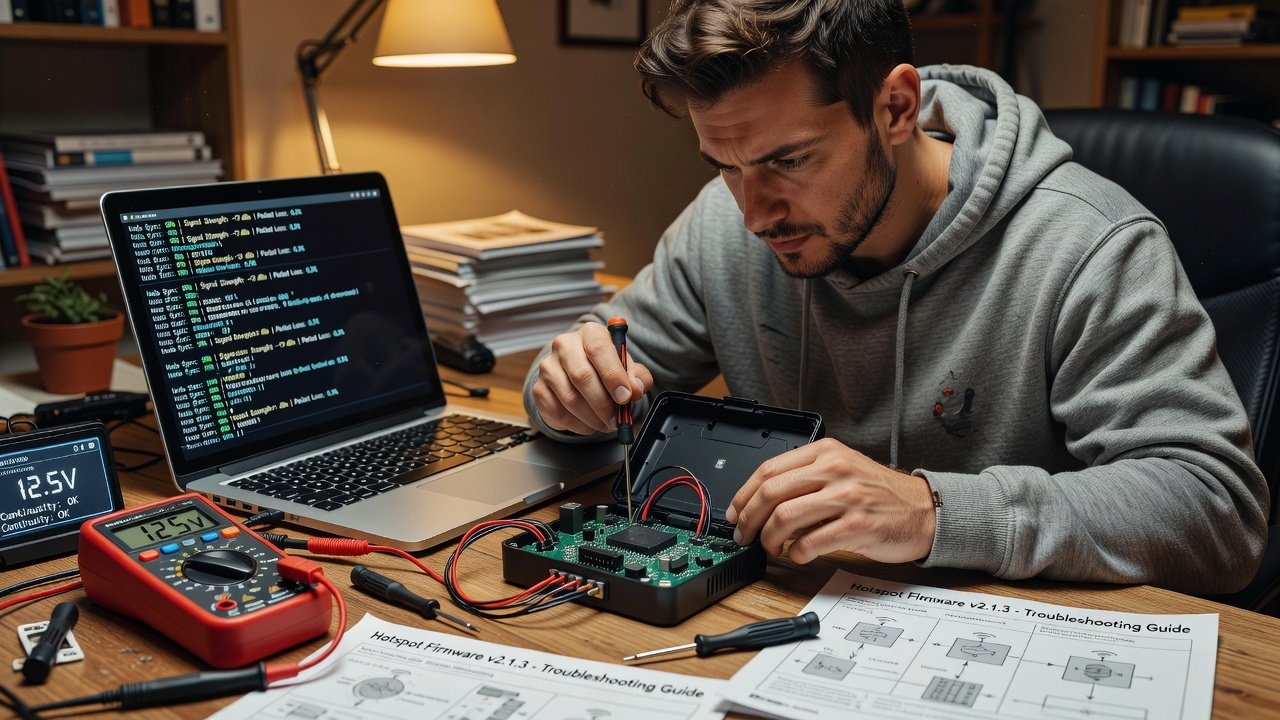
- How do I handle firmware errors? Download updates from official sources and restart the device after installation, verifying success in logs.
- What affects reward consistency? Factors include location quality, hardware reliability, network congestion levels, and seasonal demand variations.
- Can I run multiple protocols on one machine? Most projects require dedicated hardware; virtualization may work but risks voiding support agreements.
- How often should hardware be maintained? Perform visual inspections monthly and full system checks quarterly to catch issues early.
- What backup strategies are recommended? Maintain encrypted offsite copies of wallet keys and configuration files updated after every change.
- Why do rewards fluctuate? Protocol-wide events such as token halvings or network upgrades can temporarily alter distribution patterns.
Conclusion and Next Steps
Launching a DePIN node in 2026 demands attention to technical setup, regulatory awareness, and security hygiene. By prioritizing compliance and risk management, operators position themselves for sustainable participation. Begin with thorough research on your chosen protocol and scale gradually based on performance metrics. Join active community channels for ongoing support and stay informed about protocol updates that may introduce new opportunities or requirements.
No comments yet. Be the first!