 CryptoChain Blog
Introduction to Stablecoin Remittances in 2026
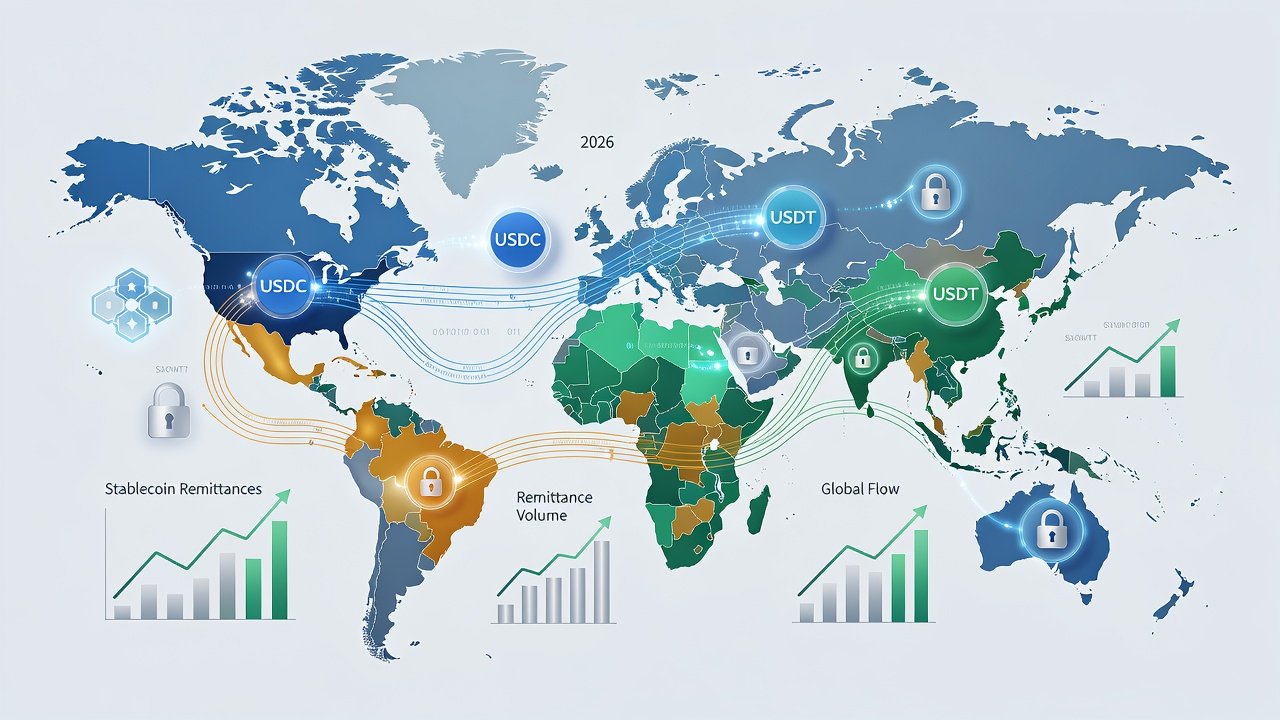
Stablecoins like USDC and USDT have transformed cross-border payments by offering faster, lower-cost alternatives to traditional banking systems. In 2026, corridors connecting the United States to Latin America and Africa continue to see strong adoption as users seek reliable value transfer without the delays and high fees of conventional wires. This shift is driven by increasing demand for efficient financial tools in regions where traditional infrastructure remains slow and expensive. Families sending support to relatives, small businesses paying suppliers, and freelancers receiving international payments all benefit from the predictability and speed that stablecoins provide. This article examines performance metrics, real-world savings examples, regulatory considerations, and practical steps for new users, delivering a complete picture of how these digital assets are reshaping global money movement.
USDC and USDT Performance Across Key Corridors
USDC, issued by Circle, maintains strong transparency through regular attestations, making it popular for users prioritizing regulatory compliance. USDT, from Tether, offers wider liquidity in emerging markets. Across Latin American routes to countries like Mexico and Brazil, both assets enable near-instant settlements. In African corridors such as Nigeria and Kenya, USDT often leads due to established trading pairs on local exchanges. Performance data shows consistent reliability even during periods of high network activity, with minimal slippage in the peg to the US dollar. Users in these regions appreciate the ability to bypass multiple currency conversions that traditionally erode value. The growth in these corridors reflects broader trends in digital finance adoption, where stablecoins serve as a bridge between traditional banking and decentralized networks.
Fee Comparisons and Speed Benchmarks
Traditional international wires frequently incur multiple layers of correspondent bank charges plus currency conversion markups. Stablecoin transfers typically involve only network fees and minimal platform spreads, delivering substantial savings. Speed benchmarks show stablecoin transactions completing in minutes compared to one to five business days for wires. These differences become especially pronounced in high-volume corridors where timing matters for business operations or urgent family needs. 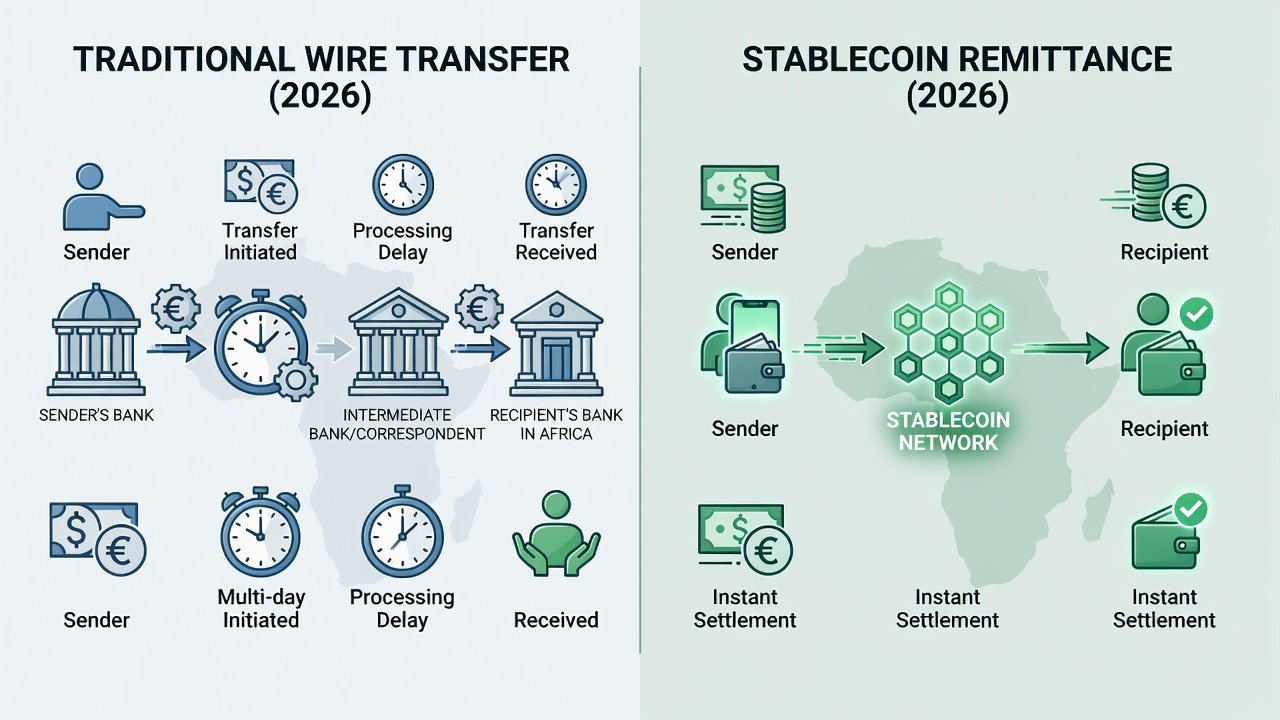
Regulatory Compliance Updates from US, EU, and Asia
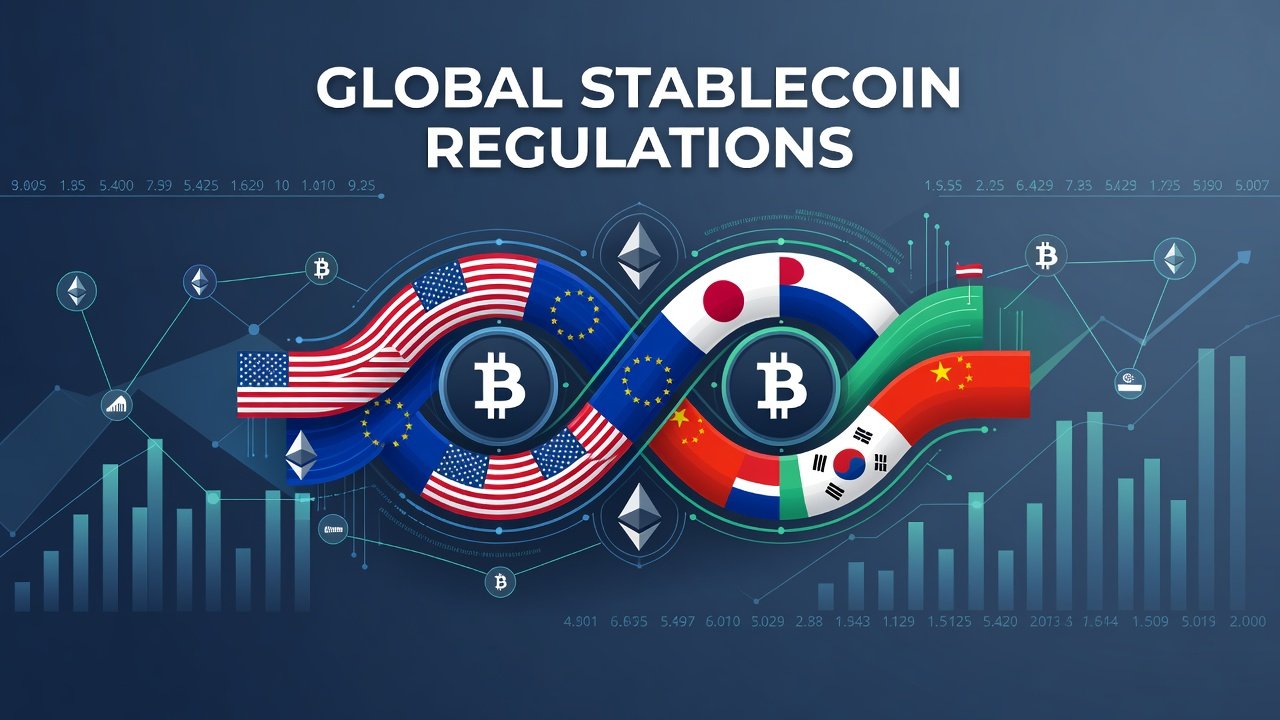
US regulators continue to refine frameworks around stablecoin reserves and consumer protections, with ongoing guidance from the Federal Reserve. In the EU, the Markets in Crypto-Assets regulation provides clearer licensing paths for issuers. Asian jurisdictions, including Singapore, emphasize anti-money laundering standards through the Monetary Authority of Singapore. Additional oversight comes from bodies such as the U.S. Securities and Exchange Commission, which monitors reserve transparency and market integrity. Users should select platforms that maintain compliance in both sending and receiving jurisdictions. Staying updated on these rules helps avoid disruptions and ensures transfers remain secure and legally sound across borders.
Real Case Studies Demonstrating User Savings
One documented case involved a family sending funds from the US to Mexico, where stablecoin use reduced total costs compared to traditional services while arriving the same day. In Africa, a small business owner in Kenya reported faster access to supplier payments via USDT, improving cash flow and allowing reinvestment into inventory sooner. Another example from Brazil highlighted how a freelance developer received payments from US clients without the multi-day holds typical of bank wires, enabling quicker bill payments. Several neobanks have integrated stablecoin rails, allowing users to move value directly into local bank accounts through partnered exchanges. These integrations often include automated conversion tools that simplify the final step of receiving local currency, reducing friction for non-technical users.
Step-by-Step Guide for First-Time Senders
- Choose a regulated platform supporting USDC or USDT withdrawals that operates in your target corridor.
- Complete identity verification to meet compliance requirements and unlock full transfer limits.
- Fund your account via bank transfer or card, ensuring the source matches your verified details.
- Select the recipient corridor and enter wallet or bank details accurately to avoid failed transactions.
- Review fees and exchange rates before confirming the transaction, paying attention to any network congestion warnings.
- Track the transfer on the blockchain explorer and confirm receipt with the recipient.
- Store transaction records for personal accounting and potential tax reporting needs.
- Test with a small amount on your first transfer to familiarize yourself with the full process.
Wallet Recommendations and Platform Integrations
Non-custodial wallets with strong security features pair well with compliant exchanges. Many banks now partner with stablecoin providers to offer seamless on-ramps and off-ramps, reducing friction for users unfamiliar with crypto. Look for wallets that support multi-chain operations and include built-in exchange features for easy conversion at destination. Platform integrations have expanded in 2026, with several major financial institutions embedding stablecoin functionality directly into mobile banking apps for select corridors.
Common Mistakes to Avoid
New users often overlook network selection, leading to higher fees on congested blockchains. Another frequent error is failing to verify recipient wallet addresses, which can result in permanent loss of funds. Always double-check compliance status of the chosen platform before large transfers.
Risk Mitigation Strategies
Users should diversify across multiple platforms, enable two-factor authentication, and monitor network congestion. Understanding smart contract risks on the chosen blockchain further protects funds during transit. Regular review of platform security updates and maintaining offline backups of recovery phrases adds another layer of protection against potential threats.
FAQs on Volatility and Taxes
How do stablecoins avoid volatility?
USDC and USDT are pegged to the US dollar and backed by reserves, minimizing price swings during transfers and providing a stable medium for value movement.
What tax implications apply to stablecoin remittances?
Tax treatment varies by jurisdiction. Consult local authorities or a tax professional, as some regions classify stablecoin movements as taxable events depending on use case and holding period.
Are there limits on transfer amounts?
Platform-specific limits exist based on verification level and regulatory requirements in each corridor; always review these before initiating large transfers.
Conclusion
Stablecoin remittances in 2026 deliver measurable advantages in cost and speed for Latin American and African corridors. By following compliance best practices, using recommended tools, and applying the practical guidance outlined above, senders can achieve reliable results while staying informed on evolving regulations. Continued innovation in bank integrations promises even greater accessibility in the coming years.

No comments yet. Be the first!