 CryptoChain Blog
Introduction to DePIN in 2026
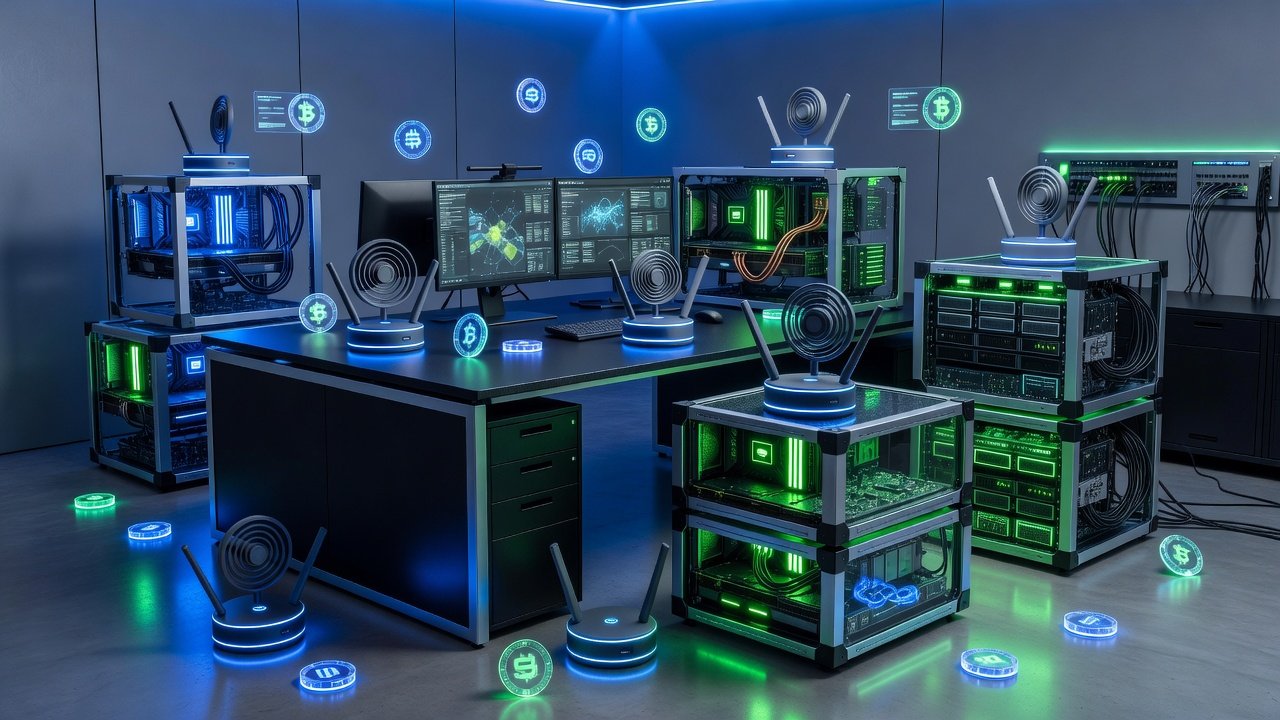
Decentralized Physical Infrastructure Networks (DePIN) continue to grow as a major sector in Web3, allowing individuals to earn crypto rewards by contributing hardware resources like bandwidth, compute, or storage. This guide provides practical steps for setting up nodes on leading protocols such as Helium, Render, and Akash in 2026, focusing on actionable advice for beginners to intermediate users who want to move beyond generic overviews and actually start earning.
DePIN projects reward operators with native tokens for providing real-world infrastructure. Success depends on understanding hardware needs, installation processes, and ongoing maintenance. In 2026 the ecosystem has matured with improved dashboards and better integration tools, making it easier for newcomers to participate while still requiring careful planning to avoid common early mistakes.
Understanding Key DePIN Protocols
Helium focuses on wireless networks for IoT devices, enabling low-power wide-area coverage that supports millions of sensors and trackers. Render emphasizes GPU rendering for AI and 3D graphics workloads, allowing creators to access distributed compute power without centralized cloud providers. Akash offers decentralized cloud computing with CPU and storage resources, functioning as an open marketplace where developers can lease spare capacity at competitive rates. Each has distinct token incentive structures based on network usage and uptime, and operators often run multiple protocols simultaneously for diversified income.
Hardware Requirements for 2026 Setups
Operators need reliable internet connections above 100 Mbps for most protocols, with low latency being especially important for Render and Akash workloads. Helium typically requires a compatible hotspot miner with LoRaWAN support and a clear line of sight for antennas to maximize coverage. Render nodes benefit from NVIDIA GPUs with at least 8GB VRAM, preferably newer models that handle parallel rendering tasks efficiently. Akash deployments often run on servers with 16GB+ RAM and multi-core CPUs, plus adequate cooling and redundant power supplies.
Choose energy-efficient hardware to maximize net rewards after electricity costs. Many operators start with consumer-grade equipment before scaling to enterprise servers. Always verify compatibility lists on official documentation before purchasing, as outdated hardware can lead to poor performance and reduced token payouts.
Software Installation Steps
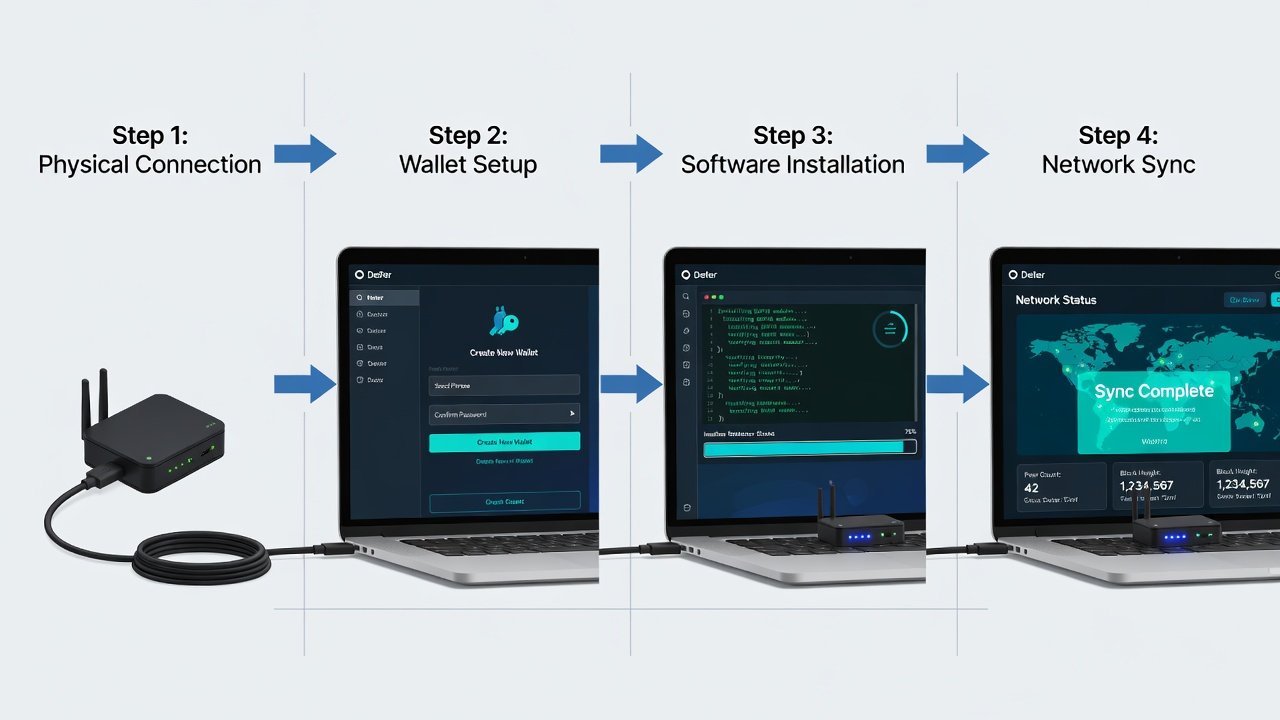
Begin by registering on each protocol's dashboard and securing your wallet. For Helium, download the official app and pair your miner via Bluetooth, then configure location and frequency settings according to your region. Render requires installing their node client on a GPU-enabled machine, syncing with the network, and registering your GPU capabilities so jobs can be assigned automatically. Akash uses Kubernetes-based deployment; install the Akash CLI, set up your wallet, and create a deployment manifest that specifies the resources you are offering.
Always verify software from official sources before installation. Test connectivity after setup and monitor logs for errors. Run through a checklist that includes firewall configuration, port forwarding where needed, and regular updates to the node software. Many operators script these steps for reproducibility when adding new devices.
Token Incentive Structures
Rewards vary by protocol activity and contribution quality. Helium distributes tokens based on data transfer coverage and the number of devices that connect through your hotspot. Render pays for completed rendering jobs, with higher earnings for faster turnaround times and higher resolution outputs. Akash compensates for leased compute hours, and operators who offer attractive pricing and high availability tend to win more bids. Consistent uptime above 95 percent combined with strategic location or hardware choices can significantly boost monthly returns.
Regulatory Considerations in the US and EU
In the US, operators should track IRS guidelines on crypto income reporting and treat rewards as ordinary income in most cases. EU users must comply with MiCA regulations for digital assets, which include transparency requirements for service providers. Consult local tax professionals, as node operations may qualify as business activity in some jurisdictions and could trigger additional licensing or VAT obligations. Staying compliant helps avoid penalties and ensures long-term sustainability of your operation.
Comparison Table: Setup Complexity vs Potential Earnings
| Protocol | Setup Complexity | Potential Earnings Level | Best For |
|---|---|---|---|
| Helium | Low | Moderate | Beginners seeking passive coverage rewards |
| Render | Medium | High | GPU owners wanting rendering income |
| Akash | Medium-High | High | Operators with spare server capacity |
Real-World Performance Benchmarks and ROI Examples
Active operators report steady returns through consistent operation and optimization. Benchmarks from 2026 show well-maintained nodes achieving reliable uptime rates above 95 percent across these networks. For example, a single optimized Helium hotspot in a dense urban area can deliver meaningful monthly token rewards when coverage is strong. Render operators with multiple GPUs often see higher earnings during periods of high AI demand. Akash users who price competitively and maintain 99 percent uptime frequently secure repeat leases from developers. Start small to validate performance before expanding, and track your own metrics weekly to identify improvement opportunities.
Common Pitfalls and Troubleshooting Tips
- Insufficient bandwidth leading to low rewards – upgrade your connection and monitor usage patterns.
- Firewall blocks – open required ports per protocol docs and test with port-checking tools.
- Hardware overheating – ensure proper ventilation and consider adding fans or better cooling solutions.
- Wallet sync issues – restart the node client and check internet stability before contacting support.
- Outdated software – schedule regular updates and subscribe to official announcement channels.
- Poor antenna placement for Helium – reposition for maximum line-of-sight coverage.
Scaling from One Node to a Fleet
Once comfortable with a single node, add devices gradually while monitoring performance metrics. Use automation scripts for management and diversify across protocols to balance risk. Many operators create dashboards that aggregate earnings and uptime across all devices. Consider geographic distribution for Helium hotspots and load balancing for GPU and server fleets to prevent single points of failure.
FAQ
What security best practices should I follow?
Use strong, unique passwords, enable two-factor authentication, and keep software updated. Avoid sharing private keys and run nodes behind a firewall. Regularly audit connected devices and consider hardware security modules for larger fleets.
How do I start earning quickly?
Focus on high-demand areas for Helium coverage and competitive pricing on Akash. Optimize GPU utilization for Render tasks by accepting a variety of job types initially. Join community forums to learn current best practices from experienced operators.
Is DePIN suitable for beginners?
Yes, with careful research. Begin with simpler setups like Helium before advancing to compute-heavy protocols. Many resources and community guides are available to help new operators avoid early pitfalls.
What happens if my node goes offline?
Most protocols reduce or pause rewards during downtime. Set up monitoring alerts and have backup power solutions ready to minimize interruptions.
Conclusion
Setting up DePIN nodes in 2026 offers tangible opportunities to earn crypto by contributing infrastructure. Follow the steps outlined, stay informed on regulations, and prioritize security to build a sustainable operation. Visit the Helium website for the latest miner resources. Explore Akash Network documentation for deployment guides. Learn more at Render Network about GPU incentives.


No comments yet. Be the first!