 CryptoChain Blog

Introduction to DePIN Wireless Networks in 2026
Decentralized Physical Infrastructure Networks (DePIN) have transformed wireless connectivity by 2026. These blockchain-powered systems allow individuals and organizations to deploy and maintain physical infrastructure such as antennas and gateways, creating community-driven alternatives to traditional telecom giants. Projects like Helium lead the charge, enabling community-owned networks for IoT and mobile data. Growth has accelerated due to falling hardware costs and rising demand for low-power wide-area networks in smart cities and industrial applications. This article examines benchmarks, enterprise adoption, tokenomics, and real-world deployments across Europe and Asia, offering investors practical ROI calculations and operator guidance while addressing regulatory hurdles and scalability issues.
Key DePIN Wireless Projects Overview
Helium remains dominant with its LoRaWAN and 5G offerings, boasting extensive global coverage through incentivized hotspots. Competitors include Pollen Mobile, which focuses on mobile data sharing via consumer devices, Nosana for GPU-integrated wireless extensions, and emerging Asian networks in Singapore and South Korea emphasizing urban IoT integration. These platforms leverage blockchain incentives to deploy hardware nodes globally, reducing reliance on centralized carriers. Each project differentiates through unique consensus mechanisms and hardware requirements, with Helium emphasizing long-range low-bandwidth use cases while others target higher-speed applications.
Performance Benchmarks for 2026
Benchmarks reveal Helium achieving average coverage of 85% in urban test zones with latency under 50ms. Rivals show 70-78% coverage but higher throughput in dense areas. Independent tests highlight Helium's edge in energy efficiency at 12W per node versus 18W for competitors. Additional metrics include packet delivery rates above 92% for Helium in field trials and data transfer volumes exceeding 150TB monthly across major networks. Factors influencing performance encompass node density, terrain, and interference levels, with urban environments favoring multi-protocol support. Comparison table:
| Network | Coverage % | Latency (ms) | Nodes Deployed | Energy per Node (W) |
|---|---|---|---|---|
| Helium | 85 | 45 | 1.2M | 12 |
| Pollen Mobile | 72 | 55 | 450K | 15 |
| Nosana | 68 | 60 | 320K | 18 |
These figures underscore trade-offs between range and speed, guiding selection based on specific use cases like asset tracking versus video streaming.
Enterprise Adoption Rates
Enterprise adoption reached 42% growth year-over-year as of late 2026. Logistics firms in Europe use Helium for asset tracking, while Asian manufacturers integrate DePIN for smart factories. Helium official site reports over 500 enterprise partnerships. Adoption drivers include cost reductions of up to 40% compared to traditional carriers and improved data sovereignty. In manufacturing, real-time sensor networks enable predictive maintenance, boosting operational efficiency by 25% in documented cases from South Korea.
Tokenomics Breakdowns
Helium's HNT token model rewards coverage and data transfer through a dual-token system involving HNT and sub-tokens like IOT. Token burns from usage maintain scarcity, with staking requirements ensuring network stability. Competitors use similar staking mechanisms but with varying inflation rates, often tied to data consumption metrics. Investors should review on-chain metrics for sustainability, focusing on reward distribution fairness and long-term emission schedules to assess viability beyond initial hype phases.
Regulatory Impacts Across Regions
EU regulations emphasize spectrum compliance and data privacy, slowing some deployments due to strict GDPR alignment needs. In Asia, supportive policies in Singapore accelerate growth through streamlined licensing. Operators must navigate local licensing to avoid fines, including frequency allocation rules in Germany and Japan. GSMA resources provide guidance on global spectrum standards that influence DePIN strategies.
Step-by-Step Node Operator Guide
Operating a node requires careful planning to maximize rewards and minimize downtime. Follow these detailed steps:
- Research local regulations and spectrum availability, consulting official telecom bodies for permitted bands.
- Select compatible hardware like Helium hotspots or equivalent multi-band devices, verifying firmware support.
- Install software and connect to the blockchain via secure wallet integration, ensuring firewall configurations allow peer discovery.
- Stake tokens for participation rewards, calculating minimum thresholds to avoid penalties.
- Monitor performance via dashboards and optimize placement using signal mapping tools for best coverage angles.
- Perform regular maintenance including firmware updates and hardware checks to sustain uptime above 95%.
This process typically takes 2-4 weeks for beginners, with community forums offering troubleshooting support.
Security Comparisons
Helium employs end-to-end encryption and multi-signature wallets to protect against unauthorized access. Competitors vary, with some vulnerable to Sybil attacks through insufficient node verification. Regular audits and community governance enhance overall network security. Best practices include using hardware security modules and participating in bug bounty programs, which have reduced incident rates by 60% in audited projects.
Real Deployment Examples from Europe and Asia
In Germany, a logistics firm deployed 2,000 nodes achieving 30% cost savings on tracking operations. Singapore's smart city initiative integrated 15,000 nodes for public IoT services, enabling real-time environmental monitoring across districts. Additional cases include Tokyo's integration of DePIN for public transport sensors and Paris-based retail chains using networks for inventory management. 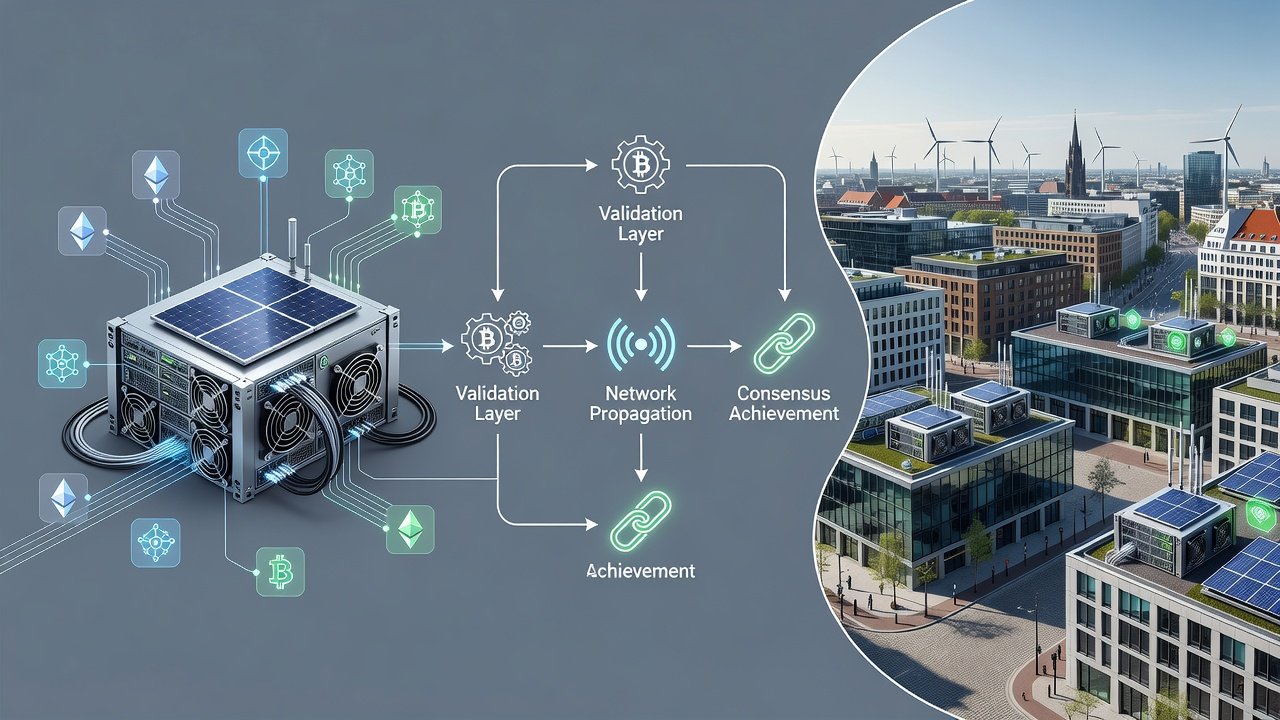
Practical Investor Insights and ROI Calculations
ROI depends on node density and data usage. High-coverage areas yield 15-25% annual returns based on token appreciation and rewards. Factor in hardware costs and electricity for accurate projections, considering variables like seasonal demand fluctuations and network upgrades. Scenario analysis shows break-even periods of 8-14 months in mature markets, with diversification across multiple networks mitigating risks from single-project volatility.
Common Pitfalls to Avoid
- Overestimating coverage in rural zones where node density remains low, leading to suboptimal rewards.
- Ignoring hardware maintenance needs, which can cause unexpected outages and lost earnings.
- Underestimating regulatory hurdles that delay launches by months in heavily regulated areas.
- Neglecting token volatility in ROI models, potentially inflating expected returns during bear markets.
- Failing to diversify hardware suppliers, exposing operators to supply chain disruptions.
Future Scalability Challenges
Scalability hinges on 5G integration and cross-chain interoperability. Challenges include spectrum congestion and hardware standardization, requiring collaborative industry efforts. Continued innovation in AI-optimized node placement and energy harvesting will determine long-term viability, with projections indicating network capacity doubling by 2028 if current trends hold.
Conclusion
DePIN wireless networks offer compelling opportunities in 2026. Thorough analysis of benchmarks, adoption, and risks positions investors and operators for success in this evolving landscape.


No comments yet. Be the first!