 CryptoChain Blog

Introduction to DePIN Node Deployment in 2026
Decentralized Physical Infrastructure Networks (DePIN) continue to expand rapidly in 2026, enabling individuals to earn tokens by operating nodes for wireless connectivity, energy distribution, and data storage. This guide focuses on actionable setups for wireless, energy, and storage protocols, drawing from recent network upgrades and adoption metrics as of early 2026. Operators benefit from combining hardware investments with token incentives while navigating US and EU regulations. The following sections provide step-by-step instructions, comparisons, and checklists to maximize success rates and help both investors and operators understand the full lifecycle of node management.
DePIN projects bridge the gap between blockchain incentives and real-world infrastructure. Participants contribute physical resources such as radio coverage, battery storage capacity, or disk space in exchange for native tokens. As networks mature, integration with existing smart home systems and renewable energy setups becomes more seamless, creating opportunities for passive income streams that complement traditional crypto holdings.
Hardware Requirements for Wireless, Energy, and Storage Nodes
Successful deployment starts with selecting compatible hardware. For wireless networks like Helium, operators need LoRaWAN hotspots with specific frequency support. Energy pilots often require solar inverters and battery systems integrated with smart meters. Storage nodes typically use high-capacity SSD arrays or NAS devices with redundant power supplies. Key considerations include power efficiency, internet bandwidth minimums of 50 Mbps upload, and cooling solutions for continuous operation. Always verify firmware compatibility with the latest protocol updates before purchase.
Wireless Hardware Details
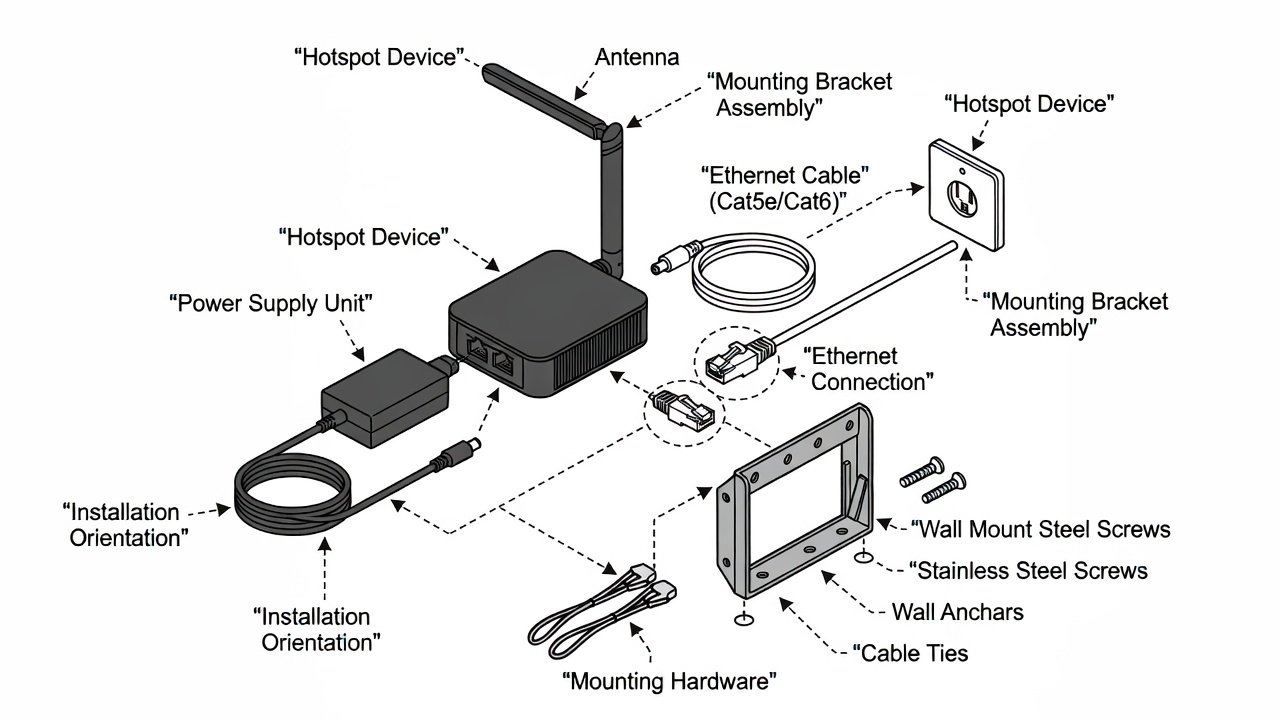
Wireless hotspots must support regional ISM bands and include GPS for location verification. Popular models feature built-in antennas and weatherproof enclosures suitable for outdoor mounting. Pair these with a stable router and consider adding a UPS battery backup to maintain uptime during outages.
Energy Storage Hardware Details
Energy nodes combine lithium-ion batteries with bidirectional inverters capable of grid interaction. Smart meters provide real-time data on energy flow, while weather sensors help optimize solar input. Operators should select systems certified for local electrical codes to avoid compliance issues.
Storage Hardware Details
Decentralized storage requires enterprise-grade drives with high endurance ratings and RAID configurations for data redundancy. Adequate cooling fans and vibration dampening extend hardware lifespan. Network-attached storage units with 10 GbE ports improve transfer speeds for high-demand retrieval tasks.
Step-by-Step Wireless Node Installation
- Choose a location with clear line-of-sight for optimal coverage.
- Connect the hotspot to power and Ethernet.
- Register the device via the official app using your wallet address.
- Configure frequency bands according to regional regulations.
- Test connectivity and monitor initial reward accrual.
Token Reward Calculations and Recent Metrics
Rewards vary by network participation and uptime. Wireless nodes earn based on proof-of-coverage and data transfer volume. Energy storage pilots reward verified energy contributions, while storage protocols compensate for uptime and retrieval requests. Track performance through dashboards provided by each protocol. Calculations often incorporate factors such as signal strength, data relayed, and total network load. Operators can model expected returns by reviewing public analytics dashboards that aggregate daily activity across thousands of nodes. Recent protocol upgrades have introduced dynamic multipliers that favor consistent performers and those located in underserved areas.
Comparing Top Protocols: Helium, Render, and Energy Pilots
Helium leads in wireless IoT coverage with millions of hotspots deployed. Render focuses on decentralized GPU rendering for AI workloads. Emerging energy pilots combine battery storage with grid balancing incentives. Helium official site provides detailed coverage maps, while Render highlights compute marketplace statistics. Energy projects often reference U.S. Department of Energy guidelines for integration standards. When evaluating protocols, consider token utility, governance participation, and historical uptime statistics. Helium excels in geographic coverage density, Render offers higher per-unit compute rewards during peak demand, and energy pilots provide more stable returns tied to actual grid services. Cross-protocol diversification reduces exposure to single-network volatility.
Security Best Practices for Node Operators
Protect private keys with hardware wallets and enable multi-factor authentication on all accounts. Regularly update firmware to patch vulnerabilities. Use VPNs for remote management and monitor for unusual activity. Avoid sharing device credentials or exposing ports unnecessarily. Additional layers include setting up isolated VLANs for node traffic and conducting periodic security audits with open-source tools. Many successful operators maintain offline backup copies of configuration files and practice wallet recovery procedures quarterly.
Regulatory Considerations in the US and EU
US operators must comply with FCC spectrum rules and state-level energy regulations. EU participants follow GDPR for data handling and upcoming digital infrastructure directives. Consult local authorities and review European Commission resources for cross-border compliance. In the US, additional attention to local zoning laws for antenna placement and interconnection agreements for energy export is essential. EU operators should also monitor evolving MiCA regulations that may classify certain DePIN tokens as financial instruments.
Beginner Checklist for DePIN Deployment
- Research protocol tokenomics and current adoption metrics.
- Verify hardware compatibility and warranty terms.
- Set up secure wallet and backup seed phrases offline.
- Install required software and complete identity verification if mandated.
- Monitor network status and join community forums for updates.
- Establish baseline performance metrics before scaling operations.
- Prepare a maintenance schedule including quarterly hardware inspections.
Real Deployment Case Studies
One operator in Texas deployed a combined wireless and energy node in 2025, achieving consistent rewards through solar integration. A European storage node runner reported higher completion rates after implementing redundant internet connections and automated alerts. Another case from California involved a small business that integrated three storage nodes with existing IT infrastructure, using excess capacity during off-peak hours to maximize utilization without additional capital expenditure. These examples illustrate the importance of location-specific optimization and proactive monitoring.
Common Pitfalls to Avoid
Many beginners overlook location optimization, leading to poor coverage scores. Others neglect firmware updates, resulting in missed rewards or security issues. Additional pitfalls include underestimating ongoing electricity costs, failing to diversify across multiple protocols, and ignoring community governance proposals that can affect reward structures. Operators who rush hardware purchases without checking regional frequency approvals often face lengthy troubleshooting periods. Documenting every configuration change helps diagnose issues faster when they arise.
Actionable Investor and Operator Tips
Start small with one node type before scaling. Reinvest a portion of rewards into hardware upgrades. Track ROI through detailed spreadsheets comparing electricity costs against token earnings. Leverage recent protocol upgrades for improved efficiency. Investors should evaluate team transparency and roadmap execution when selecting which networks to support. Joining official Discord channels and attending virtual town halls provides early insight into upcoming changes that could impact node economics.
Conclusion
DePIN node operation in 2026 offers tangible opportunities for those prepared with the right hardware, security measures, and regulatory awareness. Following the checklists and comparisons in this guide helps operators achieve higher success and sustainable returns across wireless, energy, and storage verticals.
FAQ
How scalable are DePIN networks in 2026?
Scalability improves with protocol upgrades that support more devices per region without congestion, allowing networks to handle exponential growth in node count while maintaining reward distribution fairness.
What are typical ROI timelines?
Most operators see initial returns within 3-6 months, depending on network participation and hardware efficiency, with longer timelines possible in emerging energy pilot programs.
Can DePIN nodes integrate with existing crypto portfolios?
Yes, rewards are typically paid in native tokens that can be bridged or swapped into major cryptocurrencies, enabling seamless portfolio management alongside Bitcoin, Ethereum, and other holdings.

No comments yet. Be the first!