 CryptoChain Blog
Introduction to P2P Energy Trading in 2026
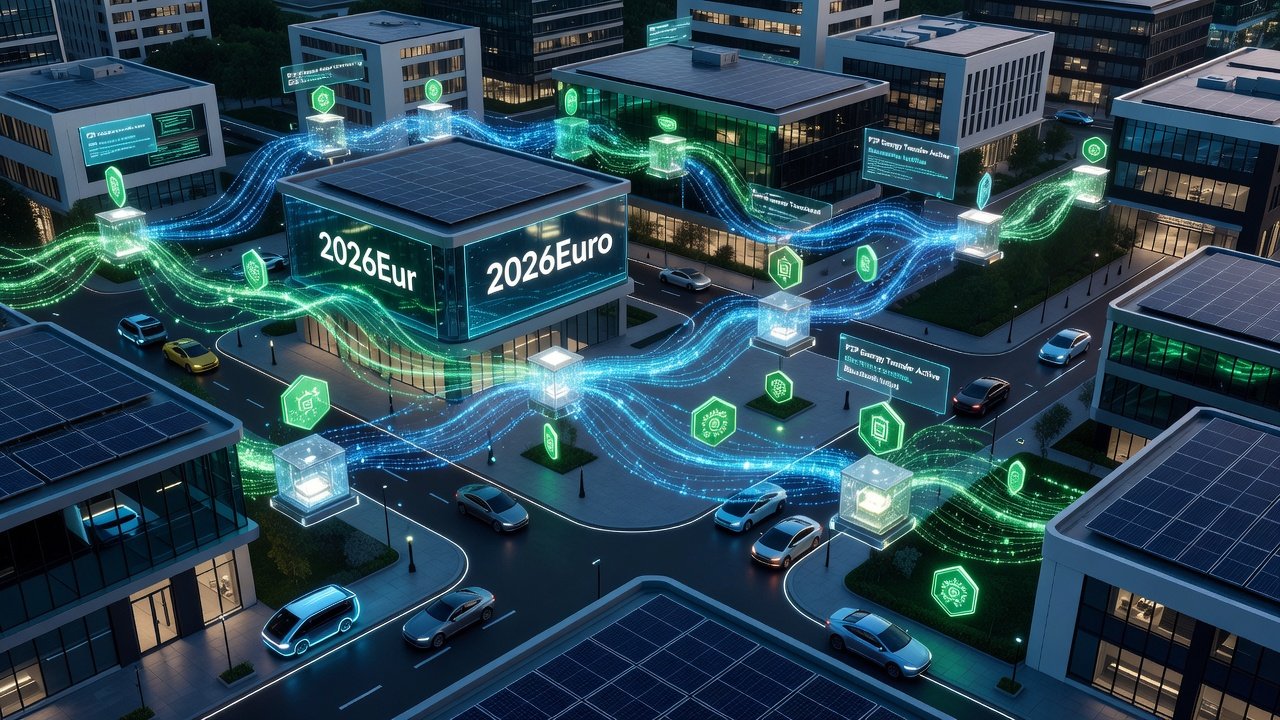
Peer-to-peer (P2P) energy trading allows individuals and small businesses to buy and sell electricity directly, often from renewable sources like solar. In 2026, blockchain technology powers many platforms by providing transparent ledgers, smart contracts for automated settlements, and token incentives that reward participation. This guide delivers practical steps for newcomers, covering regulatory shifts in Europe and Asia, real-world utility pilots, wallet and app setups, network comparisons, and investor-focused risk management. The concept builds on decentralized energy systems that emerged in the 2010s but now leverage advanced blockchain features for scalability and user accessibility. Beginners benefit from understanding how these platforms reduce reliance on traditional utilities while promoting green energy adoption across communities worldwide.
How Blockchain Enables Secure P2P Energy Markets
Blockchain creates immutable records of energy production, consumption, and trades. Smart contracts execute trades automatically when conditions like price or availability are met, reducing intermediaries. Token incentives, such as governance or reward tokens, encourage users to contribute excess solar power or participate in demand response. These systems promote decentralization while maintaining auditability for regulators. For example, a homeowner with rooftop solar can generate excess power during peak sunlight hours and sell it directly to neighbors via tokenized transactions recorded on a distributed ledger. This setup minimizes disputes and ensures every kilowatt-hour is traceable. In practice, platforms integrate with smart meters that feed real-time data into the blockchain, allowing seamless matching of buyers and sellers without central oversight. The technology also supports fractional ownership of energy assets, enabling even those without physical solar panels to invest in community renewable projects through digital tokens.
European and Asian Regulatory Updates for 2026
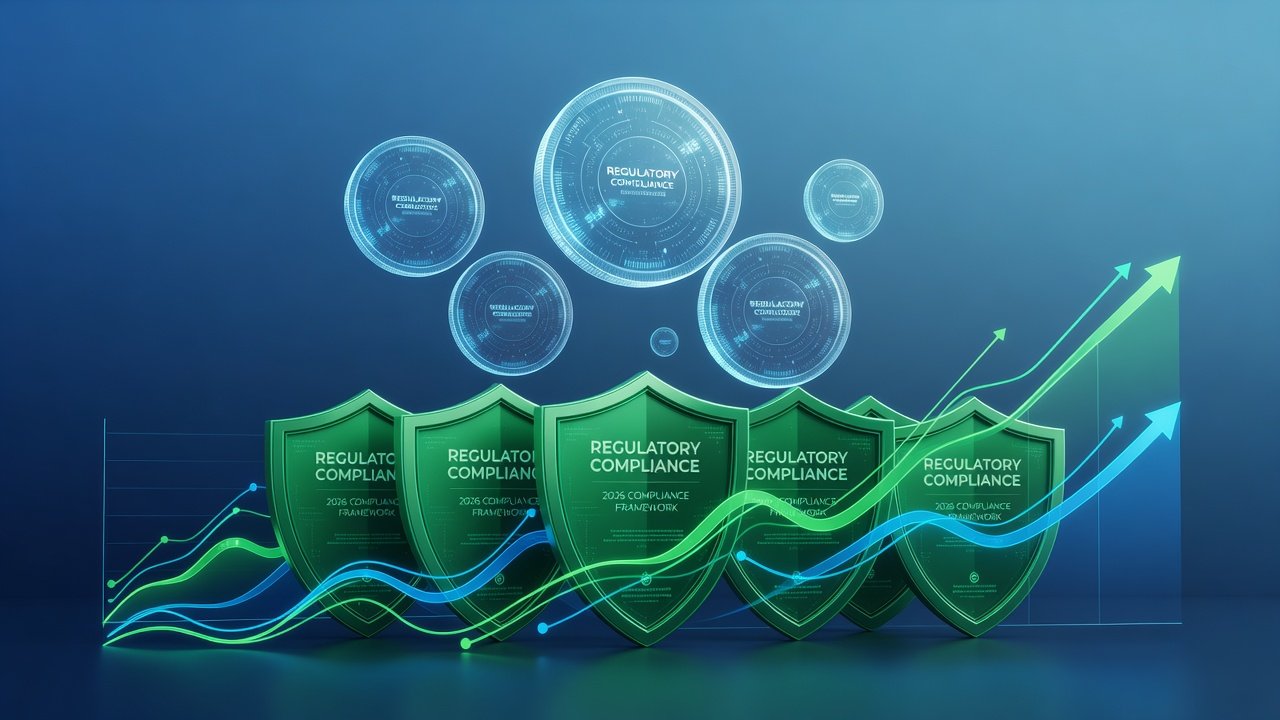
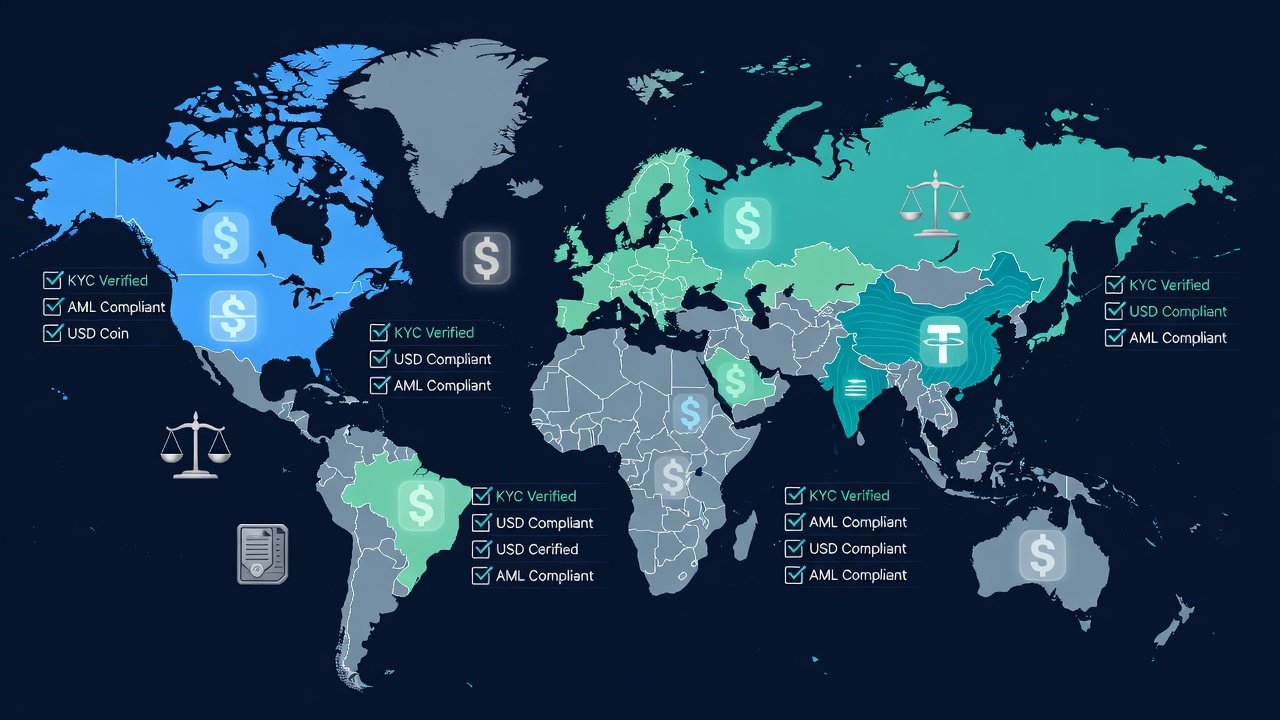
Europe continues refining frameworks under the EU's Clean Energy Package, with updates emphasizing consumer rights in local energy communities. European Environment Agency resources highlight ongoing integration of blockchain for grid flexibility. In Asia, Singapore and Japan have advanced pilot-friendly rules, while South Korea focuses on tokenized renewable certificates. Beginners should monitor local compliance requirements around data privacy and energy licensing before trading. Additional developments include the EU's push for standardized digital identities in energy markets and Asia's emphasis on cross-border renewable trading experiments between neighboring countries. Regulatory sandboxes in both regions allow new platforms to test features under relaxed rules, providing valuable learning opportunities for participants. Always verify your jurisdiction's specific rules on data sharing and financial instruments, as blockchain tokens used in energy trading may fall under securities regulations in certain areas.
Real-World Utility Pilot Examples
Projects like those in Brooklyn, New York, and various European microgrids demonstrate live P2P trading. In Asia, Australian and Japanese utilities test blockchain platforms for residential solar exports. These examples show how households trade kilowatt-hours in real time, with blockchain ensuring fair pricing and instant settlement. Further cases include pilot programs in Germany where blockchain enables apartment buildings to share solar output among residents, and similar initiatives in Thailand where rural communities use mobile apps linked to blockchain for off-grid trading. One notable European example involves a Dutch utility partnering with local cooperatives to tokenize excess wind energy, allowing participants to earn rewards redeemable for grid services. In Asia, a Singapore-based project integrates electric vehicle charging stations into the P2P network, where drivers can sell stored battery power back to the grid during high-demand periods. These pilots highlight both successes in user adoption and challenges like initial setup complexity, offering beginners insights into what to expect when joining similar platforms.
Step-by-Step Setup for Wallets and Trading Apps
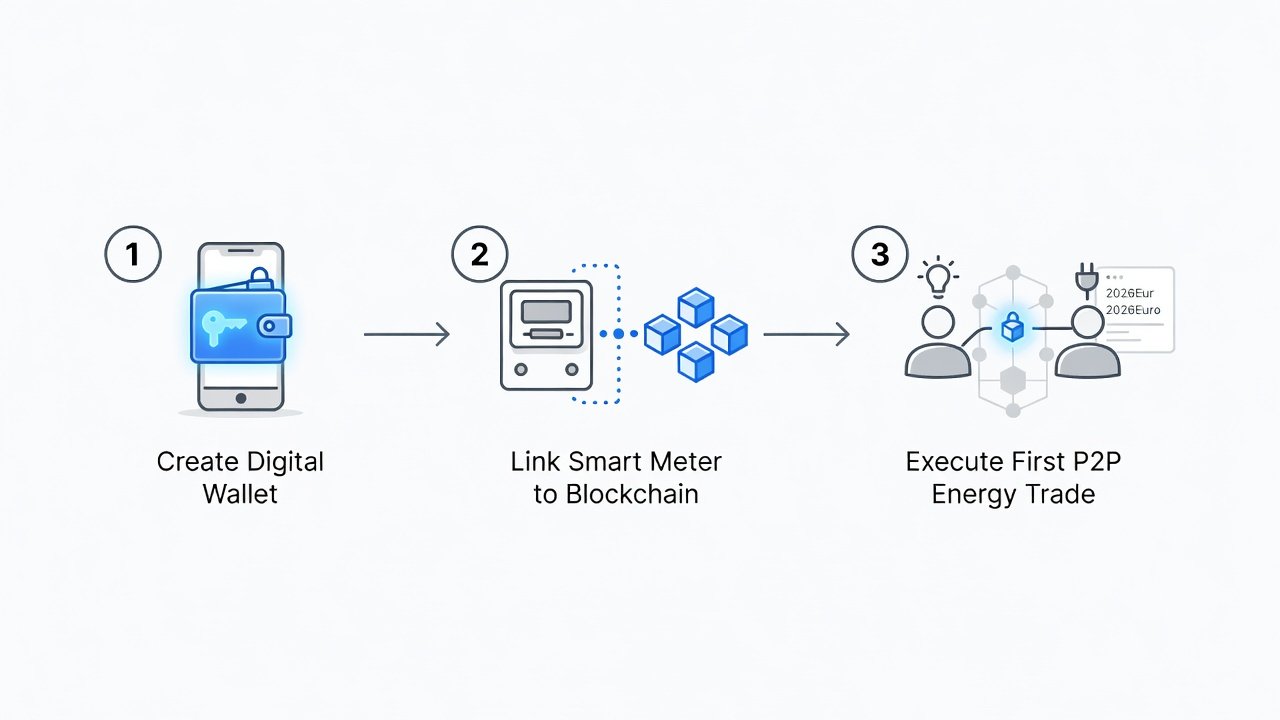
1. Choose a compatible wallet supporting the target blockchain (e.g., MetaMask for Ethereum-based networks or dedicated energy apps). Research options that prioritize security features like biometric login and seed phrase encryption.
2. Download from official sources and create a new wallet, backing up the seed phrase securely offline in multiple locations to prevent loss.
3. Verify identity if required by the platform for regulatory compliance, often through video calls or document uploads compliant with KYC standards.
4. Connect the wallet to a P2P energy trading app via QR code or API link, ensuring the connection uses encrypted channels.
5. Fund the wallet with the necessary tokens or stablecoins for transaction fees, starting small to test network conditions.
6. Link your smart meter or energy account to verify production data, granting the platform read-only access where possible to maintain privacy.
7. Start with small test trades to understand fees and settlement times, reviewing transaction history on the blockchain explorer afterward.
8. Monitor ongoing performance through dashboard analytics provided by the app, adjusting strategies based on real usage patterns.
Comparing Top Blockchain Networks for Energy Trading
Popular options include Ethereum for its mature ecosystem and Layer-2 scaling, Polygon for lower fees, and specialized chains like Energy Web Chain designed for utilities. Compare transaction speed, energy consumption of the consensus mechanism, and developer support. Ethereum remains dominant for token standards, while newer networks prioritize sustainability. For instance, Ethereum's mainnet offers robust security but higher gas fees during congestion, whereas Polygon provides near-instant confirmations ideal for frequent small trades. Energy Web Chain stands out for its focus on energy-specific use cases, including built-in support for renewable energy certificates. When evaluating, consider factors such as interoperability with existing utility infrastructure, community governance models, and historical uptime records. Beginners may start on testnets of these networks to experiment without financial risk before committing real assets.
Investor Tips on Risk Management
Begin with diversified small positions across multiple platforms and networks to spread exposure. Monitor token volatility and platform liquidity daily using on-chain analytics tools. Use hardware wallets for larger holdings and enable multi-factor authentication on all accounts. Understand smart contract risks by reviewing audits from reputable firms before participating. Stay informed on regulatory changes that could affect token utility or trading permissions through official government channels. Avoid over-leveraging in early-stage pilots by setting strict position limits based on personal financial goals. Additional strategies include diversifying between physical energy assets and digital tokens, maintaining emergency reserves outside the platform, and participating in community forums to learn from experienced users about emerging risks like network forks or oracle failures.
Frequently Asked Questions on Compliance
- Is P2P energy trading legal in my region? Check local energy regulations; many jurisdictions now permit it within licensed frameworks, but always confirm with energy authorities.
- What taxes apply to energy token rewards? Rewards may be treated as income; consult a tax professional familiar with digital assets in your country.
- How do platforms handle data privacy? GDPR and similar laws require consent for meter data sharing on blockchain, with options for anonymized participation in some cases.
- Can beginners trade without owning solar panels? Some platforms allow participation via demand response or virtual tokens representing future energy production.
- What happens if a trade fails due to network issues? Most platforms include fallback mechanisms like refunds or retries, but review the terms for specific protections.
Conclusion
2026 offers accessible entry points for P2P energy trading on blockchain. By following structured setup steps, understanding regulations, and applying sound risk practices, beginners can participate confidently while contributing to decentralized renewable markets. This approach not only supports environmental goals but also opens new avenues for personal energy independence and community collaboration.
No comments yet. Be the first!