 CryptoChain Blog
Introduction to the 2026 Crypto ETF Landscape
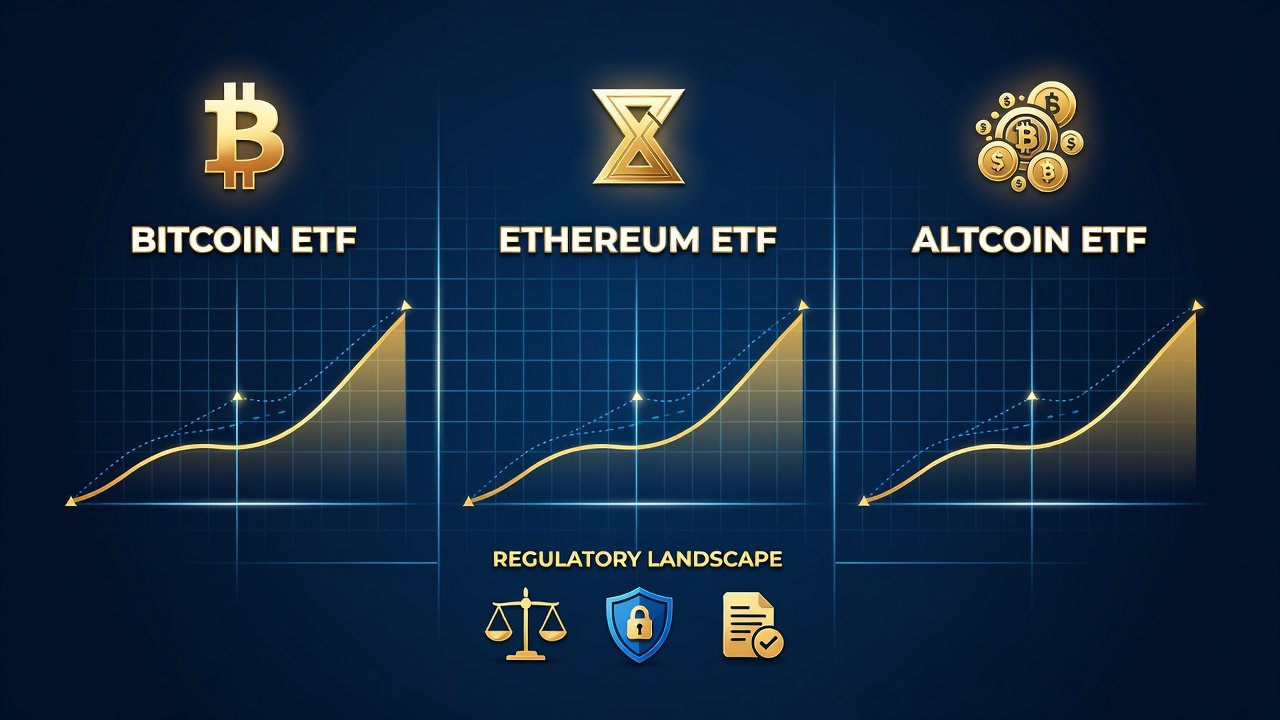
The crypto ETF market has matured significantly by 2026, driven by institutional adoption and clearer regulatory frameworks from bodies such as the U.S. Securities and Exchange Commission. Investors now have access to diversified products tracking Bitcoin, Ethereum, and select altcoins. This comprehensive showdown examines top performers across key metrics including performance data, fee structures, liquidity levels, and regulatory nuances. Understanding these elements is essential for building resilient portfolios in a volatile asset class. Rising adoption trends show that crypto ETFs are no longer niche instruments but mainstream vehicles for both retail and institutional participants seeking regulated exposure without direct custody challenges.
Leading Bitcoin ETFs: Performance and Metrics
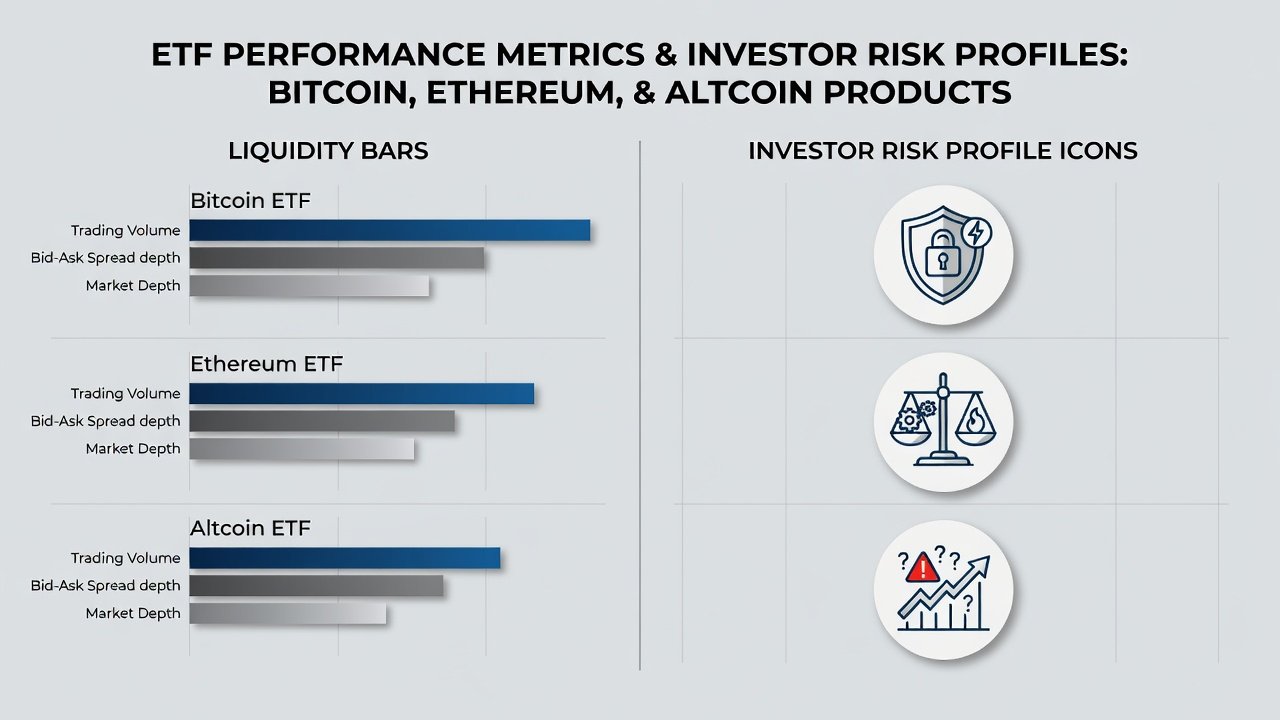
Bitcoin-focused ETFs remain the cornerstone of crypto portfolios due to their established track records and high liquidity. Key offerings include established products with strong liquidity and competitive fee structures that have evolved to meet growing demand. Performance in 2026 has reflected broader market trends, with emphasis on tracking accuracy and trading volume. Investors benefit from tight bid-ask spreads and consistent alignment with spot Bitcoin prices. Several funds have demonstrated resilience during market corrections by maintaining low tracking errors, making them suitable for long-term holders. Liquidity data indicates robust daily volumes that support large position entries and exits without significant slippage.
Ethereum ETFs: Growth and Comparison
Ethereum ETFs have gained traction following network upgrades, offering exposure to staking yields and DeFi ecosystems. Side-by-side analysis reveals differences in expense ratios and underlying asset management strategies. These products often incorporate mechanisms to capture network rewards while navigating volatility in gas fees and smart contract activity. Performance metrics highlight how Ethereum ETFs have outperformed in periods of heightened DeFi activity compared to pure Bitcoin vehicles. Regulatory nuances include compliance with evolving rules around proof-of-stake validation, which adds layers of complexity for fund managers.
| ETF Category | Expense Ratio Range (as of 2026-10-04) | Avg. Daily Volume (2026) | Regulatory Notes |
|---|---|---|---|
| Bitcoin ETFs | 0.20%-0.95% | High | SEC-approved spot products |
| Ethereum ETFs | 0.25%-1.00% | Medium-High | Post-upgrade compliance |
| Altcoin ETFs | 0.40%-1.50% | Variable | Emerging approvals |
Altcoin-Focused ETFs: Opportunities and Risks
Altcoin ETFs target assets like Solana or Avalanche, providing diversified exposure beyond majors. Liquidity varies significantly across products, and regulatory nuances require careful review before allocation. These funds appeal to investors seeking higher growth potential but introduce elevated volatility and correlation risks with broader crypto markets. Performance breakdowns often show outsized gains during bull phases offset by sharper drawdowns in bear markets. Fund managers must navigate unique challenges such as token-specific governance changes and varying levels of on-chain transparency.
Step-by-Step Selection Criteria by Risk Profile
Selecting the right crypto ETF requires a structured approach tailored to individual circumstances. Conservative investors should prioritize low-fee Bitcoin ETFs with proven liquidity and minimal tracking deviation. Moderate-risk profiles can incorporate a mix of Bitcoin and Ethereum products to balance stability with growth potential. Aggressive investors may allocate portions to altcoin-focused ETFs after thorough due diligence on underlying assets. Follow these detailed steps: first, assess your overall risk tolerance through a personal financial review; second, review liquidity data from major exchanges and average daily trading volumes; third, evaluate fee structures alongside historical tracking error reports; fourth, consider regulatory compliance with bodies like the U.S. Securities and Exchange Commission; fifth, match products to your investment horizon and goals; and finally, simulate portfolio impacts using available analytical tools.
Real-World Allocation Examples
A moderate-risk portfolio might allocate 60% to Bitcoin ETFs, 25% to Ethereum products, and 15% to altcoin ETFs, with quarterly adjustments based on market conditions and performance drift. For conservative investors, an 80% Bitcoin and 20% Ethereum split provides core exposure while limiting volatility. Aggressive examples could include 40% Bitcoin, 30% Ethereum, and 30% altcoin-focused products, rebalanced more frequently during high-volatility periods. These examples illustrate how risk profiles influence weighting decisions and demonstrate the importance of ongoing monitoring to maintain target allocations.
Tax Implications for Crypto ETF Investors
ETFs are typically treated as securities for tax purposes, meaning capital gains and losses follow standard reporting requirements. Consult IRS guidelines via the Internal Revenue Service for details on holding periods, wash-sale rules, and qualified dividend treatment where applicable. Investors should track cost basis carefully across multiple purchases and consider tax-loss harvesting opportunities during market downturns. International investors face additional considerations around foreign tax credits and reporting obligations that vary by jurisdiction.
Rebalancing Tactics and Common Pitfalls
Rebalance annually or when allocations drift beyond 5% from targets to maintain desired risk levels. Effective tactics include threshold-based rebalancing triggered by percentage deviations and calendar-based reviews every quarter. Common pitfalls include chasing recent performance without evaluating underlying fundamentals, ignoring liquidity constraints in less-traded altcoin ETFs, and overlooking tax consequences during frequent trades. Another frequent mistake is failing to account for correlation shifts between crypto assets during macroeconomic events, which can undermine diversification benefits.
Practical Checklist for Getting Started
- Define clear investment objectives and risk tolerance levels.
- Compare current ETF prospectuses and historical performance reports.
- Set up brokerage accounts offering broad ETF access and low commissions.
- Monitor regulatory updates from authoritative sources on a regular schedule.
- Implement tax-loss harvesting strategies where appropriate.
- Establish automated alerts for significant allocation drifts.
- Review portfolio performance against benchmarks quarterly.
Conclusion
Navigating the 2026 crypto ETF landscape demands careful analysis of performance, costs, and regulatory factors. By applying structured selection criteria and avoiding common pitfalls, investors can build allocations aligned with their goals. Use the provided checklist and FAQ as immediate action tools to implement insights effectively.
FAQ
What are the main differences between Bitcoin and Ethereum ETFs?
Bitcoin ETFs focus primarily on price tracking while Ethereum products often incorporate staking elements and exposure to decentralized applications, leading to distinct risk-return profiles.
How do fees impact long-term returns?
Lower expense ratios compound favorably over multi-year horizons by reducing drag on net performance, especially in sideways or modestly growing markets.
Are altcoin ETFs suitable for beginners?
They carry higher volatility and suit experienced investors with already diversified portfolios who can tolerate larger fluctuations.
What liquidity considerations apply to these ETFs?
High-volume Bitcoin ETFs generally offer superior execution while altcoin products may experience wider spreads during low-volume periods.


No comments yet. Be the first!