 CryptoChain Blog
Introduction to Blockchain in Trade Finance
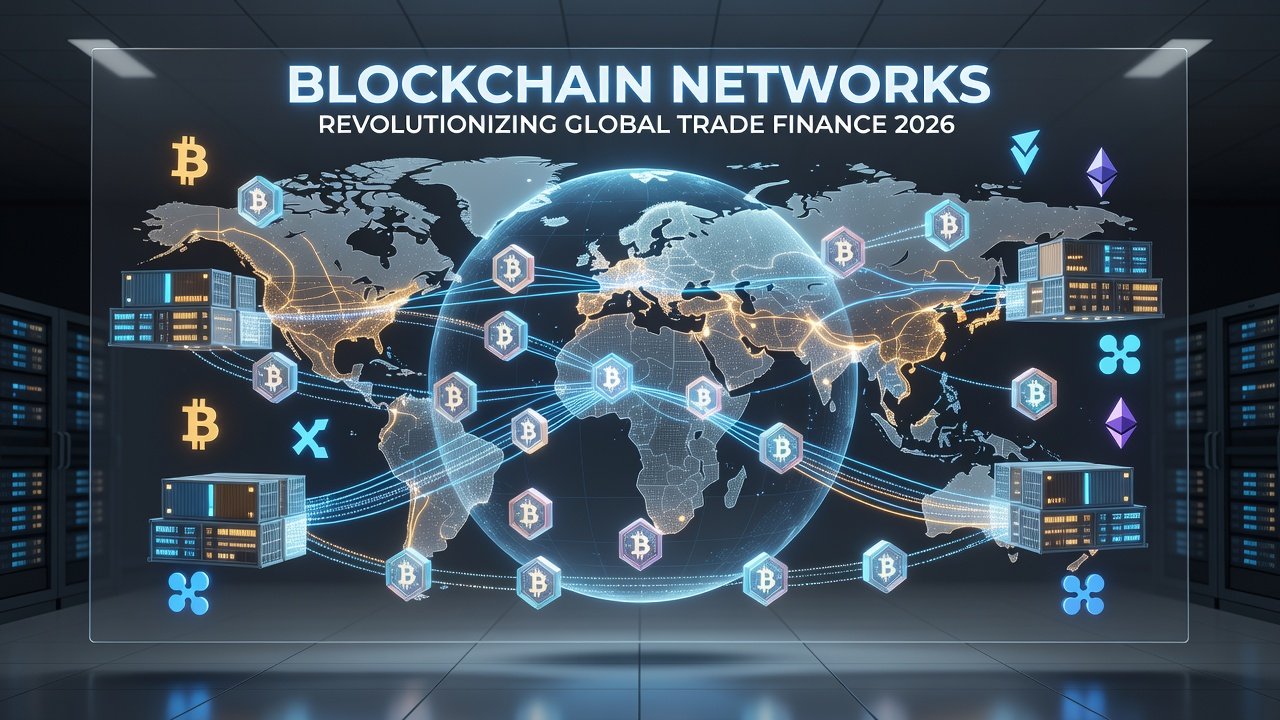
In 2026, the intersection of cryptocurrencies and blockchain technology is fundamentally reshaping global trade finance. Traditional processes that once relied on paper-based documentation, multiple intermediaries, and slow verification steps are giving way to decentralized systems that promise faster settlements, reduced operational costs, and unprecedented transparency across borders. This transformation is fueled by measurable efficiency gains and the influx of new market entrants ranging from specialized fintech firms to forward-thinking exporters who seek alternatives to entrenched banking networks. The core appeal stems from blockchain's capacity to create immutable, shared records and enable smart contracts that automatically execute complex trade agreements when predefined conditions are met. Professionals actively searching for cryptocurrency analysis and market insights will recognize that these developments are no longer experimental but are actively disrupting a sector handling trillions of dollars in annual transactions, with adoption accelerating amid shifting geopolitical trade dynamics.
Letter-of-Credit Tokenization: A Game Changer
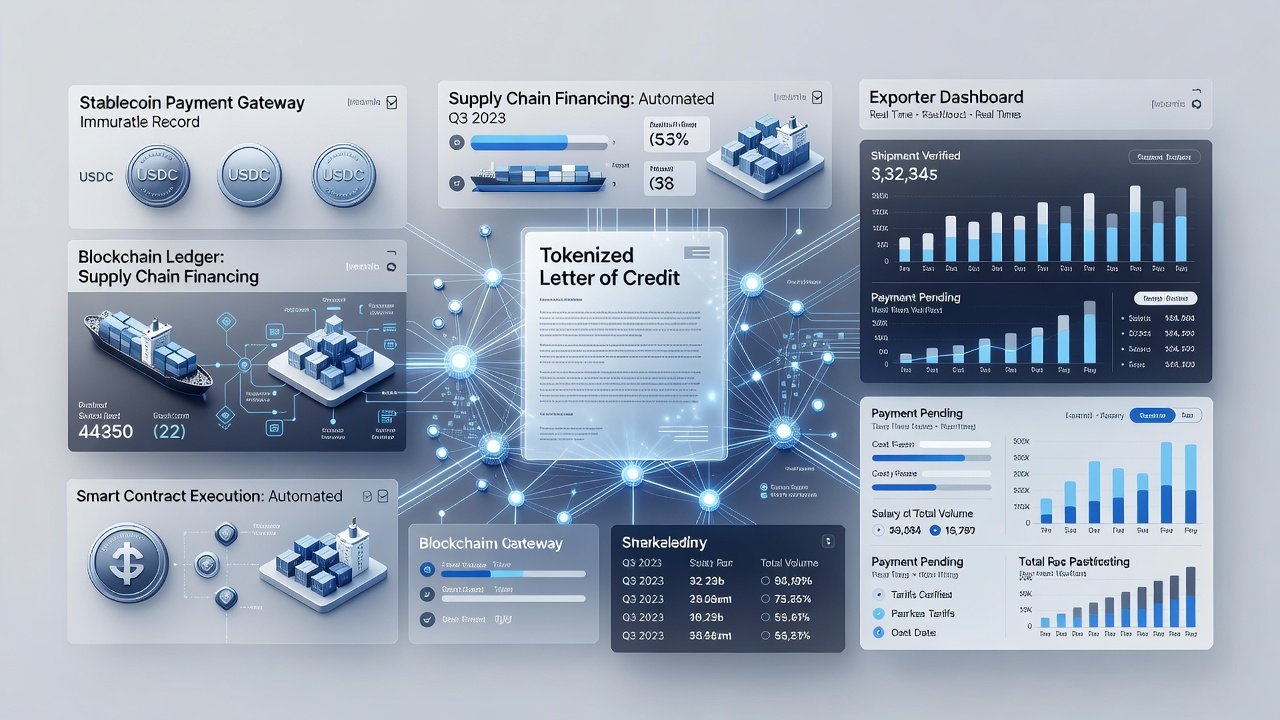
One of the most impactful advancements involves the tokenization of letters of credit. Legacy LC processes require coordination among issuing banks, advising banks, and confirming banks, often resulting in delays of five to ten business days and elevated risks of document fraud or discrepancies. Blockchain tokenization converts LCs into unique digital assets recorded on a distributed ledger, enabling real-time visibility, instant verification by authorized parties, and automated release of funds upon shipment confirmation. This approach dramatically lowers counterparty risk while allowing smaller exporters to participate without facing prohibitive collateral requirements. In practice, a tokenized LC can move from issuance to settlement in under 24 hours during controlled pilots, compared with the multi-day timelines of conventional systems. The technology also supports fractional ownership, opening secondary markets for trade instruments that were previously illiquid.
Supply Chain Financing Platforms Powered by Blockchain
Supply chain financing platforms have matured significantly through blockchain integration. These platforms create a unified digital ecosystem linking buyers, suppliers, logistics providers, and financiers. Stablecoins serve as a critical bridge for cross-border value transfer, offering price stability that sidesteps the volatility of other cryptocurrencies while maintaining the speed and traceability of blockchain networks. Integration allows invoice discounting and early payments to occur without repeated reliance on SWIFT messaging for every step. SWIFT has itself conducted blockchain interoperability pilots, signaling a hybrid future where legacy rails coexist with distributed ledger solutions. Platforms now incorporate AI-driven risk scoring that draws directly from on-chain data, further improving financing decisions for exporters in emerging markets.
Real-World Case Studies from Banks and Exporters
European banks collaborating with Asian electronics exporters in late 2025 and early 2026 trials tokenized LCs for high-volume shipments, achieving a 70 percent reduction in processing time and near-elimination of manual data-entry errors. Exporters gained faster access to working capital because funds were released automatically upon digital proof-of-delivery rather than after physical document reconciliation. In Latin America, an agricultural exporter integrated stablecoin-based payments into its supply chain financing workflow, bypassing several layers of currency conversion and correspondent banking fees while accelerating cash flow for seasonal operations. A Middle Eastern logistics firm partnered with a blockchain-native fintech to tokenize receivables from energy equipment trades, attracting new investor participation through transparent, auditable performance data. These examples illustrate how agile new entrants are pressuring traditional banks to accelerate their own digital offerings or risk losing market share.
Comparing Blockchain Solutions to Legacy Systems
Legacy trade finance depends on siloed databases, physical paper trails, and sequential manual checks that create bottlenecks and fraud opportunities. Blockchain alternatives deliver end-to-end visibility, programmable compliance via smart contracts, and drastically reduced reconciliation overhead. While legacy infrastructure benefits from decades of regulatory precedent, blockchain introduces programmability and composability that legacy systems cannot replicate. Efficiency improvements translate into lower risk premiums for participating firms and faster capital recycling. Market insights for 2026 indicate accelerating adoption among companies that prioritize speed and resilience in an environment of fluctuating tariffs and supply disruptions.
Practical Steps for Adoption
Organizations preparing for blockchain trade finance should pursue a structured approach:
- Map existing workflows in detail to pinpoint delays in LC issuance, document checking, or payment settlement.
- Identify reputable blockchain providers or bank partners already running production pilots and begin with low-risk trade corridors to test integration.
- Align tokenized solutions with current ERP and accounting systems while investing in staff training on digital asset custody and wallet management.
- Embed regulatory compliance tools from day one, including automated KYC/AML screening and audit trails that satisfy multiple jurisdictions.
- Establish clear KPIs around settlement speed, error rates, and financing cost reductions, then scale successful pilots across additional product lines and regions.
Following these steps allows firms to capture efficiency gains while managing transition risks.
New Market Entrants and 2026 Market Insights
Beyond traditional banks, specialized platforms and decentralized finance protocols are entering the space with tailored products for mid-market exporters. These entrants often emphasize user-friendly interfaces and lower minimum transaction sizes, broadening access. Cryptocurrency analysis shows stablecoin volumes supporting trade finance growing steadily as regulatory clarity improves in key jurisdictions. Professionals monitoring these trends should track interoperability standards and cross-chain settlement capabilities that will determine which solutions achieve mainstream scale.
FAQ: Addressing Regulatory Hurdles
What are the primary regulatory challenges?
Challenges include inconsistent global treatment of digital assets, evolving KYC/AML expectations, and differing classifications of tokenized instruments as securities or commodities across borders.
How are regulators responding in 2026?
Many jurisdictions are advancing frameworks that recognize blockchain records while requiring independent audits. The Bank for International Settlements continues to coordinate with national authorities to promote consistent standards.
Do stablecoin integrations face extra restrictions?
Yes, several regions mandate reserve audits and disclosure requirements. Exporters benefit from selecting issuers that already comply with these rules.
Where can firms find reliable guidance?
Official resources such as World Bank publications on digital trade finance and consultations with specialized fintech legal counsel provide actionable direction.
Conclusion
The blockchain-driven revolution in trade finance during 2026 offers clear pathways to greater efficiency, inclusivity, and resilience. By strategically adopting tokenization, stablecoin integration, and innovative platforms, professionals can secure competitive advantages while navigating regulatory requirements. Thoughtful implementation and continuous monitoring of market developments will determine which organizations thrive in this evolving landscape.
No comments yet. Be the first!