 CryptoChain Blog
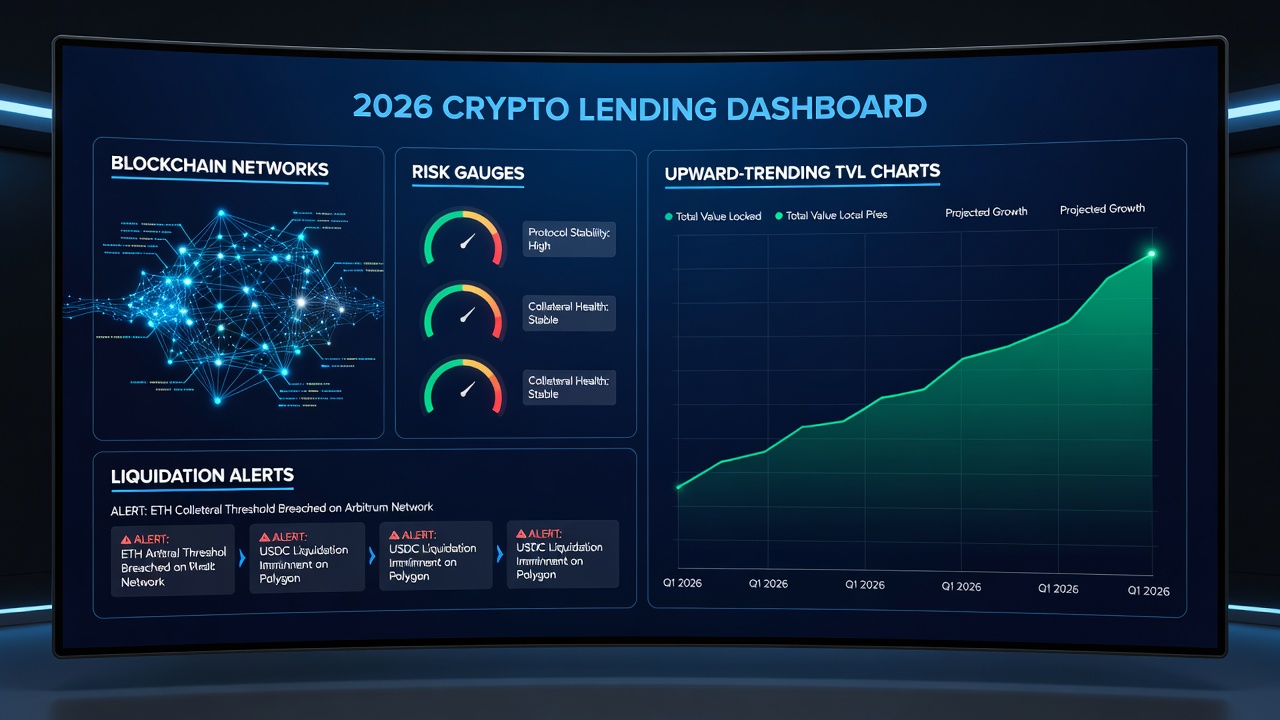
Introduction to Crypto Lending in 2026
The crypto lending sector has matured significantly by 2026, blending centralized finance (CeFi) and decentralized finance (DeFi) models. Investors seek yield through lending protocols, but risks such as liquidation cascades and smart contract vulnerabilities remain prominent. This analysis draws on TVL trends and borrower behavior to provide actionable insights for both retail and institutional participants navigating an increasingly complex market environment.
As adoption grows, platforms must balance attractive yields with robust risk management frameworks. Understanding these dynamics helps users avoid common pitfalls that have historically led to substantial losses during market stress periods.
Centralized vs Decentralized Crypto Lending Platforms
Centralized platforms like those offered by major exchanges provide user-friendly interfaces and higher liquidity, while decentralized protocols emphasize transparency via smart contracts. Key differences include custody models and interest rate mechanisms. Borrower behavior shows increased preference for overcollateralized DeFi loans amid regulatory scrutiny. CeFi options often appeal to newcomers due to familiar onboarding processes, whereas DeFi attracts those prioritizing self-custody and algorithmic rate setting. In practice, many users now employ hybrid strategies, splitting assets across both types to diversify exposure.
Key Risk Factors: Liquidation Cascades and Smart Contract Vulnerabilities
Liquidation cascades occur when falling asset prices trigger mass sell-offs, amplifying market downturns. Smart contract vulnerabilities, such as reentrancy attacks or oracle manipulations, have led to exploits in recent years. Practical evaluation steps include auditing reports and monitoring on-chain metrics. Beyond these headline risks, additional concerns involve counterparty defaults in CeFi and governance attacks in DeFi where token holders can push through unfavorable changes.
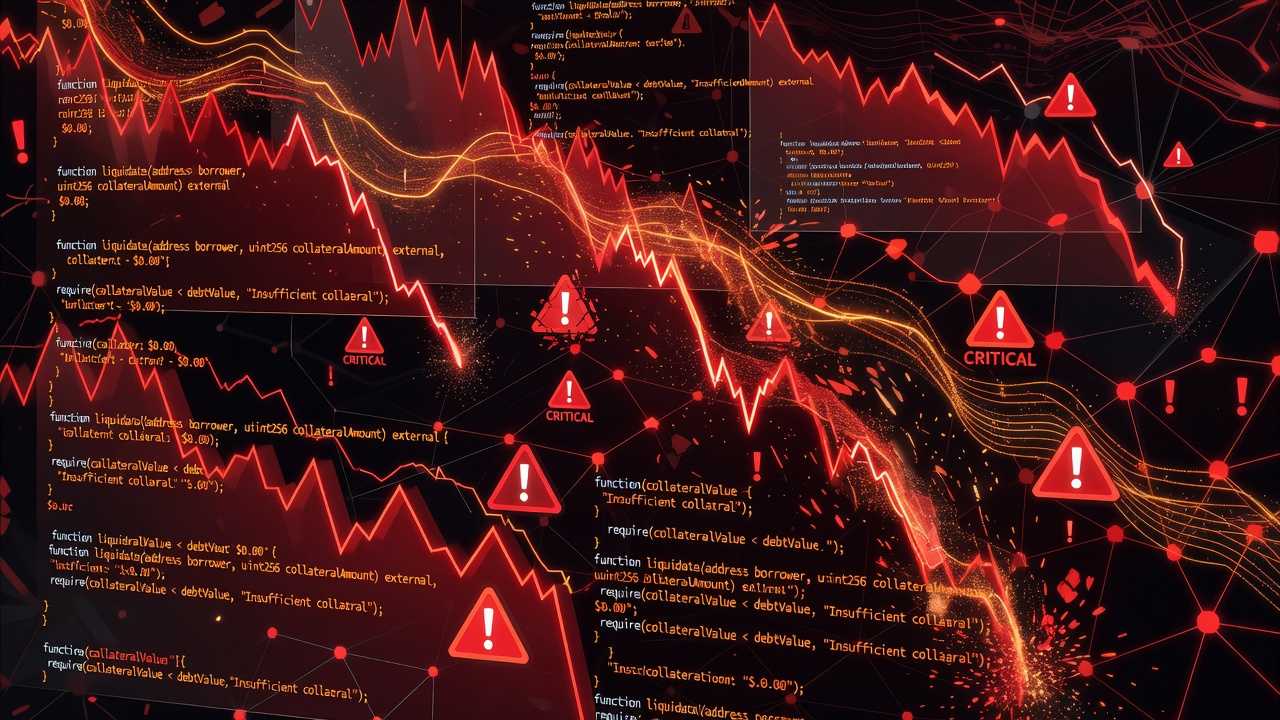
Understanding Liquidation Mechanisms in Detail
Platforms typically set health factor thresholds that determine when positions become eligible for liquidation. During rapid price drops, automated bots execute liquidations at discounted rates, which can create feedback loops if collateral values plummet faster than liquidators can respond. Historical examples demonstrate how a single large borrow position unwinding can cascade across multiple protocols sharing similar collateral pools.
Smart Contract Security Challenges
Even audited contracts remain susceptible to novel attack vectors. Developers must continuously monitor for zero-day vulnerabilities and implement upgrade mechanisms that do not compromise decentralization principles. Users should track protocol bug bounty programs and recent code changes via public repositories to stay informed.
Practical Steps for Evaluating Platform Security
- Review third-party audits from firms like Certik or PeckShield, paying close attention to severity ratings and remediation timelines rather than simply checking for the presence of an audit.
- Analyze TVL trends on DefiLlama for sustainability signals, including breakdowns by asset type and chain to identify concentration risks.
- Assess interest rate dynamics for yield stability during volatility by reviewing historical utilization rates and reserve factors that protect lenders during high borrow demand.
- Examine governance tokens and community voting power to determine whether decision-making is sufficiently decentralized or dominated by a small group of large holders.
- Evaluate insurance funds or backstop mechanisms that can absorb losses in extreme scenarios, reviewing their size relative to total borrowed amounts.
Interest Rate Dynamics and Yield Sustainability
Interest rates in crypto lending fluctuate with supply and demand. Sustainable yields depend on borrower repayment rates and collateral quality. In 2026, platforms emphasize dynamic rate models to mitigate risks from sudden market shifts. Lenders benefit from understanding how utilization curves influence returns and when rates may spike or drop sharply based on protocol parameters.
Regulatory Influences on Lending Protocols
Global regulations shape the landscape, with bodies like the SEC focusing on compliance. Platforms adapting to KYC/AML requirements see steadier growth. Check updates from SEC.gov for ongoing developments. Additional oversight from international bodies affects cross-border lending flows and may introduce new reporting obligations that indirectly impact available yields.
Platform Comparisons in 2026
Comparing leading protocols involves metrics like TVL, supported assets, and historical uptime. DeFi options often yield higher returns but carry greater technical risks compared to CeFi counterparts. Factors such as supported collateral diversity, liquidation speed, and integration with other DeFi primitives should also factor into decision-making processes for serious participants.
Real-World Case Studies of Lending Market Disruptions
Recent disruptions highlight the impact of cascading liquidations during crypto price drops. One protocol faced a major exploit due to unpatched smart contract code, resulting in significant TVL decline. Lessons include the need for robust risk parameters and diversified collateral. Another incident involved a CeFi platform experiencing liquidity mismatches when borrowers defaulted en masse, underscoring the importance of stress testing reserve levels under various market scenarios.
TVL Trends and Borrower Behavior Analysis
TVL in crypto lending has shown recovery patterns in 2026, driven by institutional participation. Borrower behavior indicates a shift toward lower leverage ratios to avoid liquidations. On-chain data reveals that average loan-to-value ratios have moderated compared to earlier cycles, reflecting greater caution among sophisticated users who actively monitor health factors and adjust positions proactively.
Conclusion
Navigating crypto lending in 2026 requires balancing yield opportunities with rigorous risk assessment. By following structured evaluation steps and monitoring regulatory changes, investors can make informed decisions that align with their risk tolerance and investment horizon.
FAQ
What are the main risks in crypto lending?
Liquidation cascades, smart contract bugs, and interest rate volatility top the list, alongside counterparty and governance risks that vary by platform type.
How can I assess a platform's security?
Start with audits, on-chain data from DefiLlama, and review of governance practices along with insurance coverage and historical incident responses.
Are regulatory changes affecting yields?
Yes, compliance often leads to more stable but potentially lower yields over time as platforms implement additional controls and reporting.
What role does TVL play in platform evaluation?
High and stable TVL generally signals user confidence and liquidity depth, though rapid inflows without corresponding security improvements can mask underlying vulnerabilities.
How do borrower behavior patterns influence lending risks?
Conservative leverage usage reduces liquidation pressure across the ecosystem, while aggressive borrowing during bull markets can amplify downside when corrections occur.

No comments yet. Be the first!