 CryptoChain Blog
Introduction to IP Tokenization in 2026
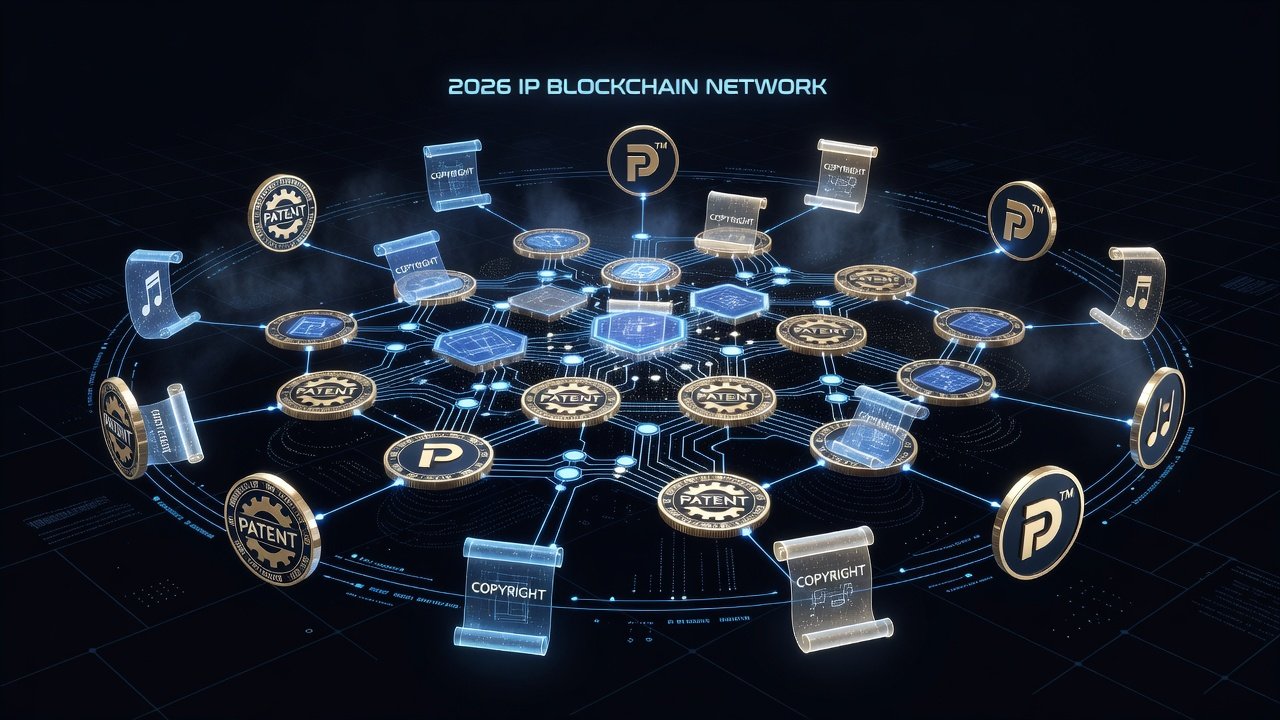
The intersection of blockchain technology and intellectual property (IP) is emerging as one of the most transformative trends in crypto for 2026. Tokenizing IP assets such as patents, copyrights, and trademarks allows creators and owners to fractionalize ownership, unlock liquidity, and streamline transactions in ways traditional systems cannot match. This shift disrupts conventional IP frameworks by bringing transparency, efficiency, and global accessibility to markets previously plagued by illiquidity and high barriers. Forward-looking professionals in tech, entertainment, and finance are increasingly exploring these opportunities as blockchain infrastructure matures and investor appetite for alternative assets grows.
Tokenization converts IP rights into digital tokens on a blockchain, enabling fractional ownership, faster trading, and automated royalty distribution via smart contracts. In 2026, this trend is accelerating due to improved scalability on networks like Ethereum and emerging layer-2 solutions, alongside clearer legal pathways in select regions. The result is a more democratic IP ecosystem where individual creators can access capital without selling entire portfolios outright.
How Tokenization Creates Liquidity for IP Assets
Traditional IP licensing often involves lengthy negotiations, high legal fees, and limited access for smaller investors. Blockchain tokenization addresses these issues by representing IP rights as tradable tokens. This fractionalization means a single patent can be divided into thousands of shares, each owned by different parties, dramatically increasing market participation and allowing real-time price discovery through decentralized exchanges.
Market insights from 2026 indicate growing adoption across sectors, driven by improved blockchain scalability and regulatory clarity in key jurisdictions. Liquidity pools for tokenized IP are forming on decentralized platforms, allowing 24/7 trading and reducing the months-long timelines typical of conventional deals. This creates new opportunities for both institutional funds and retail participants seeking exposure to high-value creative and technological assets.
Benefits Over Conventional Models
- Instant settlement and reduced counterparty risk through atomic swaps
- Global investor access without geographic restrictions or intermediary gatekeepers
- Automated compliance and royalty payments enforced by immutable smart contracts
- Enhanced transparency through immutable ledgers that record every ownership transfer
- Lower entry barriers enabling micro-investments starting at fractions of a token
Regulatory Hurdles Across Jurisdictions
Despite the promise, tokenizing IP faces significant regulatory challenges. Different countries treat digital assets and IP rights variably, creating compliance complexities. In the United States, the SEC scrutinizes whether tokenized IP qualifies as securities, while the European Union emphasizes data protection under GDPR alongside IP laws. Additional considerations arise in Asia, where jurisdictions like Singapore offer sandbox environments for testing tokenized assets, yet enforce strict anti-money laundering rules.
Creators must navigate varying definitions of ownership transfer and tax implications. Jurisdictions like Switzerland and the UAE provide more progressive frameworks that attract early projects, whereas others lag with unclear guidelines on whether tokens represent true ownership or merely contractual rights. Ongoing international efforts by organizations such as WIPO aim to harmonize standards, but 2026 remains a period of patchwork regulations requiring expert legal navigation and jurisdiction-specific structuring.
Real-World Case Studies
Several high-profile examples illustrate the practical impact of IP tokenization. In the tech sector, a major semiconductor firm tokenized portions of its patent portfolio on a permissioned blockchain, enabling smaller investors to participate in licensing revenues while the company retained core control through governance tokens. In entertainment, music labels have experimented with tokenizing song catalogs, allowing fans and investment funds to own fractional rights and receive direct royalty shares distributed automatically each quarter.
Another notable case involves a Hollywood studio that tokenized distribution rights for a film franchise, creating tradable tokens that granted holders proportional revenue from streaming and merchandise. These cases demonstrate how tokenization accelerates monetization while maintaining creator control through programmable smart contracts. Additional pilots in pharmaceutical patents and software code libraries are underway, showing the breadth of applicability across industries. 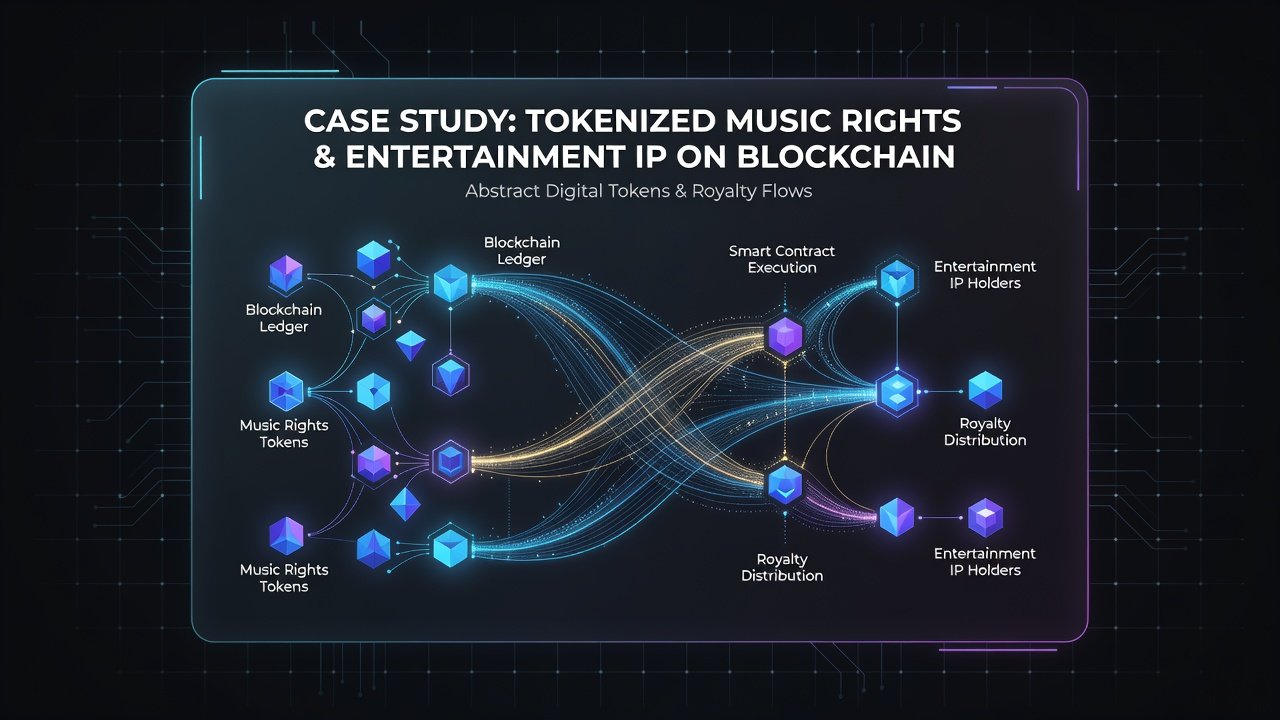
Tokenized IP vs Conventional Licensing
Comparing the two approaches reveals stark differences. Conventional licensing relies on bilateral contracts prone to disputes, enforcement delays, and high administrative costs. Tokenized IP leverages blockchain for verifiable ownership, programmable terms, and active secondary markets that allow quick exits. However, traditional methods still dominate in complex litigation scenarios where established legal precedents provide stronger protections and courts are more familiar with paper-based agreements.
Hybrid models are emerging that blend on-chain efficiency with off-chain legal safeguards, such as embedding arbitration clauses directly into smart contracts. This comparison helps stakeholders decide when full tokenization makes sense versus when a mixed approach better mitigates risk.
Practical Steps for Creators and Investors
Participation requires careful preparation. Creators should begin with a comprehensive IP audit to confirm clear ownership and identify any encumbrances. Next, they must select compliant blockchain platforms with proven security records and robust developer communities. Partnering with legal experts familiar with both IP and crypto regulations is essential to draft token terms that satisfy local laws.
Additional steps include structuring tokens to include governance rights where appropriate, setting up automated royalty mechanisms, and launching on platforms with built-in compliance tools. Investors are advised to perform due diligence using on-chain analytics, assess underlying IP value through traditional valuation methods, and diversify across multiple asset classes. Starting with established platforms reduces entry risks while allowing gradual expertise development. Regular portfolio reviews and staying updated on regulatory changes complete the participation framework.
Risk Assessment Techniques Using Cryptocurrency Analysis
Effective risk management combines traditional IP valuation with crypto-specific metrics. Monitor token liquidity depth, smart contract audit results from reputable firms, and market volatility indicators such as 30-day trading volume. Tools from blockchain explorers help track ownership concentration and transaction patterns that may signal manipulation or wash trading risks.
Scenario planning for regulatory shifts, technological obsolescence, and smart contract vulnerabilities is essential. Diversification across sectors, utilization of emerging insurance products for digital assets, and ongoing education on both IP law and blockchain developments form the foundation of a robust strategy. Stress-testing portfolios against black-swan events further strengthens resilience in this rapidly evolving space.
Conclusion
Tokenizing intellectual property assets represents a pivotal evolution in both crypto and IP management for 2026. By bridging blockchain's efficiency with creative ownership, it opens new avenues for liquidity and participation that were previously inaccessible. Professionals who master the regulatory landscape, leverage real-world precedents, apply disciplined risk techniques, and follow structured participation steps will be best positioned to capitalize on these emerging opportunities while navigating inherent complexities.


No comments yet. Be the first!