 CryptoChain Blog
Introduction to Prediction Markets in Crypto
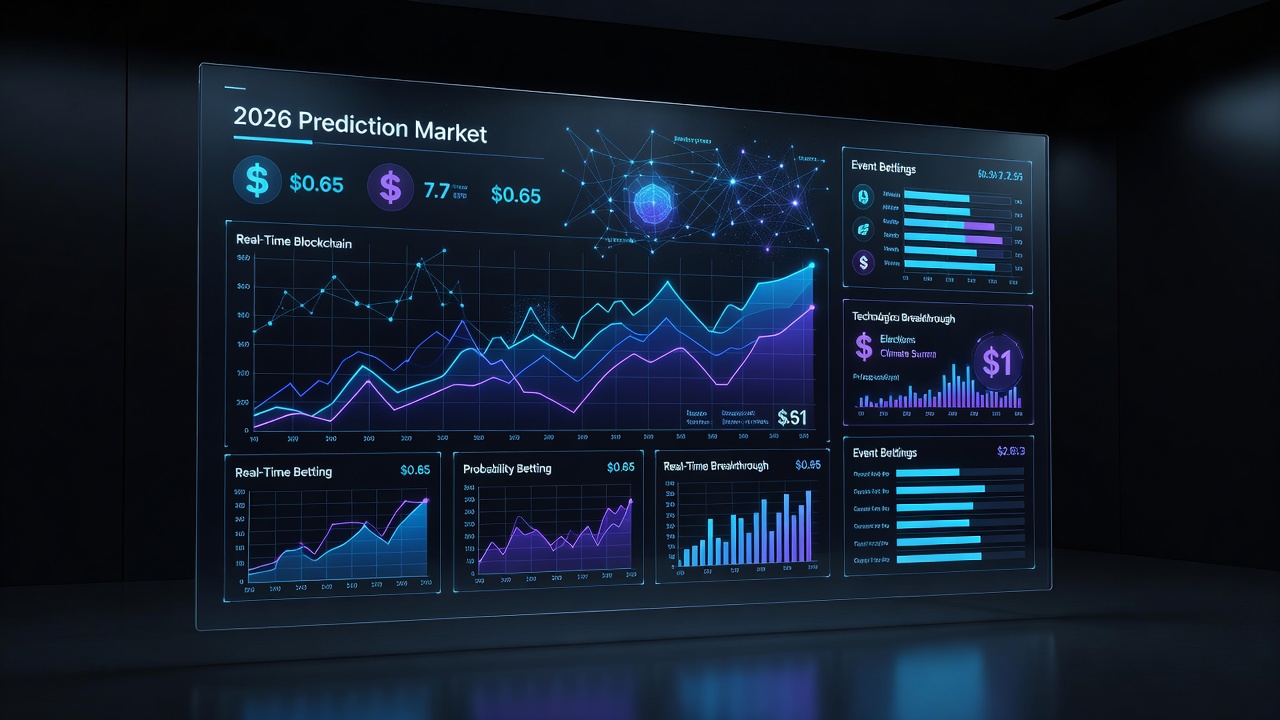
Prediction markets have emerged as a dynamic sector within cryptocurrency, offering traders unique ways to bet on real-world events using blockchain technology. As we approach 2026, crypto insights reveal evolving trading patterns and market opportunities that differentiate these platforms from traditional betting systems. This analysis examines how decentralized prediction markets leverage on-chain data to provide transparent, efficient forecasting tools for advanced investors seeking differentiated insights.
Unlike conventional betting exchanges, crypto-based prediction markets utilize smart contracts for automated settlements, reducing counterparty risks and enabling global participation. Search intent around these markets often focuses on emerging opportunities, particularly in election outcomes, sports results, economic indicators, and even weather events. By aggregating collective intelligence through financial stakes, these markets frequently deliver more accurate probabilities than traditional surveys or expert opinions alone.
Decentralized Platforms vs Traditional Betting Systems
Decentralized prediction markets operate on blockchain networks, enabling global participation without intermediaries. Traditional systems rely on centralized operators that control odds and payouts, often imposing higher fees and geographic restrictions. In contrast, crypto platforms foster liquidity through token incentives and community governance, allowing users to create and trade on virtually any event with clear resolution criteria.
Key advantages include 24/7 trading availability, lower barriers to entry for participants worldwide, and verifiable transparency via public ledgers. However, traditional systems benefit from established regulatory frameworks in certain jurisdictions, providing user protections and recourse options that are still developing in many decentralized environments. This comparison highlights why crypto enthusiasts are increasingly drawn to blockchain-based alternatives for their efficiency and censorship resistance.
How Prediction Markets Actually Work
At their core, prediction markets function by allowing users to buy and sell shares in specific outcomes. Each share represents a claim on a binary or multi-outcome event, with prices reflecting the market's implied probability. For instance, a share priced at $0.65 indicates a 65% chance of that outcome occurring according to collective trading activity. Upon event resolution, shares in the correct outcome pay out at $1 while incorrect ones become worthless.
Smart contracts handle the entire lifecycle, from market creation to final settlement, eliminating the need for trusted third parties. This automation ensures that once conditions are met and verified through oracles or designated resolution sources, funds are distributed automatically and transparently.
Token Mechanics in Prediction Markets
Tokens in these markets serve multiple roles, from staking for market creation to incentivizing accurate predictions. Participants buy shares representing yes/no outcomes, with prices fluctuating based on collective sentiment. Successful resolution distributes rewards proportionally, aligning incentives across the ecosystem and encouraging informed trading over speculation.
Many platforms employ utility tokens for governance, allowing holders to vote on market parameters, fee structures, or even which events should be listed. This mechanic enhances user engagement while distributing control away from central entities. Token holders may also earn rewards for providing liquidity or reporting on event outcomes, creating a self-sustaining economic loop that drives platform growth and retention.
Liquidity Analysis and Market Depth
Liquidity remains critical for prediction market viability. High-volume markets attract more participants, tightening spreads and improving price discovery. On-chain metrics such as trading volume, open interest, and order book depth help assess overall market health, with leading platforms demonstrating robust pools during high-stakes events like elections or major sports finals.
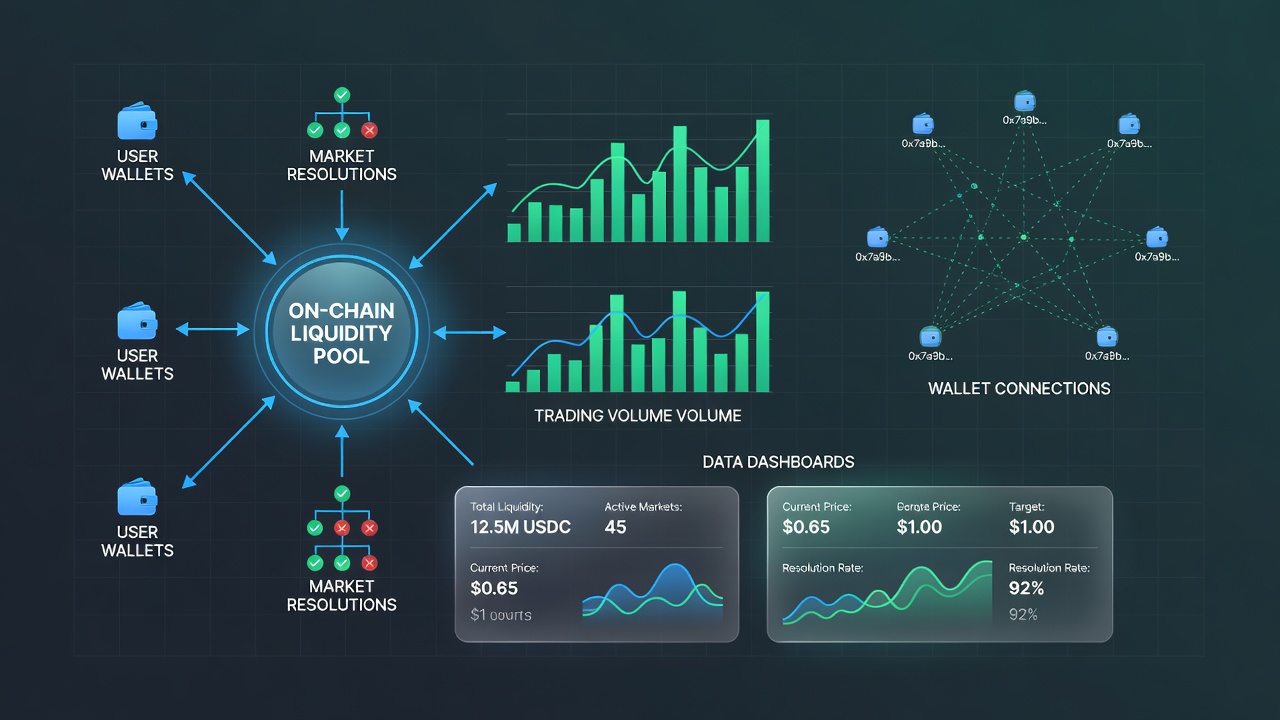
Analysis of recent trends shows that markets with strong liquidity exhibit lower slippage, making them preferable for larger positions. Factors influencing liquidity include event popularity, resolution clarity, integration with broader DeFi protocols, and the presence of market makers. Traders should monitor these indicators closely to avoid illiquid markets where exiting positions becomes costly or impossible during volatile periods.
Regulatory Hurdles Facing the Sector
Regulatory challenges continue to shape prediction market growth. Jurisdictions vary widely, with some classifying these platforms as derivatives or gambling operations subject to strict licensing. Compliance requirements around know-your-customer protocols and anti-money laundering measures add operational complexity for developers and users alike.
Platforms must navigate evolving rules from bodies like the CFTC in the US and similar agencies elsewhere. Proactive engagement with regulators, transparent operations, and clear user disclaimers help mitigate risks while fostering responsible innovation in this emerging space.
Real-World Examples from Polymarket and Beyond
Polymarket stands out as a prominent decentralized prediction platform, frequently used for forecasting political and cultural events. Its use of USDC stablecoins for settlements enhances accessibility and reduces volatility concerns. Traders have leveraged it to gauge probabilities on major elections, often outperforming traditional polls in accuracy through real-time market signals.
Beyond Polymarket, platforms like Augur demonstrate how open-source protocols can enable permissionless market creation on Ethereum. These examples illustrate how on-chain activity correlates with real-world developments, providing valuable crypto insights for trend evaluation. Users can study historical resolution data to identify patterns in market efficiency across different event categories.
Comparing Leading Prediction Market Platforms
When evaluating options, consider factors such as supported blockchains, fee structures, resolution mechanisms, and user interface quality. Polymarket excels in user experience and stablecoin integration, while other protocols prioritize full decentralization and custom market creation. Cross-platform comparisons reveal trade-offs between liquidity concentration and feature flexibility that advanced traders must weigh carefully.
Practical Steps for Evaluating Trends with On-Chain Data
To analyze prediction markets effectively, follow these detailed steps:
- Monitor volume and liquidity metrics on explorers tied to the platform's blockchain, focusing on 24-hour and weekly trends.
- Track wallet activity for large positions or smart money flows that may indicate informed trading ahead of public news.
- Compare market prices against external data sources such as polls or news aggregators to spot potential arbitrage opportunities.
- Use dashboards from analytics providers to visualize historical resolution accuracy and identify biases in specific market types.
- Review governance proposals and token holder distributions to assess long-term platform sustainability and community alignment.
These methods empower investors to identify undervalued markets and anticipate shifts driven by new information or whale activity.
2026 Trends and Future Outlook
Looking ahead, integration with AI for probabilistic modeling and expansion into niche event categories such as scientific breakthroughs or corporate earnings are expected to drive adoption. Cross-chain compatibility will further enhance liquidity and accessibility for global users. As regulatory clarity improves in key regions, institutional participation may increase, solidifying prediction markets as a core crypto trend with applications in hedging, information aggregation, and decentralized governance.
FAQ
What are the main risks in crypto prediction markets?
Primary risks include regulatory changes, smart contract vulnerabilities, oracle failures, and low liquidity leading to poor pricing or exit difficulties. Always research platform security audits and resolution sources before committing significant capital.
How do prediction markets differ from traditional polls?
They aggregate financial stakes rather than opinions, often yielding more accurate forecasts due to skin-in-the-game incentives that reward correct predictions and penalize errors.
Can beginners participate in these markets?
Yes, but starting with small positions on well-understood events and thoroughly reviewing resolution rules is essential. Educational resources and demo modes from established platforms aid safe onboarding.
Are there tax implications for trading on prediction markets?
Tax treatment varies by jurisdiction and often treats gains as capital or ordinary income. Consult local regulations and a tax professional, as many platforms do not provide tax reporting tools.
Conclusion
Prediction markets represent a compelling evolution in crypto, blending forecasting with decentralized finance in ways that deliver actionable insights. By focusing on token mechanics, liquidity dynamics, regulatory navigation, and on-chain analysis techniques, advanced investors can uncover differentiated opportunities for 2026 and beyond. Continued innovation in AI integration and cross-chain functionality promises to elevate their role within the broader cryptocurrency landscape, rewarding those who master these tools with superior market intelligence.


No comments yet. Be the first!