 CryptoChain Blog

Introduction: The Shifting Landscape of Global Remittances in 2026
Global remittances continue to play a vital role in supporting families and economies worldwide. In 2026, cryptocurrency is emerging as a powerful alternative to traditional systems, offering enhanced speed and efficiency. This shift is driven by blockchain technology, which creates new payment rails that bypass many legacy limitations. Families in developing regions rely heavily on these inflows for daily needs, education, and healthcare. Cryptocurrency solutions address pain points such as high fees, slow processing, and limited access to banking infrastructure. This article examines the practical implications, including real-world adoption, regulatory considerations, and step-by-step processes that users can follow today.
Users in emerging markets are increasingly turning to digital assets for transfers. The focus remains on practical benefits like reduced processing times and greater accessibility compared to services such as Western Union. Market observers note that blockchain networks now handle significant volumes in corridors previously dominated by traditional money transfer operators. Forward-looking analyses suggest this trend will accelerate as more individuals gain smartphone access and digital literacy improves.
Understanding Blockchain Payment Rails for Remittances
Blockchain payment rails leverage distributed ledgers to enable peer-to-peer transfers without intermediaries. These networks process transactions across borders in minutes rather than days. Key platforms integrate stablecoins to maintain value stability during transfers. The underlying technology records every movement on an immutable ledger, providing transparency that traditional systems often lack. Participants can verify transactions independently, reducing the risk of disputes or errors.
Adoption metrics from major providers show growing volumes in key corridors. This infrastructure supports real-time settlement and transparent tracking, appealing to users seeking reliability. Unlike conventional banking rails that operate only during business hours, blockchain networks run continuously, allowing transfers at any time. Developers continue to refine scalability solutions, making these rails suitable for both small personal remittances and larger commercial payments.
Cost Savings and Speed Advantages Over Traditional Services
Traditional remittance providers often involve multiple intermediaries, leading to delays and higher overall expenses. Cryptocurrency solutions streamline this by using decentralized networks for direct value movement. Users frequently complete transfers in under an hour, whereas legacy services may require one to five business days. The elimination of correspondent banks and currency exchange markups contributes to meaningful savings, especially for frequent senders.
Comparisons highlight how crypto options deliver funds faster, especially during peak periods. Users in high-volume regions report noticeable improvements in both delivery time and final amounts received. For example, a sender in the United States can initiate a transfer to a recipient in Mexico using a mobile wallet, with confirmation arriving almost instantly. This speed proves particularly valuable during emergencies or when market conditions change rapidly. Additional advantages include 24/7 availability and reduced documentation requirements in many corridors.
Case Studies: Latin America and Southeast Asia
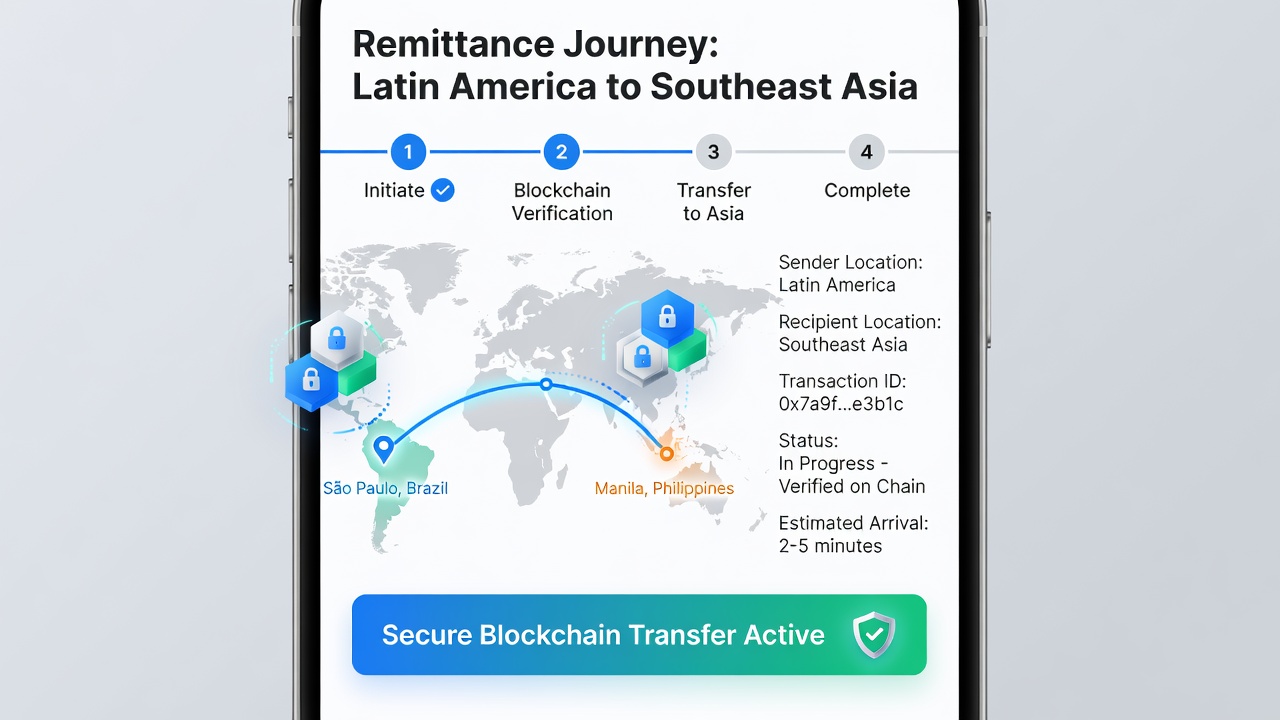
In Latin America, countries like Mexico and Colombia have seen increased crypto remittance usage. Families receive funds via mobile wallets, bypassing banking hurdles common in rural areas. Local entrepreneurs have started offering conversion services at community kiosks, further lowering barriers. Data indicates that crypto corridors now represent a growing percentage of total inflows, driven by younger demographics who are comfortable with digital tools.
Southeast Asia presents similar trends, with platforms facilitating transfers to the Philippines and Vietnam. Local adoption data indicates steady growth in transaction volumes through 2026. Workers abroad use these methods to support households during seasonal agricultural cycles or unexpected medical needs. Community education programs have helped build trust, with early adopters sharing success stories through social networks.
Regulatory Hurdles in Emerging Corridors
Despite progress, regulatory frameworks vary widely. Some nations impose licensing requirements on crypto service providers, while others focus on anti-money laundering compliance. Platforms must often obtain approvals from multiple agencies, which can slow market entry. However, several governments are piloting sandbox programs that allow controlled testing of blockchain remittance solutions.
Navigating these rules requires platforms to partner with local entities. Forward-looking projections suggest gradual harmonization that could further boost adoption. International bodies continue to publish guidance that helps jurisdictions balance innovation with consumer protection. Users are advised to select providers that maintain compliance in both sending and receiving countries to avoid unexpected holds or reversals.
Step-by-Step Example of a Crypto Remittance Flow
Practical implementation follows a clear sequence that most users can complete with basic digital skills. Consider the following process:
- Sender purchases cryptocurrency on a regulated exchange using local currency.
- Funds are transferred to the recipient's wallet address via blockchain.
- Recipient converts the digital asset to local currency through a partner service.
- Confirmation occurs on the ledger within minutes.
This process demonstrates the streamlined nature of crypto flows, reducing points of friction. Additional best practices include double-checking wallet addresses, using two-factor authentication, and starting with small test transfers. Many platforms now offer in-app tutorials and customer support in multiple languages.
Real-World Adoption Metrics and Forward-Looking Projections
Industry reports indicate rising transaction counts on major blockchain networks dedicated to payments. Projections for the remainder of 2026 point to continued expansion in underserved markets. Analysts expect integration with central bank digital currencies to create hybrid models that combine the strengths of public blockchains and regulated systems.
Data from authoritative sources like the World Bank and International Monetary Fund underscore the growing share of digital channels in overall remittance flows. The Bank for International Settlements also publishes regular assessments of cross-border payment innovations. These resources help stakeholders track progress and identify emerging opportunities.
Common Mistakes to Avoid When Using Crypto for Remittances
- Choosing unregulated platforms that may lack proper security measures.
- Ignoring network fees that can vary based on congestion levels.
- Failing to verify recipient wallet compatibility before sending larger amounts.
- Overlooking local tax reporting obligations associated with digital asset transactions.
Frequently Asked Questions
How does volatility affect crypto remittances?
Many platforms use stablecoins pegged to major currencies to minimize price swings during transfers. Users should confirm the specific asset type before initiating a transaction.
Is crypto remittance secure?
Blockchain's cryptographic security and public ledger provide strong protections when users follow best practices such as enabling multi-factor authentication and storing private keys safely.
Which regions show the highest adoption?
Latin America and Southeast Asia lead in practical usage based on current metrics, with notable growth also appearing in parts of Africa and Eastern Europe.
What happens if a transaction fails?
Most reputable platforms include refund mechanisms or support teams that assist with recovery, though users should review terms before sending funds.
Conclusion
Cryptocurrency is reshaping remittances through tangible improvements in speed and accessibility. As adoption grows, users benefit from innovative payment rails while platforms address regulatory challenges. Staying informed on these trends helps individuals and businesses make effective choices in 2026. Continued technological refinement and policy clarity will likely expand opportunities for even more participants worldwide.


No comments yet. Be the first!