 CryptoChain Blog
Introduction: The Rise of Crypto in Online Retail
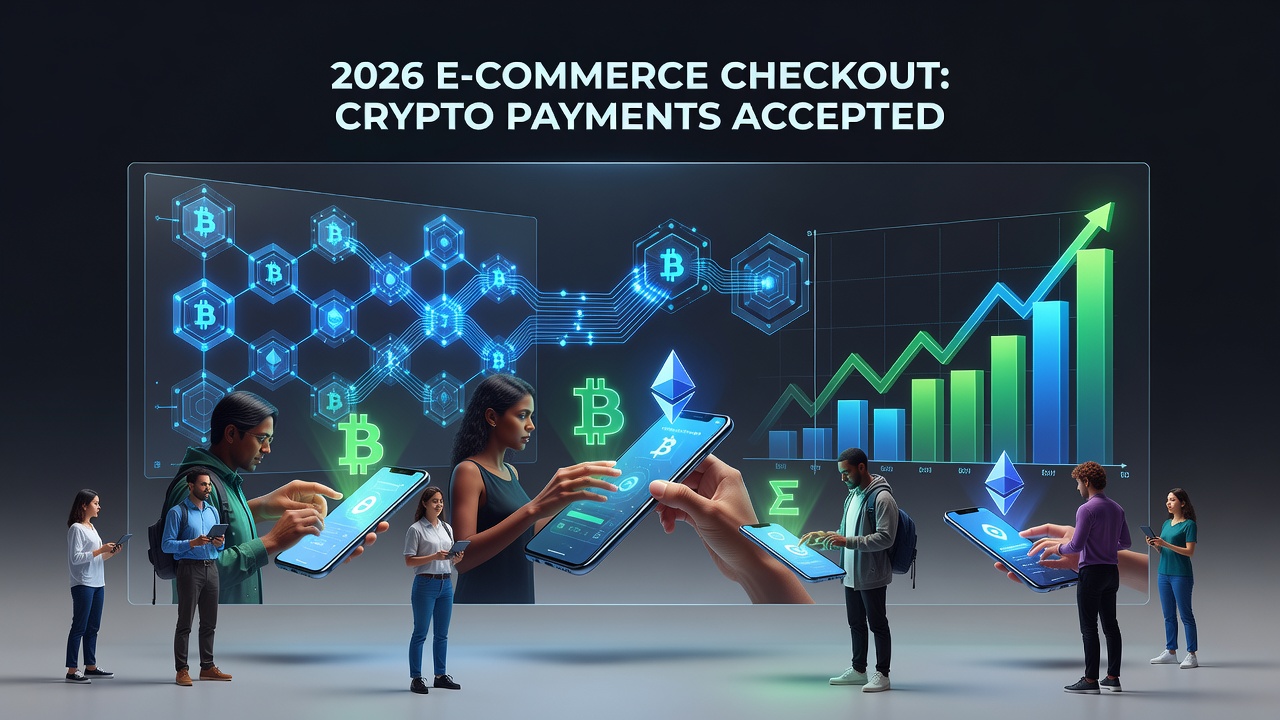
In 2026, cryptocurrency payments are no longer a niche experiment but a mainstream force reshaping e-commerce. Business owners and analysts are witnessing accelerated adoption driven by technological advances and shifting consumer preferences. This shift offers lower transaction costs, near-instant settlements, and enhanced privacy compared to traditional rails like credit cards or bank transfers. Merchants seeking forward-looking crypto trends must understand these dynamics to stay competitive. Adoption is fueled by global consumer demand for decentralized options that bypass intermediaries. E-commerce platforms are evolving rapidly, with crypto integration becoming a standard feature rather than an optional add-on. This evolution allows businesses to tap into new demographics, including younger tech-savvy buyers and international customers previously excluded by high cross-border fees.
Analysts project continued expansion as blockchain scalability improves and user-friendly wallets proliferate. The result is a more inclusive digital marketplace where transactions occur seamlessly across borders without the delays associated with legacy banking systems.
Market Insights and Adoption Trends for 2026
Transaction volumes for crypto payments in e-commerce have surged, with platforms reporting steady growth in regions like North America, Europe, and Asia-Pacific. Key metrics highlight increased usage of stablecoins for everyday purchases, reducing volatility concerns. Analysts note that privacy-focused coins and layer-2 solutions are gaining traction among shoppers wary of data tracking. In 2026, emerging markets in Latin America and Africa show particularly strong uptake due to limited access to traditional banking infrastructure. Data visualizations frequently illustrate exponential growth curves, with monthly transaction volumes climbing as more retailers onboard crypto options. Retail sectors such as electronics, fashion, and digital goods lead adoption rates, while subscription services experiment with recurring crypto billing models.
These trends indicate a maturing ecosystem where crypto is not just an alternative but often the preferred payment method for specific customer segments seeking efficiency and autonomy.
Key Drivers Behind the Shift
Several factors propel this transformation. Lower transaction fees eliminate the percentage-based processing costs common with credit cards, allowing merchants to retain more revenue. Faster settlements—often within minutes rather than days—improve cash flow and reduce the need for working capital reserves. Consumer demand for privacy options lets buyers transact without sharing extensive personal data, appealing to those concerned about identity theft and surveillance.
Additional drivers include the elimination of chargeback fraud risks for sellers and the ability to operate 24/7 without banking hours restrictions. Global accessibility opens doors to unbanked populations, expanding potential customer bases. These advantages create compelling value propositions for both sellers and purchasers in competitive online marketplaces, encouraging widespread experimentation and eventual standardization.
Comparing Crypto and Traditional Payment Rails
Traditional systems rely on centralized networks with built-in chargeback mechanisms and regulatory oversight. Crypto rails, by contrast, leverage blockchain immutability for irreversible transactions and borderless reach. While traditional methods offer widespread familiarity and consumer protections, crypto provides speed and cost efficiency that legacy systems struggle to match.
Businesses evaluating options should weigh volatility risks against the benefits of 24/7 global accessibility. Stablecoins bridge many gaps by maintaining pegged values and enabling predictable accounting. In practice, many merchants now offer hybrid solutions, accepting both fiat and crypto to maximize conversion rates. The comparison often favors crypto for high-volume, low-margin sales where every percentage point in fees impacts profitability significantly.
Real-World Case Studies from Major Retailers
Leading retailers have implemented crypto options successfully. For instance, major electronics chains now accept Bitcoin and Ethereum at checkout, reporting higher average order values from tech-savvy demographics. Fashion platforms have integrated stablecoin payments, noting reduced cart abandonment rates. A prominent online marketplace specializing in consumer electronics observed a 15 percent increase in international sales after adding crypto checkout within the first quarter of implementation.
Another example involves a global sporting goods retailer that partnered with multiple gateways to support various tokens, resulting in expanded reach into Asian markets where crypto usage is high. These examples demonstrate measurable improvements in conversion and international sales. 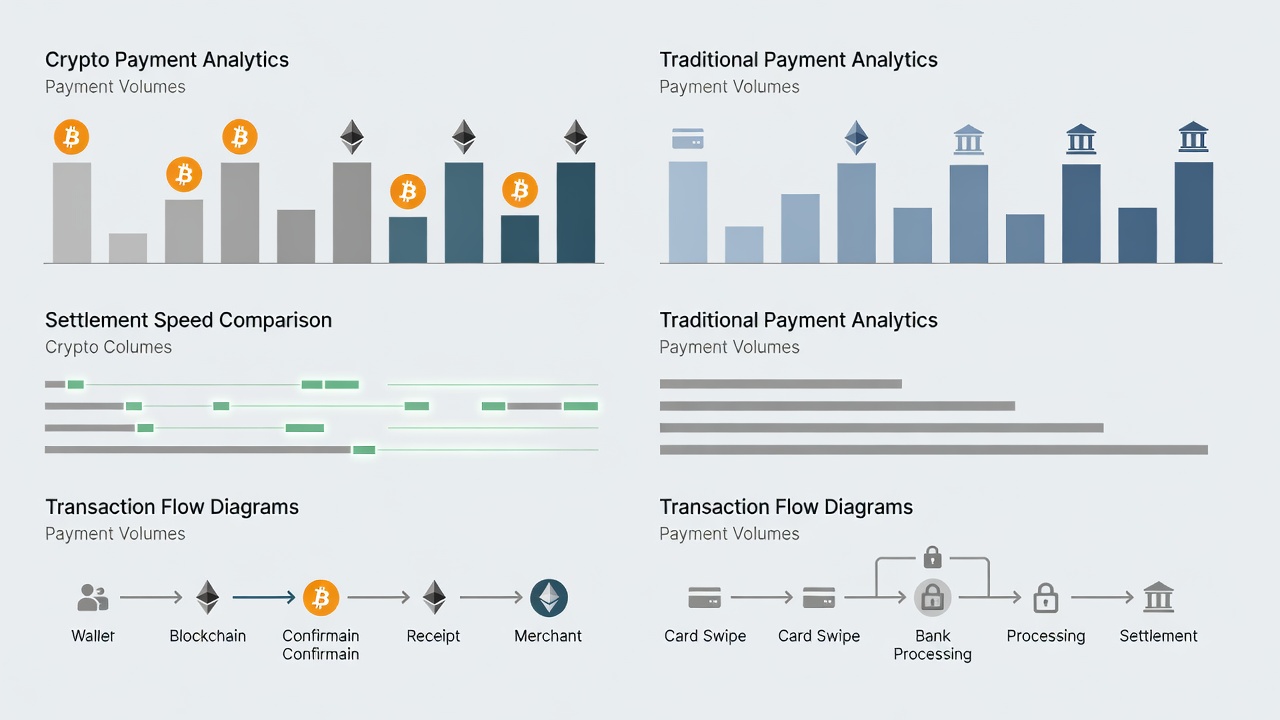
Technical Integration Steps for Merchants
Merchants can follow a structured approach to add crypto payments. First, evaluate and select a reliable payment gateway provider supporting multiple cryptocurrencies and offering robust security features. Next, integrate APIs into existing e-commerce platforms like Shopify or WooCommerce using available plugins that minimize custom coding needs. Configure wallet addresses carefully and decide whether to automate conversion to fiat for risk mitigation.
Thorough testing of transactions across different devices and networks is essential before full rollout. Staff training on handling customer queries related to crypto ensures smooth operations. Potential challenges include ensuring compliance with wallet security protocols and monitoring for network congestion during peak periods. This process typically requires minimal technical expertise when using established plugins, enabling rapid deployment even for small teams.
Regulatory Considerations for Businesses
Compliance remains critical. Merchants must navigate tax reporting requirements and anti-money laundering rules across jurisdictions. Resources from authoritative bodies provide guidance on treating crypto as property for tax purposes. Staying updated on evolving frameworks helps avoid penalties while capitalizing on opportunities.
Consulting legal experts familiar with digital assets ensures alignment with current standards. Federal Reserve publications and IRS guidelines offer foundational insights for U.S.-based operations. In Europe, businesses should reference directives from the European Central Bank, while Asian markets require attention to local licensing for virtual asset service providers. Proactive monitoring of regulatory updates prevents disruptions and builds trust with customers.
Addressing Common Merchant Concerns: FAQ
How volatile are crypto payments?
Using stablecoins minimizes volatility, allowing merchants to receive predictable values at settlement. Many gateways provide instant conversion tools to lock in fiat equivalents immediately upon receipt.
What about chargebacks?
Crypto transactions are generally final, reducing fraud but requiring clear refund policies communicated upfront to maintain customer satisfaction and avoid disputes.
Is integration expensive?
Many gateways offer low or no setup fees, making entry accessible for small businesses while scaling efficiently as volume grows.
Which cryptocurrencies should I accept?
Start with Bitcoin, Ethereum, and popular stablecoins to cover the widest audience, then expand based on customer analytics and regional preferences.
How do I handle customer education?
Provide clear FAQs, video tutorials, and support chat options on your site to ease the transition and build confidence in crypto checkout flows.
Conclusion: Preparing for the Crypto-Driven Future
Cryptocurrency payments represent a pivotal evolution in e-commerce. By embracing lower costs, speed, and privacy features, merchants position themselves for sustained growth in 2026 and beyond. Proactive integration, informed by real data and compliance best practices, unlocks new revenue streams while meeting evolving consumer expectations. Businesses that invest time in understanding these shifts will differentiate themselves in an increasingly digital economy.

No comments yet. Be the first!