 CryptoChain Blog
Introduction to the 2026 NFT Market Revival
The NFT market has shown strong signs of resurgence in 2026, driven by evolving cryptocurrency landscapes and innovative blockchain applications. This revival builds on previous cycles but emphasizes real utility over speculation. Investors and creators alike are focusing on sustainable growth through enhanced functionality and broader adoption across sectors. Market participants are increasingly prioritizing projects that deliver ongoing value, such as token-gated experiences and integrated revenue models, rather than relying solely on scarcity narratives from earlier years.
As digital assets mature, understanding these shifts becomes essential for anyone navigating crypto trends. This analysis delves into the forces shaping the market, offering data-backed perspectives and actionable guidance that help both newcomers and experienced traders make informed decisions in a rapidly changing environment.
Key Drivers Shaping NFT Trends in 2026
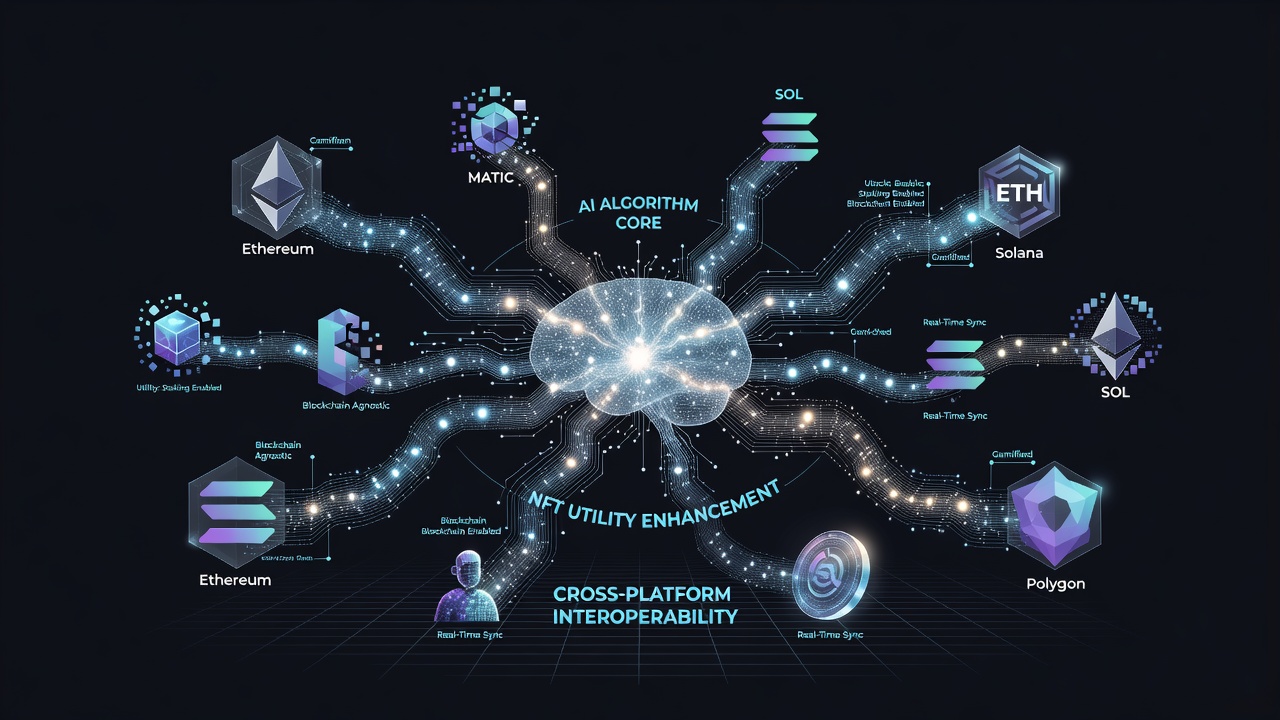
Several factors are propelling the NFT revival forward. Utility expansions allow NFTs to serve practical purposes beyond collectibles, such as access to exclusive services or revenue-sharing mechanisms. AI integrations are transforming how NFTs are created and managed, enabling dynamic features like personalized experiences and automated moderation. Cross-platform interoperability further enhances value by allowing seamless movement of assets across different blockchains and metaverses. These elements combine to create a more robust ecosystem that supports long-term engagement and reduces the boom-bust cycles seen previously.
Utility Expansions and Real-World Applications
Modern NFTs now incorporate governance rights, staking rewards, and integration with decentralized applications. This shift moves the focus toward long-term holding and active participation. For instance, utility-focused NFTs in virtual real estate platforms grant owners ongoing revenue from virtual events or land development fees. Projects are also embedding smart contracts that automatically distribute royalties or unlock tiered benefits based on holding duration, encouraging users to treat NFTs as productive assets rather than one-time purchases.
AI Integrations in NFT Ecosystems
Artificial intelligence enables generative art that evolves based on user interactions and predictive analytics for market behavior. Such advancements improve authenticity verification and fraud detection. AI tools can analyze trading patterns to flag suspicious activity or generate customized NFT attributes that respond to market sentiment data. This creates more engaging collector experiences while helping platforms maintain higher standards of security and personalization across large collections.
Cross-Platform Interoperability Benefits
Projects leveraging standards like ERC-721 and emerging cross-chain protocols facilitate easier trading and usage. This reduces fragmentation and boosts liquidity across networks. Users can now transfer an NFT from one ecosystem to another without losing metadata or utility, opening opportunities in gaming, social platforms, and enterprise applications. For foundational blockchain knowledge, refer to Ethereum's official resources.
Valuation Models for NFTs in 2026
Accurate valuation requires moving beyond simple floor prices. Models now incorporate on-chain metrics, community engagement scores, and projected utility cash flows. Analysts combine quantitative data with qualitative factors like creator reputation and roadmap execution. Common approaches include discounted cash flow adapted for digital scarcity and comparable sales analysis adjusted for rarity traits. These frameworks help distinguish sustainable assets from hype-driven ones. Additional layers such as social sentiment tracking and historical holder retention rates provide deeper insight into an NFT's resilience during market fluctuations, allowing investors to build more accurate risk-adjusted return expectations.
Sector-Specific Adoption Data and Insights
Adoption varies significantly by sector. Gaming leads with play-to-earn mechanics evolving into true ownership models where players control and trade in-game items across titles. Art and music continue to innovate with fractional ownership and royalty automation that ensures creators receive ongoing compensation. Real estate tokenization and fashion digital twins show accelerating enterprise interest as brands explore digital ownership for supply chain transparency and customer loyalty programs.
- Gaming: Integration with major titles driving user retention through interoperable assets and seasonal rewards.
- Art: Enhanced provenance tracking via blockchain combined with AI-generated variations that keep collections dynamic.
- Music: Direct artist-to-fan monetization streams that include exclusive concert access and remix rights.
- Enterprise: Supply chain and authentication use cases that leverage NFTs for verifiable product histories and limited-edition releases.
Comparing Blue-Chip and Emerging NFT Collections
Blue-chip collections maintain stability through established communities and proven track records. They often feature institutional backing and consistent development updates that foster trust. Emerging collections offer higher growth potential but carry greater volatility and execution risk. Investors should evaluate liquidity, holder distribution, and innovation velocity when comparing options. Diversification across both categories can balance portfolios effectively while allowing exposure to breakthrough projects. Blue-chip assets tend to weather downturns better due to their strong secondary market support, whereas emerging ones may deliver outsized returns if they successfully implement utility features or secure partnerships with established platforms.
Additional market perspectives are available at CoinDesk.
Practical Steps for Conducting Your Own NFT Analysis
Follow these steps to build independent insights and avoid common oversights:
- Review on-chain data using explorers for transaction volumes, holder metrics, and wallet concentration patterns to identify healthy distribution.
- Analyze community sentiment across social platforms and forums while cross-referencing with official project communications for consistency.
- Assess project roadmaps against actual delivery milestones, noting any delays or pivots that could signal execution challenges.
- Compare interoperability features and AI enhancements by testing how assets perform across different environments and platforms.
- Simulate valuation scenarios using multiple models to understand potential upside and downside under various market conditions.
- Monitor regulatory developments in key jurisdictions to anticipate compliance requirements that may affect trading or holding strategies.
Real-World Case Examples from 2026
One prominent case involves a gaming platform that integrated AI-driven NFT evolution, resulting in sustained user growth and repeated engagement from holders who could upgrade assets based on gameplay achievements. Another example features an art collective using cross-chain tools to expand global reach while maintaining creator royalties through automated smart contracts. A third case highlights a music label that tokenized album rights, allowing fans to own fractional stakes and receive proportional streaming revenue, demonstrating how utility can drive both adoption and retention in the revived market.
Addressing Common Pitfalls in 2026 NFT Trading
Many traders overlook liquidity risks or fail to diversify across sectors and collection types. Others chase trends without fundamental analysis or ignore the importance of verifying smart contract security before large purchases. A structured approach that combines technical review with ongoing monitoring mitigates these issues and supports more resilient portfolio construction.
Frequently Asked Questions
How do AI features affect NFT value? AI can enhance utility and engagement, often leading to premium valuations when implemented thoughtfully through features like adaptive artwork or predictive market tools.
What role does interoperability play? It increases accessibility and potential use cases across platforms, supporting long-term demand and reducing the risk of asset lock-in within a single ecosystem.
Are blue-chip NFTs safer investments? They typically offer more stability due to established communities and institutional interest but may have lower upside compared to select emerging projects with strong utility roadmaps.
How should beginners start analysis? Begin with public blockchain data and reputable analytics tools before committing capital, gradually incorporating community insights and valuation modeling as experience grows.
Conclusion
The 2026 NFT revival presents opportunities rooted in utility, technology, and interoperability. By applying rigorous analysis and avoiding common pitfalls, participants can navigate this evolving space with greater confidence. Continuous learning and adaptation remain key to success in crypto markets.

No comments yet. Be the first!