 CryptoChain Blog

Introduction to Sovereign Wealth Funds and Cryptocurrency in 2026
Sovereign wealth funds (SWFs) manage trillions in assets for nations worldwide. In 2026, their cautious entry into cryptocurrency markets signals a maturing asset class. This shift reflects portfolio diversification needs and growing regulatory clarity across jurisdictions. Professionals tracking forward-looking crypto trends will find value in understanding these inflows and their implications for allocation strategies. SWFs traditionally focused on equities, fixed income, real estate, and commodities, but digital assets now represent a logical extension for those seeking uncorrelated returns amid shifting macroeconomic conditions.
Key Drivers Behind SWF Crypto Adoption
Portfolio diversification remains the primary motivator. Traditional assets like equities and bonds face correlated risks in volatile global markets. Cryptocurrencies offer uncorrelated returns, helping SWFs balance exposure. Regulatory clarity in regions such as Singapore, the UAE, and parts of Europe has reduced compliance barriers, encouraging institutional participation. Bank for International Settlements reports highlight how clearer frameworks support measured institutional involvement in emerging technologies.
Additional drivers include inflation hedging and long-term yield opportunities. On-chain data from major blockchains shows gradual accumulation patterns by large wallet entities, often linked to state-backed institutions. Geopolitical diversification also plays a role, as nations seek assets less tied to specific regional economies or traditional financial systems.
Case Studies: Asia and the Middle East
Asian Sovereign Wealth Funds
Funds from Singapore and South Korea have allocated portions of their portfolios to Bitcoin and Ethereum. These moves follow pilot programs testing custody solutions and risk management frameworks. On-chain analytics reveal consistent accumulation phases throughout early 2026. Singapore’s approach emphasizes robust licensing for digital asset service providers, allowing SWFs to engage through regulated channels while maintaining strict governance standards. South Korean entities have explored Ethereum staking as a yield-generating mechanism within conservative risk parameters.
Middle Eastern Sovereign Wealth Funds
Entities in the UAE and Saudi Arabia leverage crypto for diversification away from oil revenues. Strategic partnerships with licensed exchanges and blockchain projects underpin these efforts. Regulatory sandboxes in the region provide safe environments for experimentation. The UAE’s forward-thinking policies have positioned it as a hub for digital asset innovation, attracting SWF interest through clear operational guidelines and institutional-grade infrastructure. International Monetary Fund analyses of regional economic strategies often reference these diversification efforts.
Comparing Cryptocurrencies with Traditional Assets
Unlike bonds or real estate, cryptocurrencies exhibit higher volatility but also asymmetric upside potential. SWFs typically limit exposure to single-digit percentages of total assets under management. This measured approach mirrors how they initially approached emerging market equities decades ago. On-chain metrics such as realized capitalization and holder distribution provide transparency absent in many traditional instruments. Liquidity profiles differ significantly, with crypto markets operating 24/7 compared to conventional exchanges, creating both opportunities and operational considerations for large-scale participants.
Regulatory Developments Supporting Institutional Entry
2026 has seen incremental progress in global regulatory harmonization. Jurisdictions that previously lacked clear rules now offer licensing pathways tailored to institutional investors. This evolution reduces legal uncertainty and enables SWFs to implement internal compliance controls more effectively. Cross-border cooperation between regulators further supports custody arrangements and reporting standards that align with existing SWF governance requirements.
Practical Steps for Investors to Track Similar Inflows
- Monitor large wallet movements using public blockchain explorers and on-chain analytics platforms.
- Follow regulatory announcements from bodies overseeing institutional finance.
- Review quarterly reports from major SWFs for any disclosed digital asset holdings.
- Analyze trading volume spikes on regulated exchanges that cater to institutional clients.
- Track custody provider announcements regarding new institutional onboarding.
These steps help retail and professional investors anticipate market impacts without attempting to replicate institutional scale. Combining multiple data sources yields a more complete picture of potential flows.
Trend Analysis Using On-Chain Data
On-chain indicators in 2026 show rising dormant supply ratios for Bitcoin, suggesting long-term holding behavior among large entities. Ethereum staking participation has also increased, with institutional addresses contributing meaningfully. Such patterns, when cross-referenced with public SWF disclosures, offer early signals of sustained adoption. 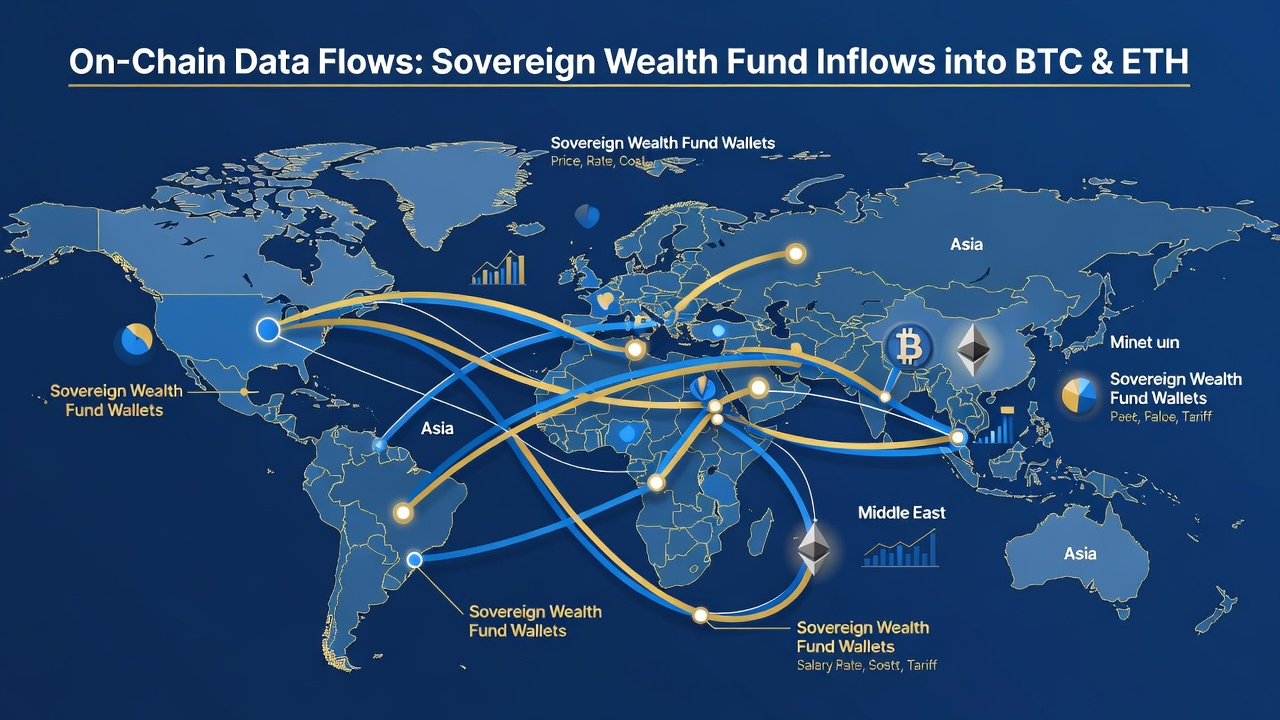
Risks Associated with SWF Crypto Exposure
Volatility remains the most cited concern. Price swings can affect quarterly valuations even when positions are small. Cybersecurity threats and custody challenges require robust operational infrastructure. Geopolitical factors may also influence policy reversals in certain jurisdictions. OECD publications on institutional investment risks emphasize the importance of stress testing and scenario planning when incorporating novel asset classes.
Implementation Challenges and Operational Considerations
Integrating cryptocurrencies into existing SWF mandates involves updating investment policies, selecting qualified custodians, and training internal teams on blockchain-specific risks. Governance structures must accommodate new due diligence requirements around smart contract security and protocol governance. Many funds begin with third-party managed vehicles before moving to direct holdings, allowing gradual capability building.
FAQs on Timing Crypto Entries for Institutional Strategies
When should investors consider mirroring SWF allocations?
Focus on periods of regulatory stabilization and clear custody frameworks rather than attempting to time short-term price movements.
How do on-chain metrics inform entry decisions?
Look for declining exchange reserves combined with rising long-term holder activity as potential confirmation signals of institutional interest.
What allocation size is typical for new entrants?
Most SWFs begin with conservative percentages, scaling gradually based on risk-adjusted performance reviews.
How important is custody infrastructure?
Secure, regulated custody solutions represent a foundational requirement before any meaningful allocation can occur.
Future Outlook for SWF Crypto Participation
As infrastructure matures and more jurisdictions refine their frameworks, additional SWFs are expected to evaluate digital asset strategies. Continued on-chain transparency and improved reporting standards will likely support greater confidence among institutional decision-makers. The interplay between macroeconomic conditions and technological adoption will determine the pace of further integration.
Conclusion
Sovereign wealth fund adoption of cryptocurrency in 2026 marks an important evolution for digital assets. By studying drivers, regional case studies, on-chain trends, and practical tracking methods, professionals can develop informed allocation strategies. Continued regulatory progress and infrastructure improvements will likely shape the pace of future inflows.


No comments yet. Be the first!