 CryptoChain Blog

Introduction to Crypto and Stocks in 2026 Portfolios
Investors in 2026 face a dynamic landscape where cryptocurrencies and traditional stocks offer distinct growth opportunities. Balancing these asset classes requires understanding correlations, historical performance, and macroeconomic influences. This guide provides data-driven strategies for optimal allocation to achieve balanced growth while managing risk. As digital assets mature alongside equities, blending them can enhance returns and reduce overall portfolio volatility when done thoughtfully.
The search for effective allocation strategies has intensified as both markets evolve. Cryptocurrencies continue to attract attention for their high-upside potential, while stocks remain foundational for stability and income generation. Understanding how these classes interact helps investors build resilient holdings suited to personal goals and market conditions.
Analyzing Correlation Data Between Crypto and Stocks
Correlation metrics reveal how crypto assets move relative to equities. Lower correlations enable effective diversification. Recent analyses show Bitcoin maintaining a correlation coefficient around 0.4 with major stock indices, allowing for risk reduction in mixed portfolios. Ethereum and other major tokens often display similar patterns, though altcoins can vary significantly during sector-specific events.
Historical comparisons highlight periods of decoupling, such as during equity market corrections where crypto exhibited independent behavior. Investors should monitor these patterns using tools from authoritative sources like Investopedia for ongoing insights. Tracking rolling correlations over multiple timeframes provides clearer signals than single-point data, helping avoid over-allocation during temporary alignments.
Risk-Adjusted Returns: Crypto Versus Equities
Risk-adjusted metrics such as Sharpe ratios help compare performance. Cryptocurrencies often deliver higher volatility but can enhance returns when allocated modestly. Stocks provide stability through dividends and established governance structures. Examining five-year rolling data reveals that modest crypto exposure frequently lifts compounded returns without proportionally increasing drawdowns.
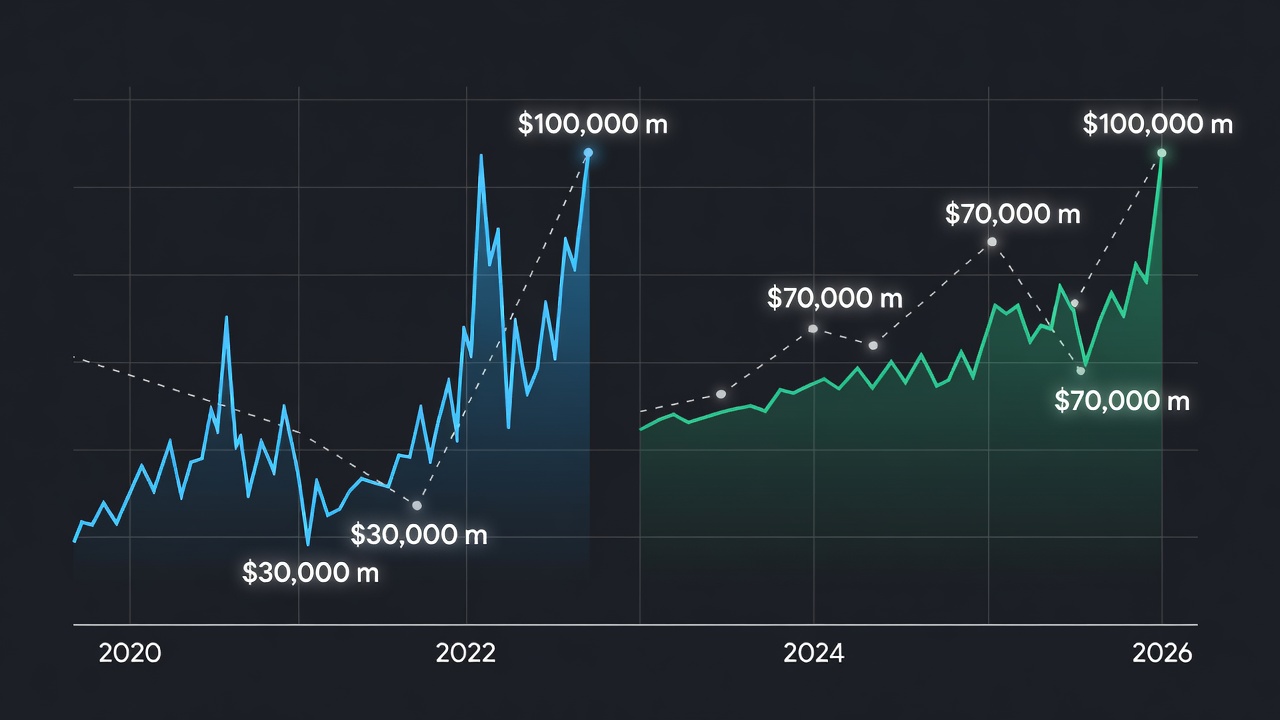
Visual data comparisons demonstrate that a 10-20% crypto allocation has historically improved overall portfolio efficiency without excessive downside exposure. Investors evaluating these metrics should also consider maximum drawdown figures and Sortino ratios to focus on downside protection rather than simple volatility measures.
Sector-Specific Opportunities in 2026
Blockchain sectors like decentralized finance and tokenized assets present unique growth avenues alongside traditional equity sectors such as technology and healthcare. Identifying overlaps allows investors to capture synergies while avoiding overconcentration. For example, exposure to payment processors in equities can complement holdings in blockchain infrastructure projects.
Energy and financial services equities may also align with crypto mining and lending protocols during expansion cycles. Monitoring regulatory developments in both spaces helps identify emerging opportunities before they become mainstream. Diversifying within each asset class further strengthens the overall framework.
Diversification Frameworks for Blended Portfolios
Effective frameworks start with assessing personal risk tolerance. Core principles include spreading exposure across uncorrelated assets and maintaining liquidity buffers. A practical approach involves:
- Core equity holdings for stability and dividend income
- Satellite crypto positions for growth and asymmetric upside
- Regular correlation reviews to adjust weights as markets shift
- Geographic and sector diversification within both asset classes
Implementing a core-satellite model allows investors to maintain baseline equity exposure while tactically adding crypto. This structure supports both long-term compounding and opportunistic adjustments.
Rebalancing Techniques and Best Practices
Rebalancing maintains target allocations amid market shifts. Common methods include calendar-based reviews quarterly or threshold-triggered adjustments when allocations drift beyond 5%. These techniques minimize emotional decision-making and lock in gains from outperforming assets.
Consider an example where crypto rises sharply: selling a portion to restore the target weight funds additional stock purchases at relatively lower prices. Transaction costs and tax implications should factor into the chosen method, with tax-advantaged accounts offering more flexibility for frequent adjustments.
Macroeconomic Triggers Shifting Allocations
Factors such as interest rate changes, regulatory developments, and inflation trends influence optimal mixes. Monitoring indicators from Federal Reserve resources helps anticipate necessary adjustments. Global events like trade policy shifts or technological breakthroughs can also alter correlations between the two asset classes.
Investors benefit from maintaining a watchlist of key indicators, including employment data, commodity prices, and central bank communications. When multiple triggers align, a measured reallocation often proves more effective than reactive moves.
Sample Portfolios for Different Investor Profiles
Conservative investors might target 80% stocks and 20% crypto, emphasizing large-cap equities and established tokens with strong governance. Moderate profiles often allocate 70% equities and 30% digital assets, incorporating a mix of growth stocks and diversified crypto holdings. Aggressive profiles could allocate 60% equities and 40% crypto, focusing on higher-growth opportunities in both markets while accepting greater volatility.
Each sample should be stress-tested against historical downturns to confirm alignment with personal risk tolerance. Periodic reviews ensure the portfolio evolves with changing life circumstances and market regimes.
Step-by-Step Allocation Calculator Walkthrough
Begin by inputting current holdings and risk parameters into a spreadsheet or online tool. Next, calculate target weights using correlation matrices derived from recent market data. Finally, simulate scenarios to test resilience under various economic conditions. This process ensures allocations align with 2026 objectives and personal constraints.
For illustration, an investor starting with $100,000 might assign $70,000 to a broad equity ETF basket and $30,000 across Bitcoin, Ethereum, and select altcoins. Running Monte Carlo simulations on these weights reveals probability ranges for different return outcomes, guiding final refinements before implementation.
Expert Insights on Blending Asset Classes
Professionals emphasize starting small with crypto exposure and scaling gradually. Continuous education on both markets remains essential for long-term success. Many advisors recommend consulting resources from SEC and IMF to stay informed on regulatory and global economic developments affecting both asset classes.
Frequently Asked Questions
How often should I rebalance a crypto-stock portfolio?
Quarterly reviews or drift-based triggers work well for most investors, balancing cost efficiency with allocation discipline.
What triggers a shift in allocation?
Major economic events, significant asset price movements, or changes in personal financial goals often prompt reevaluation.
Is there an ideal crypto allocation percentage?
Allocations typically range from 5% to 30% depending on risk appetite, time horizon, and overall portfolio size.
How do taxes affect rebalancing decisions?
Tax implications vary by jurisdiction and account type; using tax-advantaged accounts can reduce friction from frequent adjustments.
Conclusion
Strategic allocation between cryptocurrencies and stocks positions investors for balanced 2026 growth. By applying the frameworks, techniques, and examples outlined, individuals can build resilient portfolios tailored to their needs and market realities.


No comments yet. Be the first!