 CryptoChain Blog
Introduction to Sports Tokens in the 2026 Crypto Landscape
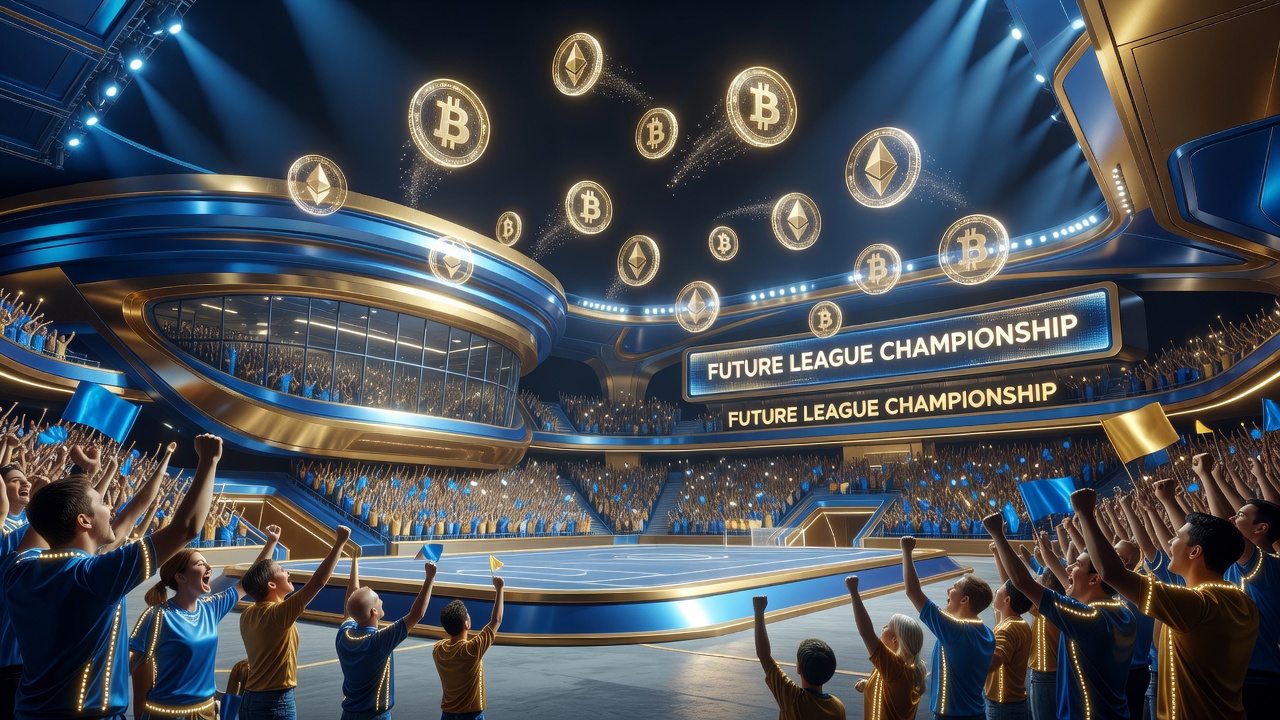
The intersection of sports, entertainment, and cryptocurrency continues to evolve rapidly in 2026. Sports tokens represent a growing niche where fan engagement meets blockchain utility, offering new ways for supporters to connect with their favorite teams and athletes. This guide provides beginner-friendly yet in-depth analysis of emerging trends, focusing on market insights and practical cryptocurrency evaluation techniques that help readers navigate this dynamic space with confidence.
Sports tokens allow supporters to access exclusive experiences, vote on club decisions, and earn rewards through decentralized platforms. As adoption grows across major leagues, understanding their mechanics becomes essential for anyone interested in this sector. Whether you are new to crypto or looking to deepen your knowledge, exploring fan token utility, sponsorship integrations, and valuation metrics provides a solid foundation for informed decision-making.
Fan Token Utility Explained
Fan tokens grant holders governance rights, merchandise discounts, and metaverse access. Utility extends beyond simple ownership, creating real value through community participation. For example, token holders often influence minor club decisions like kit designs or charity initiatives, fostering a deeper sense of belonging. In practice, these tokens integrate with mobile apps that deliver personalized content, early access to tickets, and even virtual meet-and-greets with players. This multi-layered utility transforms passive fans into active stakeholders who help shape team strategies and community events.
Additional benefits include staking rewards and loyalty points that can be redeemed for physical goods. Projects that emphasize genuine utility tend to maintain stronger holder retention over time compared to those focused solely on hype.
Sponsorship Integrations Driving Adoption
Major brands integrate sports tokens into sponsorship deals. These partnerships embed tokens into loyalty programs and event ticketing, creating seamless bridges between traditional sports marketing and Web3 technologies. For instance, a global beverage company might reward token holders with exclusive digital collectibles during live matches, enhancing engagement while driving brand visibility. Such integrations help sports organizations monetize their fan bases more effectively while providing fans with tangible perks that go beyond standard merchandise.
FIFA has explored similar blockchain initiatives in recent years, demonstrating how governing bodies can leverage tokens to expand global reach and create interactive fan experiences.
Valuation Metrics Using On-Chain Data
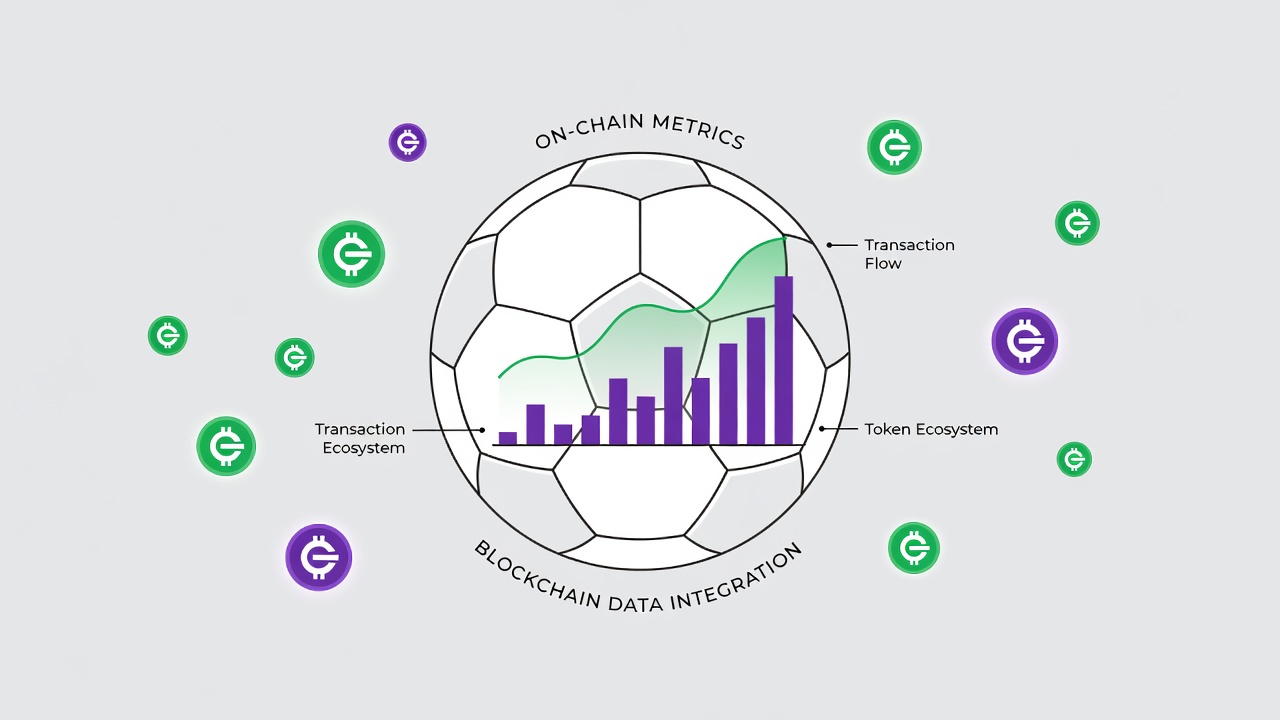
Analyzing sports tokens requires on-chain metrics such as active wallet addresses, transaction volume, and token distribution. Tools tracking these indicators reveal true project health beyond surface-level hype. On-chain analysis helps distinguish sustainable projects from speculative ones by highlighting patterns like consistent holder growth or unusual concentration in a small number of wallets. Investors can also examine smart contract interactions to understand how tokens are being used in real time, including voting participation rates and reward claim frequency.
Combining these metrics with traditional market data offers a more complete picture. Resources like CoinMarketCap provide supplementary market context that complements on-chain insights for thorough evaluations.
Practical Steps for Evaluating New Projects
Follow these steps when assessing sports token opportunities:
- Review the project's whitepaper and team background for transparency, paying close attention to any prior blockchain experience among founders.
- Examine on-chain data for liquidity and holder concentration to identify potential red flags such as heavy centralization.
- Assess real-world utility and partnerships with established leagues, verifying claims through official announcements and third-party audits.
- Compare tokenomics including supply schedules and vesting periods to ensure fair distribution and long-term incentives.
- Monitor community sentiment across verified channels while cross-referencing with independent forums and social analytics tools.
These steps reduce the risk of investing in poorly structured projects and help build a disciplined approach to portfolio decisions in the sports token sector.
Real-World Case Studies from Major Leagues
European football clubs have pioneered fan tokens with measurable success, often seeing increased engagement during match seasons. NBA and NFL teams are exploring similar models through partnerships that blend digital assets with live events. These examples demonstrate how tokens enhance fan loyalty while generating new revenue streams for organizations. One prominent case involves a top European club using tokens to let fans vote on stadium improvements, resulting in higher season ticket renewals. Another involves an NBA franchise integrating tokens into its mobile app for gamified experiences that reward consistent engagement.
NBA initiatives highlight how North American leagues are adapting global trends to local audiences.
Centralized Versus Decentralized Platforms
Centralized platforms offer easier onboarding but introduce counterparty risk through reliance on single entities for custody and operations. Decentralized options provide greater control and transparency through smart contracts, allowing users to interact directly without intermediaries. The choice depends on user priorities regarding security, fees, and accessibility. Beginners often start on centralized exchanges for simplicity before migrating portions of their holdings to decentralized protocols as they gain experience. Understanding the trade-offs helps investors select platforms that align with their risk tolerance and technical comfort level.
Ethereum.org offers foundational resources on decentralized protocols that power many sports token ecosystems.
Risk Factors and Macro Event Influences
Key risks include regulatory changes, market volatility, and low liquidity in niche tokens. Macro events such as economic shifts or global sports disruptions can accelerate or hinder adoption rates by affecting fan spending power and league schedules. For example, periods of high inflation may reduce discretionary spending on digital assets, while major international tournaments can spike interest and trading activity. Investors should diversify across multiple projects and stay informed about broader economic indicators as well as sports industry news. Developing a clear risk management plan, including position sizing and exit strategies, is essential for navigating uncertain conditions in this emerging market segment.
FAQ: Timing Entries and Portfolio Allocation
When is the best time to enter sports token positions?
Timing depends on project milestones and market cycles. Monitor on-chain activity and league announcements for optimal entry points rather than chasing short-term pumps driven by social media hype.
How much should investors allocate to sports tokens?
Allocation should remain a small percentage of a diversified crypto portfolio. Focus on established projects first before exploring emerging opportunities to maintain balance and manage downside exposure.
Are sports tokens suitable for beginners?
Yes, with proper research. Start with well-known league tokens and use educational resources before committing capital to build foundational knowledge gradually.
What role do macro events play in adoption?
Macro events can trigger spikes in interest during positive sports moments or cause pullbacks during economic uncertainty, making awareness of global trends valuable for timing decisions.
Conclusion
Sports tokens blend passion for athletics with blockchain innovation, offering unique opportunities for engagement and potential value creation. By applying the insights and steps outlined above, enthusiasts can navigate this 2026 landscape more confidently. Continued education and cautious evaluation remain key to long-term success in this dynamic sector.


No comments yet. Be the first!