 CryptoChain Blog

Introduction to Crypto Derivatives in 2026
Crypto derivatives have become a cornerstone of modern trading, allowing participants to speculate on price movements without owning the underlying assets. In 2026, products like futures, options, and perpetual contracts continue to reshape market dynamics by offering leverage and hedging opportunities. Traders searching for practical market insights find value in understanding how these instruments interact with broader economic factors and technological advancements in blockchain infrastructure. This comprehensive guide provides in-depth analysis of volatility impacts, effective leverage strategies, and correlations with spot markets while delivering actionable examples for position building.
Understanding Key Crypto Derivatives Products
Futures contracts obligate buyers and sellers to transact at a predetermined price on a future date, making them essential for locking in values amid uncertainty. Options grant the right but not the obligation to buy or sell at a strike price, providing asymmetric risk profiles that appeal to both conservative and aggressive traders. Perpetual contracts mimic futures without expiration dates, using funding rate mechanisms to keep prices aligned with spot markets. These instruments enable sophisticated position building in volatile environments where traditional spot trading falls short. Market participants often combine multiple derivatives to create complex strategies that capitalize on both upward and downward movements.
Volatility Impacts on Trading Strategies
High volatility in 2026 amplifies both opportunities and risks across all derivative types. Traders must monitor implied volatility metrics to time entries effectively and adjust exposure levels dynamically. Correlations between derivatives and spot markets often strengthen during major events such as regulatory announcements or macroeconomic shifts, influencing hedging decisions and portfolio rebalancing. Understanding these impacts helps traders avoid common pitfalls like overexposure during sudden price swings. Historical patterns from early 2026 events demonstrate how rapid volatility spikes can lead to liquidation cascades in highly leveraged positions, underscoring the need for adaptive strategies.
Leverage Strategies for 2026 Markets
Leverage magnifies returns but also losses, requiring careful calibration based on market conditions and individual risk tolerance. Conservative approaches start with 2-5x leverage, scaling up only after establishing consistent profitability through backtesting. Step-by-step position building begins with identifying trend direction via technical analysis, calculating position size to limit risk to 1-2% of capital per trade, and setting stop-loss orders at logical support or resistance levels. Consider an example where a trader anticipates a bullish move in Bitcoin: first analyze spot market correlations using historical data, then select an appropriate leverage ratio aligned with volatility forecasts, enter the position on a confirmed breakout, and finally monitor funding rates in perpetual contracts to avoid unnecessary costs. Another practical scenario involves using options for defined-risk strategies during uncertain periods, allowing traders to cap potential losses while maintaining upside potential.
- Analyze spot market correlations using historical data and on-chain metrics.
- Select appropriate leverage ratio aligned with volatility forecasts from reliable indicators.
- Enter positions on confirmed breakouts with clearly defined risk parameters and exit plans.
- Monitor and adjust for funding rates in perpetual contracts to optimize holding costs.
- Review performance weekly and adjust strategies based on evolving market conditions.
CEX vs DEX Platforms: A Detailed Comparison
Centralized exchanges (CEX) offer high liquidity and advanced trading tools but require KYC compliance and introduce counterparty risk. Decentralized exchanges (DEX) provide greater privacy and self-custody yet may face liquidity constraints and higher gas fees during network congestion. 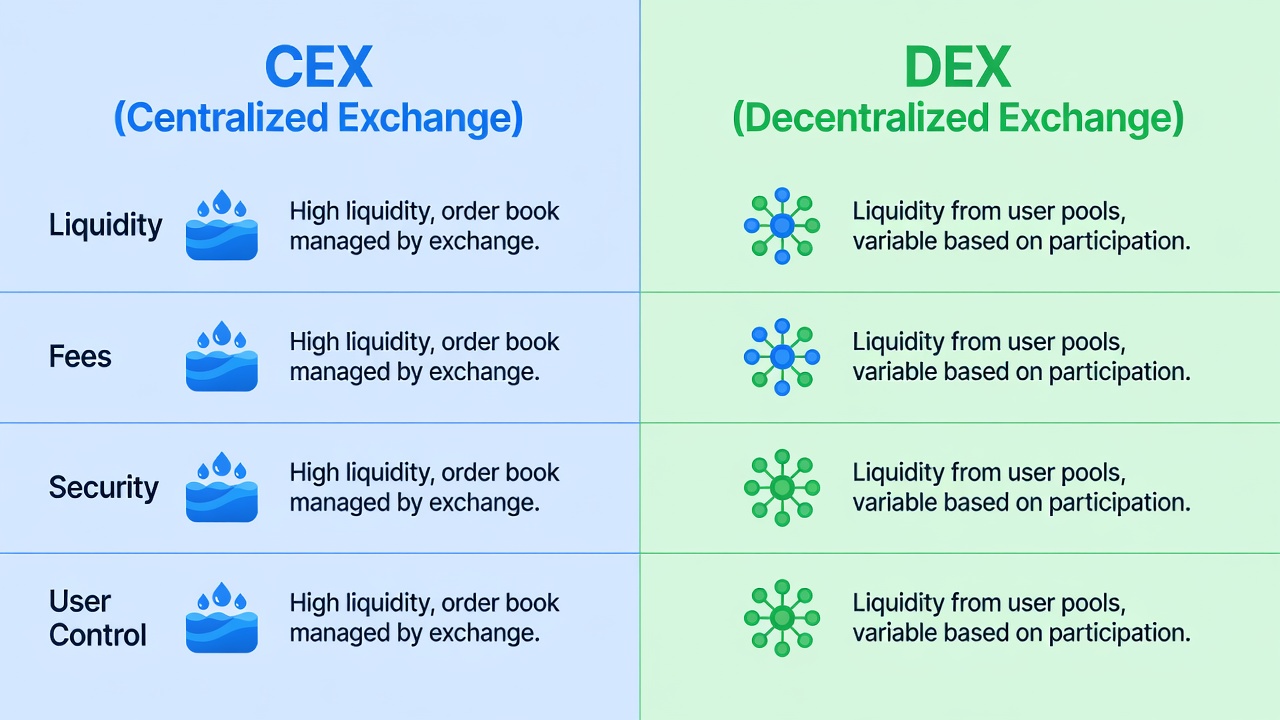
Risk Mitigation Tactics
Effective risk management includes diversification across products, regular portfolio rebalancing, and using options for downside protection. Avoid over-leveraging during uncertain periods and maintain detailed trading journals to identify patterns in decision-making. Additional tactics involve setting maximum drawdown limits, employing hedging with inverse products, and stress-testing portfolios against extreme volatility scenarios. Common mistakes to avoid include ignoring funding rate costs, failing to account for slippage in large orders, and neglecting to update strategies when market regimes change. Implementing these practices consistently helps traders survive prolonged drawdowns that characterize crypto markets.
Real-World Case Studies from 2026 Volatility Events
During mid-2026 market swings triggered by global economic data releases, traders who employed balanced leverage on perpetual contracts preserved capital better than those using excessive margins. One notable event highlighted how spot-derivatives correlations spiked dramatically, prompting many to shift toward options for protection. Another case involved a sudden regulatory tweet that caused a 15% price drop in major assets within hours, where prepared traders using stop-losses and options hedges minimized losses. These examples illustrate the importance of preparedness and flexible positioning. Lessons from these events emphasize continuous education and the value of maintaining cash reserves for opportunistic entries during recoveries. Resources from the SEC provide additional context on regulatory developments affecting derivatives trading.
Conclusion
Mastering crypto derivatives requires continuous learning and disciplined execution. By applying these insights on volatility, leverage, and platform selection, traders can position themselves for success in evolving 2026 markets while protecting capital through robust risk frameworks.
FAQ
What are the main differences between futures and perpetual contracts?
Futures have fixed expiration dates while perpetuals do not, relying instead on funding rates to maintain price alignment with spot markets. This makes perpetuals suitable for longer-term holds without rolling contracts.
How does leverage affect risk in derivatives trading?
Leverage amplifies both gains and losses, necessitating strict position sizing rules and ongoing monitoring to prevent margin calls during volatile periods.
Are CEX platforms safer than DEX for beginners?
CEX often provide better customer support, higher liquidity, and educational resources but involve custodial risks; DEX emphasize self-custody and transparency at the potential cost of usability.
What role do correlations play in building derivative positions?
Strong correlations between derivatives and spot markets can enhance hedging effectiveness but also increase systemic risk if not monitored during regime shifts.


No comments yet. Be the first!