 CryptoChain Blog
2026 Crypto Insights: Supply Chain Blockchain Adoption Trends
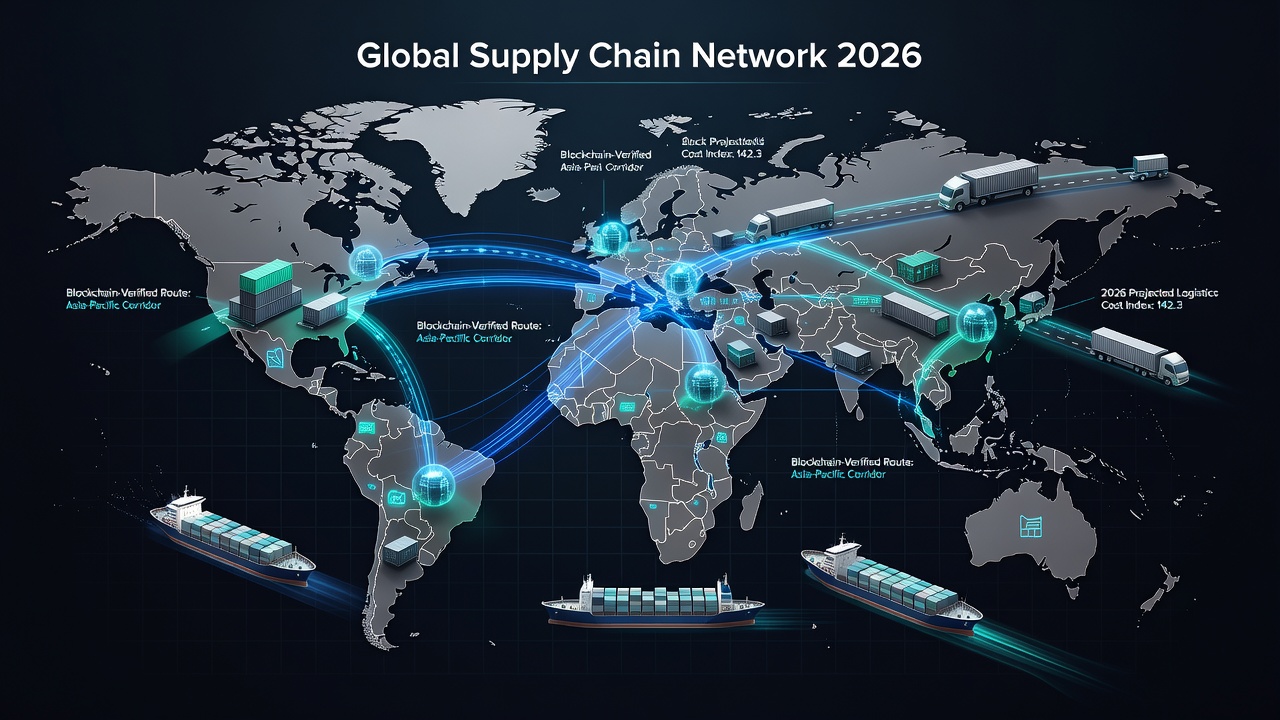
Global supply chains are undergoing a profound transformation as blockchain technology gains traction among major logistics providers. In 2026, this shift is unlocking fresh cryptocurrency market opportunities through improved traceability, efficiency gains, and new token-based incentive models. Investors and analysts seeking actionable insights can examine permissioned versus public chains, token utility in tracking systems, and on-chain data evaluation techniques to identify promising projects. The integration of distributed ledgers allows stakeholders to record every movement of goods with tamper-proof timestamps, reducing fraud and disputes that traditionally cost the industry billions annually. Forward-looking analysis reveals that adoption is no longer experimental but a strategic imperative for companies aiming to meet rising consumer demands for transparency and sustainability.
Real-World Implementations by Leading Logistics Firms
Major players have moved beyond pilots into scaled deployments. Maersk continues to expand its TradeLens-derived solutions, integrating blockchain for end-to-end visibility across ocean freight and inland transport. Similarly, IBM supports enterprise networks that connect manufacturers, carriers, and customs authorities in permissioned environments. These implementations demonstrate how immutable ledgers reduce paperwork delays and disputes, creating indirect demand for utility tokens that power data verification layers. European rail and trucking consortia record temperature-controlled cargo movements on distributed ledgers, with sensors triggering smart contracts for automated alerts and settlements. In Asia, port authorities have adopted similar systems to streamline container handling, cutting average clearance times by integrating real-time provenance data. These examples illustrate measurable outcomes such as fewer lost shipments and faster dispute resolutions, directly fueling token ecosystems that reward accurate data contributions from participants.
Additional case studies include North American freight networks that use blockchain to manage hazardous materials compliance, logging every handler interaction on-chain. When deviations occur, tokens facilitate rapid compensation without lengthy legal processes. Such practical successes underscore why supply chain blockchain adoption is accelerating throughout 2026, offering investors clear signals through observable network growth and transaction volumes.
Token Utility in Modern Tracking Systems
Utility tokens serve multiple roles within these ecosystems. They incentivize data sharing among competing carriers by rewarding accurate, timely uploads. Tokens also function as access keys to premium analytics dashboards or as collateral for dispute resolution mechanisms. In some networks, holders stake tokens to validate sensor readings, earning fees when their validations are confirmed by the majority. This utility creates measurable on-chain activity that analysts can monitor for early adoption signals. For instance, tokens may grant voting rights on network upgrades, allowing logistics partners to influence protocol changes that affect tracking accuracy. Another application involves using tokens to pay for premium oracle services that feed external data like weather or customs updates into the chain, ensuring seamless automation across borders.
Practical examples show tokens enabling micro-payments for individual data points from IoT devices on shipping containers. This granular approach reduces reliance on centralized intermediaries and fosters a more resilient supply ecosystem. Investors benefit by tracking token velocity and staking ratios, which often correlate with real-world cargo throughput rather than speculative trading alone.
Permissioned Versus Public Blockchains: A Practical Comparison
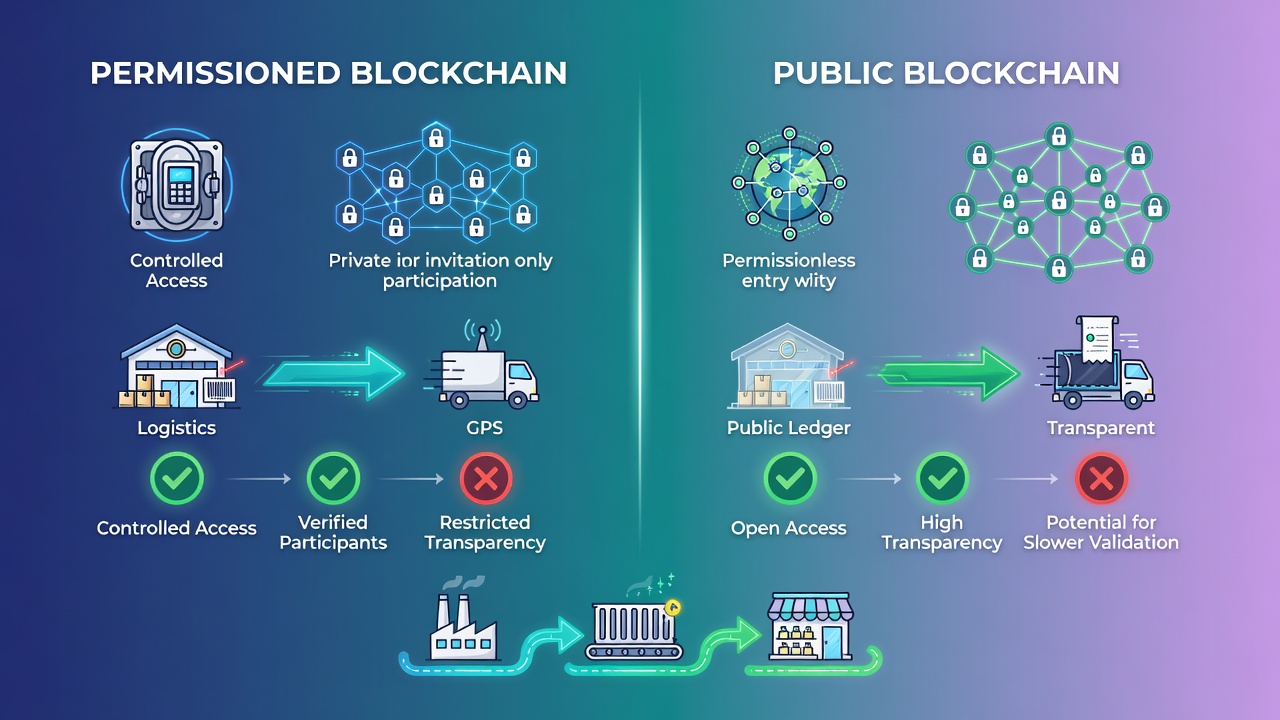
Permissioned chains dominate supply chain deployments because they offer controlled participant lists, faster finality, and regulatory compliance features. Public chains, however, provide greater transparency and censorship resistance, which appeals to certain cross-border trade corridors. Decision makers weigh factors such as throughput requirements, data privacy mandates, and integration costs when choosing architectures. Hybrid models that anchor permissioned records to public chains for auditability are gaining attention in 2026. Permissioned systems excel in environments requiring strict access controls, such as pharmaceutical tracking where patient data sensitivity is paramount. Public chains shine in scenarios demanding open verification, like fair-trade certifications visible to consumers worldwide.
- Permissioned advantages: predictable performance, enterprise-grade identity management, easier regulatory reporting, and reduced exposure to volatile gas fees.
- Public advantages: open participation, stronger immutability guarantees, broader token liquidity, and community-driven innovation.
- Trade-offs: permissioned systems risk centralization and vendor lock-in; public systems face scalability hurdles and potential regulatory scrutiny over anonymous participants.
Analysts recommend evaluating throughput benchmarks and compliance certifications before committing to a specific architecture, as these choices directly impact long-term token viability and project sustainability.
Steps for Analyzing Related Crypto Projects with On-Chain Data
Investors should follow a structured process to evaluate supply chain blockchain projects. First, map token flows tied to logistics transactions by reviewing smart contract addresses associated with known partners. Second, monitor key metrics including daily active addresses, average transaction value, and staking participation rates over multiple quarters. Third, decode event logs to distinguish cargo-related activity from speculative transfers. Fourth, cross-reference on-chain volume with public announcements from logistics firms to validate authenticity. Fifth, assess token distribution and vesting schedules to identify potential concentration risks. This methodical approach helps separate sustainable utility growth from hype-driven spikes, providing decision-useful insights for portfolio allocation in 2026.
Risk Assessment Framework
Before committing capital, apply a structured evaluation. Assess technical risks such as smart contract vulnerabilities and oracle reliability for sensor data. Regulatory risks encompass evolving customs rules and data localization laws across jurisdictions. Market risks involve token liquidity and potential shifts in logistics partner preferences. A scoring system that weights each category allows consistent comparison across opportunities. Regular re-evaluation is essential as 2026 regulatory developments unfold, particularly around cross-border data standards and digital asset classifications. Incorporating scenario planning for supply disruptions further strengthens the framework, helping investors anticipate how geopolitical events might affect network adoption.
Mistakes to Avoid in Supply Chain Crypto Investments
Common pitfalls include over-relying on marketing claims without verifying on-chain evidence of real cargo volumes. Another mistake is ignoring hybrid architecture trends, which may render pure permissioned or public solutions obsolete. Investors should also avoid neglecting liquidity analysis, as low trading volumes can trap capital during market stress. Finally, failing to monitor regulatory updates can lead to sudden compliance costs or project pivots that erode token value. By systematically addressing these areas, market participants can navigate the sector more effectively.
Conclusion
Supply chain blockchain adoption in 2026 is creating tangible cryptocurrency investment angles centered on utility tokens, network effects, and verifiable transaction data. By studying live implementations, understanding architectural trade-offs, and applying rigorous on-chain analysis, market participants can position themselves ahead of mainstream recognition. Continued monitoring of regulatory clarity will further refine these forward-looking opportunities and support informed decision-making in an evolving landscape.
Frequently Asked Questions
What regulatory hurdles most affect supply chain blockchain projects?
Cross-border data transfer rules, customs documentation standards, and varying definitions of digital assets create compliance complexity that projects must navigate carefully through ongoing legal consultations and adaptive protocol designs.
How can investors verify genuine supply chain usage versus marketing claims?
Examine on-chain transaction patterns, partner announcements from recognized logistics firms, and independent audits of cargo volume data recorded on the ledger to establish credible usage metrics.
Are permissioned chains likely to remain dominant through 2026?
Current enterprise momentum suggests permissioned networks will continue leading adoption, though hybrid architectures linking to public chains are expected to increase for enhanced transparency needs in global trade.
What practical steps help beginners start analyzing on-chain supply chain data?
Begin with free blockchain explorers to review transaction histories, then progress to specialized dashboards that aggregate logistics-specific metrics and partner integrations.


No comments yet. Be the first!