 CryptoChain Blog
Introduction to the 2026 Web3 Gaming Boom
The Web3 gaming sector is experiencing unprecedented expansion in 2026, blending blockchain technology with immersive gameplay to create new economic models. This surge is driven by rising player adoption, innovative token mechanics, and integration with broader cryptocurrency markets. Investors seeking high-growth opportunities must understand the underlying dynamics to navigate this evolving landscape effectively.
Market Growth and Player Metrics
Projections indicate robust expansion across key metrics, including active users and transaction volumes. Compared to traditional crypto sectors like DeFi or NFTs, Web3 gaming demonstrates higher retention rates due to engaging mechanics. Data highlights accelerated adoption in emerging markets, positioning the sector for sustained momentum through the year.
Interoperable Metaverses and AI-Enhanced Gameplay
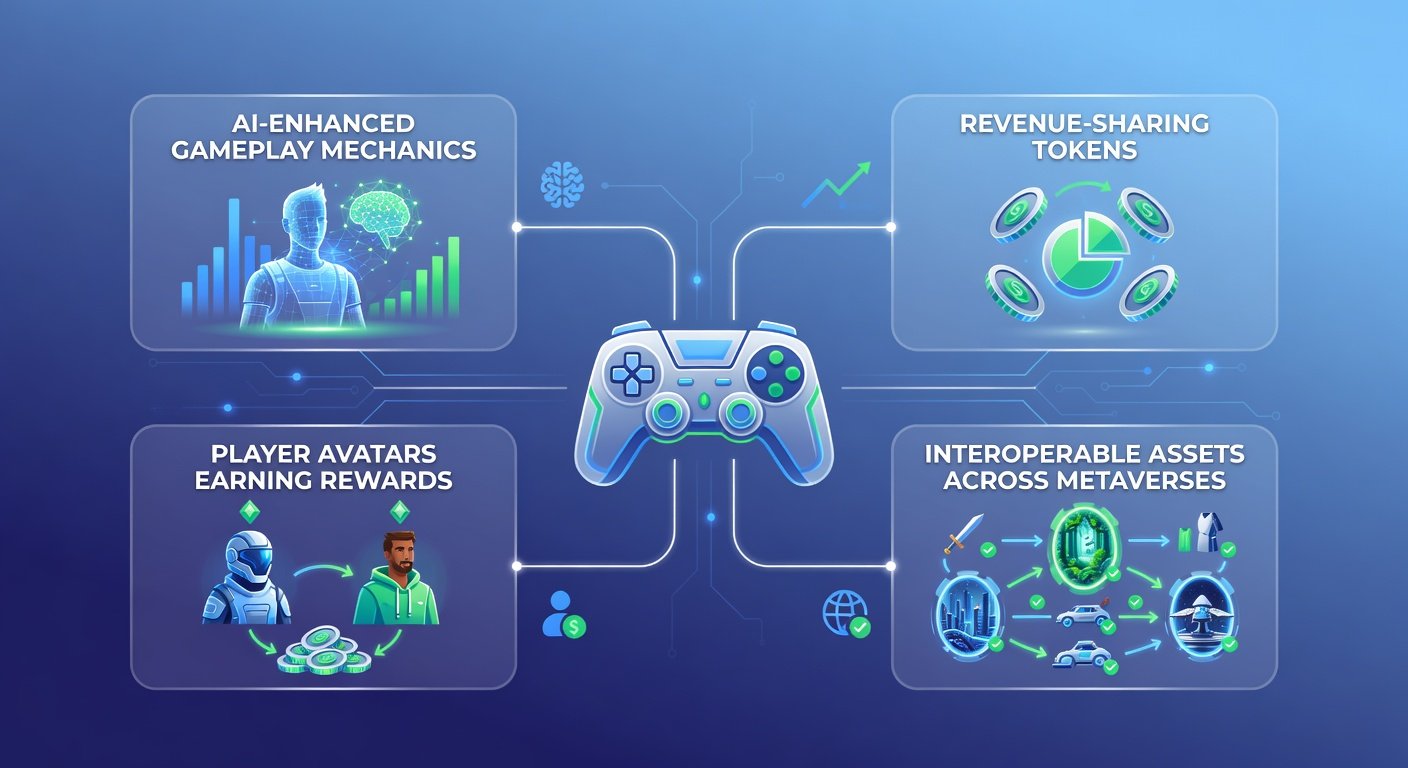
Interoperable metaverses enable seamless asset transfers across platforms, fostering a unified digital economy. AI enhancements further elevate experiences through adaptive narratives and intelligent non-player characters. These technologies are reshaping player engagement and creating fresh revenue streams for developers and users alike.
Token Economics and Revenue-Sharing Models
Modern Web3 titles leverage play-to-earn frameworks with revenue-sharing incentives. Projects like Immutable X utilize layer-2 scaling for efficient NFT transactions, while Ronin powers popular ecosystems with low-cost infrastructure. These models prioritize community ownership, aligning incentives between players and creators.
Examples from Leading Projects
- Immutable X: Focuses on zero-knowledge proofs for scalable gaming assets, enabling broad ecosystem partnerships.
- Ronin: Powers flagship titles with sidechain technology optimized for high-throughput gameplay and token utility.
Gaming vs Traditional Crypto Sectors
Web3 gaming outperforms legacy crypto verticals in user acquisition velocity and real-world utility. While Bitcoin analysis often centers on store-of-value properties, gaming tokens deliver active utility through in-game economies. Projected adoption data underscores gaming's edge in mainstream integration.
Practical Steps to Evaluate Gaming Tokens and Build Portfolios
Investors should follow a structured approach:
- Assess token utility and governance features within the game's ecosystem.
- Review on-chain metrics such as transaction velocity and holder distribution.
- Compare project roadmaps against competitors like Immutable X and Ronin.
- Diversify across 3-5 tokens while monitoring regulatory developments.
- Utilize reputable analytics platforms for ongoing performance tracking.
This methodology helps identify resilient opportunities amid volatility.
FAQs on Risks, Entry Strategies, and Long-Term Trends
What are the primary risks in Web3 gaming investments?
Market volatility, smart contract vulnerabilities, and regulatory shifts represent key concerns. Thorough due diligence mitigates exposure.
How should beginners enter the space?
Start with established ecosystems, acquire small positions in utility tokens, and participate in community governance to build knowledge.
What long-term trends will shape the sector?
Greater interoperability, AI integration, and mainstream studio adoption are expected to drive maturation, creating hybrid traditional-Web3 experiences.
For authoritative resources on blockchain scalability, explore Immutable's official site and Ronin's documentation. Additional insights on emerging technologies are available via CoinDesk.


No comments yet. Be the first!