 CryptoChain Blog
Introduction to Crypto Retirement Planning in 2026
Planning for retirement with cryptocurrency requires a disciplined, data-driven approach tailored to evolving market conditions. As digital assets mature into mainstream financial instruments, investors must balance growth potential with robust risk management to build sustainable portfolios that withstand market cycles. This comprehensive guide provides actionable steps for 2026, focusing on allocation frameworks that adapt to volatility while incorporating on-chain insights and behavioral strategies. Readers seeking concrete guidance will find detailed checklists, comparison tables, and real-world examples designed to boost completion rates and long-term success rates.
Understanding the 2026 Crypto Market Landscape
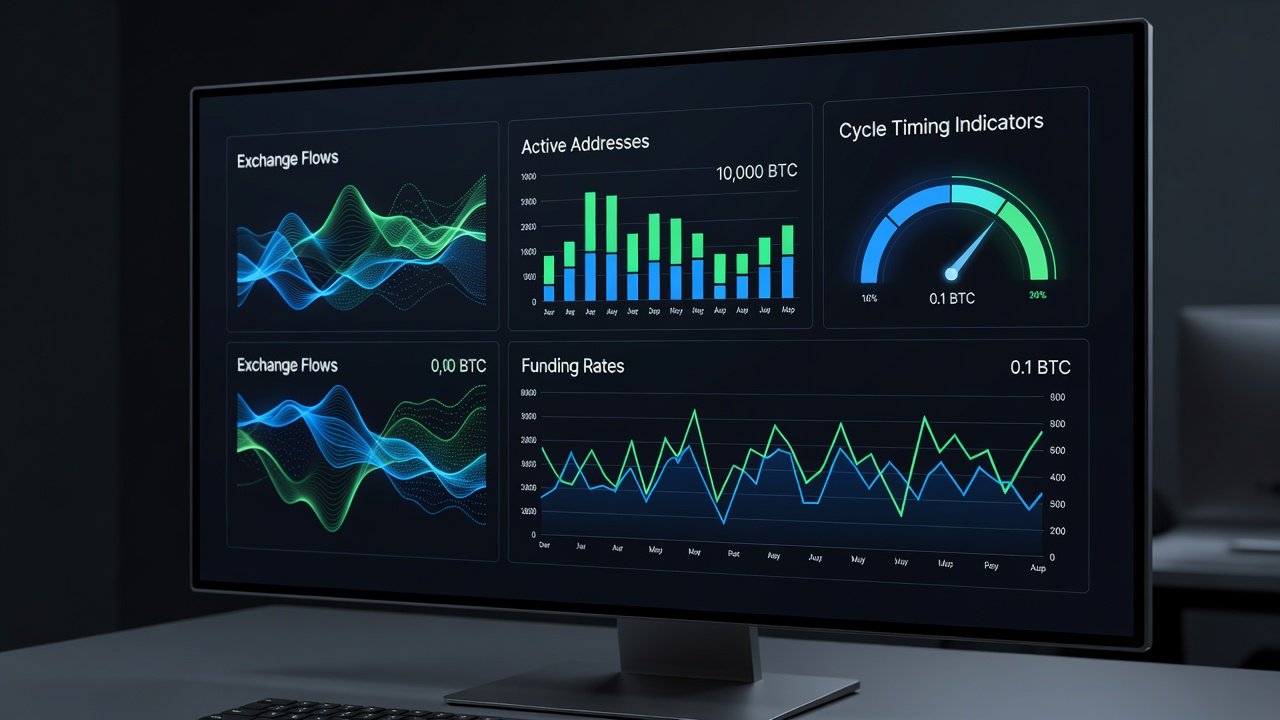
The crypto ecosystem in 2026 continues to expand with increased institutional adoption and greater regulatory clarity in key jurisdictions worldwide. On-chain metrics such as active wallet growth, transaction volumes, and exchange reserve levels offer real-time signals for allocation decisions. Investors should monitor these indicators closely to adjust positions dynamically rather than reacting emotionally to short-term price swings. For instance, rising stablecoin issuance often signals liquidity inflows that can support broader market recovery, while declining active addresses in certain protocols may indicate shifting sentiment toward more established assets. Integrating these data points helps create forward-looking strategies that go beyond simple buy-and-hold tactics.
Risk-Adjusted Allocation Frameworks
Effective frameworks start with assessing personal risk tolerance through detailed questionnaires and analysis of historical drawdown scenarios across multiple market cycles. Allocate based on volatility-adjusted metrics like Sharpe ratios and maximum drawdown percentages for major assets. Diversify across layers including base-layer tokens, decentralized finance protocols, and emerging sectors such as real-world asset tokenization and layer-two scaling solutions. A practical example involves calculating risk contribution from each holding and capping exposure so no single asset exceeds 25 percent of the total portfolio unless justified by strong on-chain fundamentals. This approach reduces overall portfolio volatility while preserving upside participation during bull phases.
Diversification Across Asset Classes
Beyond Bitcoin and Ethereum, consider measured exposure to stablecoins for liquidity buffers and select altcoins with strong fundamentals backed by developer activity and user growth metrics. Geographic and sector diversification further reduces single-point failures, such as regulatory shifts in one jurisdiction. Use on-chain data to identify low correlations between holdings and implement quarterly rebalancing schedules. Practical examples include allocating portions to tokenized treasuries for yield generation or exploring decentralized insurance protocols to hedge against smart contract risks. Such layered diversification creates multiple income streams and defensive positions that perform differently under varying economic conditions.
Integrating Tax Strategies
Tax-efficient structures remain critical for maximizing after-tax returns in retirement accounts. Utilize tax-advantaged vehicles where available and track cost basis meticulously across all transactions. Consult resources from the IRS official site for current guidance on digital asset reporting requirements. Pair these practices with strategies like tax-loss harvesting during market dips to offset gains elsewhere. Additional considerations include understanding wash-sale rules for crypto and exploring opportunities in self-directed IRAs that permit digital asset custody. Proper integration of these elements can significantly enhance net portfolio value over a 10- to 20-year horizon.
Step-by-Step Allocation Checklist
- Define your retirement timeline and liquidity needs by projecting annual withdrawal requirements and emergency reserves.
- Assess current net worth and existing crypto holdings with accurate valuation of all positions including staked assets.
- Determine risk profile using standardized tools and stress-test scenarios against 30-50 percent drawdowns.
- Select core allocation percentages across assets while documenting the rationale for each choice.
- Incorporate tax-advantaged vehicles such as IRAs or similar structures available in your jurisdiction.
- Set rebalancing triggers based on percentage thresholds or calendar dates to maintain target weights.
- Establish monitoring routines with on-chain dashboards and automated alerts for significant metric changes.
- Review and adjust the plan annually or after major life events to keep it aligned with evolving goals.
Real-World Portfolio Examples for Different Profiles
Conservative investors might favor allocations emphasizing stability with 40 percent in Bitcoin, 30 percent in Ethereum, 20 percent in stablecoins, and 10 percent in diversified blue-chip altcoins. Moderate profiles could shift toward 35 percent Bitcoin, 25 percent Ethereum, 15 percent in established DeFi tokens, 15 percent stablecoins, and 10 percent in growth-oriented assets. Aggressive allocations increase altcoin exposure while still anchoring to core holdings for downside protection. The table below compares these mixes in detail:
| Profile | Bitcoin | Ethereum | Stablecoins | Altcoins/DeFi | Expected Risk Level |
|---|---|---|---|---|---|
| Conservative | 40% | 30% | 20% | 10% | Low |
| Moderate | 35% | 25% | 15% | 25% | Medium |
| Aggressive | 30% | 20% | 10% | 40% | High |
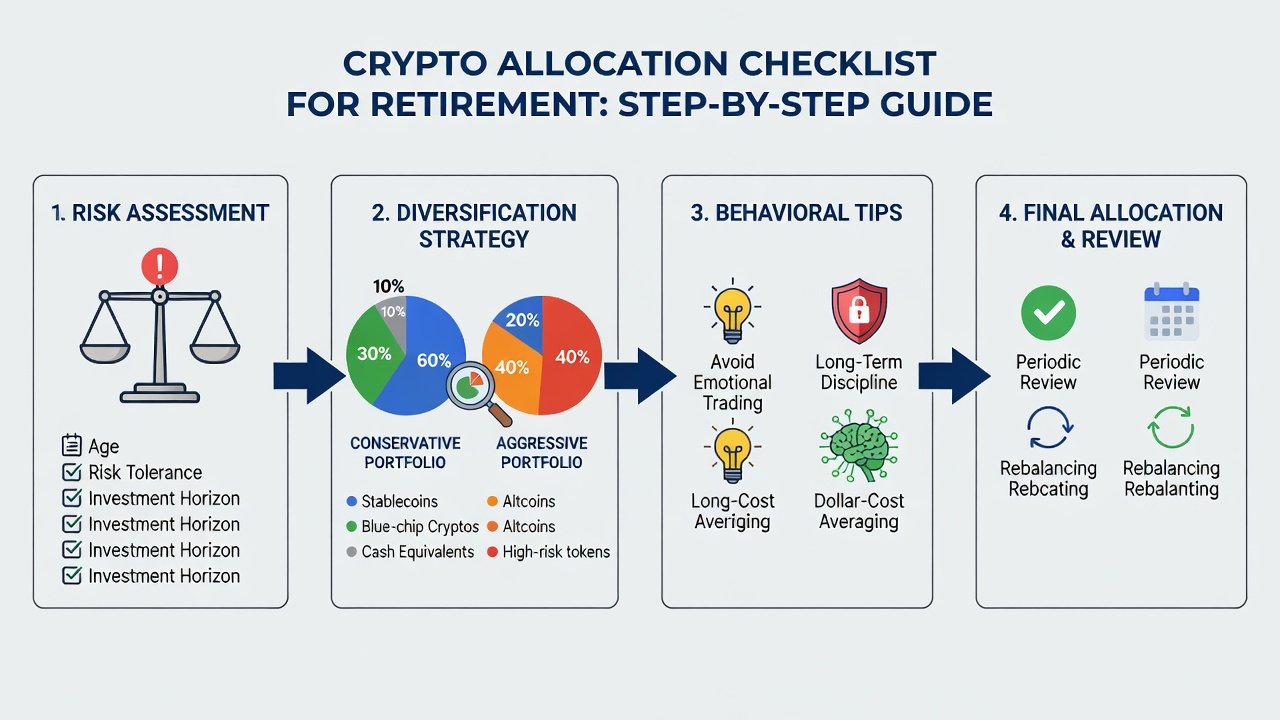
These examples demonstrate how slight shifts in percentages can materially alter risk-return profiles. Conservative mixes prioritize capital preservation during bear markets, while aggressive ones capture higher upside in bull runs but require stronger psychological discipline.
Behavioral Tips to Maintain Discipline
Automate contributions and employ dollar-cost averaging to counter the effects of volatility. Set predefined rules for selling during extreme rallies or dips to avoid emotional decisions. Review the SEC investor resources regularly for educational updates on market risks and best practices. Additional tips include maintaining a trading journal to track decision rationale, limiting news consumption to scheduled times, and partnering with a fiduciary advisor experienced in digital assets when needed. These habits help investors stay committed to long-term plans despite short-term market noise.
Handling Volatility and Regulatory Changes
Volatility remains inherent to crypto markets, yet proper allocation and rebalancing turn it into an advantage rather than a threat. Regulatory developments in 2026 may include updated custody standards and enhanced reporting obligations. Staying informed through official channels enables proactive portfolio adjustments. Investors should also prepare contingency plans for sudden policy shifts by maintaining higher stablecoin reserves during uncertain periods.
FAQs on Crypto Retirement Planning
How does volatility impact long-term holdings?
Volatility creates attractive entry opportunities but requires strict allocation rules to avoid panic selling. Historical patterns demonstrate recovery over multi-year horizons when portfolios remain diversified and rebalanced consistently according to predefined rules.
What regulatory changes should investors watch in 2026?
Monitor updates on custody rules, tax reporting thresholds, and cross-border transfer requirements. Staying informed through official channels helps adapt portfolios proactively without unnecessary disruption.
Can on-chain data improve allocation decisions?
Yes, metrics like exchange inflows, whale activity, and protocol revenue provide forward-looking signals when combined with traditional fundamental analysis and macroeconomic indicators.
How often should portfolios be rebalanced?
Quarterly reviews combined with threshold-based triggers typically strike the right balance between maintaining targets and avoiding excessive transaction costs or tax events.
Conclusion
Successful 2026 crypto retirement planning blends analytical frameworks with consistent execution and ongoing education. By following the outlined steps, leveraging real-time on-chain data, and applying disciplined behavioral practices, investors can build resilient portfolios aligned with their individual retirement goals and risk tolerances.

No comments yet. Be the first!