 CryptoChain Blog

Introduction to Behavioral Finance in Crypto Markets
Cryptocurrency markets remain highly volatile in 2026, making psychological factors a critical element of successful analysis. Behavioral finance bridges traditional economics with human psychology, revealing how cognitive biases distort decision-making and lead to suboptimal outcomes. This comprehensive guide shows intermediate traders how to apply these concepts specifically to crypto trends, drawing on fresh case studies from both bull and bear phases observed throughout 2026. Investors frequently fall prey to emotional responses that classic finance models overlook, such as chasing gains or holding losing positions too long. By systematically recognizing patterns like overconfidence and anchoring, traders can build more objective, data-supported strategies that improve long-term results. Integration with on-chain metrics further strengthens this approach, providing quantifiable counterbalances to subjective judgments and helping participants navigate the unique 24/7 nature of digital asset markets.
Key Biases Affecting 2026 Crypto Analysis
Overconfidence Bias with Bull Market Examples
Overconfidence leads traders to overestimate their predictive abilities, particularly during upward price movements. In the early 2026 bull phases, many retail investors ignored declining network activity signals and concentrated holdings in high-risk altcoins, resulting in 40-60% portfolio drawdowns during subsequent corrections. Case studies from major exchanges documented how this bias caused repeated over-leveraging, with participants believing personal analysis outperformed broader market indicators. Practical mitigation involves maintaining a trade log that forces review of past predictions against actual outcomes, revealing consistent overestimation patterns.
Anchoring Bias During Bear Market Phases
Anchoring bias occurs when traders fixate on specific past price levels as reference points. Throughout the mid-2026 bear market, investors anchored expectations to 2025 all-time highs, delaying necessary sales and amplifying losses on assets such as certain DeFi tokens. Real-world examples include wallets that refused to exit positions until prices returned to arbitrary thresholds, missing opportunities to reallocate into stronger fundamentals. Recognizing this requires deliberately resetting reference points using current on-chain data rather than historical peaks.
Additional Biases: Loss Aversion and Herd Mentality
Loss aversion causes disproportionate pain from losses compared to equivalent gains, leading 2026 traders to sell winners too early while clinging to losers. Herd mentality amplified this during social media-driven rallies, where participants piled into trending tokens without independent verification. These biases compound in crypto due to rapid information flow and leverage availability, making proactive awareness essential for preserving capital.
Step-by-Step Bias Detection Methods
Implement this repeatable process to surface personal biases before they impact portfolios. First, maintain a detailed trade journal recording entry rationale, emotional state, position size, and expected outcome. Second, conduct weekly reviews comparing decisions against actual market movements and on-chain metrics such as active wallet growth or exchange reserve changes. Third, introduce quarterly self-audits using standardized checklists to quantify patterns like excessive trading frequency after wins. Fourth, incorporate external feedback by sharing anonymized trade summaries with a trusted peer or advisor. Fifth, simulate decisions in a paper-trading environment before committing real capital. This structured methodology transforms reactive trading into deliberate, bias-aware practice over successive market cycles.
Comparing Behavioral Finance to Traditional Finance Approaches
Traditional finance models assume rational actors operating in efficient markets, yet cryptocurrency's continuous trading and retail dominance amplify irrational behaviors. Behavioral frameworks better account for phenomena like momentum driven by social proof and loss aversion during volatility spikes. For example, while the efficient market hypothesis struggles to explain meme coin surges fueled by community sentiment, behavioral insights directly link these movements to herd dynamics and overconfidence. Regulatory perspectives from SEC resources emphasize investor protection principles that align closely with behavioral safeguards, encouraging education on cognitive pitfalls rather than relying solely on disclosure.
Integrating On-Chain Metrics for Objective Decision-Making
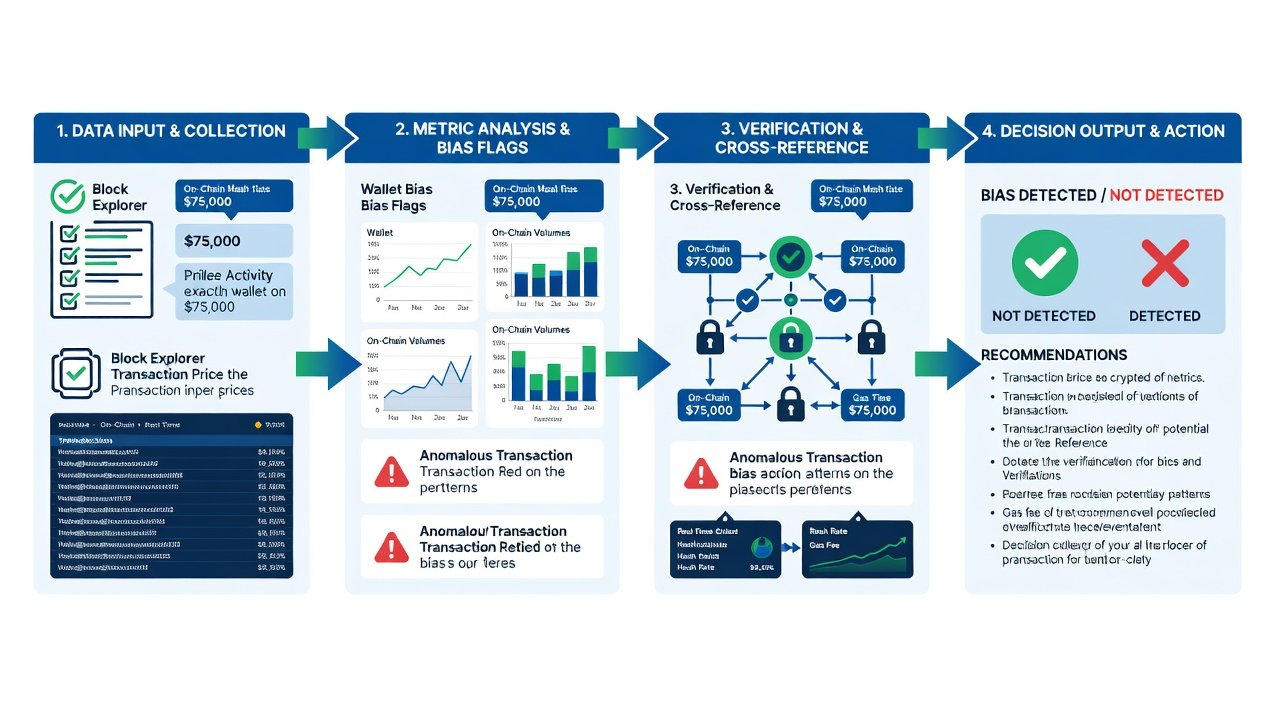
Pair psychological awareness with verifiable blockchain data to create balanced analysis. Monitor active addresses for genuine network usage, exchange inflows as sell-pressure indicators, token velocity for circulation health, and large-wallet distribution for concentration risks. In 2026 volatility events, traders who cross-referenced sentiment readings with these metrics avoided overconfident entries during false breakouts. Establish a weekly dashboard combining price action with at least three on-chain signals; deviations between the two datasets serve as early warnings for bias-driven mistakes. This hybrid loop ensures emotional impulses face constant empirical challenge.
Self-Assessment Checklist for Intermediate Traders
Use this expanded checklist during monthly portfolio reviews to maintain discipline. Do current holdings reflect recent on-chain trends or lingering attachment to past price levels? Have position sizes increased after consecutive wins without corresponding fundamental improvements? Are contradictory metrics such as rising exchange reserves being dismissed? Does portfolio concentration exceed predefined risk thresholds due to familiarity bias? Has every major trade undergone documented review against neutral benchmarks this month? Regular application of these questions surfaces hidden biases and promotes consistent, evidence-based adjustments.
Real Portfolio Examples and Risk Mitigation Tactics
Examine a hypothetical $75,000 diversified portfolio allocated across Bitcoin, Ethereum, and two mid-cap tokens. After identifying overconfidence through journal analysis in Q2 2026, the holder implemented strict position caps at 25% per asset and mandatory 48-hour cooling periods following any loss exceeding 5%. Rebalancing toward projects showing sustained active address growth produced steadier performance amid summer volatility. A second example involved correcting anchoring by abandoning 2025 price targets in favor of dynamic valuation tied to daily transaction counts and developer activity. Additional tactics include maintaining 10-15% cash reserves for opportunistic entries, setting automated alerts for on-chain threshold breaches, and scheduling quarterly external portfolio audits. These measures collectively reduce emotional interference while preserving upside participation.
Common Mistakes to Avoid in 2026 Crypto Trading
Many traders repeat errors such as ignoring transaction volume confirmation during sentiment spikes, allowing single-asset loyalty to override diversification rules, and failing to update bias assessments after major market regime shifts. Avoiding these requires embedding behavioral checkpoints into every analysis workflow rather than treating them as occasional exercises.
Conclusion
Behavioral finance strategies provide 2026 crypto traders with practical frameworks to counter emotional pitfalls and enhance analytical accuracy. Through systematic bias detection, on-chain metric integration, detailed checklists, and disciplined portfolio examples, participants develop resilience against volatility. Consistent application converts psychological insights into measurable decision-making advantages that compound over multiple market cycles.


No comments yet. Be the first!