 CryptoChain Blog

Introduction to 2026 ETF Inflows and Retail Strategies
Exchange-traded funds focused on cryptocurrencies have continued to attract substantial capital in 2026, influencing liquidity dynamics across Bitcoin and altcoins in profound ways. Retail investors can capitalize on these shifts by adjusting portfolios with targeted rebalancing techniques that leverage real-time data. This article explores how ETF inflows modify market behavior in detail and provides actionable steps for individuals seeking to optimize their holdings amid evolving conditions. Understanding these flows helps retail participants avoid common pitfalls associated with sudden market movements and positions them to make informed decisions based on verifiable signals rather than speculation.
Impact of ETF Inflows on Bitcoin and Altcoin Liquidity
Significant ETF inflows in 2026 have enhanced liquidity for major assets like Bitcoin while creating uneven effects on altcoins. Increased institutional participation through ETFs often leads to tighter bid-ask spreads on Bitcoin, making entry and exit points more efficient for retail traders who previously faced wider spreads during low-volume periods. Altcoins may experience secondary benefits through rotation but can suffer from reduced depth during outflow periods when capital quickly exits smaller assets. On-chain data reveals higher transaction volumes correlating with inflow surges, signaling sustained interest from both retail and larger players. For example, periods of elevated transfer volumes on the Bitcoin network often coincide with ETF creation events, providing early indicators of potential price stabilization or momentum shifts that retail investors can monitor through public blockchain explorers.
Rotation Patterns Driven by 2026 Inflows
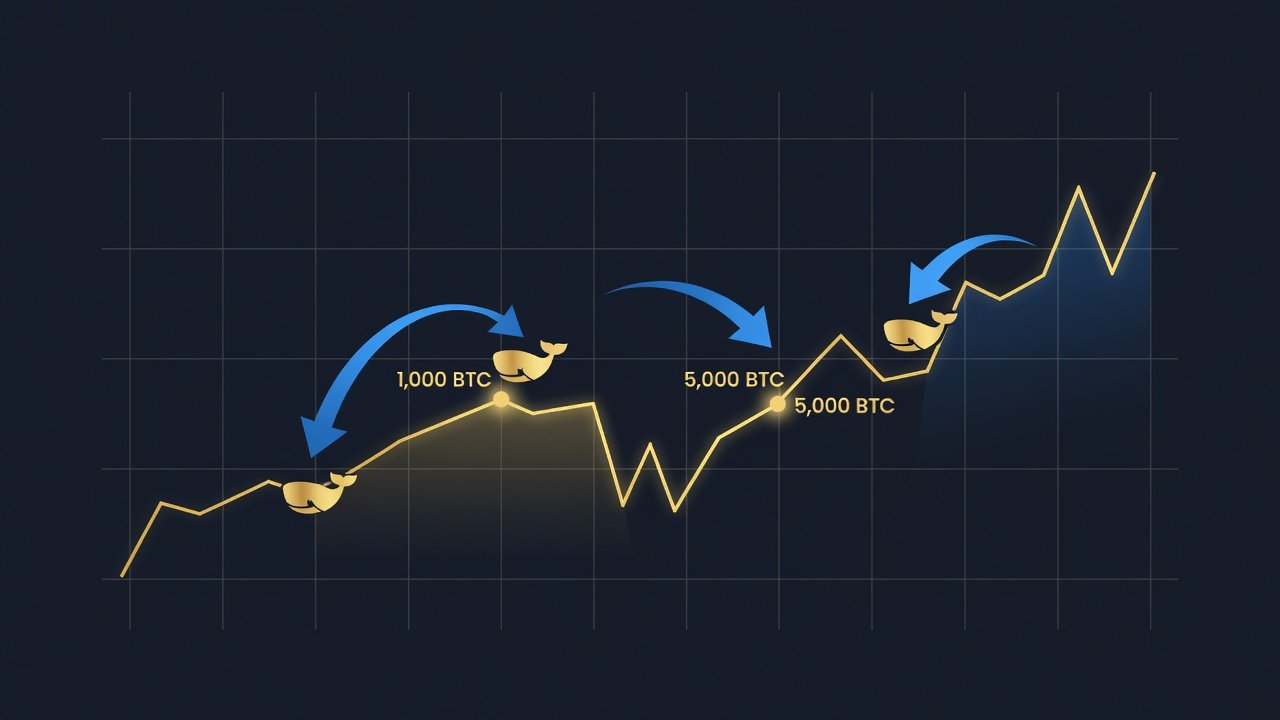
Market rotation in 2026 typically follows ETF inflow announcements, with capital moving from Bitcoin into high-beta altcoins during risk-on phases. Retail investors monitoring these patterns can identify opportunities by tracking volume spikes on decentralized exchanges and centralized platforms alike. Historical observations show rotations accelerating within 48 hours of major ETF filings, emphasizing the need for timely signals derived from on-chain metrics. These patterns often repeat across multiple cycles, allowing attentive investors to anticipate sector shifts such as movement toward layer-two solutions or emerging DeFi protocols when Bitcoin dominance temporarily wanes.
Volatility Implications for Retail Portfolios
ETF-driven inflows tend to moderate short-term volatility in Bitcoin but amplify it in smaller altcoins due to concentrated flows that can overwhelm thinner order books. Retail participants should compare these dynamics against pure institutional flows, which often exhibit slower execution and lower retail-accessible volatility because institutions trade in larger blocks over extended periods. Using on-chain volume as a filter helps distinguish noise from meaningful shifts, enabling better risk management. In practice, this means observing not just price action but also the underlying transaction counts and wallet activity to gauge whether a volatility spike is likely to persist or reverse quickly.

Step-by-Step Rebalancing Tactics Using On-Chain Volume Signals
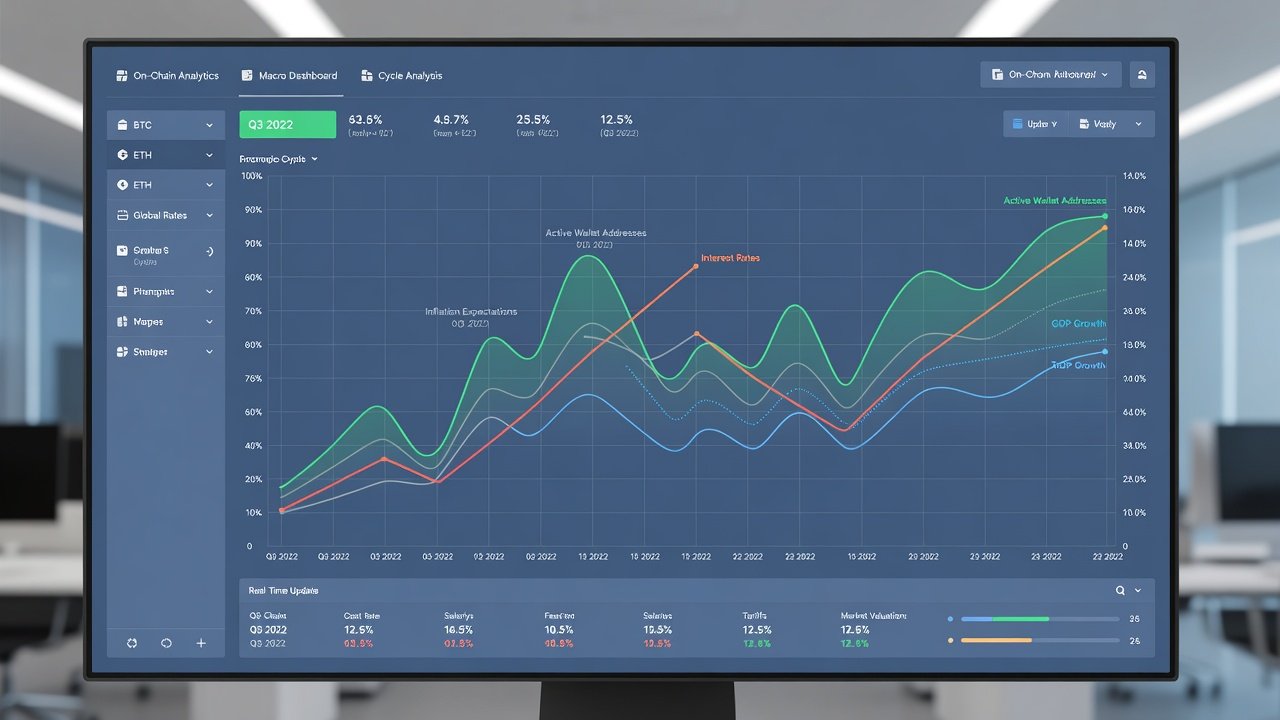
Effective rebalancing requires a systematic approach grounded in observable data. Begin by monitoring daily on-chain metrics such as active addresses and transfer volumes for target assets using reliable blockchain analytics tools. Next, establish baseline thresholds based on 30-day averages to detect inflow-related spikes that deviate significantly from normal activity levels. When signals indicate strength, rebalance by reducing Bitcoin exposure when altcoin volumes surge beyond 150 percent of baseline, reallocating proportionally to maintain overall risk targets. Incorporate stop-loss adjustments tied to volume decay signals to protect gains during unexpected reversals. Review portfolio allocations weekly, incorporating new ETF flow data where available from public disclosures. An additional tactic involves cross-referencing on-chain data with exchange order book depth to confirm that liquidity supports the intended trade size without excessive slippage. Retail investors should also maintain a journal of past rebalances to refine thresholds over time based on what worked in similar inflow environments.
Real 2026 Case Studies
One notable example involved a mid-year ETF approval that triggered rapid Bitcoin liquidity improvements, allowing retail holders to rotate into select altcoins with measured risk after observing sustained volume increases across multiple chains. Another case highlighted delayed altcoin responses during a secondary inflow wave, where on-chain signals provided early warnings for portfolio tweaks ahead of broader market moves, enabling participants to avoid overexposure during temporary corrections. A third scenario demonstrated successful defensive positioning when volume signals flagged an impending rotation back to Bitcoin, prompting retail investors to trim altcoin positions and lock in profits before institutional outflows intensified. These cases underscore the value of combining multiple data points rather than relying on any single indicator.
Risk Comparisons Versus Institutional Flows
Retail strategies face higher timing risks compared to institutional flows, which benefit from scale, dedicated research teams, and regulatory buffers that allow for more deliberate positioning. However, individuals gain agility through direct on-chain access and the ability to execute smaller trades without moving markets. Diversification remains key to mitigating these differences, as over-concentration in any single asset class can amplify losses during unexpected flow reversals. Retail investors should also account for operational risks such as platform outages during high-volume periods, which institutions often mitigate through multiple custody arrangements.
Simple Allocation Checklist
- Assess current ETF flow trends via public reports and on-chain correlations before making changes.
- Calculate exposure limits for Bitcoin at 40-60 percent based on personal volatility tolerance and overall portfolio goals.
- Allocate 20-30 percent to altcoins with strong volume confirmation from multiple networks.
- Reserve 10-20 percent in stable assets for rebalancing flexibility during sudden surges.
- Document all adjustments with on-chain rationale for periodic review and strategy refinement.
- Stress-test the allocation against historical inflow and outflow scenarios to identify potential weak points.
FAQs on Tax Implications and Timing Entries
How do ETF inflows affect tax reporting for retail investors?
Inflows may indirectly influence capital gains through price movements, requiring careful tracking of holding periods and cost bases across multiple transactions. Investors should maintain detailed records of acquisition dates and sale proceeds, particularly when rebalancing triggers taxable events. Consult local tax authorities or qualified professionals for jurisdiction-specific rules that may include wash-sale considerations or reporting thresholds for cryptocurrency activity.
When is the optimal time to enter positions during inflow surges?
Ideal entries often align with volume stabilization following initial spikes, typically 3-5 days post-announcement, to avoid short-term reversals driven by profit-taking. Monitoring on-chain confirmation of sustained activity helps refine this timing further and reduces the chance of entering at local peaks.
What common mistakes should retail investors avoid with inflow-driven strategies?
Overreacting to every volume spike without context, neglecting diversification, and ignoring tax consequences represent frequent errors. Successful practitioners combine signals with broader market awareness and maintain disciplined position sizing to prevent emotional decisions during volatile periods.
Conclusion
Navigating 2026 ETF inflows demands a disciplined approach blending on-chain analysis with structured rebalancing. Retail investors who implement these tactics can enhance resilience while participating in evolving crypto markets. For further authoritative guidance, review resources from the U.S. Securities and Exchange Commission and the Federal Reserve.
No comments yet. Be the first!