 CryptoChain Blog
Introduction to Centralized and Decentralized Exchanges in 2026
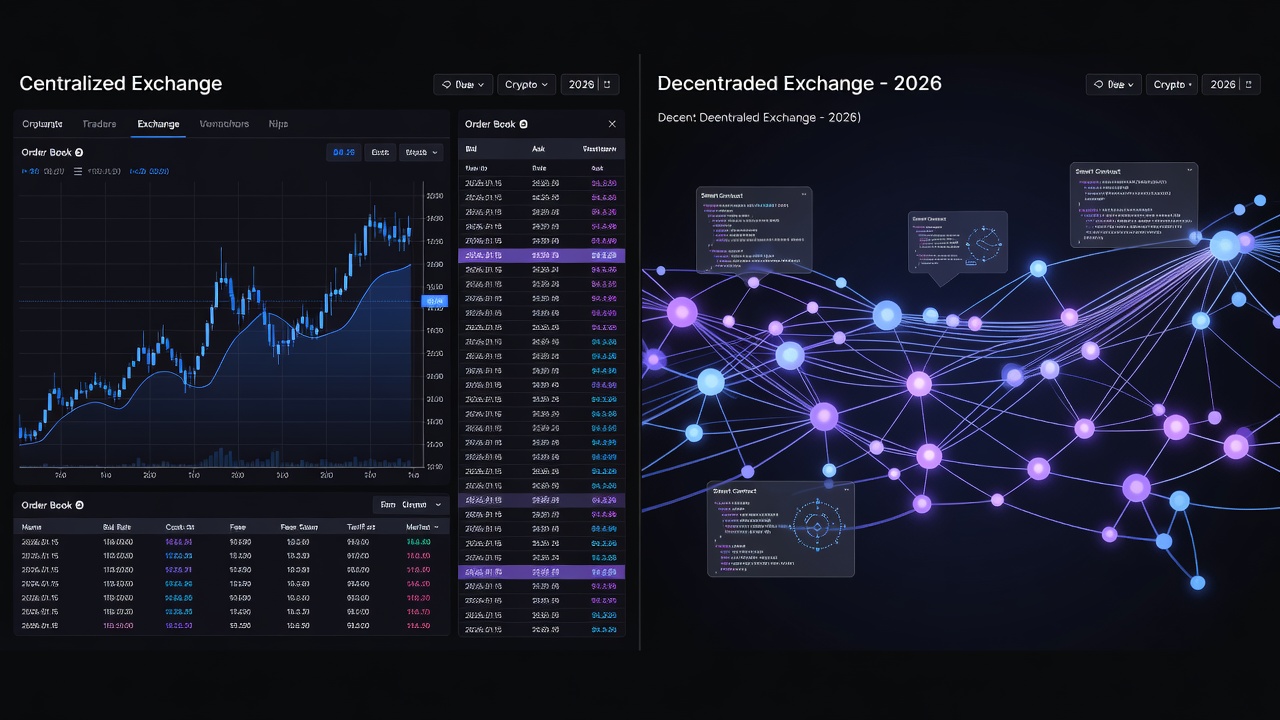
The cryptocurrency landscape continues to evolve rapidly in 2026, with traders weighing the trade-offs between centralized exchanges (CEX) and decentralized exchanges (DEX). This analysis examines how security protocols, liquidity metrics, and regulatory influences shape preferences amid emerging crypto trends and new blockchain technologies. As market participants seek reliable venues for trading digital assets, understanding these differences becomes essential for making informed choices that align with personal risk tolerance and investment goals.
Understanding these differences helps investors navigate trading volumes, fee structures, and platform integrations effectively. Leading platforms provide practical examples for both retail and institutional users seeking optimal experiences. In an environment where blockchain adoption accelerates, the choice between CEX and DEX can significantly impact portfolio performance and asset security over the long term.
Defining CEX and DEX: Core Mechanics
Centralized exchanges operate through intermediaries that manage user funds, order books, and matching systems. In contrast, decentralized exchanges enable peer-to-peer trading directly via smart contracts on blockchains without custodians. This fundamental distinction influences every aspect of user interaction in 2026, from how orders are executed to how assets are stored and transferred across networks.
Traders new to the space often start with CEX due to familiar interfaces that resemble traditional brokerage platforms. DEX, however, appeal to those prioritizing autonomy and resistance to censorship. Both models continue to innovate, incorporating features like advanced charting tools on CEX and enhanced liquidity pools on DEX to meet growing demand.
Security Protocols Compared
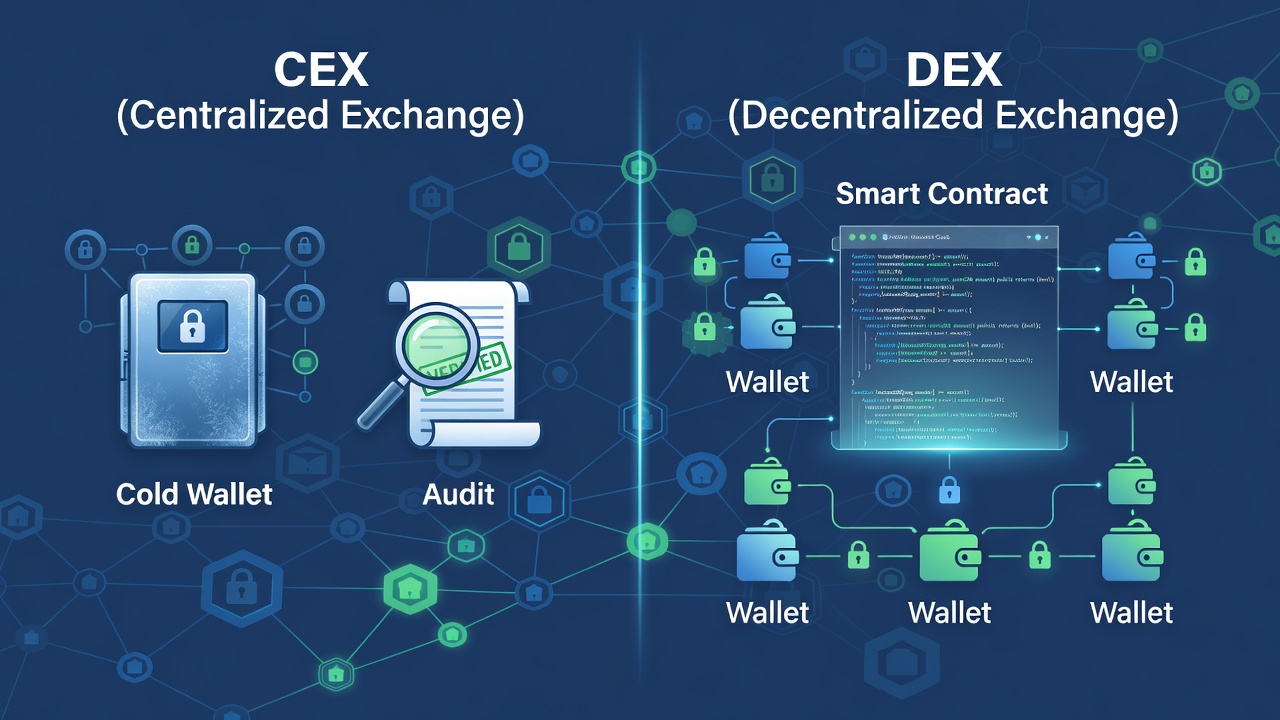
CEX platforms invest heavily in cold storage, multi-signature wallets, and regular audits to protect assets. These measures create layered defenses against hacks and internal threats. DEX solutions rely on non-custodial wallets and on-chain verification, reducing single points of failure but introducing risks like smart contract vulnerabilities. Users must evaluate these protocols based on their risk tolerance and technical expertise, often combining both types of platforms for diversified exposure.
Additional security considerations include insurance funds offered by some CEX and the role of bug bounty programs that DEX communities use to identify weaknesses before exploitation occurs. In 2026, hybrid approaches are emerging where CEX integrate limited DEX functionality to blend convenience with decentralization benefits.
Liquidity Metrics and Trading Volumes
Liquidity remains a critical factor, with CEX often leading in high-volume pairs due to deeper order books. DEX have improved significantly through automated market makers, yet slippage can occur during volatile periods. 2026 market data shows continued growth in DEX volumes as layer-2 solutions enhance scalability and reduce transaction costs on underlying networks.
Market makers play a pivotal role on both sides, providing continuous bids and asks that stabilize prices. Institutional traders frequently prefer CEX for large block trades where minimal price impact is required, while retail users explore DEX for niche tokens unavailable on centralized platforms. SEC resources on digital asset markets highlight ongoing monitoring of liquidity risks across both exchange types.
Fee Structures and Cost Considerations
Trading fees vary by platform model, with CEX typically offering tiered discounts based on volume. DEX charge gas fees plus protocol fees, which fluctuate with network congestion. Traders should compare these costs qualitatively when planning frequent transactions or large positions, factoring in withdrawal fees and potential hidden costs such as spread markups.
Over time, users develop strategies to minimize expenses, such as batching trades on DEX during low-gas periods or leveraging CEX loyalty programs. Understanding the full cost structure prevents surprises and supports more efficient capital allocation in dynamic market conditions.
Regulatory Influences on User Preferences
Global regulations in 2026 continue to favor compliance-focused CEX while DEX face scrutiny over decentralized governance. New rules around KYC and AML impact accessibility, pushing some users toward privacy-centric DEX options. Platforms that proactively adapt to regulatory expectations often gain broader mainstream adoption.
Regulatory clarity can also drive innovation, as seen with licensed CEX expanding services into new jurisdictions. Ethereum Foundation documentation details how regulatory developments intersect with smart contract innovations, influencing how both exchange types evolve their offerings.
Integration with New Blockchain Technologies
Both exchange types integrate emerging chains, including enhanced layer-2 networks and cross-chain bridges. CEX often list new tokens faster through centralized listings, while DEX support permissionless token launches. This dynamic shapes adoption trends for DeFi protocols and tokenized assets across ecosystems like Solana, Avalanche, and beyond.
Developers are building bridges that allow seamless asset movement between CEX and DEX environments, reducing friction for users managing multi-chain portfolios. These integrations also support advanced features such as yield farming directly from exchange interfaces and real-time oracle data feeds for accurate pricing.
Practical Examples of Leading Platforms
- Binance exemplifies a major CEX with robust liquidity and advanced trading tools, serving millions of users worldwide with diverse order types.
- Uniswap represents leading DEX functionality through its AMM model on Ethereum and compatible chains, enabling permissionless trading of thousands of tokens.
- Other notable mentions include Coinbase for compliant CEX services with strong regulatory adherence and PancakeSwap for multi-chain DEX accessibility on BNB Chain and other networks.
- Additional platforms like Kraken and SushiSwap illustrate specialized niches, from institutional-grade security to community-driven governance models.
Side-by-Side Comparison
CEX generally excel in user-friendly interfaces and customer support, whereas DEX prioritize censorship resistance and self-custody. Liquidity favors CEX for major pairs, while DEX offer broader token availability without approval processes. Security trade-offs depend on whether users prefer institutional safeguards or on-chain transparency, with each model presenting distinct advantages and limitations in different scenarios.
Speed of execution tends to be faster on CEX during peak hours, whereas DEX benefit from continuous 24/7 operation without downtime for maintenance. Tax reporting tools are more mature on CEX, simplifying compliance for users in regulated markets.
Decision-Making Checklist for 2026 Traders
- Assess your need for custody: Do you prefer self-managed wallets or platform-managed security?
- Evaluate liquidity requirements for your typical trade sizes and asset classes.
- Review fee models against expected trading frequency and holding periods.
- Check regulatory compliance status in your jurisdiction to avoid access restrictions.
- Test integration with preferred blockchains and wallets before committing significant capital.
- Consider customer support availability for complex issues or account recovery.
- Analyze historical uptime and past incident responses of each platform.
Mistakes to Avoid When Choosing Exchanges
Many traders overlook the importance of testing small transactions first, leading to unexpected delays or errors with larger amounts. Another common pitfall is ignoring wallet security best practices on DEX, such as using hardware wallets or enabling multi-factor authentication. Over-reliance on a single platform can also expose users to unnecessary concentration risk during outages or regulatory shifts.
Conclusion
Choosing between centralized and decentralized exchanges in 2026 depends on individual priorities around security, cost, and control. Both models continue to mature, offering complementary strengths within the broader crypto ecosystem. Staying informed about trends ensures better decision-making for future market conditions and evolving technological landscapes.
Frequently Asked Questions
What are the main risks of using DEX in 2026?
Primary risks include smart contract exploits and variable liquidity, though advancements in auditing and formal verification mitigate many concerns for established protocols.
How do regulations affect CEX adoption?
Stricter compliance can limit access in certain regions but increases trust for mainstream users seeking regulated environments with consumer protections.
Which exchange type offers better privacy?
DEX generally provide stronger privacy through non-custodial designs, though users must manage their own security and understand on-chain traceability implications.
Will DEX volumes surpass CEX in the near term?
Projections indicate steady DEX growth, but CEX maintain advantages in high-volume trading and institutional services for the foreseeable future.
How should beginners approach selecting between CEX and DEX?
Beginners often benefit from starting with a reputable CEX to learn basics before gradually exploring DEX for specific use cases and greater control over assets.

No comments yet. Be the first!