 CryptoChain Blog

As environmental sustainability becomes a core factor in financial markets, cryptocurrency investors in 2026 are increasingly integrating ESG criteria into their analysis. This shift goes beyond traditional metrics like price and volume to include energy consumption, carbon footprints, and regulatory compliance. The result is a more nuanced approach to identifying resilient digital assets that align with global climate goals. Investors who incorporate these factors gain an edge by anticipating regulatory changes and consumer preferences that favor environmentally responsible technologies.
Understanding Energy Consumption in Consensus Mechanisms
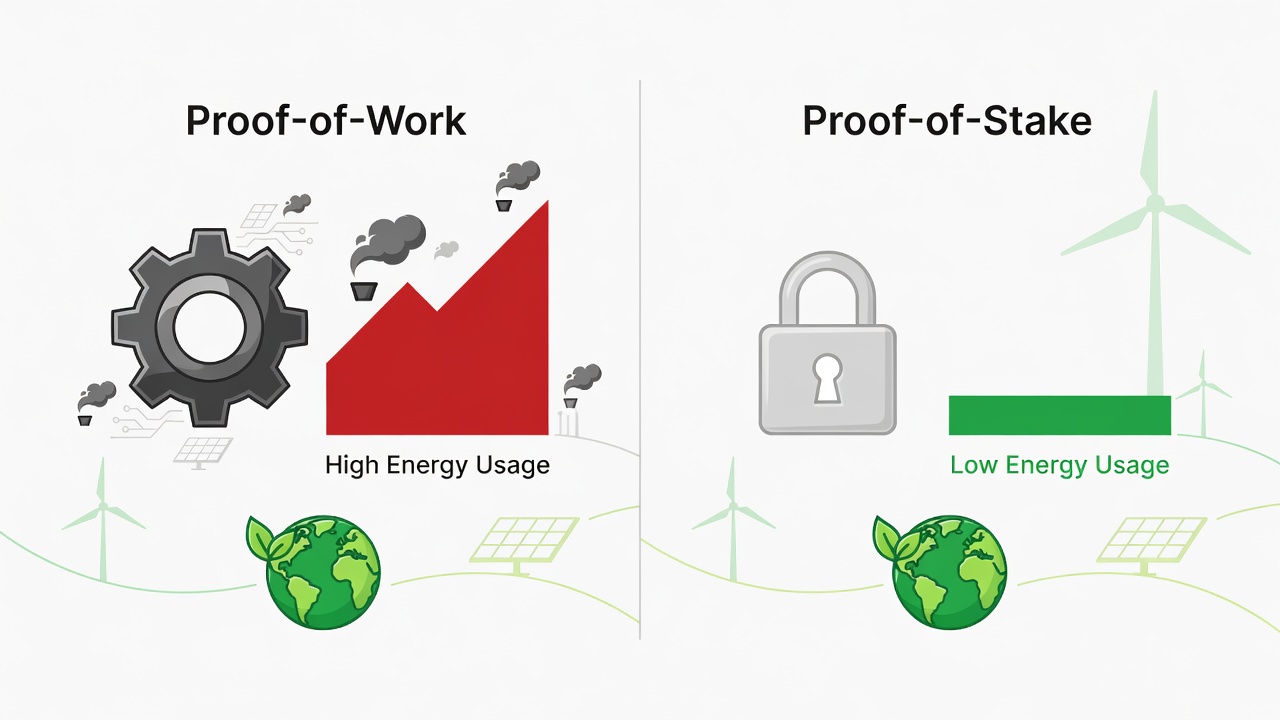
Proof-of-Work (PoW) systems, such as those used by Bitcoin, require substantial computational power, leading to high electricity usage. In contrast, Proof-of-Stake (PoS) mechanisms drastically reduce energy demands by replacing mining with staking. Comparative analyses show PoS networks consume over 99% less energy than PoW equivalents, making them preferable for sustainability-focused portfolios. Additional mechanisms like Proof-of-Authority and delegated staking variants offer even lower environmental impacts while maintaining network security. Analysts now routinely cross-reference on-chain data with energy reports to quantify these differences across major blockchains.
Real-world measurements reveal stark contrasts. For instance, networks transitioning from PoW to PoS have documented dramatic reductions in annual energy use, often equivalent to the consumption of small cities. This data helps investors model long-term operational costs and environmental liabilities. Furthermore, hybrid consensus models are emerging that blend security with efficiency, appealing to both institutional and retail participants seeking balanced solutions.
Leading Eco-Friendly Projects and Their 2026 Performance
Several cryptocurrencies stand out for their green credentials. Projects built on PoS or hybrid models demonstrate strong market resilience alongside low energy profiles. Performance data highlights how these assets often maintain stability during volatility spikes driven by regulatory announcements on emissions. Investors tracking these projects benefit from transparent reporting on carbon offsets and renewable energy sourcing, which enhances long-term viability. Examples include established layer-1 protocols that publish regular sustainability audits, allowing analysts to track progress against predefined environmental targets.
These projects frequently integrate governance features that let token holders vote on green initiatives, such as funding reforestation efforts or adopting cleaner validator infrastructure. This participatory element strengthens community alignment with ESG principles and can improve token utility over time.
Regulatory Shifts Influencing Green Crypto Markets
Governments worldwide are introducing frameworks that reward low-emission blockchain operations. These include tax incentives for sustainable mining practices and disclosure requirements for carbon-intensive assets. Such policies are accelerating adoption of eco-friendly protocols while pressuring legacy networks to adapt. International bodies are also exploring standardized ESG reporting for digital assets, creating clearer benchmarks for analysts. Regions in Europe and Asia have led the way with pilot programs that tie blockchain licensing to verified environmental performance.
Compliance teams at major exchanges now monitor these developments closely, adjusting listing criteria accordingly. Staying informed about these regulatory evolutions helps investors avoid assets that may face future restrictions or delistings. For deeper context on global energy policies, refer to resources from the International Energy Agency.
Carbon Credit Tokenization: Emerging Opportunities
Tokenizing carbon credits on blockchain platforms brings transparency and liquidity to environmental markets. This innovation allows seamless trading of verified offsets, linking crypto investments directly to reforestation and renewable energy projects. The approach reduces fraud risks associated with traditional credit systems. Integration with DeFi protocols further expands access, enabling smaller investors to participate in climate finance. Smart contracts automate verification and retirement of credits, ensuring each token represents a genuine, non-duplicated environmental benefit.
Market participants are exploring how these tokenized assets can be used as collateral or in yield-generating strategies, creating new revenue streams while supporting climate action. Ongoing pilots demonstrate improved traceability from issuance to retirement, addressing long-standing criticisms of opacity in voluntary carbon markets. Additional insights are available through the UN Environment Programme.
Practical Steps for Evaluating Sustainability Metrics
Follow these actionable steps when analyzing crypto projects:
- Review consensus mechanism details and cross-check with independent energy consumption studies to understand baseline environmental impact before committing capital.
- Examine project whitepapers for commitments to renewable energy and carbon neutrality targets, verifying any claims through third-party audits rather than relying solely on marketing materials.
- Use on-chain analytics tools to monitor transaction efficiency and validator distribution, identifying networks that optimize for both speed and lower resource consumption.
- Assess partnerships with verified carbon registries and third-party ESG auditors to confirm the credibility of offset programs and reporting accuracy.
- Compare historical performance during periods of heightened environmental regulation, noting how projects with strong sustainability profiles weathered scrutiny better than peers.
- Incorporate scenario modeling that factors potential carbon taxes or stricter emissions rules into future valuation estimates for a more robust risk assessment.
Real-World Case Studies of Green Tokens
Multiple PoS-based tokens have outperformed broader market averages in recent cycles by attracting institutional capital focused on ESG mandates. One notable example involves a staking-focused network that secured major sustainability certifications, resulting in increased adoption from European funds. These cases illustrate how environmental alignment can drive both adoption and valuation growth. Another case study highlights a layer-2 scaling solution that reduced its overall carbon intensity through validator incentives tied to renewable energy usage, leading to partnerships with climate-focused organizations.
These successes underscore the importance of proactive environmental strategies. Analysts who tracked early adoption of green practices were able to position portfolios ahead of broader market recognition, capturing alpha from the intersection of technology and sustainability.
Tools and Common Pitfalls in Sustainability Analysis
Advanced analysts leverage specialized dashboards that aggregate energy data, carbon intensity scores, and regulatory news feeds. Beginners should start with publicly available explorers that display validator locations and estimated power sources. A frequent pitfall is over-reliance on self-reported metrics without independent verification, which can mask actual environmental performance. Another mistake involves ignoring the full lifecycle impact, such as hardware manufacturing emissions for validator nodes. Avoiding these errors requires a disciplined, multi-source approach to due diligence.
Frequently Asked Questions
What risks are associated with green crypto investments?
Market volatility, evolving regulations, and verification challenges around carbon claims remain key considerations. Diversification and ongoing due diligence help mitigate these factors while maintaining exposure to innovative projects.
How do I start incorporating ESG into my crypto analysis?
Begin by prioritizing projects with public sustainability reports and utilize free tools from established research platforms. Gradually build a checklist tailored to your risk tolerance and investment horizon.
Are carbon credit tokens regulated?
Regulation varies by jurisdiction, with increasing oversight from bodies focused on environmental markets. Always verify compliance status before investing and consult local guidelines for cross-border implications.
What role does renewable energy play in validator operations?
Many green networks incentivize validators to source power from renewables through staking rewards or governance proposals, directly lowering the network's overall carbon footprint and appealing to ESG-conscious participants.
Conclusion
Sustainability is no longer optional in cryptocurrency analysis. By focusing on energy metrics, regulatory trends, and tokenization innovations, investors can make more informed decisions that support both financial returns and environmental progress. Staying updated on these developments positions analysts ahead in the evolving 2026 landscape.


No comments yet. Be the first!