 CryptoChain Blog
Layer 2 Scaling: 2026 Crypto Market Insights & Analysis
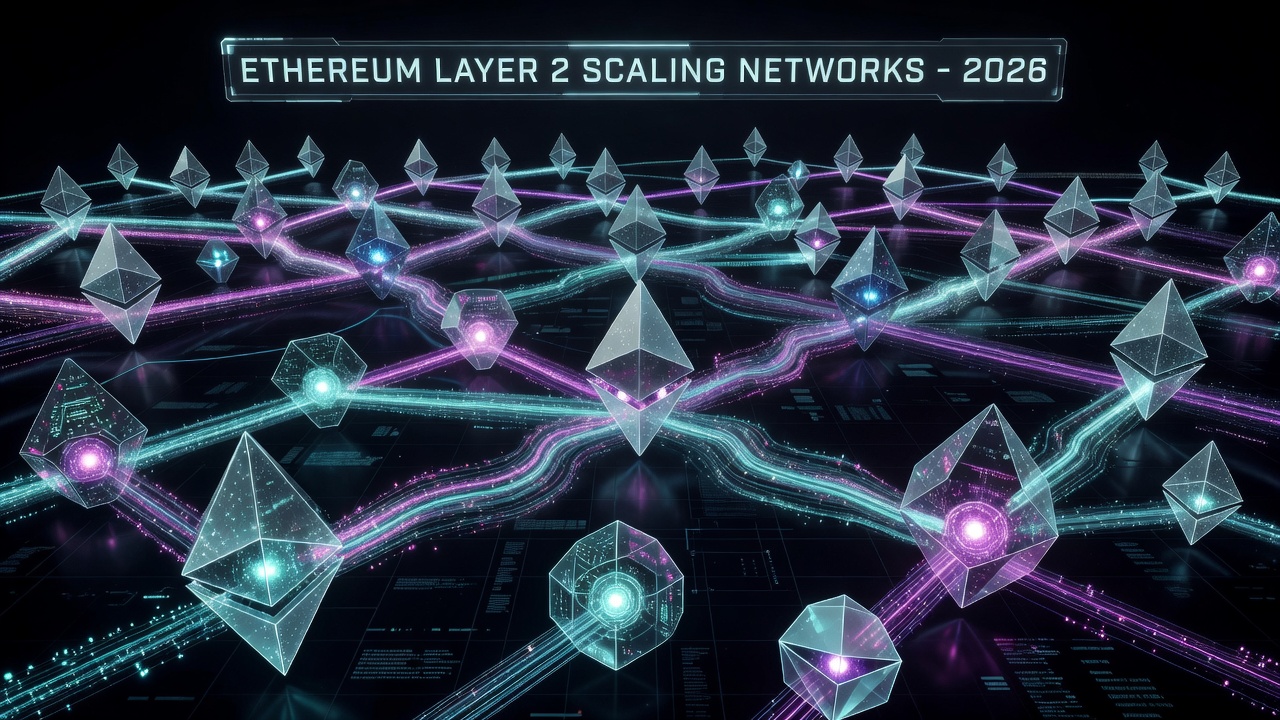
In 2026, Layer 2 scaling solutions continue to redefine how cryptocurrency networks handle growing demand. By moving computation and storage off the main Ethereum chain while preserving security, these technologies enable faster transactions and dramatically reduced costs. Traders, developers, and investors now rely on L2 platforms to unlock new use cases that were previously impractical on Layer 1 alone. This shift has transformed trading dynamics, allowing for higher throughput and broader accessibility across decentralized applications.
What Are Layer 2 Solutions?
Layer 2 refers to secondary frameworks built atop a base blockchain like Ethereum. These frameworks process transactions separately and periodically settle final results back to the main chain. Common approaches include optimistic rollups and zero-knowledge rollups. Optimistic rollups assume transactions are valid by default and use fraud proofs for disputes, while ZK-rollups generate cryptographic proofs for immediate verification. Additional variants such as state channels and plasma chains offer specialized use cases for payments or gaming, though rollups dominate current adoption due to their balance of security and flexibility.
Beginners can think of Layer 2 as an express lane on a busy highway. The main road (Layer 1) remains secure but congested; the express lane handles most traffic efficiently before merging back onto the primary route. Understanding the underlying cryptography helps users appreciate why these solutions maintain decentralization without requiring every participant to validate every transaction on the base layer.
Scalability Benefits and Market Impact
Layer 2 networks have driven measurable growth in transaction volumes while keeping fees low. This combination supports higher-frequency trading, complex DeFi strategies, and broader retail participation. On-chain data shows consistent month-over-month increases in L2 activity throughout early 2026, reflecting sustained user migration from congested base layers. Scalability improvements translate directly into market efficiency, with reduced latency enabling real-time price discovery in volatile assets.
Lower fees also improve capital efficiency. Users can execute multiple interactions—such as lending, swapping, and providing liquidity—without fees consuming a significant portion of their position. The result is deeper liquidity pools and more responsive markets. Institutional participants have noted improved execution quality, leading to tighter spreads and reduced slippage during high-volume periods. Overall, these benefits position Layer 2 as a foundational layer for the maturing crypto economy.
Optimism vs Arbitrum: Platform Comparison
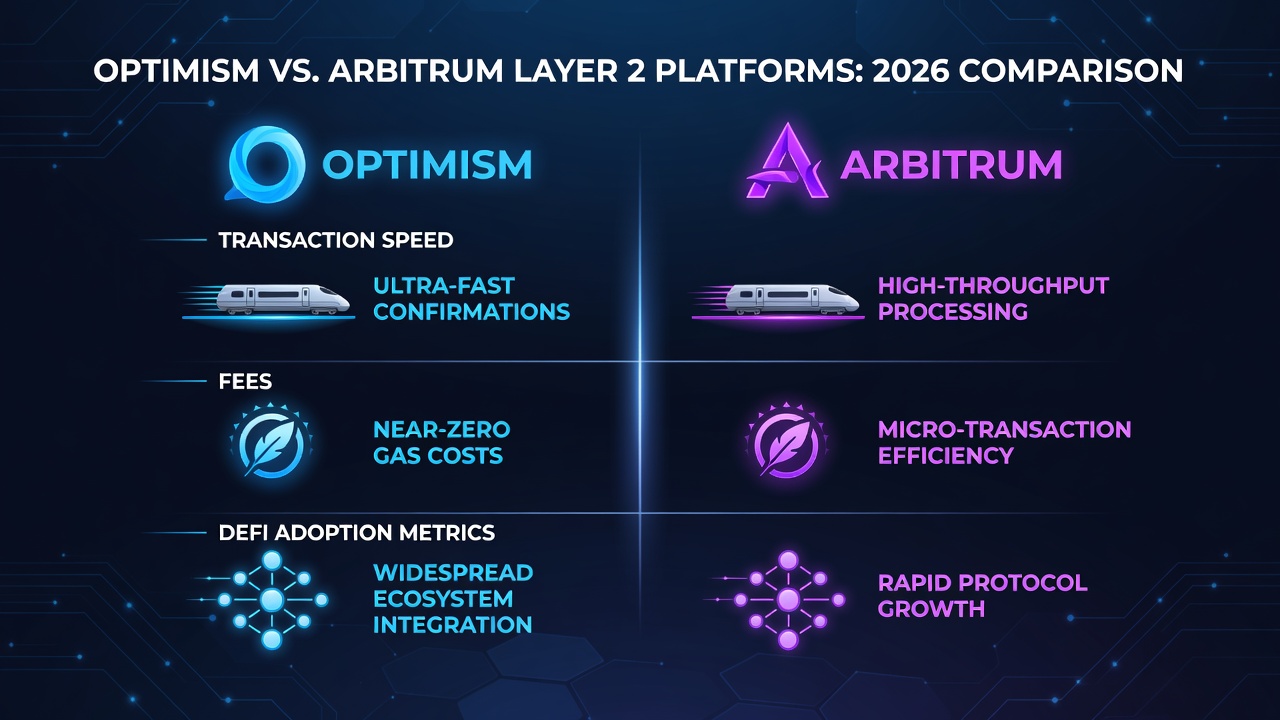
Optimism and Arbitrum remain the two leading optimistic rollups. Both inherit Ethereum security and offer EVM compatibility, yet they differ in governance, ecosystem focus, and technical optimizations. Optimism emphasizes public goods funding through its retroactive public goods funding program. Its OP Stack modular design allows other projects to launch custom chains quickly. Arbitrum, meanwhile, has expanded into gaming and social applications with its Arbitrum Orbit framework. Developers often choose based on specific tooling preferences and community incentives.
Both platforms report strong developer activity and growing total value locked in their ecosystems. Analysts frequently reference L2Beat for real-time metrics on TVL, activity, and risk profiles when comparing these options. When evaluating the two, consider factors such as sequencer uptime, bridge security audits, and the availability of native token incentives. Optimism tends to attract projects focused on governance innovation, while Arbitrum sees heavier usage in NFT marketplaces and perpetual futures trading.
Real-World DeFi Adoption Case Studies
Several established DeFi protocols have migrated substantial portions of their activity to Layer 2. Decentralized exchanges report higher daily active users and deeper order books after deploying on Arbitrum or Optimism. Lending platforms benefit from cheaper liquidations, allowing more precise risk management. For example, a prominent automated market maker protocol shifted over 60 percent of its volume to Optimism in 2026, resulting in a threefold increase in unique traders within three months.
One notable example involves a major stablecoin issuer that routes bridging and redemption flows through L2 networks. This approach reduced settlement times from minutes to seconds while maintaining full auditability on Ethereum. Such migrations illustrate how Layer 2 infrastructure supports institutional-grade requirements without sacrificing decentralization. Another case study from a yield aggregator shows how cross-L2 composability enables users to move positions seamlessly between networks, optimizing for the lowest fees at any given moment.
Steps for Analyzing On-Chain L2 Metrics
Traders and researchers can follow a structured process to evaluate Layer 2 health:
- Review total value locked and its distribution across protocols using dashboards like DefiLlama to identify which applications drive sustainable growth rather than temporary incentives.
- Track daily transaction counts and unique active addresses to gauge organic usage versus incentive-driven spikes, paying close attention to retention rates over multiple weeks.
- Monitor bridge inflows and outflows for capital rotation signals between Layer 1 and Layer 2, which often precede broader market moves.
- Examine sequencer decentralization roadmaps to assess long-term censorship resistance and operational resilience.
- Compare fee markets across rollups to identify cost advantages for specific trading strategies, including gas token economics and batch submission frequency.
Combining these indicators with broader market context helps forecast which networks are likely to capture the next wave of adoption. Advanced users may also integrate API data from multiple explorers to build custom dashboards that surface anomalies in real time.
Advanced Trend Forecasting Techniques
Experienced analysts combine on-chain data with macroeconomic signals and protocol roadmap milestones. Machine learning models trained on historical L2 activity can highlight seasonal patterns or correlation with Ethereum price movements. Additionally, monitoring governance proposals on platforms such as Optimism and Arbitrum provides early insight into upcoming feature launches that may influence user migration. Cross-referencing these signals with developer activity on GitHub repositories offers a leading indicator of ecosystem vitality.
Another technique involves tracking developer grant programs. Sustained funding for tooling and infrastructure often precedes measurable growth in ecosystem metrics six to nine months later. Analysts also examine correlation between L2 activity and broader risk-on sentiment in traditional markets, using this relationship to refine allocation models across multiple networks. These methods allow for more nuanced predictions beyond simple volume trends.
Common Risks and Frequently Asked Questions
What are the main risks associated with Layer 2 solutions?
Key risks include smart contract vulnerabilities in bridges, sequencer centralization during early stages, and potential data availability issues if a rollup operator goes offline. Users should diversify across multiple L2 networks and maintain withdrawal capabilities to Layer 1. Regular audits and community monitoring of upgrade keys further mitigate these concerns.
How do Layer 2 fees compare to Ethereum mainnet?
Layer 2 fees remain significantly lower than mainnet gas costs, enabling micro-transactions and complex DeFi operations that would otherwise be uneconomical. Fee predictability has also improved as networks mature, though spikes can still occur during extreme congestion events.
Are Layer 2 solutions secure?
Optimistic and ZK-rollups inherit Ethereum security for settlement, but users must understand the specific trust assumptions of each implementation, including upgradeability and fraud-proof mechanisms. Independent security reviews and bug bounty programs provide additional layers of protection.
Which Layer 2 is best for beginners?
Platforms with strong documentation, wallet support, and user-friendly bridges tend to offer the smoothest onboarding experience. Always start with small test transactions and familiarize yourself with withdrawal processes before committing larger amounts.
How might regulatory developments affect Layer 2 adoption?
Emerging regulations around decentralized finance could influence bridge compliance requirements and sequencer operations. Staying informed through official Ethereum community channels helps anticipate compliance shifts that may reshape network incentives.
Conclusion
Layer 2 scaling has matured into a core component of the 2026 cryptocurrency landscape. By delivering practical scalability without compromising Ethereum’s security model, these solutions continue to expand market access and enable sophisticated financial applications. Investors and developers who master on-chain analysis and platform comparisons position themselves to capitalize on the next phase of blockchain adoption. Continuous education and hands-on experimentation remain essential for navigating this evolving space effectively.

No comments yet. Be the first!