 CryptoChain Blog
Introduction to Blockchain in Healthcare
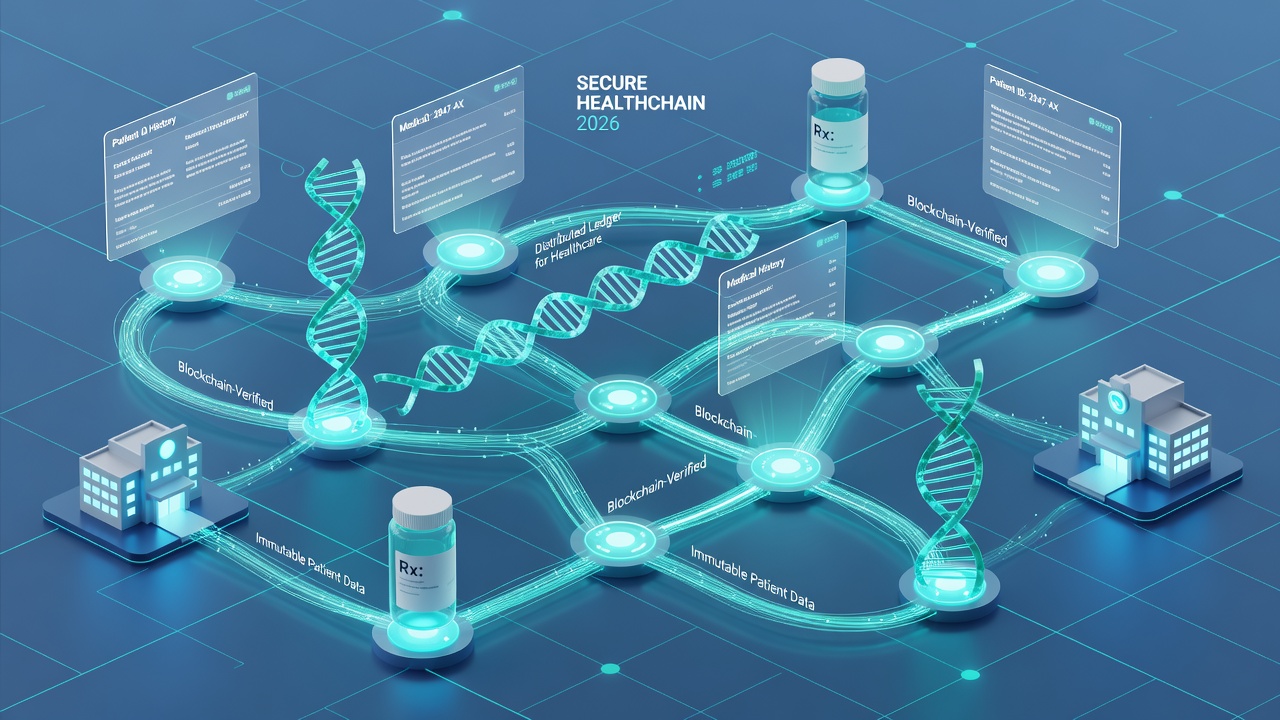
Blockchain technology is reshaping healthcare by offering decentralized, immutable ledgers that enhance data integrity and transparency. In 2026, crypto insights reveal accelerating adoption driven by the need for secure patient records and efficient pharmaceutical tracking. This article delves into emerging applications, providing data-backed projections and practical guidance for investors seeking opportunities beyond mainstream crypto narratives. The intersection of blockchain and healthcare represents a unique niche within cryptocurrency markets, where real-world utility meets technological innovation. Unlike volatile trading assets, healthcare-focused blockchain projects emphasize long-term infrastructure improvements that address systemic inefficiencies in medical data management and drug distribution networks.
Key Drivers of Adoption in 2026
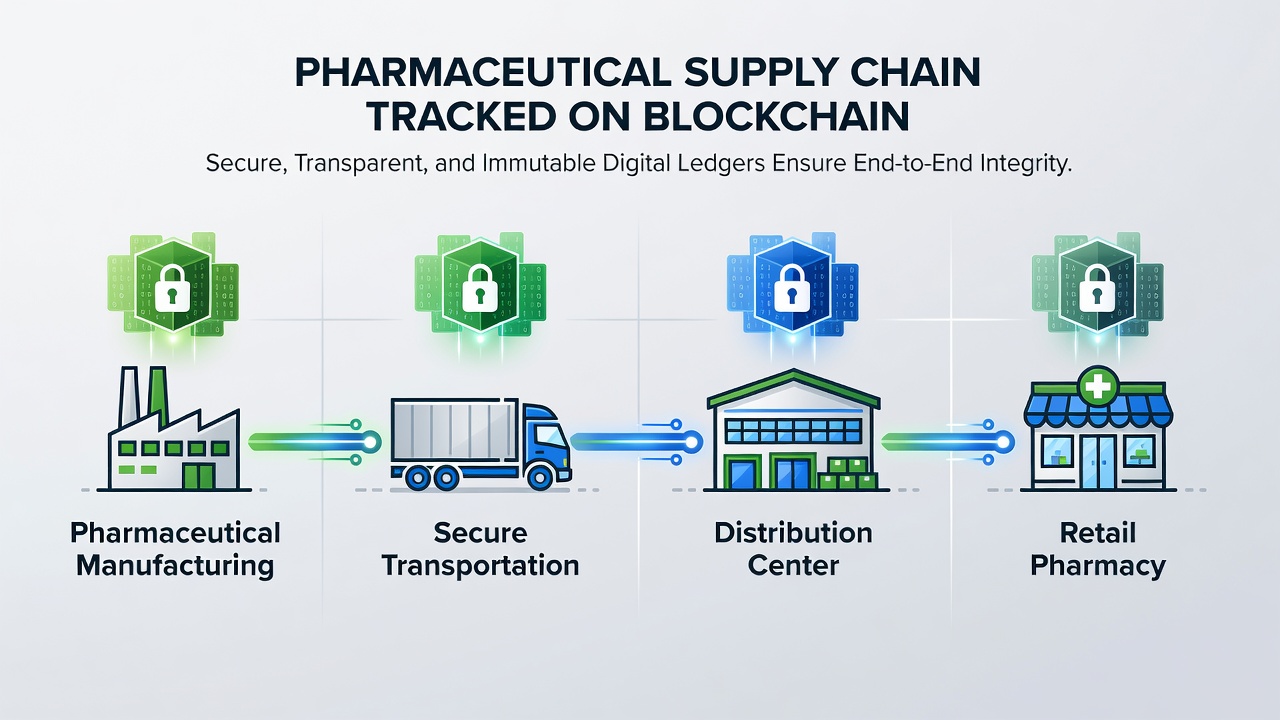
Patient data security remains a top priority. Traditional systems suffer from centralized vulnerabilities, while blockchain enables encrypted, patient-controlled access. Supply chain tracking for pharmaceuticals combats counterfeiting, ensuring authenticity from manufacturer to patient. Tokenized health incentives reward users for healthy behaviors through crypto rewards, fostering engagement in wellness programs. These drivers are amplified by increasing cyber threats to medical institutions and the global push for personalized medicine. Blockchain's distributed nature allows multiple stakeholders to verify transactions without relying on a single authority, reducing single points of failure that have plagued electronic health record systems for years.
Comparisons show blockchain reduces administrative costs and errors compared to legacy databases. Adoption metrics indicate growing integration in hospitals and insurers, with projections for continued expansion throughout 2026. Healthcare providers are particularly drawn to features like smart contracts that automate insurance claims processing and consent management, freeing up resources for direct patient care.
Case Studies of Leading Projects
Several initiatives demonstrate real-world impact. Projects like those building on Ethereum for electronic health records allow seamless interoperability across providers. Pharmaceutical firms use permissioned blockchains for end-to-end visibility, minimizing fraud risks. One prominent example involves a consortium of European hospitals implementing a blockchain platform to share anonymized patient data for clinical research while maintaining strict privacy controls. This setup has streamlined multi-center trials by providing tamper-proof audit trails.
Another example involves tokenized platforms that integrate with wearables, issuing digital assets for verified fitness milestones. These cases highlight scalability and regulatory compliance as success factors. In Asia, a major pharmaceutical distributor has deployed blockchain to trace vaccine shipments, ensuring cold-chain integrity and reducing spoilage rates. North American startups are piloting solutions that combine blockchain with AI to predict drug shortages based on real-time supply data. Each project underscores the importance of partnerships between tech developers and established healthcare entities to achieve meaningful scale.
Regulatory Hurdles and Compliance
Navigating regulations is critical. Data privacy laws such as HIPAA in the US and GDPR in Europe require careful implementation. Blockchain's immutability can conflict with right-to-be-forgotten provisions, prompting hybrid solutions that combine on-chain hashes with off-chain storage. Additional challenges include varying international standards for medical device data and cross-border data flows, which complicate global deployments. Companies must invest in legal expertise to design systems that satisfy multiple jurisdictions simultaneously.
Stakeholders must monitor evolving guidelines from bodies like the U.S. Food and Drug Administration and the World Health Organization. Proactive engagement with policymakers accelerates safe adoption. In some regions, sandbox programs allow controlled testing of blockchain solutions before full regulatory approval, providing valuable feedback loops for refinement.
Comparisons to Traditional Systems and Adoption Metrics
Legacy healthcare IT relies on siloed databases prone to breaches and delays. Blockchain offers audit trails and real-time verification, improving outcomes. Recent 2026 analyses project higher integration rates in developed markets, with metrics showing double-digit growth in pilot programs converting to full deployments. Traditional systems often require extensive manual reconciliation, whereas blockchain enables automated consensus that speeds up everything from prescription verification to claims adjudication. Hospitals report fewer duplicate tests when records are shared via distributed ledgers, leading to better resource utilization and patient satisfaction scores.
Step-by-Step Evaluation Framework for Investors
Investors evaluating healthcare blockchain projects should follow this framework:
- Assess the core problem: Verify alignment with security or supply chain needs. Examine whether the project targets documented pain points such as data silos or counterfeit medications rather than creating solutions in search of problems.
- Review tokenomics: Examine utility, distribution, and incentives for sustainability. Look for mechanisms that encourage long-term holding and discourage speculative behavior that could destabilize the network.
- Analyze partnerships: Check collaborations with hospitals, pharma companies, or regulators. Strong alliances with recognized institutions provide credibility and pathways to real-world implementation.
- Evaluate technology: Confirm scalability, security audits, and interoperability standards. Projects should demonstrate proven throughput for high-volume healthcare transactions and regular third-party code reviews.
- Monitor risks: Consider regulatory shifts and market volatility. Diversify across multiple projects and maintain awareness of policy changes that could impact operations.
- Project returns: Use qualitative trends rather than unverified figures for 2026 outlooks. Focus on adoption velocity and ecosystem growth indicators instead of short-term price speculation.
This structured approach helps identify viable opportunities while mitigating downsides. Investors are encouraged to review whitepapers, attend industry webinars, and consult compliance specialists before committing capital.
Potential Challenges and Mitigation Strategies
Despite promising drivers, healthcare blockchain faces hurdles including high initial implementation costs, resistance from legacy system vendors, and the need for widespread digital literacy among medical staff. Mitigation involves phased rollouts starting with non-critical applications like supply chain logging before expanding to sensitive patient data. Education programs and user-friendly interfaces can accelerate staff buy-in. Additionally, energy consumption concerns associated with certain consensus mechanisms are being addressed through shifts toward proof-of-stake models that offer better sustainability profiles.
Future Outlook for 2026 and Beyond
Looking ahead, integration with emerging technologies such as zero-knowledge proofs and decentralized identity solutions is expected to further enhance privacy protections. Market analysts anticipate broader use of tokenized incentives in public health campaigns, potentially linking wellness rewards to national insurance programs. Continued collaboration between crypto developers and healthcare professionals will be essential to realize these projections and overcome remaining technical and organizational barriers.
FAQ: Risks Versus Rewards
What are the main risks?
Regulatory uncertainty, integration complexity, and cybersecurity threats top the list. Data breaches remain possible if private keys are compromised. Additional risks include technology obsolescence and potential misuse of immutable records in legal disputes.
What rewards can participants expect?
Enhanced efficiency, new revenue streams from tokenized ecosystems, and improved patient outcomes drive long-term value. Early adopters gain competitive edges in data monetization and operational resilience.
How does blockchain compare in cost-effectiveness?
Initial setup involves investment, but operational savings from reduced intermediaries often outweigh expenses over time. Long-term benefits include fewer fraud incidents and streamlined compliance reporting.
Are there environmental concerns?
Some blockchain networks consume significant energy, but many healthcare projects opt for low-energy consensus protocols to align with sustainability goals in the medical sector.
Conclusion
Healthcare blockchain adoption in 2026 presents unique crypto opportunities centered on security, traceability, and incentives. By understanding drivers, studying cases, addressing regulations, and applying evaluation frameworks, investors can navigate this space effectively. Continued innovation promises transformative impacts on global health systems, offering both societal benefits and investment potential for those who approach the sector with diligence and strategic planning.


No comments yet. Be the first!