 CryptoChain Blog

Introduction to Tokenomics in 2026 Markets
Tokenomics forms the foundation for assessing the long-term viability of any cryptocurrency project. In 2026, with maturing blockchain ecosystems and increased regulatory scrutiny, investors must move beyond hype to analyze supply dynamics, utility, and incentive alignment. This guide provides a structured approach suitable for beginners and intermediate analysts alike. Tokenomics encompasses the economic design of a token, including how it is created, distributed, used, and governed within its ecosystem. Without a solid understanding of these elements, evaluating whether a project can sustain growth or withstand market volatility becomes nearly impossible.
Understanding tokenomics helps distinguish sustainable projects from those prone to collapse due to poor design. Key elements include token supply schedules, utility functions, governance mechanisms, and economic incentives that drive user behavior. As the crypto market evolves in 2026, projects with transparent and well-aligned tokenomics are more likely to attract institutional interest and long-term holders.
Core Components of Token Supply Mechanics
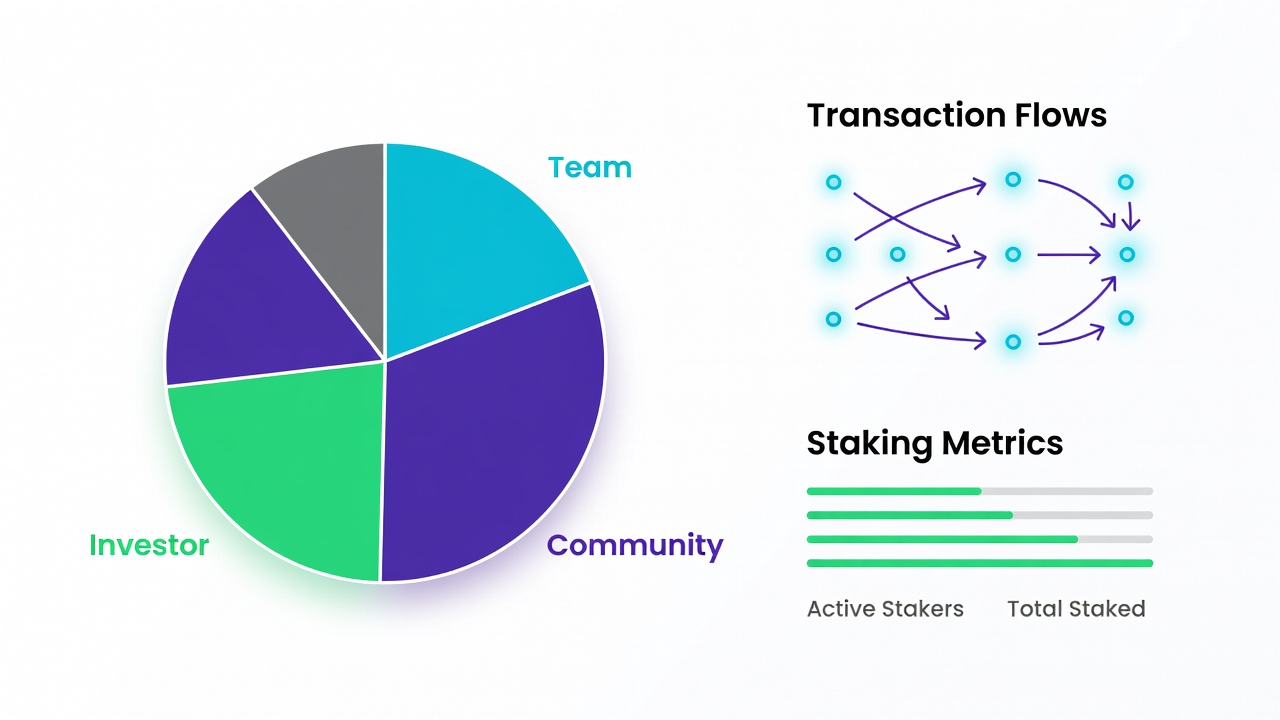
Token supply is divided into maximum supply, circulating supply, and total supply. Projects like Bitcoin maintain a fixed maximum supply, creating scarcity. In contrast, many Layer-1 blockchains implement dynamic issuance models tied to network security needs. Analysts should track how new tokens enter circulation through mining, staking rewards, or protocol emissions. For instance, examining the unlock schedules for early investors and team members reveals potential future selling pressure that could impact price stability.
Investors should examine vesting schedules for team and investor allocations. Vesting periods that extend over multiple years reduce the risk of sudden sell pressure. On-chain transparency tools allow verification of these schedules directly from smart contracts. Additional considerations include token burns, which permanently remove tokens from circulation, and how these interact with overall supply dynamics to influence scarcity over time.
Designing Effective Token Utility
Utility tokens must serve clear purposes within their ecosystems, such as paying transaction fees, accessing services, or staking for rewards. Without genuine utility, tokens risk becoming speculative instruments vulnerable to market cycles. Strong utility encourages consistent demand as users need the token to interact with the platform, creating a natural flywheel effect where adoption drives value.
Real-world examples include tokens that grant governance rights or enable discounted access to decentralized applications. Effective utility design encourages holding rather than immediate selling, supporting price stability. Projects that tie utility to real-world use cases, such as decentralized finance lending or supply chain tracking, demonstrate more resilient models compared to those relying solely on speculative trading.
Governance Tokens and Decentralized Decision-Making
Governance tokens empower holders to vote on protocol upgrades, treasury allocations, and parameter changes. Leading projects distribute these tokens through fair launch mechanisms or community airdrops to promote broad participation. This decentralization helps prevent single points of failure and aligns development with community priorities.
However, concentrated ownership can lead to plutocratic control. Analysts should review token holder distributions using explorers to identify whale dominance that might undermine decentralization claims. Effective governance also requires accessible voting interfaces and clear proposal processes to encourage active participation from smaller holders.
Ethereum provides extensive documentation on governance models that many projects adapt for their own systems.
Incentive Structures and Sustainable Economics
Well-designed incentives align the interests of users, developers, and token holders. Staking rewards, liquidity mining, and revenue-sharing mechanisms are common approaches. Poorly calibrated incentives can lead to mercenary capital that exits at the first sign of reduced yields. Sustainable models often incorporate penalties for early unstaking or rewards that scale with long-term commitment.
Comparing different incentive layers reveals how projects balance security, liquidity, and growth. For example, combining staking with governance rights creates compounded utility that rewards active participants while discouraging short-term speculation.
Identifying Red Flags in Token Distribution
Recognizing warning signs early can protect investors from poorly structured projects. Common red flags include:
- Excessive allocation to insiders without sufficient vesting
- Lack of transparency in allocation breakdowns
- High circulating supply at launch combined with low demand
- Absence of buyback or burn mechanisms to manage inflation
- Complex tokenomics that obscure true economics
- Over-reliance on external funding rounds without clear paths to self-sustainability
- Token sales that prioritize private investors over public participation
Thorough due diligence involves cross-referencing whitepapers with on-chain data to verify claims about distribution fairness.
Comparing Inflationary and Deflationary Models
Inflationary models increase token supply over time, often to fund network operations or rewards. Deflationary models reduce supply through burns or permanent locks, potentially increasing scarcity. The choice depends on the project's goals and use case. Inflationary designs can support ongoing security and development but risk diluting value if adoption does not keep pace. Deflationary approaches appeal to holders seeking scarcity but may discourage spending if users hoard tokens instead of using them.
Many 2026 projects blend both approaches, using inflationary issuance for security while implementing periodic burns tied to transaction volume. On-chain metrics help track real emission rates versus stated policies, providing a clearer picture of net supply changes.
Leveraging On-Chain Data for Valuation
Valuation extends beyond traditional metrics to include active addresses, transaction volume, and staking participation rates. Tools that aggregate on-chain data provide insights into actual network usage rather than speculative trading volume. This data-driven approach allows investors to quantify real adoption and forecast potential token demand.
Step-by-step checklist for on-chain analysis: 1. Verify token contract address from official sources. 2. Review holder distribution for concentration risks. 3. Analyze velocity and holding periods. 4. Monitor smart contract interactions for utility adoption. 5. Compare historical trends in active users against token price movements. 6. Assess liquidity pool depths across major exchanges to gauge exit risks.
Case Study Breakdowns
Consider a governance-focused project with a 10-year vesting schedule for founders and community-controlled treasury. Its token utility centers on fee discounts and voting power, resulting in high retention rates. In comparison, a project with rapid unlocks and minimal utility saw significant sell pressure shortly after launch. Another example involves a DeFi protocol that adjusted its inflationary rewards based on usage metrics, leading to improved holder confidence and steadier price performance over multiple market cycles.
Practical Tools and Resources for Analysis
Investors benefit from combining multiple data sources. Blockchain explorers, governance forums, and community dashboards offer complementary views. Cross-referencing information from several platforms reduces the chance of missing critical details in a project's economic design.
Common Investor Questions on Sustainable Token Models
What makes a token model sustainable long-term?
Sustainable models balance issuance with genuine demand drivers such as network usage and staking participation. They avoid over-reliance on inflationary rewards that dilute value while incorporating mechanisms that reward long-term holders.
How do red flags differ between new and established projects?
New projects often hide poor distribution through complex vesting language, while established ones may face governance attacks from concentrated holdings. Always cross-reference claims with on-chain data and community feedback.
Can inflationary models ever outperform deflationary ones?
Yes, when inflation funds critical security or growth functions and is offset by strong adoption. The key is transparent communication and measurable utility growth that supports the additional supply.
What role does community play in tokenomics success?
Active communities contribute to governance, liquidity provision, and organic marketing. Projects that empower token holders through meaningful voting rights tend to build stronger ecosystems over time.
Conclusion
Mastering tokenomics analysis equips investors to navigate 2026 crypto markets with greater confidence. By focusing on supply mechanics, utility, governance, and on-chain evidence, analysts can identify projects built for longevity rather than short-term speculation. Apply the checklists and frameworks outlined here to make informed decisions in this evolving landscape. Continuous monitoring and adaptation remain essential as market conditions and project strategies shift.

No comments yet. Be the first!