 CryptoChain Blog

Introduction to Creator DAOs in DeFi
The creator economy is evolving rapidly in 2026 as influencers and content creators turn to decentralized autonomous organizations (DAOs) to unlock sustainable income through DeFi mechanisms. Creator DAOs enable tokenized revenue streams where community members hold governance tokens that represent ownership in revenue-generating activities like content subscriptions, NFT sales, and yield farming. This model shifts power from centralized platforms to creator-led communities, fostering direct monetization while using on-chain data for optimization. In practice, these structures allow creators to bypass traditional intermediaries, capturing higher margins on their work through automated smart contract distributions.
By integrating smart contracts, creators can issue tokens that capture value from audience engagement, turning passive followers into active stakeholders. Data-driven tactics, such as analyzing on-chain signals like token velocity and staking participation, help maximize yields without sacrificing engagement. This approach not only diversifies income but also builds loyalty by giving communities a tangible stake in the creator's success.
Step-by-Step DAO Setup on Aragon and DAOstack
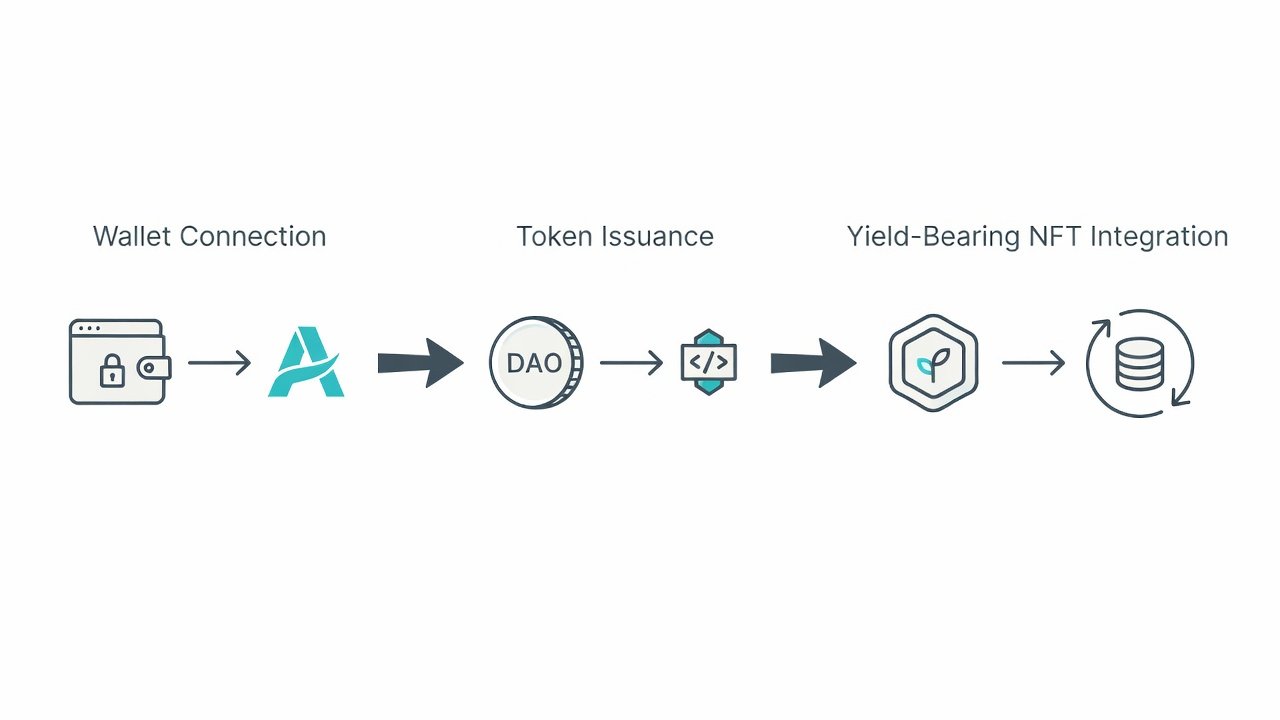
Setting up a creator DAO begins with choosing a robust platform. Aragon offers a user-friendly interface for deploying DAOs on Ethereum-compatible chains. Start by connecting a compatible wallet, then select a template for token-based governance. Customize parameters like voting periods and token distribution before deploying the smart contract. Users must also configure treasury modules to handle incoming revenue from various DeFi sources seamlessly.
DAOstack provides an alternative with its focus on scalable decision-making through its Genesis protocol. Users initiate by creating a DAO instance, defining token economics, and integrating plugins for revenue distribution. Both platforms support multi-chain deployments for lower fees. Additional considerations include setting up proposal systems for community votes on fund allocation and ensuring compatibility with popular wallets during the initial deployment phase.
Practical wallet integration involves using MetaMask or WalletConnect to sign transactions securely. Always verify contract addresses on explorers before approving any interactions. Testing the setup on a testnet first is recommended to avoid costly errors on mainnet.
Token Issuance Mechanics and Yield-Bearing NFTs
Token issuance in creator DAOs typically follows a bonding curve or fixed-supply model to ensure fair distribution. Creators mint governance tokens via platforms like Aragon, allocating portions to the treasury, community airdrops, and liquidity pools. Revenue from content or sponsorships flows into the DAO treasury, which can be automated through smart contracts. Advanced mechanics allow for vesting schedules that prevent early dumps and maintain token stability over time.
Yield-bearing NFTs enhance this by representing fractional ownership in revenue pools. These NFTs accrue value from staking rewards or subscription fees, distributed proportionally to holders. Integration requires minting NFTs with embedded yield logic using standards like ERC-721 with extensions for royalties. Creators often layer these with DeFi protocols to generate additional yields, creating compounded returns for early community supporters.
Comparing Revenue Models: Subscriptions vs. Staking Pools
Creator DAOs employ varied revenue models. Subscription streams provide recurring income through tokenized access passes, offering predictable cash flow but requiring ongoing content delivery to retain members. In contrast, staking pools allow token holders to lock assets for yield from DeFi protocols, generating passive returns tied to market performance.
- Subscription streams: High engagement potential but vulnerable to churn; ideal for consistent creators with loyal followings.
- Staking pools: Scalable yields but exposed to volatility in token prices; suits creators focused on long-term treasury growth.
- Hybrid approaches: Combine both for diversified income, often yielding superior results according to on-chain performance metrics.
Data from on-chain analytics shows hybrids often outperform single models by balancing stability and growth. Creators should evaluate their audience demographics before committing to one model exclusively.
Real Case Studies from Successful Creator DAOs
Several creator DAOs have demonstrated success. One prominent example involves a digital artist collective that tokenized fan access, distributing revenue from NFT drops directly to token holders via automated contracts. This DAO grew its treasury significantly by incorporating yield strategies, allowing members to vote on new art projects funded by community stakes.
Another influencer-led DAO used staking pools to fund community grants, growing treasury value through yield optimization. The group integrated on-chain voting for grant proposals, resulting in higher retention rates as members felt directly involved in decision-making. These cases highlight the importance of transparent governance and community incentives in sustaining long-term participation, with lessons on avoiding over-centralization in token distribution.
Risk Mitigation for Volatility
Volatility remains a key challenge in DeFi-integrated creator DAOs. Mitigation strategies include diversifying treasury assets across stablecoins and blue-chip tokens, implementing dynamic fee structures, and using hedging derivatives where available. Regular on-chain monitoring of metrics like TVL and token distribution helps identify risks early. Creators should also establish clear exit ramps for members to maintain trust and prevent panic selling during market dips.
Additional tactics involve setting reserve requirements within the DAO treasury and educating the community on risk through regular updates. By combining these approaches, DAOs can weather market fluctuations while preserving value for participants.
Wallet Integration Tutorials and On-Chain Analytics Tools
For wallet setup, begin with installing a non-custodial wallet, then bridge assets to the DAO's preferred chain. Tutorials emphasize testing small transactions first and enabling multi-signature approvals for treasury management. On-chain analytics tools like Dune Analytics or The Graph enable tracking revenue flows, token holder activity, and yield performance through custom dashboards.
Creators can query data on staking participation or subscription renewals to refine strategies, ensuring audience engagement stays high while yields optimize. Integrating alerts for unusual wallet activity further strengthens security and operational efficiency.
FAQ on Compliance and Tax Strategies
How do creator DAOs handle regulatory compliance? Most operate under decentralized structures but consult legal experts for jurisdiction-specific rules on token issuance and securities classification.
What about taxes on DAO revenue? Token distributions and yields are often treated as income; maintain detailed on-chain records for reporting. Strategies include using tax-loss harvesting on volatile assets and consulting professionals familiar with crypto regulations.
Are there risks with KYC in DAOs? Many avoid full KYC to preserve decentralization, but this may limit certain integrations with traditional financial services.
How can DAOs prepare for future audits? Implement transparent logging of all transactions and maintain accessible governance records for community review.
Conclusion
Creator DAOs represent a transformative shift in the 2026 DeFi landscape, empowering creators with tokenized revenue streams and community ownership. By following structured setup processes, comparing models carefully, and leveraging analytics, influencers can build resilient income sources while mitigating risks. As the ecosystem matures, data-driven approaches will continue to drive adoption and success for those willing to embrace decentralized structures.


No comments yet. Be the first!