 CryptoChain Blog
Introduction to ERC-4337 Account Abstraction in DeFi
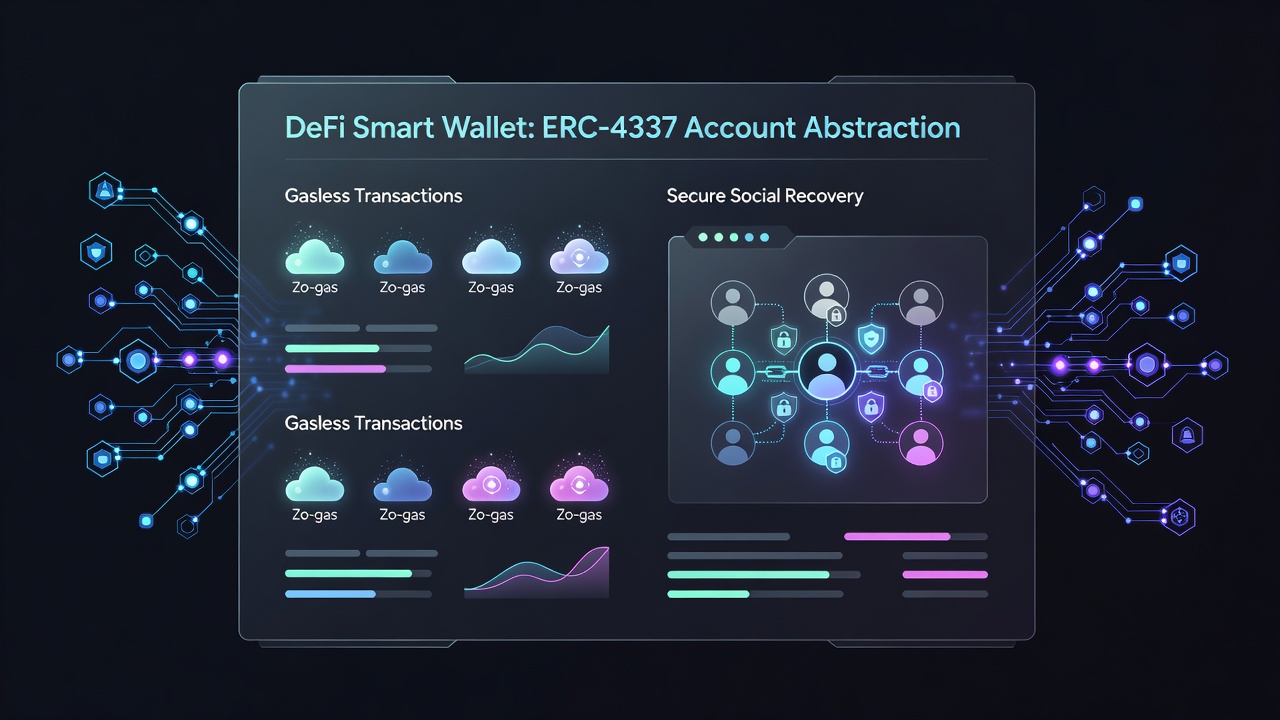
Decentralized finance continues to evolve rapidly in 2026, with account abstraction emerging as a pivotal technology for enhancing user experience across protocols. ERC-4337 enables smart contract wallets that replace traditional externally owned accounts (EOAs), offering advanced features like gasless transactions, social recovery mechanisms, and batch operations. This comprehensive guide provides in-depth coverage of these advancements, helping users navigate safer and simpler DeFi interactions while addressing common search intent around usability and security. By exploring technical foundations, practical implementations, and real-world applications, readers will gain actionable insights for adopting smart wallets effectively in yield farming, perpetual trading, and beyond.
Understanding the Technical Basics of ERC-4337 Smart Accounts
ERC-4337 introduces a standardized framework for implementing account abstraction directly on Ethereum without requiring changes to the core protocol. Smart accounts operate as fully programmable contracts capable of executing complex logic, validating custom signatures, and handling bundled operations through UserOperations objects. These objects encapsulate transaction details, paymasters for fee sponsorship, and aggregators that optimize gas usage across multiple users. Bundlers then submit these to the network, decoupling validation from the base Ethereum layer and enabling innovative designs such as session keys for temporary permissions or modular plugins for added functionality. This architecture supports scalability on Layer 2 networks and fosters greater interoperability with existing DeFi infrastructure, making it a cornerstone for next-generation wallet experiences.
Key Features: Gasless Transactions, Social Recovery, and Batch Operations
Gasless transactions allow protocols or dApps to sponsor fees on behalf of users, eliminating the requirement to hold native tokens solely for gas payments and lowering barriers for newcomers. Social recovery replaces vulnerable seed phrases with a network of trusted guardians who collectively approve access restoration through cryptographic thresholds. Batch operations consolidate multiple actions—like token approvals followed by swaps or deposits—into one atomic transaction, reducing confirmation steps and potential errors. For instance, a user could approve a lending protocol, deposit collateral, and open a leveraged position simultaneously without repeated wallet prompts. These capabilities collectively transform DeFi participation by minimizing friction, enhancing security, and supporting sophisticated strategies that were previously cumbersome with standard EOAs.
Step-by-Step Wallet Setup with Safe and Argent Protocols
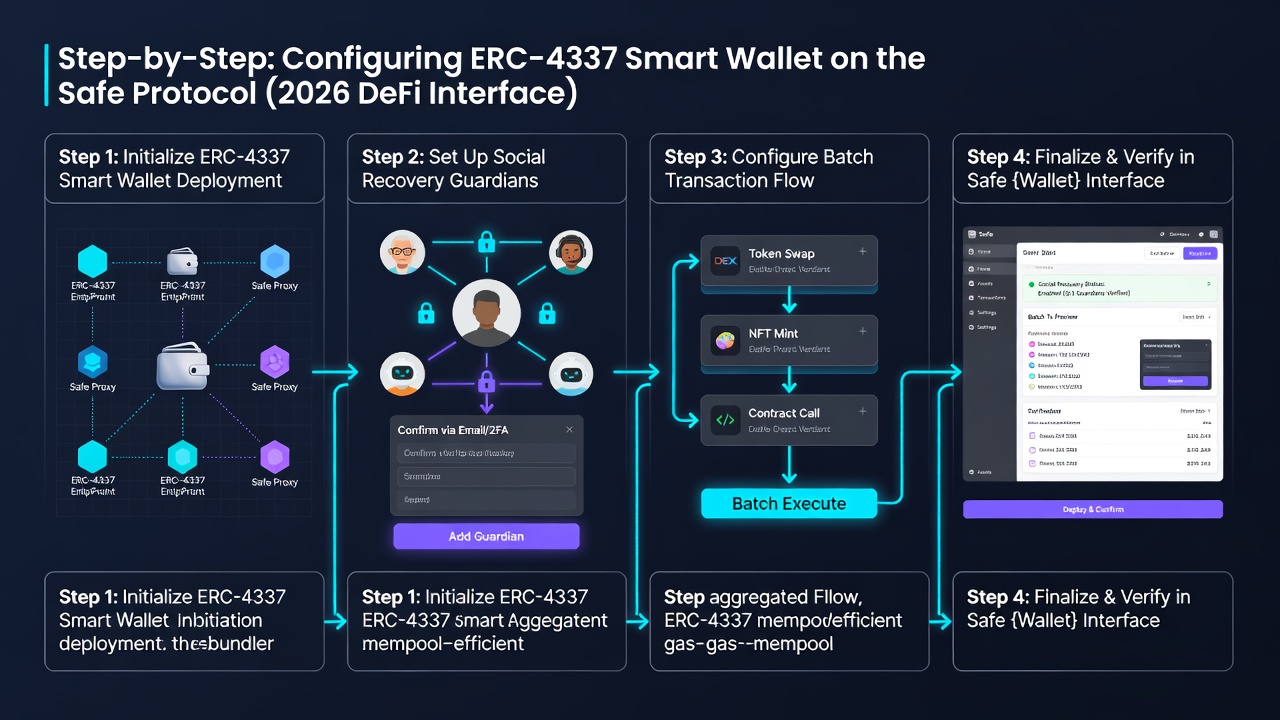
Deploying an ERC-4337 compatible smart wallet starts with choosing a trusted provider and network. With Safe, users begin by accessing the official interface, connecting an existing EOA for initial deployment, selecting a multi-signature threshold such as 2-of-3, and activating ERC-4337 modules to unlock gasless and recovery features. Argent emphasizes mobile accessibility, allowing creation via email or social login, followed by guardian setup where contacts receive encrypted recovery shares. Both platforms integrate directly with DeFi apps for seamless funding and testing. Practical steps include verifying contract addresses on explorers, enabling paymaster support for sponsored gas, and simulating transactions in test environments before mainnet use. Users should document guardian details securely and perform periodic recovery drills to ensure reliability.
- Choose a network supporting ERC-4337, such as Ethereum mainnet or compatible L2s like Arbitrum or Optimism.
- Install the wallet app or access the dApp interface and create a new account.
- Configure security settings including multi-sig thresholds and guardians for recovery.
- Fund the account via bridge or direct transfer and test a gasless transaction.
- Integrate with target protocols and verify all permissions before scaling activity.
Comparisons: ERC-4337 Smart Wallets vs Traditional EOAs
Traditional EOAs depend on single private keys for signing and mandate direct ETH holdings for every gas fee, which restricts usability in volatile markets or for non-technical participants. ERC-4337 smart wallets, however, introduce programmable security policies, flexible authentication, and abstracted fee handling that support broader adoption. While EOAs provide straightforward simplicity for basic transfers and require minimal setup, they lack native support for recovery without external services and cannot natively batch actions. Smart accounts shine in complex DeFi environments but introduce considerations around contract audit quality and potential upgrade risks. Overall, the shift favors users prioritizing safety and efficiency over minimalism.
Integrations with Yield Platforms and Perps DEXs
Smart wallets connect fluidly with yield aggregators and perpetuals exchanges to automate portfolio actions. For example, users can configure recurring batch calls that harvest rewards from a lending protocol, reinvest into liquidity pools, and simultaneously adjust perps hedges without manual intervention. This integration reduces gas overhead and execution delays, enabling strategies like dynamic rebalancing during market swings. Leading platforms now expose dedicated endpoints for ERC-4337 compatibility, allowing paymasters to cover costs during high-volatility periods and improving overall capital efficiency.
Risk Considerations and Smart Contract Vulnerabilities
Adoption of ERC-4337 brings notable risks including undiscovered contract vulnerabilities in custom modules, reliance on bundler operators for transaction inclusion, and potential centralization in paymaster services. Historical incidents in similar systems underscore the importance of reviewing independent audits and limiting exposure through diversified setups. Users should avoid unverified third-party plugins, monitor for upgrade proposals via governance forums, and maintain fallback EOAs for critical funds. Regular security reviews and staying informed about Ethereum ecosystem updates help mitigate exposure while preserving the benefits of abstraction.
Practical Checklist for Safe Adoption
- Research and select only audited wallet providers with transparent development histories.
- Enable multi-factor authentication combined with social recovery guardians from diverse locations.
- Start with small test transactions on supported testnets to validate all features.
- Monitor gas sponsorship limits, transaction history, and any module permissions regularly.
- Stay updated on Ethereum Improvement Proposals and community discussions related to account abstraction.
- Document all recovery processes and conduct simulated loss scenarios quarterly.
Real 2026 Case Studies in DeFi
Case studies from 2026 demonstrate tangible impact, such as a yield aggregator that onboarded over 50,000 users through gasless ERC-4337 wallets, resulting in higher retention rates and increased total value locked. Another perps DEX implemented batch operations to streamline position management, cutting average transaction counts by half and boosting trading volumes during peak periods. These examples illustrate how abstraction addresses longstanding UX pain points while maintaining decentralization principles.
Frequently Asked Questions
What is the primary benefit of ERC-4337 in DeFi?
It enables gasless and programmable transactions for enhanced accessibility without compromising security.
How does social recovery work in practice?
Trusted contacts approve wallet access through threshold signatures without ever exposing private keys or seed phrases.
Are there compatibility issues with existing DeFi protocols?
Most major platforms have updated interfaces to fully support ERC-4337 transactions and paymasters as of 2026.
What networks currently offer the best ERC-4337 support?
Ethereum mainnet alongside leading Layer 2 solutions provide robust bundler and paymaster infrastructure.
Conclusion
ERC-4337 smart wallets represent a transformative advancement for DeFi in 2026 by combining robust security with superior usability. Following the detailed steps, comparisons, and risk frameworks outlined above empowers users to adopt these tools confidently. Continued exploration through authoritative resources such as Ethereum.org, Safe, and Argent supports ongoing learning and successful implementation in evolving markets.

No comments yet. Be the first!