 CryptoChain Blog
Introduction to DeFi Copy Trading in 2026
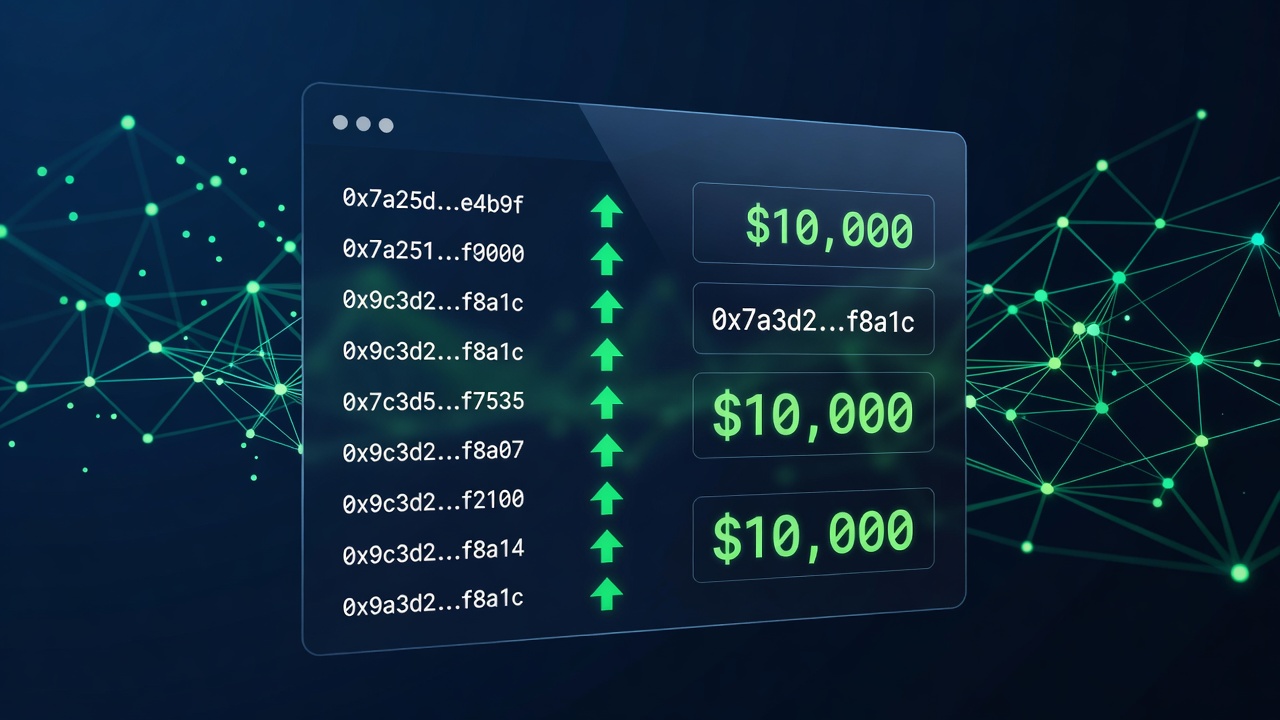
DeFi copy trading has evolved into a sophisticated method for intermediate users to generate passive alpha by mirroring the on-chain activities of proven wallets. Rather than relying on full automation that can expose portfolios to smart contract exploits or rapid market shifts, the 2026 approach emphasizes manual oversight combined with data-driven filters. This strategy helps users avoid common pitfalls such as rug pulls, over-leveraged positions, and liquidation cascades while capitalizing on the transparency of blockchain data. The core idea is to study successful traders through public wallet addresses, replicate their moves selectively, and apply strict risk management to maintain long-term sustainability.
In today's DeFi landscape, where protocols like lending platforms and decentralized exchanges process billions in volume daily, copy trading offers a way to benefit from expert decision-making without needing advanced coding skills. However, success depends on thorough research, consistent monitoring, and adherence to best practices that prioritize capital preservation over aggressive gains.
Key Tools for Wallet Tracking and On-Chain Analytics
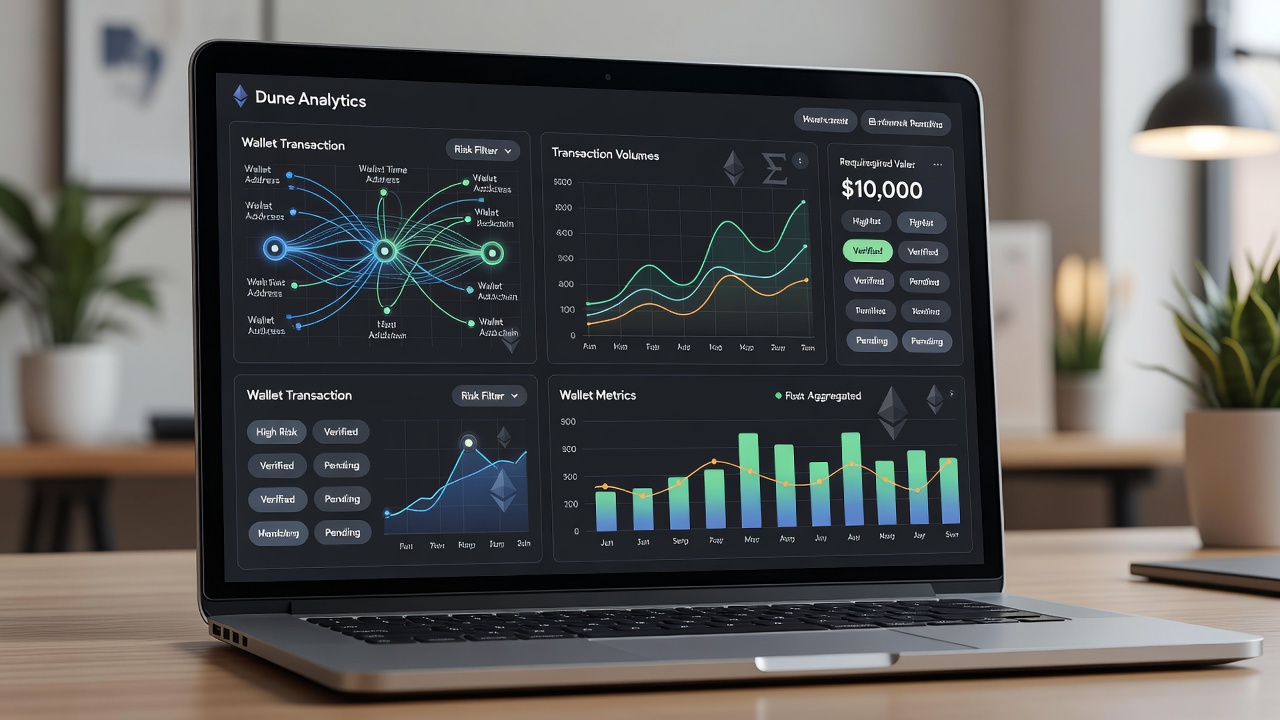
Successful copy trading starts with access to accurate, real-time data. Dune Analytics stands out as a leading platform for creating custom SQL-based dashboards that track wallet performance metrics such as trade frequency, profit margins, and holding periods. Users can build queries to monitor specific addresses across multiple chains, revealing patterns that indicate reliable strategies versus opportunistic trades.
Complementing Dune, DeFiLlama provides protocol-level TVL and yield data, helping contextualize why certain wallets allocate to specific pools. For granular transaction details, Etherscan allows verification of every interaction, including token swaps and lending activities. Additional resources include on-chain explorers like Arkham Intelligence for labeling wallet behaviors and Nansen for advanced labeling of smart money flows. Together these tools enable users to filter out noise and focus on wallets demonstrating consistent edge through diversified, risk-adjusted returns.
Selecting Copy Targets Using Performance Metrics
Choosing the right wallets requires evaluating multiple quantitative indicators rather than chasing short-term winners. Key metrics include win rate over at least 50 trades, maximum drawdown percentage, average holding time, and risk-adjusted returns measured by metrics like the Sortino ratio. Look for wallets that maintain low correlation with broad market movements and demonstrate disciplined position sizing across bull and bear phases.
Practical examples involve screening for addresses that have successfully navigated events like the 2025 market corrections by rotating into stable yield strategies. Avoid targets showing frequent interactions with new, unvetted tokens or sudden spikes in leverage that exceed 5x on borrowing platforms. Cross-reference performance across chains such as Ethereum, Arbitrum, and Base to confirm robustness. A proven method is to maintain a shortlist of five to ten wallets and rotate allocations quarterly based on updated metrics.
Setting Allocation Rules and Risk Filters
Robust allocation rules form the backbone of safe copy trading. Start by limiting exposure to any single copied wallet to no more than 10-15 percent of total portfolio value. Implement dynamic filters that automatically flag positions where borrowed assets exceed 40 percent of collateral or where slippage estimates surpass 1.5 percent on large trades. Additional safeguards include excluding wallets with recent interactions involving contracts flagged for vulnerabilities through community audits.
Users should also establish rebalancing schedules, such as weekly reviews to trim positions that have drifted beyond target weights. Risk filters can be coded into personal spreadsheets or simple bots that send alerts via Telegram when metrics breach thresholds. This layered approach minimizes the impact of any single adverse event while allowing participation in multiple high-conviction strategies simultaneously.
Step-by-Step Setup Examples on Dune and Custom Dashboards
Creating a functional dashboard begins with signing into Dune and forking an existing template for wallet tracking. Input target addresses into parameterized queries that pull transaction logs, calculate cumulative returns, and visualize drawdowns over rolling 90-day windows. Next, integrate data from DeFiLlama APIs to overlay protocol yields and flag when copied positions enter high-risk lending markets.
For a more advanced setup, export Dune results into Google Sheets and add conditional formatting for slippage warnings. Test the system by simulating copies of three wallets over a 30-day period, documenting every decision point. Semi-automated versions can incorporate webhook notifications from explorers like Etherscan that trigger when monitored addresses execute specific actions, allowing rapid manual review before execution.
Manual vs Semi-Automated Approaches Compared
Manual copy trading provides complete control, requiring users to review each signal before acting. This method excels in volatile conditions where context matters but demands daily time commitment. Semi-automated setups use alerts and pre-approved rule sets to reduce latency while preserving human veto power on high-value trades. The hybrid model often delivers better results by combining speed with oversight, though it requires initial configuration time.
Key differences appear in execution quality: manual traders may miss narrow windows during flash opportunities, while semi-automated users benefit from faster reaction but must guard against over-reliance on alerts that could be manipulated. Most practitioners recommend starting manually for the first three months before layering automation.
Monitoring Slippage, Fees, and Smart Contract Safeguards
Continuous monitoring of execution costs is essential. Calculate expected slippage using aggregator previews before mirroring any trade exceeding $10,000 in size. Track cumulative gas and protocol fees monthly to ensure net profitability remains positive. Smart contract safeguards include setting token approval limits, using hardware wallets for signing, and enabling multi-signature requirements on treasury contracts.
Regular audits of copied contracts through tools like Tenderly can reveal hidden risks such as upgradeable logic that might introduce future vulnerabilities. Maintaining a log of all copied transactions helps identify fee creep or pattern deviations early.
Common Pitfalls and FAQ
Front-running by bots and cascading liquidations represent persistent challenges. Diversifying across uncorrelated wallets and maintaining cash buffers for margin calls helps mitigate these issues.
Frequently Asked Questions
How do I avoid rug pulls when copying wallets? Always verify that target wallets interact exclusively with audited protocols and maintain transparent histories spanning multiple market cycles. Cross-check addresses against community-maintained blacklists.
What allocation size is recommended for beginners? Start with 5 percent per wallet and scale gradually after observing three months of aligned performance.
How often should dashboards be updated? Refresh queries weekly and conduct full portfolio reviews monthly to adapt to changing conditions.
Can copy trading work across multiple blockchains? Yes, but factor in bridge fees and differing liquidity levels when selecting targets on secondary chains.
What indicators signal an over-leveraged position? Sudden increases in borrowing ratios above 50 percent combined with declining collateral values warrant immediate review or exit.
Conclusion
DeFi copy trading in 2026 rewards disciplined practitioners who combine powerful analytics platforms with conservative risk rules. By investing time in tool mastery, metric evaluation, and ongoing monitoring, users can achieve sustainable alpha while protecting capital from common DeFi hazards. Begin with small test allocations and refine processes iteratively for the best long-term outcomes.

No comments yet. Be the first!