 CryptoChain Blog
Introduction to Decentralized Identity in DeFi
Decentralized identifiers (DIDs) are transforming DeFi by enabling secure, private access without relying on centralized authorities. In 2026, protocols increasingly adopt DIDs and verifiable credentials to balance user privacy with regulatory compliance. This comprehensive guide explores the fundamentals, practical integrations, advanced applications, and real-world implementations for both beginners and developers seeking to enhance their DeFi platforms. By understanding these tools, teams can reduce reliance on traditional KYC processes while maintaining robust security standards across lending, trading, and yield optimization activities.
Fundamentals of DIDs and Verifiable Credentials
Decentralized identifiers follow standards set by the W3C. A DID is a unique string that resolves to a DID document containing public keys and service endpoints. Verifiable credentials allow issuers to attest to attributes like credit history without exposing raw data. Together, they create self-sovereign identity solutions ideal for DeFi lending and trading platforms. Understanding the core components such as DID methods, resolvers, and credential schemas is essential before integration. These elements ensure interoperability across multiple blockchains and reduce dependency on single points of failure common in traditional identity systems. Additional concepts include DID controllers for ownership management and the role of decentralized storage in anchoring documents securely.
Step-by-Step Wallet and Protocol Setup
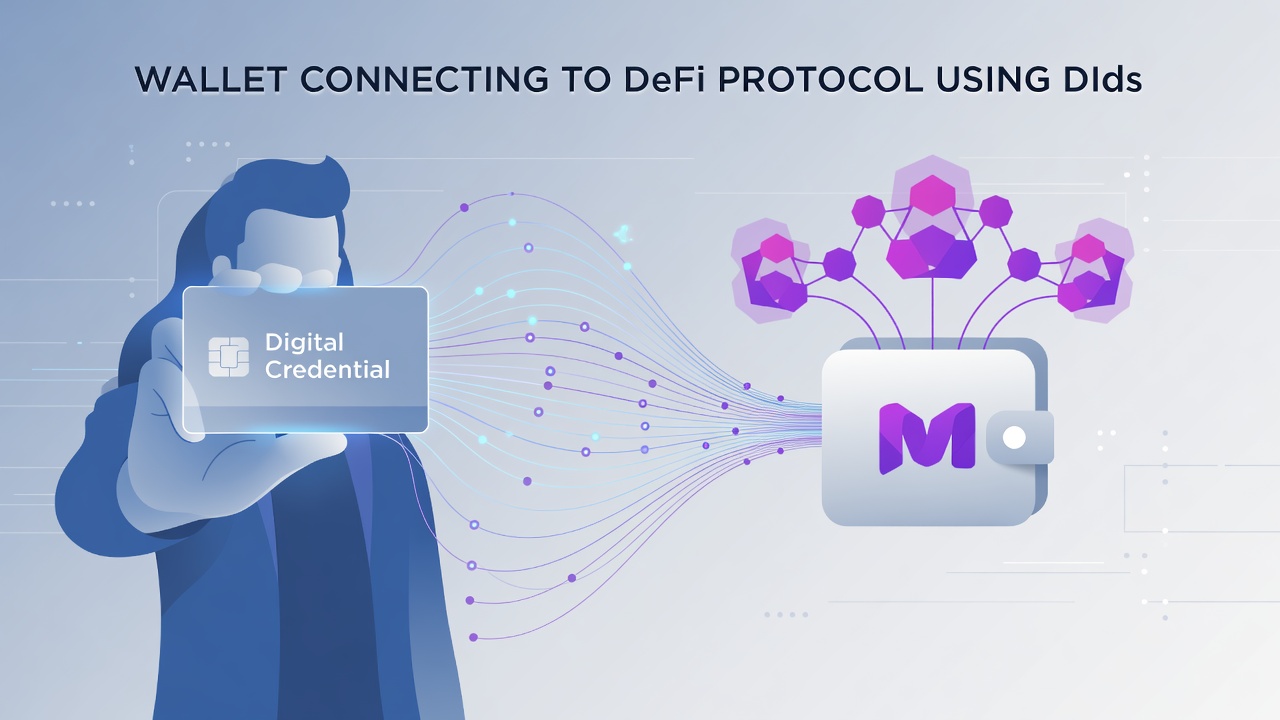
Start by selecting a compatible wallet such as MetaMask with DID extensions. Install the necessary libraries, generate a DID using the did:key method, and anchor it on a blockchain. Next, configure verifiable credential issuance through an issuer API. Test authentication flows by presenting credentials to a verifier smart contract. Always audit for gas optimization and key rotation procedures. For advanced setups, integrate with identity hubs to store encrypted data off-chain while maintaining on-chain proofs. Developers should also implement selective disclosure mechanisms to comply with privacy regulations like GDPR while supporting DeFi-specific requirements such as proof of funds without revealing wallet addresses.
Practical examples include using JavaScript SDKs to create a DID in under five minutes on testnets. First, initialize the wallet connection, then resolve the DID document via a universal resolver. Finally, issue a sample credential for age verification and test revocation lists. This process helps teams avoid common pitfalls like improper key storage that could lead to identity theft in high-value DeFi transactions. Additional steps involve setting up a local resolver node for faster queries and integrating with existing smart contracts via standardized interfaces for seamless verification during loan origination or swap execution.
Comparing Leading Solutions: Ceramic vs Polygon ID
Ceramic offers a decentralized data network optimized for mutable documents and streams, making it suitable for dynamic DeFi profiles. Polygon ID provides on-chain verifiable credentials with strong zero-knowledge proof support for privacy. Ceramic excels in scalability for high-frequency updates, while Polygon ID integrates seamlessly with Ethereum tooling. Evaluate based on your protocol's throughput needs and regulatory jurisdiction. Additional considerations include developer experience, with Ceramic providing robust stream management tools, and Polygon ID offering easier EVM compatibility for smart contract interactions. Teams building cross-chain applications may prefer hybrid approaches that leverage both for optimal performance and security. A detailed comparison table might highlight differences in storage costs, proof generation speed, and ecosystem support, helping projects choose the right fit for their specific DeFi vertical.
Use Cases for KYC-Free Lending and Cross-Protocol Authentication
- Privacy-preserving lending where borrowers prove solvency via credentials without revealing identity, enabling faster loan approvals in volatile markets while reducing exposure to data breaches.
- Cross-protocol single sign-on allowing seamless access across DEXs and yield farms, reducing friction for users managing multiple positions and improving overall liquidity flows.
- Risk mitigation against identity theft using revocable credentials and on-chain attestations that update in real time during suspicious activity detection.
- Compliance-friendly trading where users present regulatory status proofs without full KYC data exposure, supporting global DeFi expansion into new jurisdictions.
Real-World Case Studies from Active DeFi Platforms
Leading protocols have implemented DIDs to reduce Sybil attacks while maintaining user anonymity. One example involves a lending market that issues soulbound credentials for collateral verification, resulting in lower default rates and improved capital efficiency. Another uses Ceramic streams for portable reputation scores across multiple chains, allowing users to carry trust signals from one protocol to another without repeated onboarding. A third case study from a derivatives platform demonstrates how Polygon ID helped enforce geographic restrictions through verifiable credentials, achieving compliance without compromising decentralization. These implementations demonstrate measurable improvements in user retention and compliance efficiency, with platforms reporting up to 40 percent faster transaction processing after adoption. Further examples show how DIDs enable undercollateralized lending based on verifiable reputation rather than over-collateralization alone.
Risk Mitigation and Best Practices
Identity theft remains a major concern in DeFi, but DIDs mitigate this through cryptographic proofs and revocable attestations. Best practices include regular key rotation, multi-signature controls for high-value credentials, and integration with decentralized storage solutions. Always conduct third-party audits of credential schemas and test revocation flows under simulated attack scenarios. Developers should also educate users on secure backup methods for their DID private keys to prevent permanent loss of access. Monitoring tools for credential usage patterns can further enhance security by flagging anomalies early in the transaction lifecycle.
Common Implementation Challenges and FAQ
Developers often face interoperability issues between DID methods. Beginners should begin with testnets before mainnet deployment. Advanced users must handle revocation registries carefully to prevent stale credentials.
Frequently Asked Questions
How do DIDs enhance privacy in DeFi? They allow selective disclosure of attributes through zero-knowledge proofs, minimizing data exposure during authentication.
What are the best practices for key management? Use hardware wallets and implement multi-party computation for recovery, ensuring no single party controls the full key.
Can DIDs support regulatory compliance? Yes, via verifiable credentials that prove compliance status without exposing personal data, aligning with evolving 2026 standards.
How long does initial DID integration typically take? Most teams complete basic wallet and protocol setup within two weeks when following structured tutorials and using established SDKs.
What happens if a credential is revoked? The verifier checks the revocation registry in real time, instantly blocking access for compromised or outdated credentials.
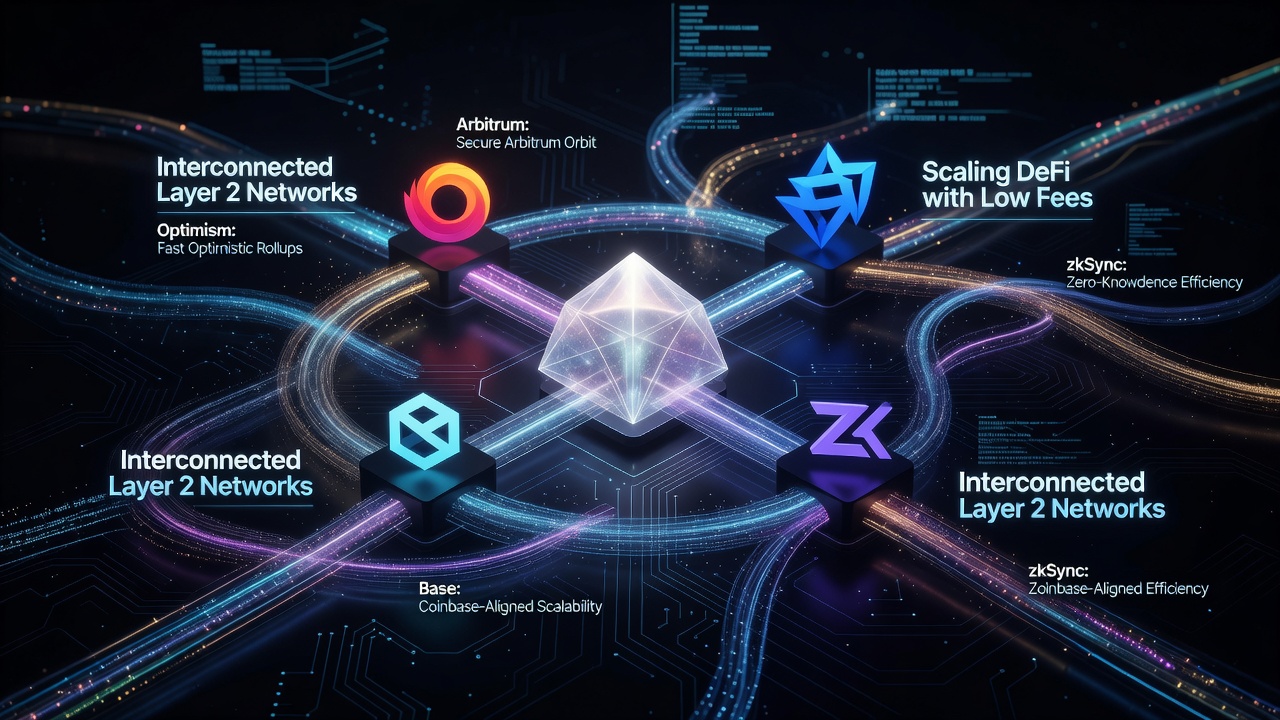
Are there gas cost considerations when using DIDs on Ethereum? Yes, anchoring and verification can add minor fees, but layer-2 solutions like Polygon significantly reduce these expenses.
How do DIDs interact with existing DeFi smart contracts? Through standardized interfaces that allow contracts to query DID documents and validate credentials without major refactoring.
Conclusion
Integrating DIDs into DeFi workflows positions protocols for the privacy-first era of 2026. By following the setups, comparisons, and case studies outlined, teams can build secure, compliant systems that protect users while unlocking new financial primitives and fostering greater trust in decentralized finance. Continued innovation in this space promises even more efficient and inclusive DeFi experiences ahead.

No comments yet. Be the first!