 CryptoChain Blog
Introduction to DeFi Gaming Integration in 2026
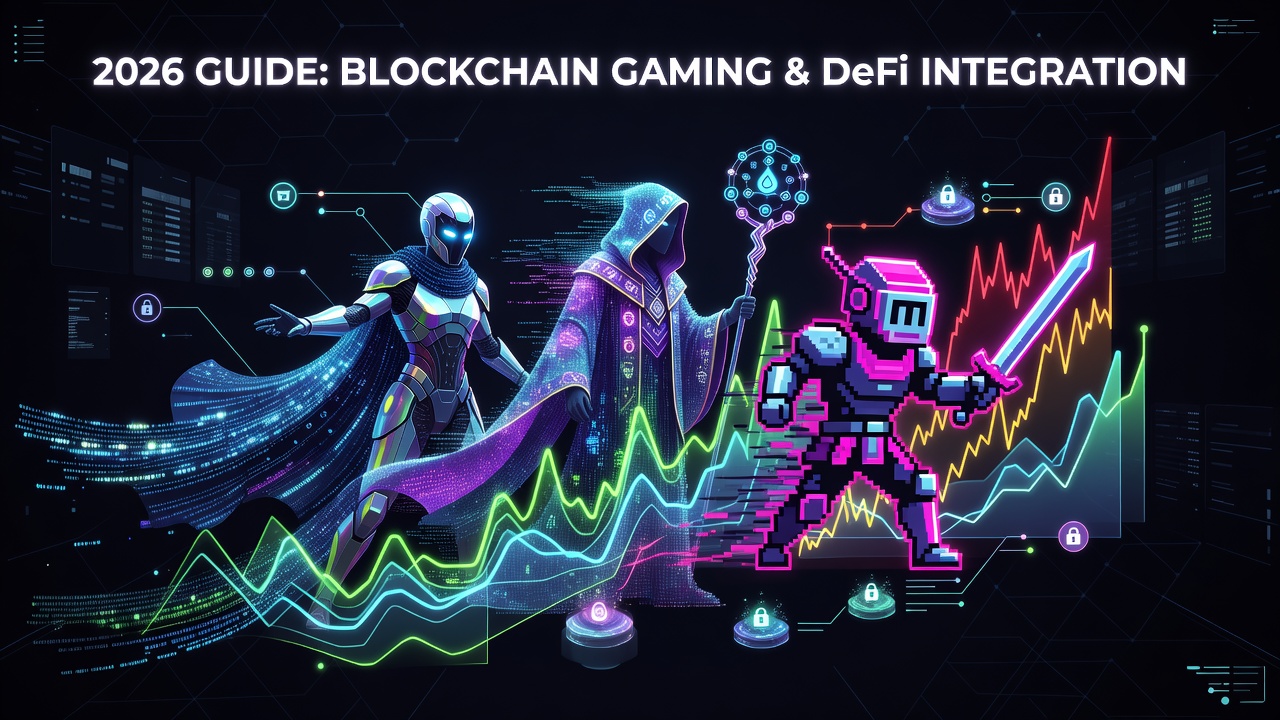
Play-to-earn gaming has evolved significantly, merging with decentralized finance protocols to create opportunities for sustainable yields. Intermediate users can move beyond basic token farming by integrating in-game assets with lending, staking, and liquidity pools. This guide explores practical methods for combining blockchain games with DeFi strategies throughout 2026, helping players generate consistent returns while enjoying gameplay. The landscape includes layer-2 scaling solutions and cross-chain bridges that reduce costs and improve accessibility for yield generation. As adoption grows, new opportunities emerge for those willing to navigate the complexities of smart contracts and token economics with disciplined approaches.
Selecting Compatible Games for DeFi Integration
Choosing the right titles is essential for successful integration. Focus on ecosystems with strong tokenomics and cross-protocol compatibility. Popular options include games built on Ethereum or layer-2 solutions that support asset bridging. Verify that in-game NFTs or tokens can be deposited into established DeFi platforms without excessive fees or restrictions. Key criteria include active developer communities, audited smart contracts, and proven liquidity on decentralized exchanges. Examples of suitable titles feature established play-to-earn models with interoperable assets, such as those allowing seamless transfer of characters or resources to lending protocols. Additional factors involve checking for real-time data feeds that enable dynamic yield calculations and ensuring the game maintains regular updates to prevent asset devaluation.
- Evaluate token utility and governance participation rights
- Check for native DeFi integrations or third-party protocol support
- Review historical yield performance data from analytics dashboards
- Assess community size and update frequency for long-term viability
- Analyze blockchain explorer activity for transaction volume trends
- Confirm support for popular wallets and hardware security modules
Staking In-Game Assets Across Protocols
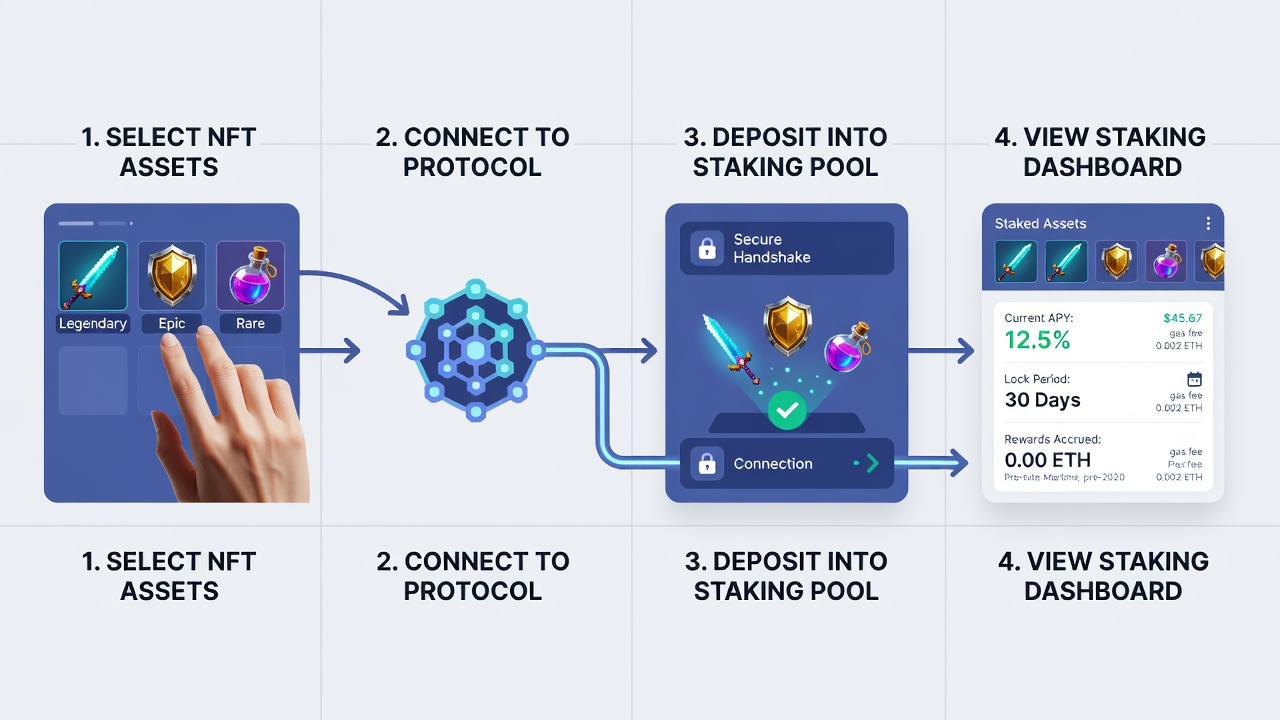
Once assets are acquired, staking provides baseline yields. Transfer NFTs or tokens to protocols supporting game-specific vaults. For example, users can stake earned tokens in yield aggregators that automatically compound rewards. Always review smart contract audits before committing funds. Advanced users often split stakes across multiple platforms to diversify exposure and capture different reward structures. This approach requires careful monitoring of lock-up periods and reward distribution schedules. Practical examples include staking a game character NFT in a lending pool to earn interest while simultaneously using reward tokens in a separate aggregator for boosted APY through auto-compounding features.
Combining Rewards with Liquidity Provision
Advanced strategies involve pairing staking rewards with liquidity pools. Provide liquidity for game tokens paired with stablecoins to earn trading fees plus yield farming incentives. This dual approach can enhance overall returns while managing volatility through balanced positions. Users should calculate impermanent loss scenarios using simulation tools before committing capital. Successful integration often includes periodic rebalancing to maintain optimal ratios as token prices fluctuate. In practice, a player might allocate 60 percent of rewards to a stable liquidity pair and 40 percent to high-yield game token pools, adjusting based on weekly performance reports from on-chain analytics.
Step-by-Step Setup Examples for Top Titles
Begin with wallet setup using a secure non-custodial provider. For a leading title like Axie Infinity successors, bridge assets to a compatible chain, then deposit into a DeFi lending market. Next, use rewards to add liquidity on a decentralized exchange. Repeat the process monthly to optimize compounding. Another example involves a racing game ecosystem where vehicle NFTs are staked in a dedicated vault while reward tokens enter a stablecoin liquidity pool. Detailed walkthroughs typically start with connecting a wallet, approving token contracts, and confirming transactions on the blockchain explorer. A third case might involve a strategy game where resource tokens are first bridged, then split between a lending protocol and an automated yield optimizer for layered returns.
Risk Comparisons: Volatile Game Tokens vs Stable Yields
Game tokens often experience sharp price swings compared to stablecoin-based yields. Diversify by allocating portions to low-volatility pools. Monitor impermanent loss in liquidity positions and consider insurance options for smart contract coverage. Volatile assets may deliver higher short-term rewards but carry greater downside potential during market corrections. Stable yield strategies emphasize consistent returns through over-collateralized lending or automated market maker incentives, providing a buffer against sudden token devaluations. Intermediate users benefit from scenario planning that models both bull and bear market conditions to determine appropriate allocation percentages.
Common Pitfalls and Smart Contract Exploits in Gaming DeFi
Many users overlook rug-pull risks in newer games. Always verify developer transparency and community governance. Use multi-signature wallets for larger positions and enable transaction simulation tools before approvals. Additional pitfalls include overlooking gas fee spikes during high network activity and failing to withdraw rewards promptly. Exploit prevention involves staying informed about protocol upgrades and participating in governance votes that influence security parameters. Real-world incidents have shown that unverified contracts can lead to total asset loss, underscoring the need for thorough due diligence.
Tools and Monitoring Best Practices
Effective management requires dashboards for real-time yield tracking and portfolio allocation. Integrate alerts for significant price movements or protocol changes. Regular audits of connected contracts and periodic portfolio reviews help maintain strategy effectiveness over time. Recommended tools include portfolio trackers that aggregate data across chains and notification systems that flag unusual contract activity.
Advanced Yield Optimization Techniques
Beyond basic staking and liquidity, users can employ leverage through borrowing against staked assets to amplify positions in high-conviction games. Another technique involves flash loans for temporary liquidity boosts during reward distribution events. Always backtest these methods using historical data to avoid over-leveraging that could lead to liquidation during downturns.
Case Studies of Successful Integrations
In one documented case, a player integrated a fantasy battle game with multiple DeFi protocols, achieving consistent monthly yields by rotating assets between staking and liquidity every two weeks. Another example from a simulation game showed how combining governance token rewards with stablecoin pools reduced overall portfolio volatility while maintaining competitive returns compared to pure gaming strategies.
Future Outlook for DeFi Gaming in 2026
The sector continues to mature with improved interoperability standards and regulatory clarity in key jurisdictions. Emerging trends include AI-assisted yield optimization and expanded metaverse asset classes that further blend gaming with financial instruments. Participants should stay informed about upcoming protocol launches that may introduce new integration pathways.
FAQ
- How do I start integrating DeFi with my favorite game? Start by researching supported protocols on official documentation and test small amounts first.
- What are the main risks in 2026 DeFi gaming? Smart contract vulnerabilities, token volatility, and regulatory changes remain key concerns.
- Can I combine multiple yield sources safely? Yes, but maintain separate wallets for each strategy to limit exposure.
- How often should I rebalance liquidity positions? Monthly reviews are common, with adjustments based on market conditions and reward rates.
- Are there insurance options for DeFi gaming assets? Several decentralized insurance protocols now cover select game-related smart contracts.
For further reading on blockchain fundamentals, visit Ethereum.org. Explore DeFi analytics at DefiLlama. Review security best practices via Consensys and learn about decentralized identity at W3C.
Conclusion
Integrating DeFi with play-to-earn gaming offers intermediate users sophisticated tools for yield generation in 2026. By carefully selecting games, implementing layered staking and liquidity strategies, and managing risks proactively, participants can build resilient portfolios that combine entertainment with financial growth. Continuous education and cautious experimentation remain vital for long-term success in this evolving space.

No comments yet. Be the first!