 CryptoChain Blog
Introduction to Layer 2 Scaling for DeFi in 2026
Decentralized finance continues to evolve rapidly, and high Ethereum mainnet fees remain a barrier for many participants. Layer 2 solutions provide the throughput and cost efficiency needed for sustainable activity. This guide explores practical methods to engage with DeFi on leading L2 networks while preserving security guarantees. As Ethereum scales, users must understand how optimistic and zero-knowledge rollups work together to deliver lower costs and higher speeds without compromising the underlying security model inherited from the base layer.
Users benefit from reduced transaction costs without sacrificing composability across protocols. By understanding each network's strengths, participants can route trades, provide liquidity, and harvest yields more effectively. The focus remains on actionable steps that integrate seamlessly with existing portfolios rather than requiring complete migration away from Ethereum mainnet.
Comparing Leading L2 Networks: Throughput, Finality, and Ecosystems
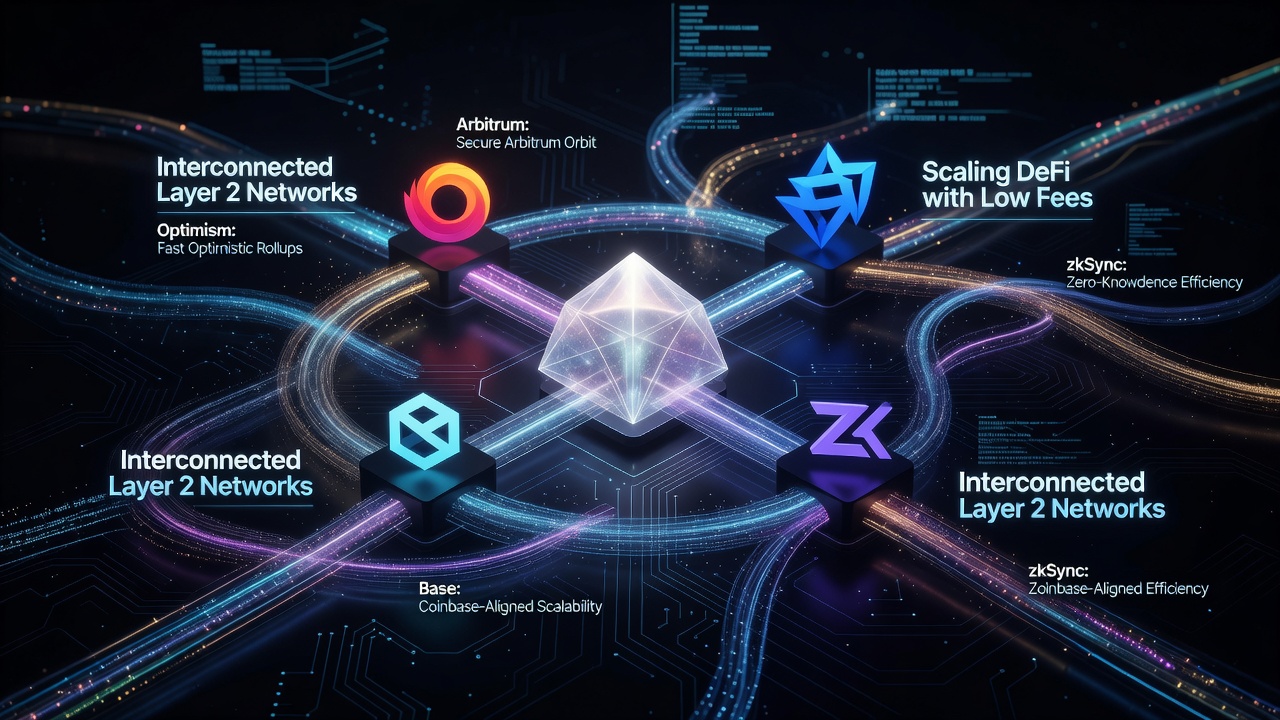
Optimism, Arbitrum, Base, and zkSync each deliver distinct advantages. Optimism emphasizes simplicity and optimistic rollup architecture with fast confirmation times. Arbitrum offers broad EVM compatibility and a mature developer ecosystem. Base leverages Coinbase infrastructure for seamless onboarding. zkSync utilizes zero-knowledge proofs for enhanced privacy and scalability.
Throughput varies: optimistic rollups generally process hundreds of transactions per second, while zkSync focuses on proof generation for finality. Finality on optimistic chains requires a challenge window, whereas zk-rollups achieve near-instant cryptographic certainty. dApp ecosystems range from established lending markets on Arbitrum to emerging perpetuals platforms on Base. When evaluating networks, consider not only raw speed but also liquidity depth and the availability of specific DeFi primitives such as options trading or automated yield vaults.
Choose networks based on your primary activities. Liquidity providers often favor Arbitrum for deep stablecoin pools, while traders explore zkSync for lower slippage on complex swaps. For users already active on Ethereum, Ethereum.org provides foundational resources on how these L2s inherit security from the main chain.
Step-by-Step Asset Bridging Across L2 Networks
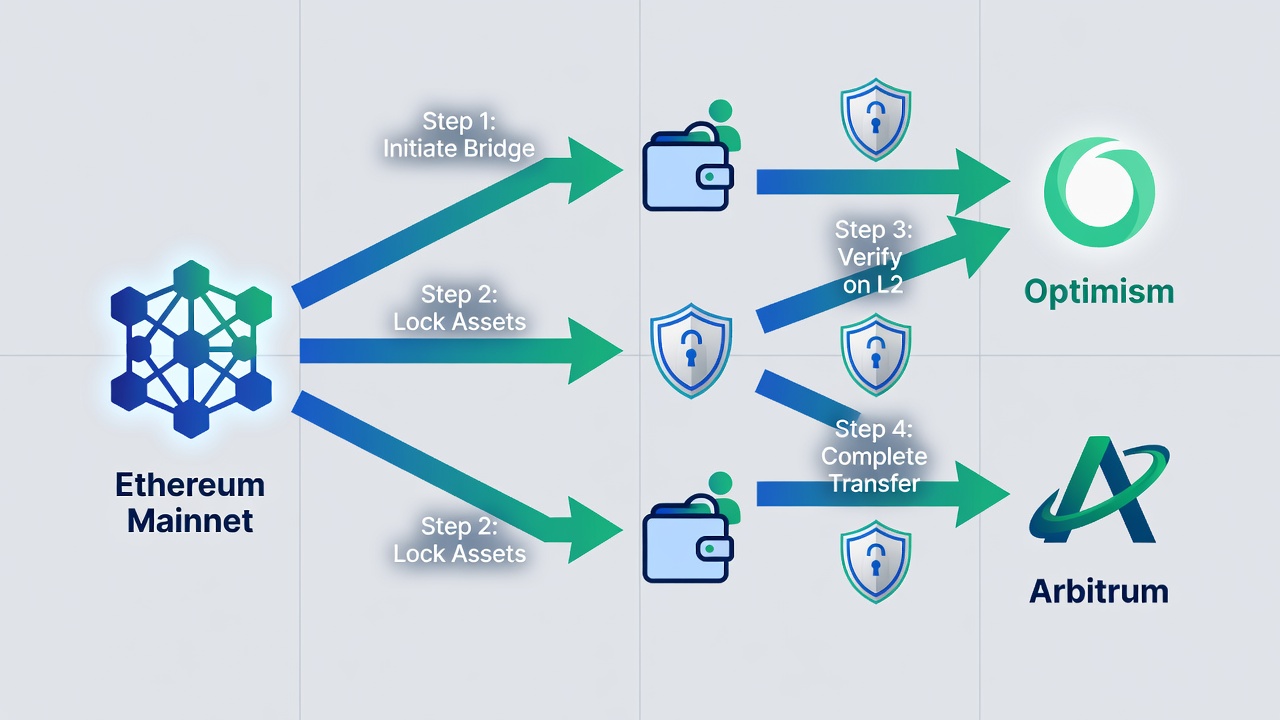
Bridging assets starts with selecting a trusted bridge interface. Connect your wallet, choose source and destination chains, and approve the transfer. Always verify contract addresses and monitor for official announcements. The process typically involves depositing assets on Ethereum, waiting for confirmation on the L2, and then claiming the funds once the state is finalized.
Begin with small test transfers to confirm timing and fees. Once confirmed, move larger amounts during off-peak hours. Track bridge status using block explorers on both layers. Different bridges offer varying withdrawal times: optimistic rollups often impose a seven-day challenge period for withdrawals back to Ethereum, while zk-rollups can finalize faster due to validity proofs.
Common pitfalls include selecting unofficial bridges and overlooking withdrawal delays on optimistic rollups. Stick to native or well-audited solutions to maintain security. Advanced users may employ multi-hop bridging strategies that route through intermediate L2s to minimize cumulative fees.
Multi-L2 Yield Deployment Tactics
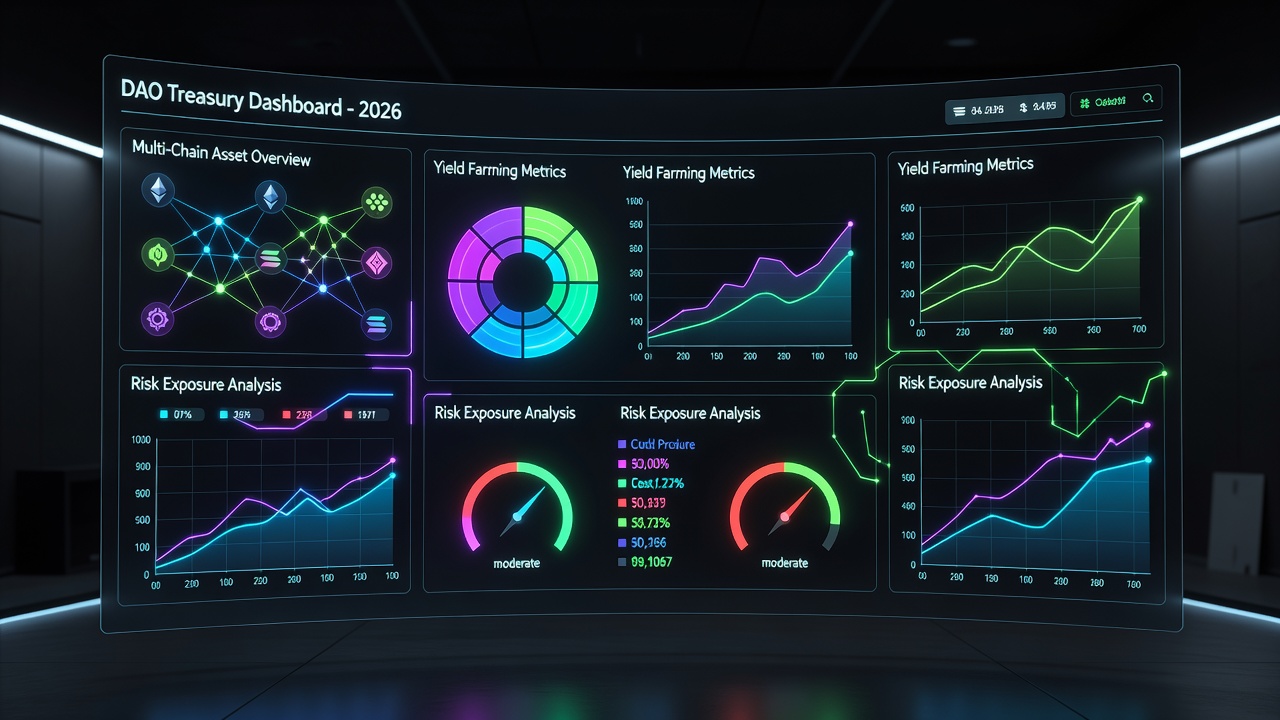
Deploying capital across multiple L2s maximizes returns while spreading risk. Start by allocating stablecoin positions to low-fee venues for lending and liquidity provision. Monitor APY fluctuations using on-chain analytics dashboards. Rebalance quarterly or when network congestion spikes. Combine strategies such as providing liquidity on one chain and staking rewards on another. This approach reduces single-point dependency and captures diverse incentives offered by different ecosystems.
Real-world examples include arbitrage between DEX prices on Optimism and Arbitrum, or supplying liquidity to Base's emerging protocols while hedging with zkSync perpetuals. A practical tactic involves splitting a position: deposit half on Arbitrum for stable lending yields and the remainder on zkSync for higher-risk, higher-reward options trading. Track performance weekly and adjust allocations based on gas price trends and protocol incentive changes.
Security Best Practices and Mistakes to Avoid
Security remains paramount when operating across multiple networks. Always enable hardware wallet support where available and never share private keys. Review smart contract audits before interacting with new dApps. A common mistake is ignoring the difference in finality times, which can lead to failed arbitrage attempts if one leg settles slower than expected.
Another frequent error involves leaving large balances on bridges during volatile periods. Instead, complete the bridge and immediately deploy assets into yield-generating positions. Users should also maintain separate wallets for each L2 to isolate potential issues and simplify accounting for tax reporting.
Practical Checklists and Fee Optimization Tools
- Verify wallet compatibility with each L2 before bridging
- Compare current gas estimates across networks using public fee trackers
- Maintain small native token balances for transaction fees on every chain
- Document bridge transaction hashes for audit trails
- Review smart contract audits before interacting with new dApps
- Test all new strategies with minimal capital first
- Set alerts for unusual bridge activity or protocol upgrades
Fee calculators help estimate costs for specific actions like swaps or deposits. Input transaction type and network to receive projected totals, allowing informed routing decisions. Many dashboards now aggregate data across Optimism, Arbitrum, Base, and zkSync, enabling side-by-side comparisons in real time.
Real-World Examples: Arbitrage and Liquidity Provision
Consider a stablecoin arbitrage opportunity between two DEXes. Execute the buy on the lower-priced venue and sell on the higher one, settling both legs on the same L2 to avoid cross-chain delays. Liquidity providers can earn trading fees plus token incentives by focusing on high-volume pairs during market volatility. In one documented case, a user rotated capital between Base and Optimism every two weeks to capture differing incentive programs, resulting in improved net yields after accounting for minimal bridge fees.
These tactics integrate with existing portfolios by treating L2 positions as extensions of mainnet strategies rather than isolated silos. Always calculate the full cost including potential withdrawal delays when planning exits.
Frequently Asked Questions
What are the main bridge risks?
Bridge exploits and smart contract vulnerabilities represent primary concerns. Use only audited, widely adopted bridges and enable two-factor authentication on connected wallets. Monitor official channels for any reported incidents.
How do I select the right network?
Evaluate based on dApp availability, finality speed, and ecosystem maturity. Test small positions first to assess user experience and confirm that your preferred protocols are fully supported.
Can I move assets back to Ethereum easily?
Yes, but optimistic rollups impose a delay period for security. Plan accordingly for time-sensitive withdrawals and consider keeping a small reserve on Ethereum for urgent needs.
Conclusion
Layer 2 adoption empowers cost-efficient DeFi participation in 2026. By mastering bridging, comparing networks, and deploying multi-chain tactics, users achieve better yields with controlled risk. Apply the checklists and examples above to refine your strategy and stay ahead in the evolving landscape. Continued monitoring of network upgrades will ensure ongoing optimization as new features roll out across Optimism, Arbitrum, Base, and zkSync.
No comments yet. Be the first!