 CryptoChain Blog

Introduction to DeFi for Freelancers in 2026
Freelancers face unique challenges when it comes to receiving timely payments and managing cash flow without relying on traditional banks that often impose high fees, delays, and geographic restrictions. Decentralized finance, or DeFi, offers powerful alternatives in 2026 by enabling borderless crypto payments, real-time streaming of funds, and opportunities to generate yield on idle earnings. This comprehensive guide walks independent workers through every step of leveraging DeFi for payments and yield strategies, from initial wallet setup to advanced hedging and tax considerations. Whether you are a graphic designer, developer, consultant, or content creator, these tools can streamline your finances and help your earnings grow passively while minimizing counterparty risk.
The core benefits include instant global access to funds, reduced intermediary costs, and programmable money features that allow clients to pay you continuously rather than in lump sums. However, success requires understanding wallet security, protocol selection, and risk management. Throughout this article we provide practical checklists, real-world examples, and comparisons between leading protocols such as Sablier and Superfluid to help you make informed decisions.
Setting Up Your DeFi Wallet for Secure Operations
Before receiving any payments, establish a robust non-custodial wallet. Popular choices in 2026 include MetaMask, Rabby Wallet, and Frame, each offering strong browser integration and hardware support. Begin by downloading the official extension or mobile app from the provider’s verified site. Generate a new wallet, record your 12- or 24-word seed phrase on paper or metal backup, and store it offline in multiple secure locations. Never share this phrase or enter it on websites.
Next, enable two-factor authentication where available and connect a hardware wallet such as Ledger or Trezor for large balances. Choose your primary network—Ethereum mainnet for maximum compatibility or Layer 2 solutions like Arbitrum, Optimism, or Base to minimize transaction costs. Test the wallet by sending a tiny amount of ETH between addresses you control. Familiarize yourself with gas fees, token approvals, and how to revoke permissions using tools like revoke.cash. A properly configured wallet forms the foundation for all subsequent DeFi activities and protects you from common phishing attacks.
Receiving Payments via Streaming Protocols
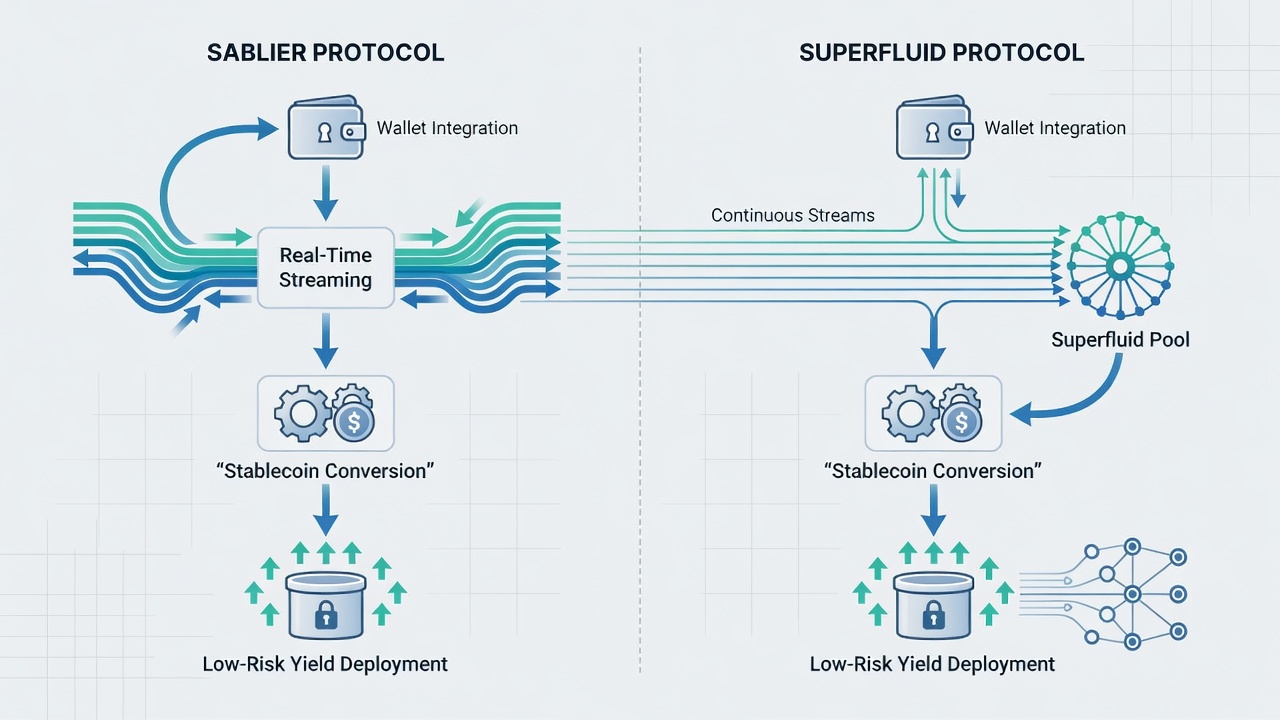
Streaming protocols represent one of the most transformative features for freelancers because they allow clients to send funds in real time rather than waiting for invoice settlement. Two leading options stand out: Sablier and Superfluid. Sablier focuses on linear vesting and one-time project streams with flexible start and end dates, making it ideal for milestone-based work. Superfluid excels at recurring or subscription-style payments with automatic adjustments and composability across other DeFi apps.
To get started, visit the official protocol dashboards and connect your wallet. Create a stream by specifying the payment token, flow rate (for example, a fixed amount per day), and recipient address. Clients can fund the stream from their own wallets or through integrated payroll tools. Both protocols support stablecoins such as USDC and DAI, which helps reduce volatility from the moment funds arrive.
Step-by-Step Setup Checklist
- Verify your wallet address and share it or your ENS name with clients.
- Choose the network that balances security and low fees, typically a Layer 2.
- Configure stream parameters including token type, duration, and cliff periods if needed.
- Provide clients with a simple payment link generated by the protocol interface.
- Monitor incoming streams through the dashboard and set up notifications.
- Perform a test stream with a small amount before committing to full project value.
- Document all stream details for accounting and tax purposes.
Converting Earnings to Stablecoins Efficiently
Once streams begin, immediately swap any volatile tokens for stablecoins to preserve value. Use decentralized exchanges such as Uniswap or 1inch for on-chain swaps. Route transactions through aggregators to obtain the best rates and reduce slippage. Schedule regular conversions—daily or weekly depending on stream size—to avoid large price swings. Always double-check token contract addresses to prevent scams involving fake tokens.
Low-Risk Yield Strategies for Freelancer Earnings
After converting to stablecoins, deploy portions into conservative yield-generating protocols. Focus on established lending platforms that use over-collateralized loans. Supply USDC or DAI to earn interest while retaining full control of your assets. Rebalance positions quarterly and monitor utilization rates to maintain liquidity. Combine yield farming with simple staking where available, but prioritize protocols with multiple security audits and substantial total value locked. Diversify across two or three platforms rather than concentrating funds in one place.
Tax-Efficient Withdrawal Methods and Compliance
Withdrawing earnings requires careful planning to minimize tax burdens and fees. Use decentralized bridges to move stablecoins across networks before converting to fiat through compliant on-ramps. Maintain detailed transaction records using portfolio trackers and export CSV files for accountants. Research local regulations regarding crypto income reporting and consider setting aside a portion of earnings in a separate wallet for tax obligations. Some freelancers structure withdrawals through multiple smaller transactions to stay within favorable tax brackets where applicable.
Volatility Hedging Techniques
Even with stablecoins, market events can affect overall portfolio value. Protect against downside by using decentralized options platforms or perpetual futures on exchanges like GMX. Maintain a core allocation of 60-80 percent in stable assets during high-volatility periods. Regularly review positions and adjust hedges based on macroeconomic indicators. These techniques help preserve purchasing power without requiring constant monitoring.
Common Mistakes to Avoid
Many new DeFi freelancers overlook smart contract risks or approve unlimited token spending. Always review transaction details before confirming and revoke approvals periodically. Another frequent error is ignoring network congestion, which can inflate fees dramatically. Start with small amounts, use testnets when available, and never invest funds you cannot afford to lose.
Risk Warnings
DeFi involves smart contract vulnerabilities, oracle failures, and evolving regulatory landscapes. Conduct thorough due diligence, review audit reports, and consider using insurance protocols for additional protection. Maintain offline backups and enable wallet alerts for unusual activity.
Real-World Example
Consider a freelance web developer who received weekly USDC streams via Sablier from a European client. She converted excess earnings into yield positions on two lending platforms, generated consistent returns over six months, and avoided traditional bank wire delays. When a sudden market dip occurred, her stablecoin allocation and simple hedge protected most of her gains. This approach allowed her to focus on client work rather than payment chasing.
FAQ
How do I choose between Sablier and Superfluid?
Evaluate based on payment frequency—Sablier for defined project timelines and Superfluid for ongoing retainers or subscriptions.
What networks minimize fees in 2026?
Layer 2 solutions such as Optimism, Arbitrum, and Base consistently deliver the lowest transaction costs while maintaining strong security.
Are these strategies suitable for beginners?
Yes, but begin with small test transactions and study official documentation from each protocol before scaling up.
How can I handle client onboarding to DeFi payments?
Provide clear instructions, video walkthroughs, and offer to accept an initial small test stream to build confidence.
What happens if a stream stops unexpectedly?
Most protocols allow you to pause or cancel streams and withdraw any vested balance immediately through the dashboard.
Conclusion
DeFi empowers freelancers with faster payments, global reach, and yield opportunities unavailable through conventional finance. By following the wallet setup, streaming, conversion, and yield steps outlined above, you can build a resilient financial system tailored to independent work. Implement changes gradually, prioritize security, and stay informed about protocol updates to maximize long-term benefits.

No comments yet. Be the first!